Genres
Make Music
Artists
Albums
Challenges
Sign in
Sign in
Albums
By Uncle Acid & The Deadbeats
Albums
By Uncle Acid & The Deadbeats
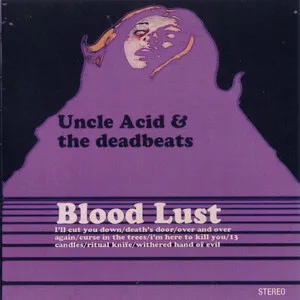
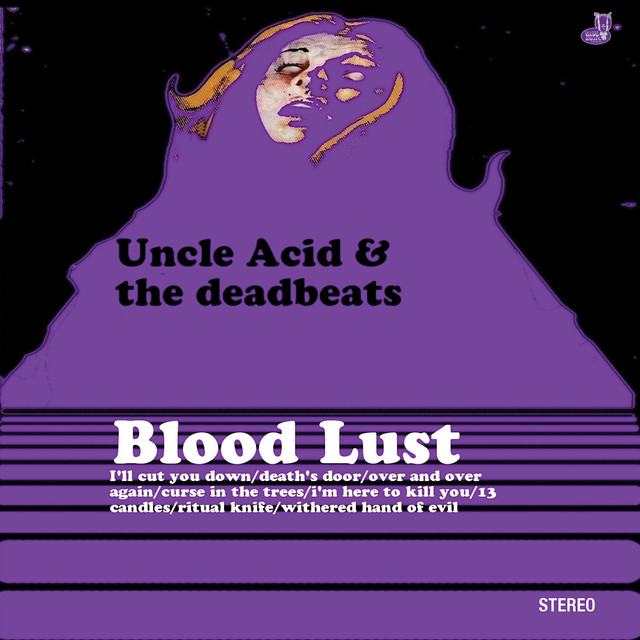
Blood Lust
2011
Listen
2
/5
Genres
Traditional Doom Metal
Traditional doom metal is the classic, Sabbath-rooted branch of doom that emphasizes weight, atmosphere, and repetition over speed or technical display. Its signatures are a monotonous and heavy playing style; repetitive, rough, and sometimes atonal guitar riffs; a "rocking to sleep" bass that locks to the guitar; and an unhurried, often swung or lurching drum feel. The harmony leans on minor pentatonic and Aeolian modes, with frequent tritone (flat‑5) colors and bluesy bends, drawing clear influence from both Blues Rock and Psychedelic Rock. Vocals are typically clean, plaintive, and dramatic—ranging from haunted croons to wailing laments—paired with lyrics about dread, mortality, esotericism, and the occult. Production tends to chase vintage warmth: tube amps, saturated fuzz, roomy drums, and organic reverb to let slow riffs breathe and brood.
Discover
Listen
Occult Rock
Occult rock is a dark, vintage-leaning strain of hard and psychedelic rock that centers on esoteric, witchcraft, and ceremonial themes. It pairs heavy, riff-led songwriting with theatrical vocals and ritualistic imagery—candles, robes, sigils—evoking a sense of mystery and forbidden knowledge. Musically it draws on late-1960s/early-1970s hard rock and acid-drenched psychedelia: overdriven guitars, warm tube tones, analog organs (Hammond, Mellotron), fuzz bass, and dry, punchy drums. Songs are typically mid‑tempo, minor‑key, and hooky, favoring modal turns (Aeolian, Phrygian) and occasional tritone or chromatic color to heighten the ominous atmosphere. Lyrically, it references grimoires, folklore, and occult philosophy, often balancing narrative storytelling with chant-like choruses. Modern revivals preserve the 70s aesthetic—tape-saturated mixes and retro gear—while refining arrangements and production for contemporary audiences.
Discover
Listen
Doom Metal
Doom metal is a heavy metal subgenre defined by slow to mid-tempo grooves, down-tuned, highly distorted guitars, and an atmosphere of dread, melancholy, and weight. It emphasizes ominous, minor-key riffs and sustained tones over speed or virtuosity, creating a crushing sense of space and inevitability. Vocals range from plaintive and theatrical (epic/traditional doom) to anguished wails or harsh growls (death-doom), and lyrics often explore themes of suffering, mortality, the occult, apocalyptic visions, and existential despair. Song structures are typically riff-centric and long-form, with repetition and gradual dynamic shifts producing a hypnotic, ritualistic feel.
Discover
Listen
Heavy Psych
Heavy psych is a louder, denser offshoot of late‑1960s psychedelic rock characterized by fuzz‑soaked guitar tones, wah‑drenched solos, thunderous drums, and a visceral low‑end. It takes the exploratory jams and mind‑bending studio tricks of psychedelia and pushes them toward proto‑metal weight and volume. Musically, it leans on blues‑based riffs, pentatonic and modal improvisation (especially Dorian and Mixolydian), droning vamps, and feedback‑saturated climaxes. Production often favors analog saturation, tape echo, phasing, and other period effects that magnify a sense of heady, cosmic intensity. The result is a sound that bridges psychedelic freedom and hard rock punch—music that feels both trippy and physically overwhelming, laying essential groundwork for heavy metal, stoner rock/metal, doom, and space rock.
Discover
Listen
Similar albums
1986
Epicus Doomicus Metallicus
Candlemass
1987
Nightfall
Candlemass
2012
Blood Lust
Uncle Acid & The Deadbeats
1993
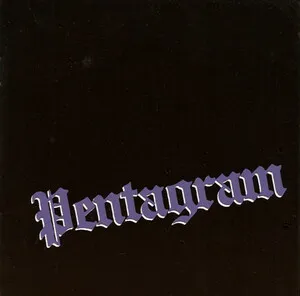
Pentagram
Pentagram
1989
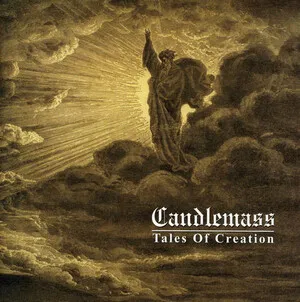
Tales of Creation
Candlemass
1986
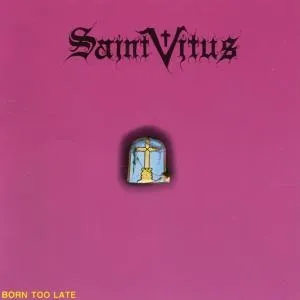
Born Too Late
Saint Vitus
1988
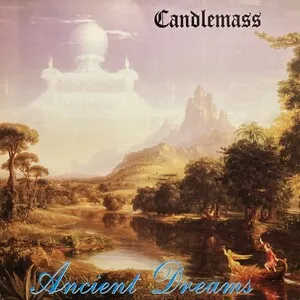
Ancient Dreams
Candlemass
1991
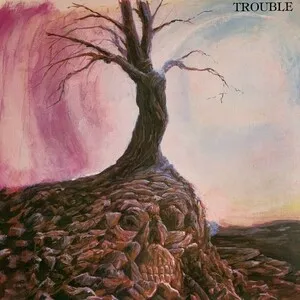
Trouble
Trouble
1984
Saint Vitus
Saint Vitus
1991
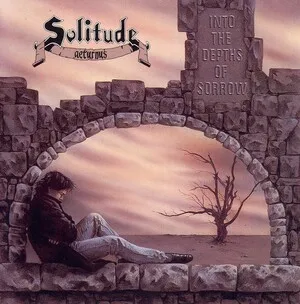
Into the Depths of Sorrow
Solitude Aeturnus
Download our mobile app
Get the Melodigging app and start digging for new genres on the go
Download on the App Store
Get it on Google Play
© 2026 Melodigging
Give feedback
Legal
Melodding was created as a tribute to
Every Noise at Once
, which inspired us to help curious minds keep digging into music's ever-evolving genres.