Genres
Artists
Albums
Make Music
Sign in
Sign in
Artists
Krautrock
Artists
Krautrock
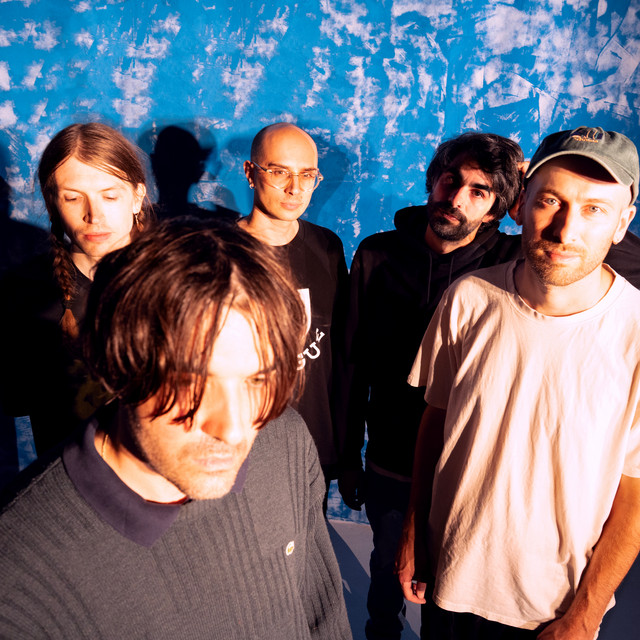
Ulrika Spacek
2025
·
1 album
Listen
2
/5
Genres
Indie Dream Pop
Indie dream pop blends the hazy, reverb-heavy atmospheres of classic dream pop with the songwriting sensibilities and DIY production ethos of indie music. Typical tracks feature soft, breathy vocals floating over lush guitar textures, analog-leaning synth pads, and understated drum grooves. The sound privileges mood and texture—chorus- and delay-washed guitars, shimmering synths, and gauzy reverbs—while keeping melodies tuneful and intimate. Compared with 1980s dream pop, the "indie" strand leans more on bedroom production, compact song forms, and approachable hooks. Lyrically, themes often center on memory, longing, youth, and small emotional details, delivered in a close-mic, confessional style. The overall aesthetic is nocturnal, nostalgic, and gently hypnotic.
Discover
Listen
Windmill Scene
The Windmill scene refers to the cluster of experimental indie, post‑punk, and art‑rock bands that coalesced around The Windmill pub venue in Brixton, South London. Emerging in the late 2010s, the scene is characterized by knotty rhythms, angular guitars, spoken‑sung or declamatory vocals, and frequent use of saxophone, violin, and synths. Bands associated with the scene blend post‑punk urgency with avant‑prog ambition, no wave abrasion, and jazz-informed spontaneity, often favoring raw, live‑in‑the‑room production aesthetics. Lyrically, the scene leans toward sardonic social observation, surreal storytelling, and metropolitan anxiety, while performances emphasize high energy, improvisational turns, and dynamic contrasts.
Discover
Listen
Modern Jangle Pop
Modern jangle pop is a contemporary revival of the classic jangle sound, built around clean, chiming, and often lightly compressed single‑coil or 12‑string guitar tones that articulate bright arpeggios and strummed eighth‑notes. It blends the melodic immediacy and hook craft of indie pop and power pop with the wistful, literate sensibility of C86 and college‑rock, frequently favoring concise song forms, melodic basslines, and tight, propulsive rhythms over heaviness. Compared to its 1980s forebears, modern jangle pop often incorporates subtle dream‑pop shimmer, tasteful reverb, and a polished yet intimate production aesthetic associated with contemporary indie. Lyrically it leans bittersweet and nostalgic, framing everyday moments, fleeting romance, and young‑adult anxieties in tuneful, singable choruses.
Discover
Listen
Reading Indie
Reading indie refers to the contemporary indie-rock and indie-pop scene centered on Reading, Berkshire (UK). It blends jangly and driving guitar textures with anthemic choruses and a distinctly British melodic sensibility. The sound often sits between post-punk revival bite, festival-ready alternative rock, and (via local history) shoegaze shimmer. Songs balance energetic, danceable rhythms with bittersweet, small‑town storytelling and youthful urgency, making the style travel well from clubs to big outdoor stages.
Discover
Listen
Channel Pop
Channel pop is a digital-era strain of mainstream pop shaped by video and creator platforms—especially YouTube and later TikTok and Instagram—where artists build audiences through frequent uploads on their own “channels.” Musically it favors intimate, highly polished but close-mic’d vocals, acoustic guitar or piano-led arrangements, restrained beats, and succinct, playlist-friendly structures. Many releases are cover-first (reimagining recent chart hits) with a steady flow of glossy singles, session-style performances, and creator collaborations that gradually blend into original material. Titles, artwork, and release cadence are optimized for search and recommendation algorithms, yielding a sound that is simultaneously personal and platform-aware.
Discover
Listen
Post-Rock
Post-rock is a style that uses traditional rock instrumentation—guitars, bass, drums, and often piano or strings—to create expansive textures, evolving soundscapes, and dynamic arcs rather than conventional verse–chorus songs. It emphasizes timbre, atmosphere, and gradual development: clean or lightly overdriven guitars drenched in delay and reverb, cyclical ostinatos, layered crescendos, and pronounced quiet–loud dynamics. Vocals, if present, are often sparse, wordless, or treated as another textural layer. The genre draws heavily from ambient, minimalism, krautrock, progressive and space rock, shoegaze, noise rock, and experimental practices, yielding music that can feel cinematic, contemplative, and emotionally cathartic.
Discover
Listen
Alternative Rock
Alternative rock is a broad umbrella for guitar-based rock that emerged from the independent and college-radio scenes as a counterpoint to mainstream, commercial rock. It blends the energy and ethos of punk with the textural and songwriting experiments of post-punk, new wave, jangle pop, and noise rock, often foregrounding introspective or socially aware lyrics. Across its many strains—from the melodic minimalism of college rock to the loud-quiet-loud dynamics of grunge and the artful experimentation of Radiohead-era modernism—alternative rock prioritizes authenticity, sonic individuality, and a do-it-yourself approach. Its sound ranges from chiming, chorus-laden clean guitars to abrasive distortion and feedback, supported by straightforward rock rhythms or off-kilter grooves, and production that can be either raw and live-sounding or polished yet unconventional.
Discover
Listen
Dream Pop
Dream pop is a subgenre of alternative and indie rock that emphasizes atmosphere, texture, and mood over traditional rock dynamics. It is characterized by shimmering, reverb-laden guitars, soft and often breathy vocals, steady but subdued rhythms, and lush harmonic beds created with chorus, delay, and ambient-style processing. Rather than building around riffs or virtuosity, dream pop prioritizes hypnotic repetition, impressionistic lyrics, and a sense of weightless drift, frequently drawing on neo-psychedelia and ambient aesthetics. Its canonical sound coalesced in the mid-1980s (especially around the 4AD label), and later intersected with and helped seed shoegaze and many subsequent bedroom- and internet-era pop styles.
Discover
Listen
Indie Rock
Indie rock is a subgenre of rock and a branch of alternative rock that coalesced in the early–mid 1980s around independent labels and DIY practices in the United Kingdom, the United States, and New Zealand. Defined less by a single sound than by an ethos, indie rock favors non‑mainstream approaches, self‑recording and small‑label distribution, and an interest in pop‑informed melody and eclectic experimentation. Hallmarks include jangly or fuzzed guitars, intimate or deadpan vocals, off‑kilter song structures, and production that often preserves a raw, “authentic” feel rather than glossy studio polish.
Discover
Listen
Neo-Psychedelia
Neo-psychedelia is a late-20th-century revival and reinvention of 1960s psychedelic music aesthetics, filtered through post-punk, indie, and experimental sensibilities. It emphasizes hypnotic textures, droning guitars, heavy use of effects (reverb, delay, phasing), analogue organs/synths, and dreamlike or surreal lyricism. Rhythms may draw from motorik and other steady, trance-inducing grooves, while harmony often favors modal colors and repetitive vamps. The style ranges from jangly, melodic songs to dense, feedback-laden soundscapes, and has been highly influential on dream pop, shoegaze, Britpop-adjacent scenes, and modern psych rock.
Discover
Listen
Krautrock
Krautrock is an experimental form of rock that emerged in late-1960s West Germany, characterized by hypnotic repetition, long-form structures, and a forward-looking embrace of electronics and studio experimentation. It typically features a steady, driving 4/4 “motorik” beat, circular bass ostinatos, sparse harmonic movement, and textural layering that draws from minimalism, free improvisation, and avant-garde composition. Rather than virtuosic solos, the emphasis is on collective groove, trance-inducing momentum, and timbral exploration. The sound ranges from raw, percussive jams to spacious, cosmic electronics, often eschewing conventional Anglo-American blues forms in favor of a distinctly European modernist aesthetic.
Discover
Listen
Space Rock
Space rock is a psychedelic branch of rock characterized by long-form, hypnotic grooves, swirling guitars awash in delay and reverb, and prominent analog synthesizers that evoke cosmic or interstellar imagery. The music often emphasizes texture and atmosphere over conventional song structures, creating expansive soundscapes that feel weightless and otherworldly. Emerging in late-1960s Britain from the overlap of psychedelic rock, early progressive rock, and experimental electronics, space rock frequently employs motorik-leaning rhythms, modal or drone-based harmony, and science-fiction themes. Extended improvisations, phased and fuzz-drenched timbres, and tape or echo effects are common, encouraging a sense of forward drift and cosmic exploration.
Discover
Listen
Show all 12 genres
Albums
2025
1
/5
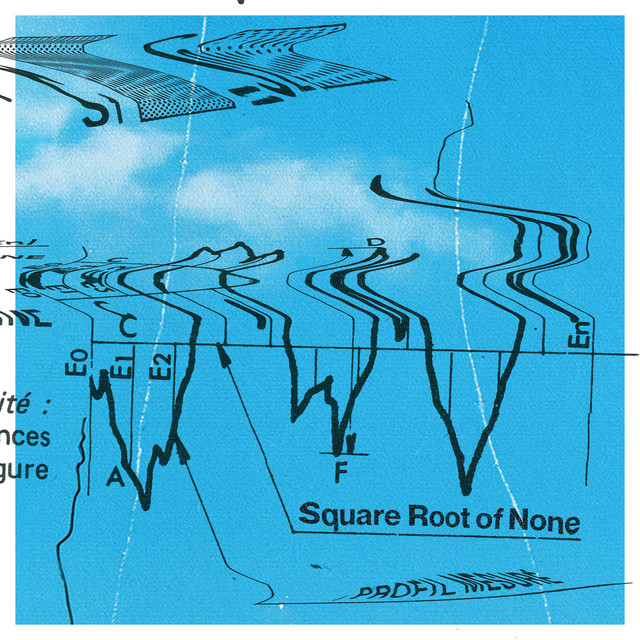
Square Root of None
Ulrika Spacek
Krautrock
Space Rock
Similar artists
4
/5
MGMT
Indie Rock
Neo-Psychedelia
Psychedelic Pop
3
/5
Kikagaku Moyo
Krautrock
Psychedelic Rock
Rock
3
/5
Dummy
Neo-Kraut
Krautrock
Indie Dream Pop
2
/5
Ozric Tentacles
Jam Band
Space Rock
Livetronica
2
/5
Moon Duo
Neo-Kraut
Krautrock
Neo-Psychedelia
2
/5
Steve Hillage
Space Rock
Canterbury Scene
Acid Rock
3
/5
Stereolab
Experimental Rock
No Wave
Post-Rock
3
/5
SLIFT
Space Rock
Sludge Metal
Stoner Metal
5
/5
Tame Impala
Psychedelic Pop
Indie
Neo-Psychedelia
5
/5
Gorillaz
Alternative Hip Hop
Electronic
Modern Rock
Download our mobile app
Get the Melodigging app and start digging for new genres on the go
Download on the App Store
Get it on Google Play
© 2026 Melodigging
Give feedback
Legal
Melodding was created as a tribute to
Every Noise at Once
, which inspired us to help curious minds keep digging into music's ever-evolving genres.