Genres
Artists
Albums
Make Music
Sign in
Sign in
Artists
Idm
Artists
Idm
TRS-80
2006
·
1 album
Listen
1
/5
Genres
Synthwave
Synthwave is a retro-futurist electronic genre that revives and reimagines the sound, texture, and visual culture of 1980s film scores, television themes, arcade games, and synth-pop. Characterized by analog-style synthesizers, arpeggiated basslines, neon-soaked melodies, and gated-reverb drums, it blends nostalgia with cinematic drama. Substyles include the uplifting, driving "outrun" sound, the softer and romantic "dreamwave/chillsynth," and the heavier, horror-tinged "darksynth." Typical sound palettes reference instruments like the Roland Juno series, Yamaha DX7, Oberheim and Prophet polysynths, with drum machines such as the LinnDrum, TR-707, and 909 (or their modern emulations).
Discover
Listen
Idm
IDM (often expanded as "Intelligent Dance Music") is a strand of experimental electronic music that applies the sound palette and production methods of club genres to listening-focused, often home-oriented works. It favors intricate rhythm programming, unusual time signatures, and richly textured sound design, blending ambient atmospheres with techno’s pulse, electro’s syncopation, and breakbeat’s fragmentation. The music often de-emphasizes the dancefloor in favor of headphone detail, algorithmic structure, and timbral exploration. The term itself is contentious—many artists rejected the "intelligent" label—yet it became a convenient tag for the early- to mid‑1990s cluster of Warp, Rephlex, and related scenes that foregrounded complexity, abstraction, and emotional ambiguity.
Discover
Listen
Nu Skool Breaks
Nu skool breaks (often shortened to "nu breaks") is a late-1990s/early-2000s evolution of breakbeat that emphasizes tight, futuristic sound design, heavy sub-bass, and punchy, syncopated drum programming. Compared to big beat’s sample-heavy, rock-influenced swagger, nu skool breaks is cleaner, more club-focused, and more tech-driven. Tracks typically run around 125–135 BPM, feature rolling breakbeats and crisp percussion, and blend influences from techno, electro, house, hip hop, and Miami/Florida breaks. The result is dancefloor-primed music with a strong low-end, sculpted midrange, and sleek, modern aesthetics. Key labels and nights—such as Marine Parade, Finger Lickin’, TCR (Thursday Club Recordings), and Botchit & Scarper—helped codify the sound and push it globally during its peak in the early 2000s.
Discover
Listen
Downtempo
Downtempo is a mellow, groove-oriented branch of electronic music characterized by slower tempos, plush textures, and a focus on atmosphere over dancefloor intensity. Typical tempos range from about 60–110 BPM, with swung or laid-back rhythms, dub-informed basslines, and warm, jazz-tinged harmonies. Stylistically, it blends the spaciousness of ambient, the head-nodding rhythms of hip hop and breakbeat, and the cosmopolitan smoothness of lounge and acid jazz. Producers often use sampled drums, Rhodes or Wurlitzer electric pianos, guitar licks with delay, and field recordings to create intimate, cinematic soundscapes. The mood spans from soulful and romantic to introspective and dusk-lit, making it a staple of after-hours listening, cafes, and relaxed club back rooms.
Discover
Listen
Breakbeat
Breakbeat is a broad branch of electronic music defined by its use of broken, syncopated drum patterns ("breakbeats") rather than straight four-on-the-floor rhythms. Producers typically build tracks from looped and chopped drum breaks—often sampled from vintage funk, jazz, and R&B recordings—layered with basslines, synths, and effects. As both a production technique and a stylistic umbrella, breakbeat underpins and intersects with many scenes: from old‑school hip‑hop turntablism and electro to the UK rave continuum (breakbeat hardcore, big beat, Florida breaks) and onward to garage-derived styles. While not synonymous with jungle and drum & bass, the same culture of sampling and chopping classic breaks (e.g., the Amen break) helped inform those genres as well.
Discover
Listen
Synthesizer
Synthesizer (as a genre tag) refers to music that foregrounds the electronic synthesizer as the primary sound source, celebrating timbre design, sequenced patterns, and the tactile possibilities of analog and digital electronics. It spans from early modular explorations and Moog/Buchla demonstrations to Berlin School sequences, space-age textures, and virtuosic keyboard reinterpretations of classical and popular repertoire. Emphasis is placed on sound design (oscillators, filters, envelopes, modulation), repeating motifs, and textural development, often with minimal lyrics or none at all. While the instrument is used across countless styles, the "synthesizer" category highlights works where the identity, techniques, and sonorities of the synth itself are the core aesthetic focus.
Discover
Listen
Avant-Garde
Avant-garde music is an umbrella term for boundary-pushing practices that challenge prevailing norms of harmony, rhythm, timbre, form, and performance. It privileges experimentation, conceptual rigor, and a willingness to reframe what counts as music at all. Historically tied to early 20th‑century artistic modernism, avant-garde music introduced atonality, the emancipation of noise, and new forms of notation and process. It embraces indeterminacy, extended techniques, electronics, spatialization, and multimedia performance, treating sound as material to be sculpted, questioned, and reinvented.
Discover
Listen
Instrumental
Instrumental is music created and performed without sung lyrics, placing the expressive weight on melody, rhythm, harmony, and timbre produced by instruments. As an umbrella practice it appears in many cultures, but its modern identity cohered in Baroque-era Europe when purely instrumental forms such as the sonata, concerto, and dance suites began to flourish. Since then, instrumental thinking—developing motives, structuring form without text, and showcasing timbral contrast—has informed everything from orchestral music and solo piano repertoire to post-rock, film scores, and beat-driven electronic styles. Instrumental works can be intimate (solo or chamber) or expansive (full orchestra), narrative (programmatic) or abstract (absolute music). The absence of lyrics invites listeners to project imagery and emotion, making the style a natural fit for cinema, games, and contemplative listening.
Discover
Listen
Show all 8 genres
Albums
2006
1
/5
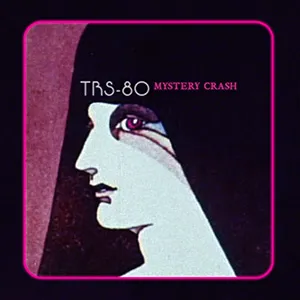
Mystery Crash
TRS-80
Nu Skool Breaks
Similar artists
1
/5
Various Artists
Afro-Funk
Alternative Rock
Ambient
1
/5
Air Max '97
Avant-Garde
Breakbeat
Experimental
2
/5
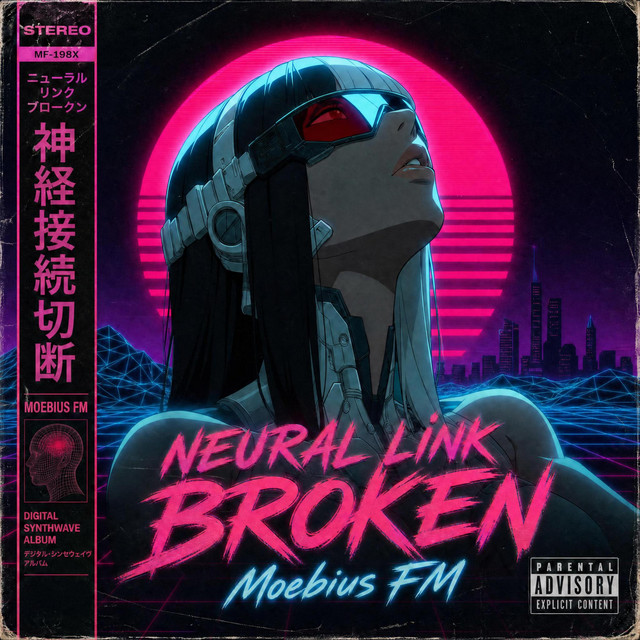
Moebius FM
Chillwave
Idm
Synthwave
2
/5
MALO
Ai
Cinematic Dubstep
Dark Wave
1
/5
Mlada Fronta
Dark Ambient
Ebm
Idm
3
/5
Tipper
Nu Skool Breaks
Downtempo
Idm
4
/5
Aphex Twin
Braindance
Idm
Ambient
3
/5
Orbital
Breakbeat
Idm
Electronic
3
/5
Lone
Downtempo
Electronic
Idm
3
/5
DjRUM
Post-Dubstep
Breakbeat
Dub Techno
Download our mobile app
Get the Melodigging app and start digging for new genres on the go
Download on the App Store
Get it on Google Play
© 2026 Melodigging
Give feedback
Legal
Melodding was created as a tribute to
Every Noise at Once
, which inspired us to help curious minds keep digging into music's ever-evolving genres.