Genres
Artists
Albums
Make Music
Sign in
Sign in
Artists
Breakbeat
Artists
Breakbeat
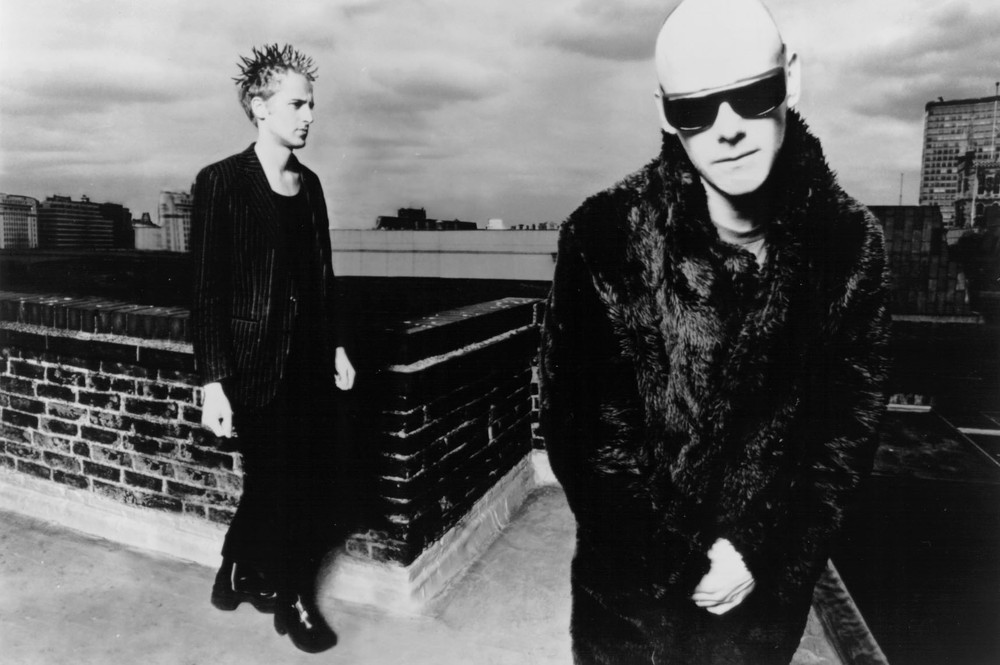
Orbital
1991–1999
·
4 albums
Listen
3
/5
Genres
Chill Drill
Chill drill is a mellow, melodic offshoot of UK drill that keeps the style’s distinctive sliding 808s, syncopated hi-hats, and snare-on-3 placement, but softens the overall timbre and mood. Instead of ominous synths and harsh textures, it leans on airy pads, Rhodes pianos, gentle guitar loops, and lo‑fi ambience. Vocals tend to be more introspective and tuneful, with sing-rap hooks, laid-back cadences, and reflective lyric themes (romance, ambition, day-to-day life). The result bridges drill’s rhythmic identity with chillhop and lo‑fi hip hop’s relaxed atmosphere, creating tracks that are both groove-driven and easy to live with.
Discover
Listen
Edm
EDM (Electronic Dance Music) refers to the mainstream, festival-oriented wave of electronic dance styles that rose to global prominence in the early 2010s. It emphasizes high-energy drops, ear-catching toplines, and crowd-pleasing arrangements designed for large stages and mass audiences. Musically, EDM typically sits around 124–130 BPM with a strong four-on-the-floor kick, wide supersaw leads, bright plucks, and heavily sidechained pads and basses for a pumping feel. Tracks are structured around tension-and-release: intros and builds lead to explosive drops, followed by breakdowns that rebuild energy. Vocals and pop-style songwriting frequently appear, enabling crossover success on radio and streaming platforms.
Discover
Listen
Indian Indie
Indian indie is the umbrella for independent, non-film music made in India across languages such as Hindi, English, and numerous regional tongues. It is defined more by its DIY production and artist-led release model than by a single sound. Musically, it spans indie pop and rock, folk-fusion, singer‑songwriter ballads, dream‑pop/shoegaze textures, and electronic‑leaning productions. Artists often blend Western harmony and song forms with raga‑tinged melodies, Indian rhythmic feels, and occasional use of traditional instruments like tabla, bansuri, or sitar. The scene grew rapidly with college festivals, small venues, and digital platforms (YouTube, streaming services, Bandcamp), plus boutique labels and festivals such as NH7 Weekender that created national visibility. Lyrically, it tends to be intimate and contemporary—touching on romance, urban life, identity, and nostalgia—while maintaining accessible hooks and warm, organic sonics.
Discover
Listen
Wonky Techno
Wonky techno is a strain of techno that borrows the off‑kilter swing, lurching syncopations, and pitch‑wobbled sound design of “wonky” and UK bass, then grafts them onto techno’s hypnotic structures. Instead of straight four‑on‑the‑floor, it leans on broken, asymmetrical drum programming, micro‑timing nudges, and rubbery low‑end, creating grooves that feel simultaneously club‑functional and crooked. The palette often includes detuned or FM‑rich synths, percussive stabs filtered through dub‑techno space, and restless modulation that keeps the grid feeling fluid and unstable. The result is techno that moves bodies while constantly unbalancing the listener’s inner metronome: tense, bass‑forward, textural, and rhythmically adventurous.
Discover
Listen
Chamber Psych
Chamber psych blends the intimate, acoustic instrumentation and careful arrangements of chamber pop with the hazy textures, tape-warm production, and surreal harmonies of psychedelic pop. Expect strings, woodwinds, vibraphone, Mellotron, and harpsichord to sit alongside vintage keyboards, gently motorik drums, and fluttering tape delays. Vocals are often close‑mic’d and breathy, melodies skew wistful or otherworldly, and songs privilege mood and arrangement craft over volume. The result feels simultaneously handcrafted and dreamlike: miniature orchestras scoring psychedelic reveries.
Discover
Listen
Italo Beats
Italo beats is a contemporary, club-oriented offshoot of the classic Italian Italo sound, fusing the sleek melodicism of 1980s Italo disco with the punch and polish of modern European dance music. Typical tracks feature four-on-the-floor drums, bright synth leads, rubbery basslines, and hook-forward vocals that lean into romantic or nightlife themes. Rather than being a strict historical movement, Italo beats functions as a modern production style and DJ vernacular that revives Italo’s earworm melodies and neon textures while adopting current mixdown aesthetics (sidechained pads, wider stereo imaging, and festival-ready low end). It thrives in streaming-era dance culture, uniting Italian, Central/Eastern European, and broader EU producers around a recognizable “Italo-flavored” club sound.
Discover
Listen
Lo-Fi House
Lo-fi house is a strain of house music that embraces imperfections—tape hiss, vinyl crackle, overdriven drums, and slightly detuned synths—to evoke warmth and nostalgia. It retains a classic 4/4 house pulse but softens the edges with hazy pads, subdued vocals, and wistful melodies. Emerging as an internet-driven micro–scene, the style often uses inexpensive or deliberately degraded production chains (cassette saturation, bit reduction, SP-404–style resampling) to achieve its character. The result is dance music that feels intimate and bedroom-made, equally suited to small dancefloors and solitary late-night listening.
Discover
Listen
Outsider House
Outsider house is a strain of house music that embraces lo‑fi production, raw textures, and a DIY ethos. Instead of the sleek, club‑polished sound of mainstream house, it foregrounds tape hiss, distortion, and gritty machine funk to create a hazy, intimate atmosphere. Often associated with early‑2010s labels and scenes that prized hardware jams and cassette aesthetics, outsider house sits at the fringes of house and techno while retaining steady 4/4 rhythms for dancefloor use. Tracks tend to be hypnotic and repetitive, with detuned pads, muffled drums, and understated basslines that feel both nostalgic and nocturnal.
Discover
Listen
Uk Jackin
UK jackin is a bass-forward strain of house and UK garage that emerged in the UK during the early 2010s. It blends the swing and shuffle of garage with the chunky, percussive drive of house, emphasizing rubbery low‑end riffs, organ stabs, and chopped R&B or soul vocals. Compared with classic Chicago jackin’ house, the UK variant is darker and punchier, drawing heavily from bassline and UK bass aesthetics. Tracks typically sit around 124–130 BPM, use swung drums and syncopated bass patterns, and are arranged with DJ‑friendly intros, tension‑building breakdowns, and emphatic drops.
Discover
Listen
Neo-Grime
Neo-grime is a modern, experimental mutation of grime that retools the icy, 140 BPM template with contemporary sound design, skeletal rhythms, and a focus on atmosphere as much as impact. Where classic grime emphasized MC-led bangers and rough-and-ready club functionality, neo-grime often privileges instrumental detail, negative space, and futuristic textures—glassine pads, sub‑heavy bass, and detuned square-wave leads—while still retaining grime’s stark drum language and UK underground swagger. The result is a style that can swing between weightless ambience and steel-edged percussion, equally at home in forward-thinking club nights and headphone listening.
Discover
Listen
Seapunk
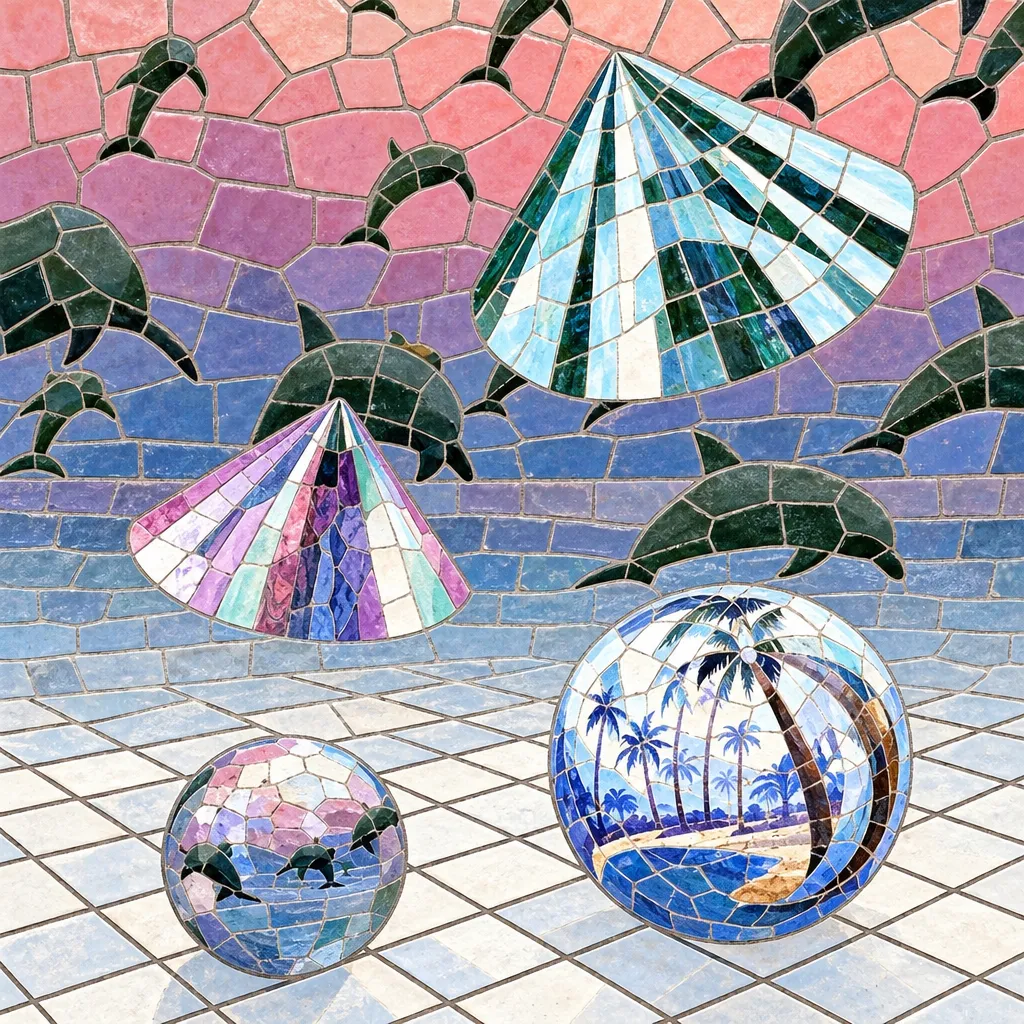
Seapunk is an early-2010s internet-born microgenre and multimedia aesthetic that fuses retro-rave sonics with Y2K-era, ocean-themed visuals. Its sound blends 1990s house and trance riffs, chopped-and-screwed and vaporwave-adjacent sampling, splashy 808/909 drums, and glossy, “watery” synth textures. The visual world is as important as the music: turquoise/teal palettes, 3D chrome dolphins, coral gradients, pixel seas, and GIF-era net art. Together, these define a playful, nostalgic, and cyber-aquatic identity that celebrates both rave euphoria and web-native DIY culture.
Discover
Listen
Idm
IDM (often expanded as "Intelligent Dance Music") is a strand of experimental electronic music that applies the sound palette and production methods of club genres to listening-focused, often home-oriented works. It favors intricate rhythm programming, unusual time signatures, and richly textured sound design, blending ambient atmospheres with techno’s pulse, electro’s syncopation, and breakbeat’s fragmentation. The music often de-emphasizes the dancefloor in favor of headphone detail, algorithmic structure, and timbral exploration. The term itself is contentious—many artists rejected the "intelligent" label—yet it became a convenient tag for the early- to mid‑1990s cluster of Warp, Rephlex, and related scenes that foregrounded complexity, abstraction, and emotional ambiguity.
Discover
Listen
Ambient Techno
Ambient techno blends the spacious, atmospheric qualities of ambient music with the pulse and structure of techno. It favors subtle four-on-the-floor rhythms, soft-edged percussion, and long-evolving pads and drones over aggressive beats or hooks. Tracks typically unfold slowly across extended lengths, privileging texture, timbre, and psychoacoustic space. The bass is warm and rounded, delays and reverbs are dubby, and harmonic movement is minimal or modal, creating a hypnotic, contemplative flow suited to both attentive listening and late-night dancefloors. Compared with ambient house, ambient techno tends to be more austere and less pop-sample oriented; compared with dub techno, it is often less explicitly rooted in reggae-derived rhythms and may embrace more beatless passages.
Discover
Listen
Electronica
Electronica is a broad, largely 1990s umbrella term for a spectrum of electronic music crafted as much for immersive, album‑oriented listening as for clubs and raves. It gathers elements from techno, house, ambient, breakbeat, IDM, and hip hop production, emphasizing synthesizers, drum machines, samplers, and studio experimentation. The sound can range from downtempo and atmospheric to hard‑hitting and breakbeat‑driven, but it typically foregrounds sound design, texture, and mood over strict dance‑floor utility. In the mid‑to‑late 1990s the term was used by labels and press—especially in the United States—to market and introduce diverse electronic acts to mainstream rock and pop audiences.
Discover
Listen
Big Beat
Big beat is a high-energy style of electronic dance music built around heavy, looped breakbeats, overdriven drums, and bold, riff-driven hooks. It typically blends hip hop sampling techniques with the attitude and instrumentation of rock, creating an immediately impactful, party-focused sound. Characterized by distorted basslines, chunky drum breaks, sirens, vocal shouts, and funk or rock samples, big beat favors maximalist, crowd-pleasing arrangements. It rose to mainstream prominence in the mid-to-late 1990s through UK acts who popularized it in clubs, on radio, and via music videos that emphasized its unruly, fun-loving aesthetic.
Discover
Listen
Progressive Breaks
Progressive breaks is a melodic, atmospheric branch of breakbeat that applies the long-form arrangement, harmonic richness, and textural detail of progressive house and progressive trance to syncopated breakbeat rhythms. Typically in the 125–135 BPM range, it features wide stereo pads, evolving arpeggios, deep and warm basslines, and patient, DJ‑friendly builds. Rather than the raw, ravey edge of classic breaks or the gnarlier energy of nu skool breaks, progressive breaks prefers cinematic sound design, modal harmonies, and gradual tension-and-release across extended arrangements. The result is dancefloor music that feels transportive and emotive: rolling break patterns underpin soaring chords and motifs, with motifs introduced, developed, and recontextualized over many minutes.
Discover
Listen
Techno
Techno is a four-on-the-floor, machine-driven form of electronic dance music that emerged in mid-to-late 1980s Detroit. It is characterized by steady 4/4 kick drums, repetitive and hypnotic rhythmic patterns, synthetic timbres, and an emphasis on texture, groove, and forward momentum over elaborate harmony. Producers typically use drum machines, sequencers, and synthesizers to build layered percussion, pulsing basslines, and evolving motifs. While often dark and minimalistic, techno spans a wide spectrum—from soulful, futuristic Detroit aesthetics to hard, industrially tinged European strains—yet it consistently prioritizes kinetic energy for dancefloors and a sense of machine futurism.
Discover
Listen
Acid House
Acid house is a subgenre of house music defined by the squelching, modulated basslines of the Roland TB-303 bass synthesizer-sequencer, typically set against a steady 4/4 drum pattern. It emerged in the mid-1980s club culture of Chicago, with formative 303 experiments credited to artists like Phuture and Sleezy D around 1986, and parallel early-1980s experiments occasionally cited in Mumbai’s nascent electronic scene. The style emphasizes hypnotic repetition, filter resonance, accent/slide programming, and minimalist arrangements that build intensity through real-time knob-tweaking rather than harmonic complexity.
Discover
Listen
Bleep Techno
Bleep techno (often called "bleep & bass") is a sparse, bass‑heavy strain of early UK techno that emerged in northern England at the turn of the 1990s. It is defined by ultra‑deep sub‑bass inspired by dub reggae sound systems, clean and punchy 808/909 drum programming, and distinctive short "bleep" motifs made from simple waveforms (sine or square). Tempos typically sit around 120–125 BPM, with plenty of negative space, precise quantization, and minimal harmonic content. The style fuses Detroit techno’s futurism with British soundsystem culture, yielding a cool, minimal, machine‑funk aesthetic designed to move large rooms with physical low‑end rather than dense arrangements.
Discover
Listen
Breakbeat
Breakbeat is a broad branch of electronic music defined by its use of broken, syncopated drum patterns ("breakbeats") rather than straight four-on-the-floor rhythms. Producers typically build tracks from looped and chopped drum breaks—often sampled from vintage funk, jazz, and R&B recordings—layered with basslines, synths, and effects. As both a production technique and a stylistic umbrella, breakbeat underpins and intersects with many scenes: from old‑school hip‑hop turntablism and electro to the UK rave continuum (breakbeat hardcore, big beat, Florida breaks) and onward to garage-derived styles. While not synonymous with jungle and drum & bass, the same culture of sampling and chopping classic breaks (e.g., the Amen break) helped inform those genres as well.
Discover
Listen
Electronic
Electronic is a broad umbrella genre defined by the primary use of electronically generated or electronically processed sound. It encompasses music made with synthesizers, drum machines, samplers, computers, and studio/tape techniques, as well as electroacoustic manipulation of recorded or synthetic sources. The genre ranges from academic and experimental traditions to popular and dance-oriented forms. While its sonic palette is rooted in electricity and circuitry, its aesthetics span minimal and textural explorations, structured song forms, and beat-driven club permutations. Electronic emphasizes sound design, timbre, and studio-as-instrument practices as much as melody and harmony.
Discover
Listen
Show all 21 genres
Albums
1999
2
/5
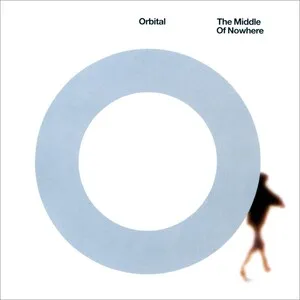
The Middle of Nowhere
Orbital
Progressive Breaks
Breakbeat
Electronic
1996
3
/5
In Sides
Orbital
Ambient Techno
Techno
Idm
1993
3
/5
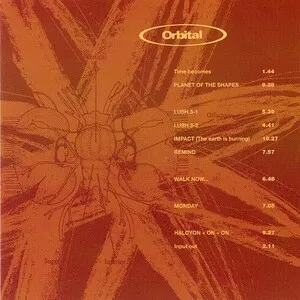
Orbital [Brown Album]
Orbital
Techno
Edm
Ambient Techno
1991
3
/5
Orbital [Green Album]
Orbital
Bleep Techno
Electronic
Electronica
Similar artists
4
/5
Aphex Twin
Braindance
Idm
Ambient
2
/5
Skee Mask
Ambient Dub
Breakbeat
Idm
3
/5
The Future Sound Of London
Ambient
Acid House
Ambient Techno
1
/5
Various Artists
Afro-Funk
Alternative Rock
Ambient
3
/5
Autechre
Idm
Experimental
Electronic
3
/5
Daniel Avery
Ambient Techno
Shiver Pop
Idm
3
/5
The Black Dog
Idm
Ambient Techno
Electronic
2
/5
Polygon Window
Ambient Techno
Braindance
Drill And Bass
2
/5
Special Request
Breaks
Jungle
Idm
2
/5
Fasme
Acid Idm
Electro
Electronic
Download our mobile app
Get the Melodigging app and start digging for new genres on the go
Download on the App Store
Get it on Google Play
© 2026 Melodigging
Give feedback
Legal
Melodding was created as a tribute to
Every Noise at Once
, which inspired us to help curious minds keep digging into music's ever-evolving genres.