Genres
Artists
Albums
Make Music
Sign in
Sign in
Artists
Bolero
Artists
Bolero
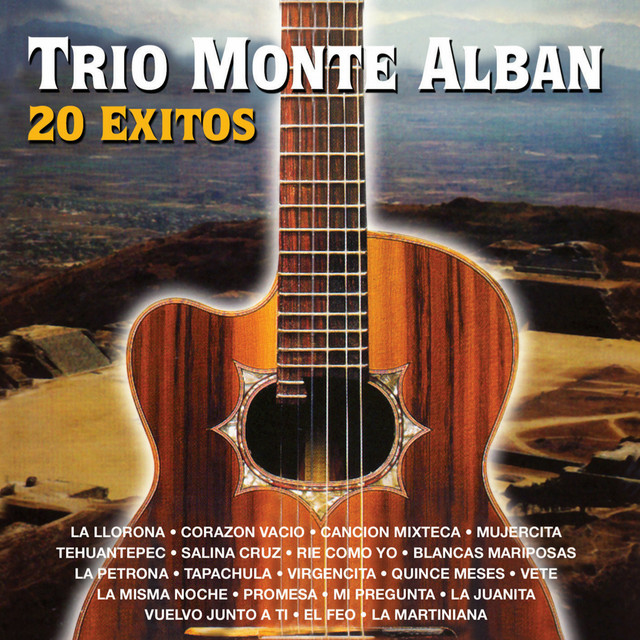
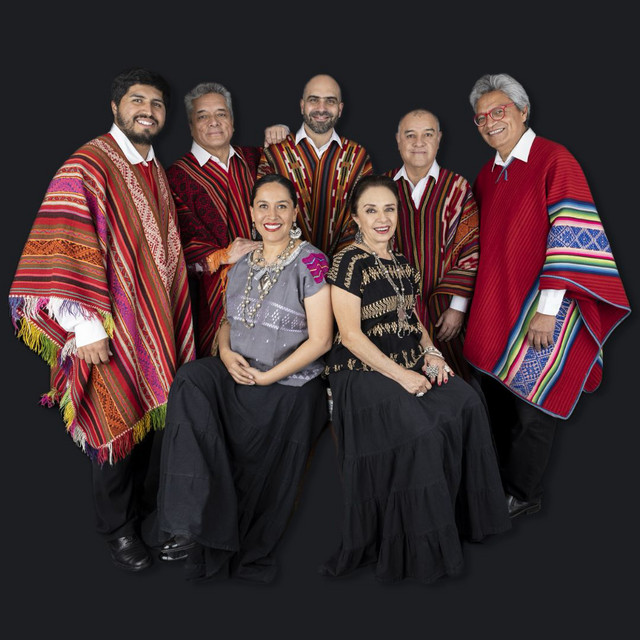
Trio Monte Alban
Listen
2
/5
Genres
Traditional Music
Traditional music is an umbrella term used in the mid–20th century by folklorists and ethnomusicologists to denote community-rooted, orally transmitted repertoires tied to social ritual, work, celebration, and storytelling. Unlike commercial pop or art-music traditions, traditional music is typically learned by ear, varies regionally, and evolves slowly through communal participation. It often features modal melodies, cyclic rhythms, heterophony or unison singing, and indigenous instruments whose timbres are integral to local identity. Lyrics tend to preserve language, history, and collective memory. While the musical practices themselves can be ancient, the phrase “traditional music” emerged to replace earlier, narrower or colonial framings like “folk” or “ethnic” music, foregrounding continuity, locality, and living practice rather than exoticism.
Discover
Listen
Bolero
Bolero is both a Spanish dance-music form from the late 18th century and, later, a Cuban song style from the late 19th century. The Spanish bolero emerged as a moderately slow solo or partner dance in 3/4 time, shaped by Andalusian song-dance traditions. It typically features guitar accompaniment and castanets, and its sung texts often follow the seguidilla stanza pattern. In Cuba, bolero evolved into a romantic ballad—most often in 2/4 (later also felt in 4/4)—performed by singers, trios, and salon ensembles. Cuban bolero emphasizes intimate, lyrical melodies, guitar-led accompaniment (often with requinto), and gentle Afro-Caribbean rhythmic undercurrents (habanera feel, soft bongo, claves), becoming one of Latin America’s quintessential love-song forms.
Discover
Listen
Son Jarocho
Son jarocho is a traditional folk music and dance style from the Sotavento region of Veracruz, Mexico, shaped by the encounter of Spanish, Indigenous, and West African cultures. It is performed at community gatherings called fandangos, where singers, dancers, and instrumentalists trade improvised verses and rhythms in a festive, call-and-response setting. Its core sound blends strummed jaranas (small, re-entrant tuned guitars), the melodic requinto jarocho played with a plectrum, and the arpa jarocha (harp), supported by percussive zapateado dancing on a wooden platform (tarima). Additional timbres come from the quijada (donkey jawbone), pandero, and marimbol (bass lamellophone). Sones such as La Bamba, El Siquisirí, El Colás, El Balajú, and El Cascabel feature hemiola (sesquiáltera) grooves that alternate between 6/8 and 3/4, décima-verse poetry, and a communal, improvisatory spirit.
Discover
Listen
Similar artists
3
/5
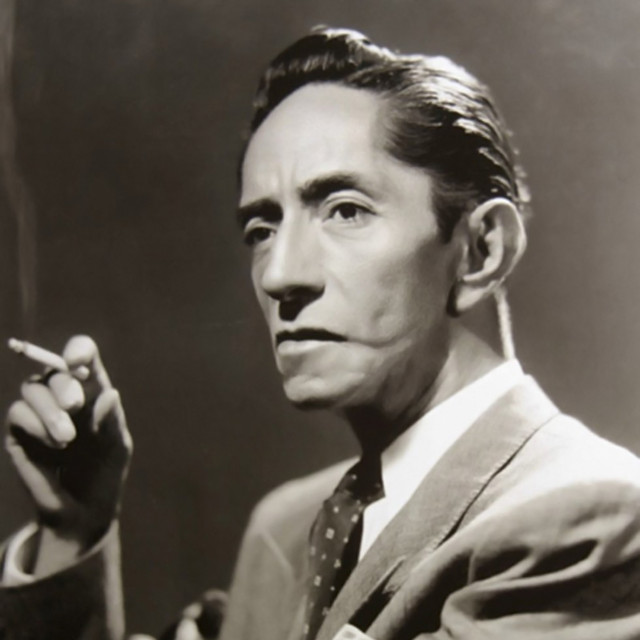
Agustín Lara
Bolero
Son Jarocho
Doble Paso
3
/5
Silva y Villalba
Bolero
Folclor Andino
Popular Colombian Music
3
/5
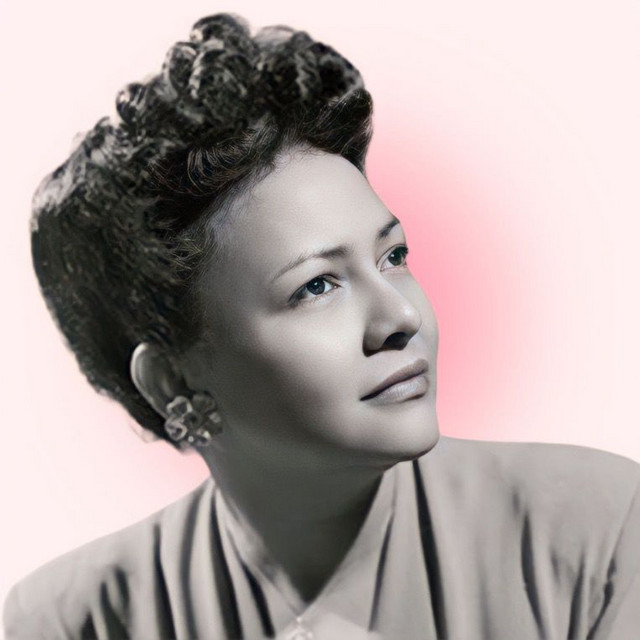
Toña La Negra
Bolero
Son Cubano
Son Jarocho
3
/5
Garzon y Collazos
Bambuco
Bolero
Popular Colombian Music
3
/5
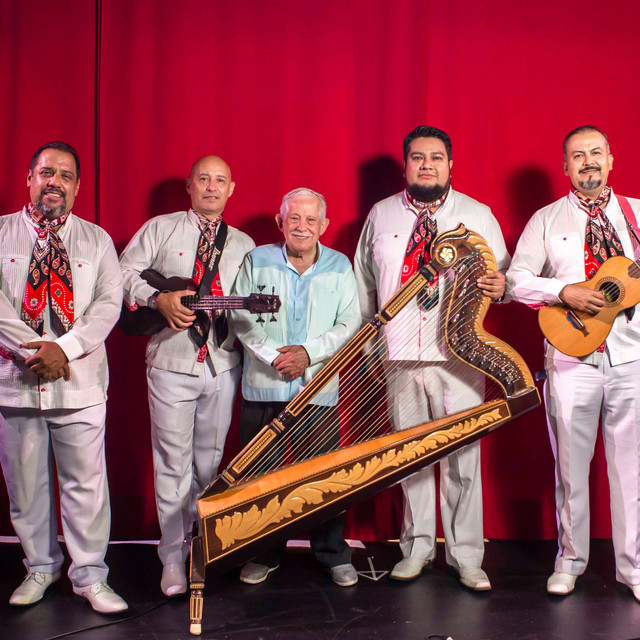
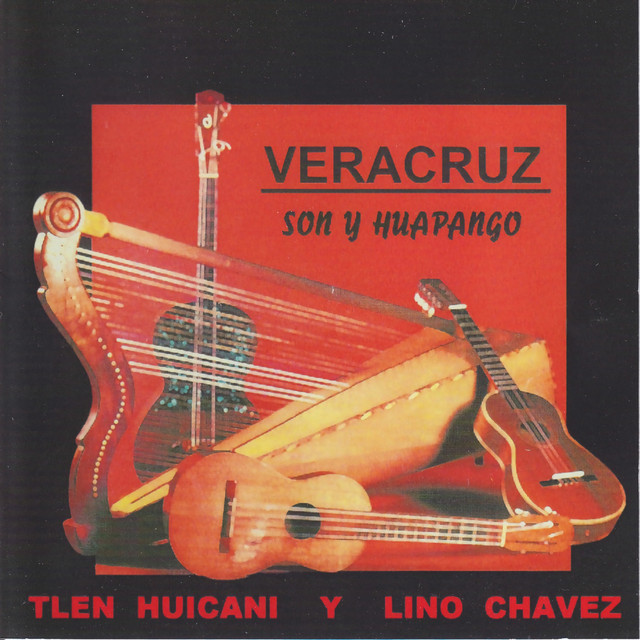
Tlen Huicani
Son Jarocho
Mariachi
Traditional Music
2
/5
Lino Chavez
Son Jarocho
Mariachi
Mexican Folk Music
2
/5
Los Sabandeños
Canarian Folk Music
Bolero
Traditional Music
2
/5
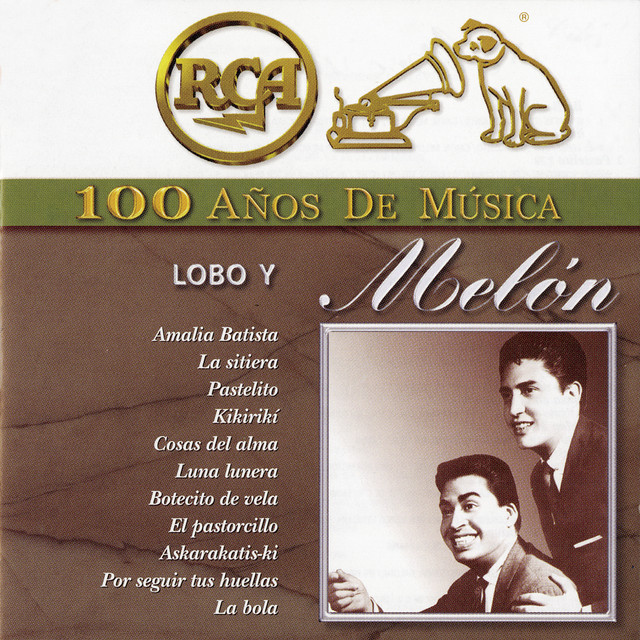
Lobo
Bolero
Chachachá
Mambo
2
/5
Acerina Y Su Danzonera
Danzón
Bolero
Chachachá
2
/5
Los Folkloristas
Folclor Andino
Latin Folk
Son Jarocho
Download our mobile app
Get the Melodigging app and start digging for new genres on the go
Download on the App Store
Get it on Google Play
© 2026 Melodigging
Give feedback
Legal
Melodding was created as a tribute to
Every Noise at Once
, which inspired us to help curious minds keep digging into music's ever-evolving genres.