Genres
Artists
Albums
Make Music
Sign in
Sign in
Artists
Bambuco
Artists
Bambuco
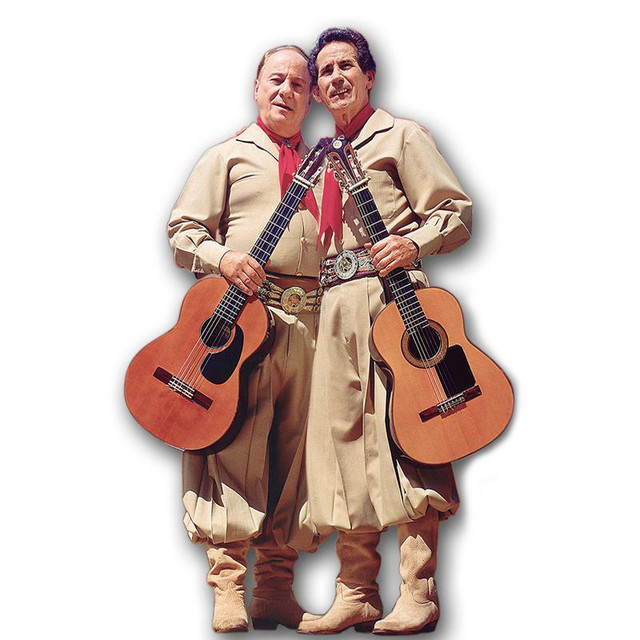
Garzon y Collazos
1964
·
2 albums
Listen
3
/5
Genres
Musica Campineira
Música campineira refers to the contemporary independent music made in and around Campinas (São Paulo state, Brazil). It is not a single codified style, but a city‑tagged scene that blends MPB songwriting, Brazilian rock, Tropicália’s exploratory spirit, indie rock/pop textures and a dose of samba‑rock and bossa rhythms. Because it is scene‑based, you will hear a spectrum that runs from intimate voice‑and‑guitar MPB and chamber‑pop projects to guitar‑driven indie rock, synth‑tinged bedroom pop and groove‑oriented bands. What unites it is a regional identity shaped by the city’s universities (notably UNICAMP), DIY venues, collectives, and small labels that foster collaboration and stylistic cross‑pollination.
Discover
Listen
Popular Colombian Music
Popular Colombian music (música popular colombiana) is a contemporary Colombian style that fuses Mexican regional idioms—especially ranchera, corrido, norteño, and banda—with Andean-Colombian song traditions like bambuco and pasillo. Built around the emotive, dramatic vocal delivery known locally as "despecho" (heartbreak), it foregrounds cantina themes of love, loss, betrayal, and resilience, while adopting modern pop production. Brass sections (in the banda vein), trumpets in mariachi style, accordion or requinto guitars, and steady rhythm sections support songs that often move between 3/4 waltz feels and 4/4 bolero or pop-ballad grooves. The genre evolved from 1980s "música de despecho" and "carrilera" in Antioquia and the Eje Cafetero, and in the 2000s–2010s broke nationally with a new generation that blended classic themes with polished, radio-ready arrangements and crossovers with vallenato and urbano.
Discover
Listen
Traditional Music
Traditional music is an umbrella term used in the mid–20th century by folklorists and ethnomusicologists to denote community-rooted, orally transmitted repertoires tied to social ritual, work, celebration, and storytelling. Unlike commercial pop or art-music traditions, traditional music is typically learned by ear, varies regionally, and evolves slowly through communal participation. It often features modal melodies, cyclic rhythms, heterophony or unison singing, and indigenous instruments whose timbres are integral to local identity. Lyrics tend to preserve language, history, and collective memory. While the musical practices themselves can be ancient, the phrase “traditional music” emerged to replace earlier, narrower or colonial framings like “folk” or “ethnic” music, foregrounding continuity, locality, and living practice rather than exoticism.
Discover
Listen
Bambuco
Bambuco is a traditional Andean song-dance from Colombia characterized by a lilting 6/8 meter and the frequent use of sesquiáltera (the interplay between 6/8 and 3/4 feels). It is commonly performed by small string ensembles—most notably tiple, bandola, and guitar—and can be sung or purely instrumental. Stylistically, bambuco blends Iberian melodic-harmonic language with indigenous Andean phrasing and African-derived rhythmic sensibilities. The result is a bittersweet, lyrical character with gentle syncopations, expressive melodies, and elegant, courtly dance gestures. Its repertoire ranges from intimate serenade-like pieces to more festive regional variants, and it remains a pillar of Colombia’s Andean musical identity.
Discover
Listen
Bolero
Bolero is both a Spanish dance-music form from the late 18th century and, later, a Cuban song style from the late 19th century. The Spanish bolero emerged as a moderately slow solo or partner dance in 3/4 time, shaped by Andalusian song-dance traditions. It typically features guitar accompaniment and castanets, and its sung texts often follow the seguidilla stanza pattern. In Cuba, bolero evolved into a romantic ballad—most often in 2/4 (later also felt in 4/4)—performed by singers, trios, and salon ensembles. Cuban bolero emphasizes intimate, lyrical melodies, guitar-led accompaniment (often with requinto), and gentle Afro-Caribbean rhythmic undercurrents (habanera feel, soft bongo, claves), becoming one of Latin America’s quintessential love-song forms.
Discover
Listen
Albums
1964
1
/5
Cantan Garzón y Collazos
Garzón y Collazos
Bambuco
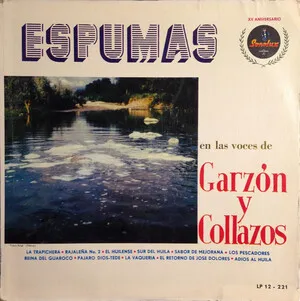
Espumas
Garzón y Collazos
Bambuco
Similar artists
3
/5
Silva y Villalba
Bolero
Folclor Andino
Popular Colombian Music
2
/5
Ramirez Y Arias
Bolero
Popular Colombian Music
Traditional Music
4
/5
Julio Jaramillo
Bolero
Popular Colombian Music
Ranchera
3
/5
Segundo Rosero
Bolero
Chicha
Electrocumbia
3
/5
Alci Acosta
Bolero
Popular Colombian Music
Ranchera
3
/5
Los Legendarios
Bolero
Popular Colombian Music
Ranchera
3
/5
Los Visconti
Bolero
Chamamé
Folclor Andino
3
/5
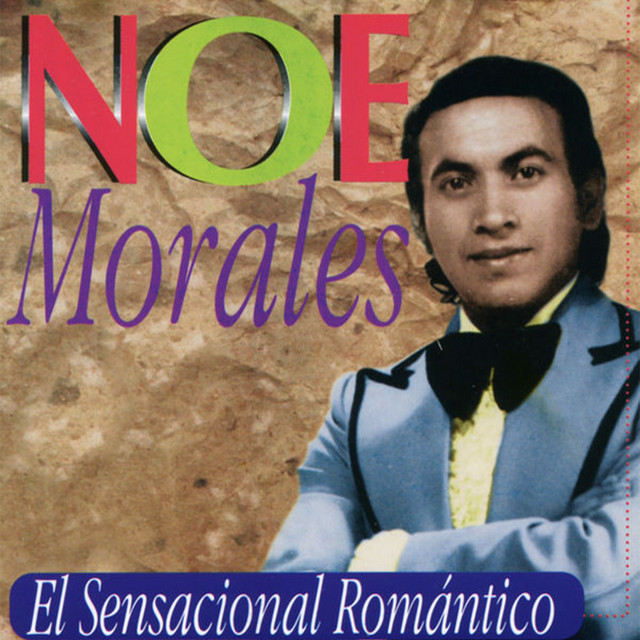
Noe Morales
Bolero
Chicha
Popular Colombian Music
3
/5
El Chico Jaramillo
Bolero
Popular Colombian Music
Ranchera
3
/5
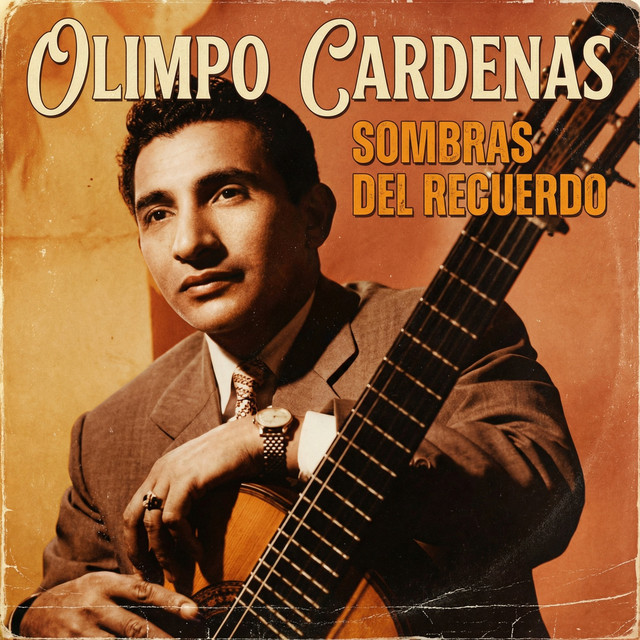
Olimpo Cardenas
Bolero
Pasillo
Popular Colombian Music
Download our mobile app
Get the Melodigging app and start digging for new genres on the go
Download on the App Store
Get it on Google Play
© 2026 Melodigging
Give feedback
Legal
Melodding was created as a tribute to
Every Noise at Once
, which inspired us to help curious minds keep digging into music's ever-evolving genres.