Genres
Artists
Albums
Make Music
Sign in
Sign in
Artists
Bolero
Artists
Bolero
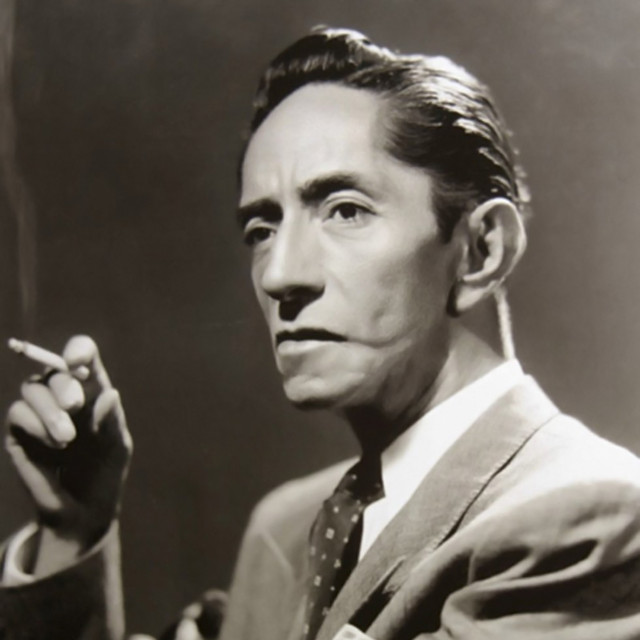
Agustín Lara
2001–2011
·
2 albums
Listen
3
/5
Genres
Doble Paso
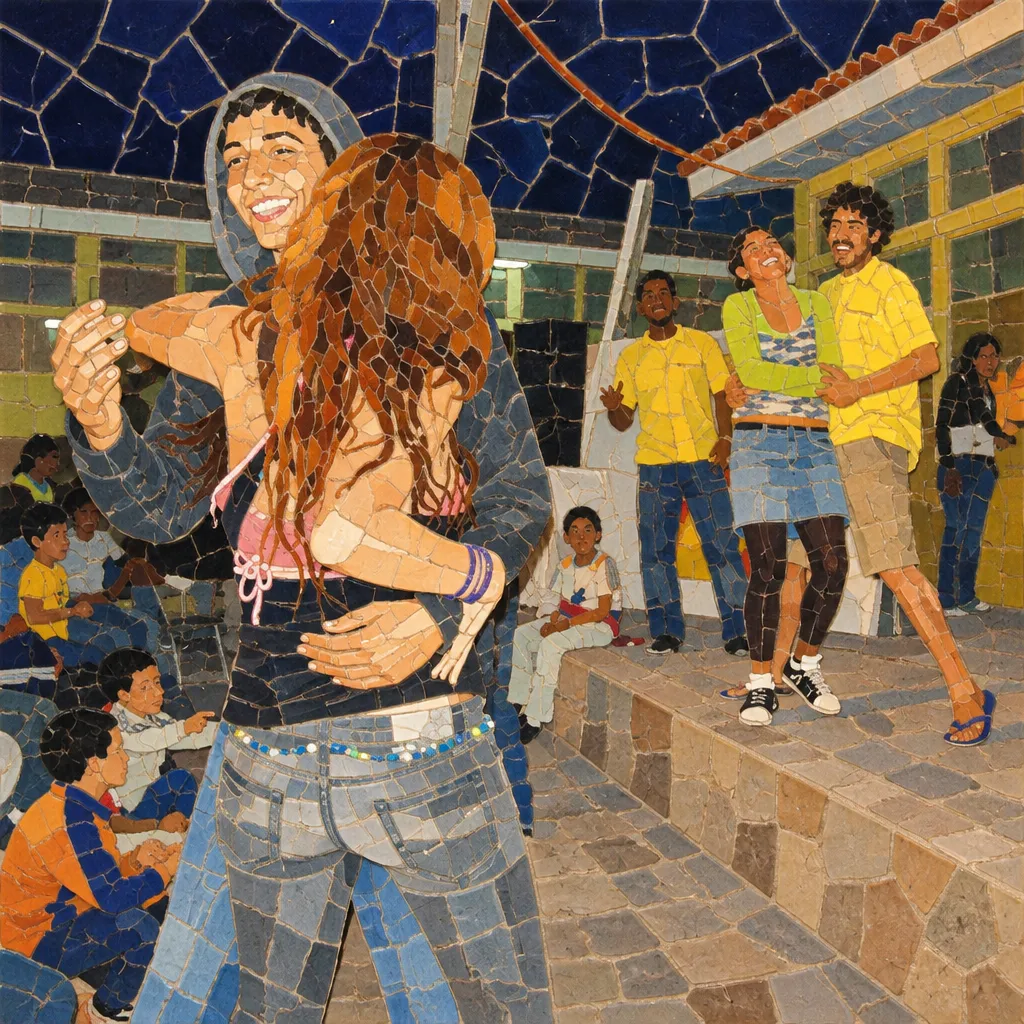
Doble paso is a high‑tempo reggaetón variant characterized by running the classic dembow groove at double speed, creating a frenetic, hard‑hitting feel aimed squarely at the dance floor. Compared with standard reggaetón drum patterns (typically around 90–100 BPM), doble paso accelerates the same rhythmic skeleton to roughly 120–140 BPM, often accompanying a club dance of the same name. Producers keep the core syncopation and low‑end punch of reggaetón while tightening hi‑hats, adding denser percussion fills, and favoring short, chant‑like hooks that match the breathless pace. The result is intense, perreo‑ready energy that bridges classic reggaetón, Dominican dembow’s urgency, and club‑forward editing trends.
Discover
Listen
Latin
Latin (as a genre label) is a broad umbrella used by the recording industry to categorize popular music rooted in Latin America, the Caribbean, and the Iberian world, often characterized by syncopated Afro-diasporic rhythms, dance-forward grooves, and lyrics primarily in Spanish or Portuguese. As a marketplace category that took shape in the mid-20th century United States, it gathers diverse traditions—Afro-Cuban, Brazilian, Mexican, and Caribbean styles—into a shared space. In practice, "Latin" spans everything from big-band mambo and bolero ballads to contemporary pop, rock, hip hop, and dance fusions produced by artists of Latin American heritage.
Discover
Listen
Ranchera
Ranchera (canción ranchera) is a traditional Mexican song genre characterized by passionate, emotive vocals; memorable, singable melodies; and direct, heartfelt lyrics about love, heartbreak, drinking, patriotism, rural life, and personal honor. Although its roots reach back to rural song traditions of the late 18th and early 19th centuries, ranchera consolidated as a national popular style before the Mexican Revolution and was later projected across Latin America through the Golden Age of Mexican cinema. The genre is commonly performed with mariachi (violins, trumpets, vihuela, guitarra, guitarrón), but it can also appear with norteño, banda, or solo voice-and-guitar arrangements. Musically, rancheras often use simple strophic or verse–chorus forms, tonal harmonies (I–IV–V with occasional secondary dominants or modulations), and meters in 3/4 (vals ranchero) or 2/4 and 4/4 (ranchera alegre or ranchera lenta). Vocal delivery features expressive rubato, dramatic dynamic arcs, and the iconic grito (a shouted cry) between phrases.
Discover
Listen
Bolero
Bolero is both a Spanish dance-music form from the late 18th century and, later, a Cuban song style from the late 19th century. The Spanish bolero emerged as a moderately slow solo or partner dance in 3/4 time, shaped by Andalusian song-dance traditions. It typically features guitar accompaniment and castanets, and its sung texts often follow the seguidilla stanza pattern. In Cuba, bolero evolved into a romantic ballad—most often in 2/4 (later also felt in 4/4)—performed by singers, trios, and salon ensembles. Cuban bolero emphasizes intimate, lyrical melodies, guitar-led accompaniment (often with requinto), and gentle Afro-Caribbean rhythmic undercurrents (habanera feel, soft bongo, claves), becoming one of Latin America’s quintessential love-song forms.
Discover
Listen
Son Jarocho
Son jarocho is a traditional folk music and dance style from the Sotavento region of Veracruz, Mexico, shaped by the encounter of Spanish, Indigenous, and West African cultures. It is performed at community gatherings called fandangos, where singers, dancers, and instrumentalists trade improvised verses and rhythms in a festive, call-and-response setting. Its core sound blends strummed jaranas (small, re-entrant tuned guitars), the melodic requinto jarocho played with a plectrum, and the arpa jarocha (harp), supported by percussive zapateado dancing on a wooden platform (tarima). Additional timbres come from the quijada (donkey jawbone), pandero, and marimbol (bass lamellophone). Sones such as La Bamba, El Siquisirí, El Colás, El Balajú, and El Cascabel feature hemiola (sesquiáltera) grooves that alternate between 6/8 and 3/4, décima-verse poetry, and a communal, improvisatory spirit.
Discover
Listen
Albums
2011
1
/5
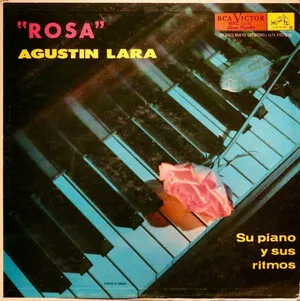
Rosa
Agustín Lara
Bolero
2001
3
/5
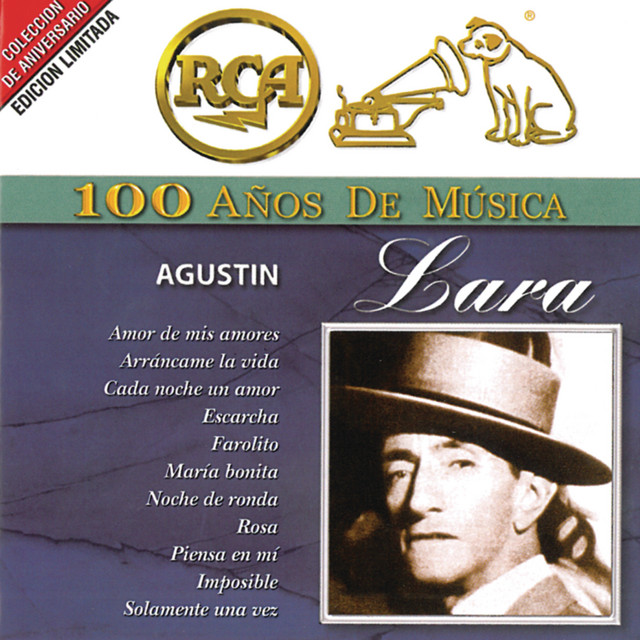
RCA 100 Años de Música
Agustín Lara
Son Jarocho
Similar artists
5
/5
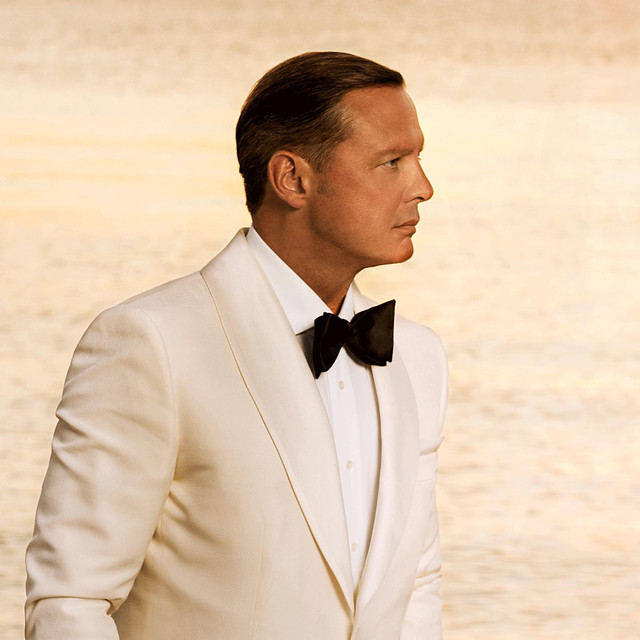
Luis Miguel
Bolero
Latin Pop
Mariachi
5
/5
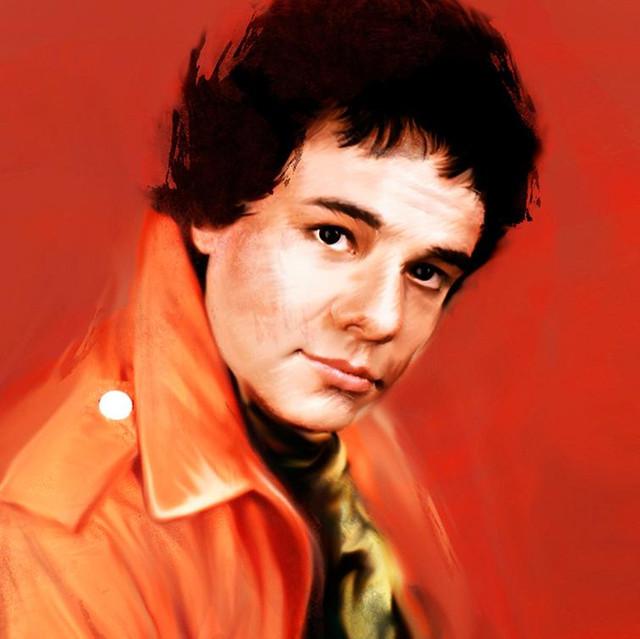
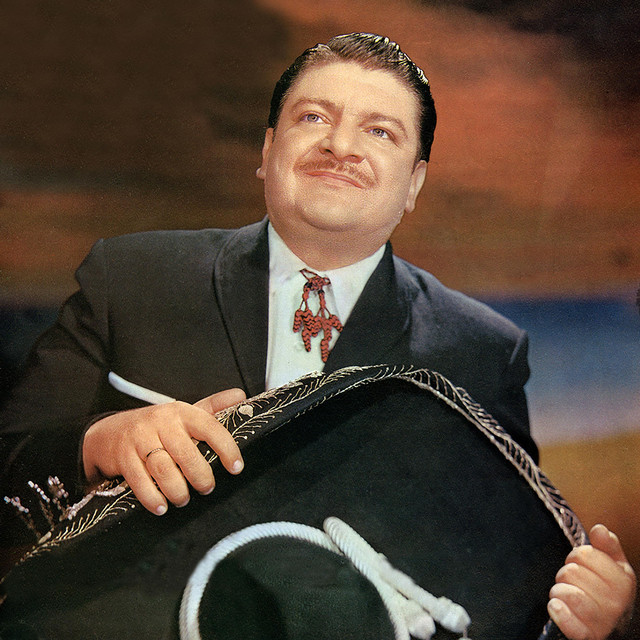
José José
Bolero
Canción Melódica
Ballad
5
/5
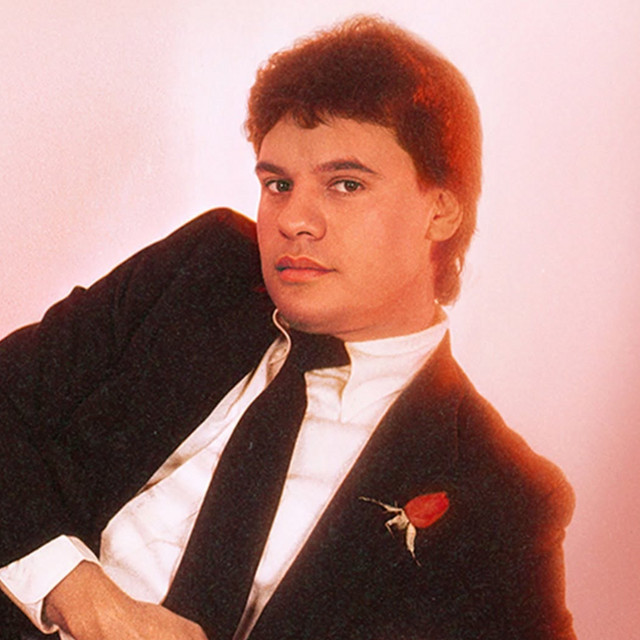
Juan Gabriel
Bolero
Mariachi
Canción Melódica
5
/5
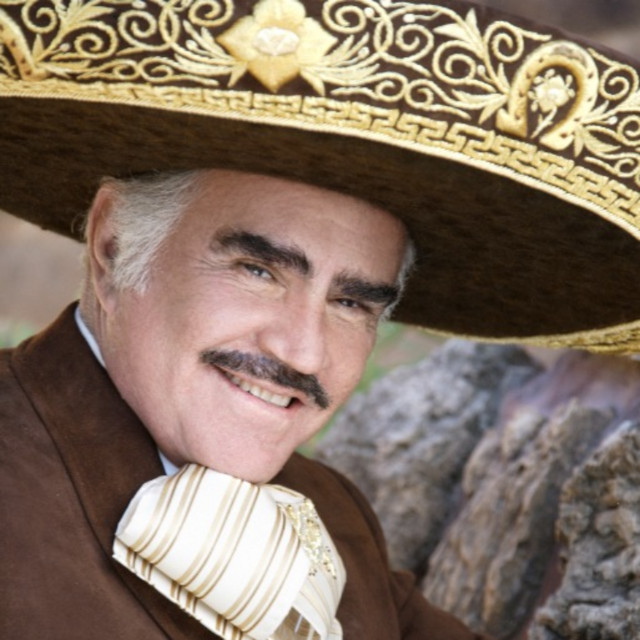
Vicente Fernández
Bolero
Mariachi
Ranchera
4
/5
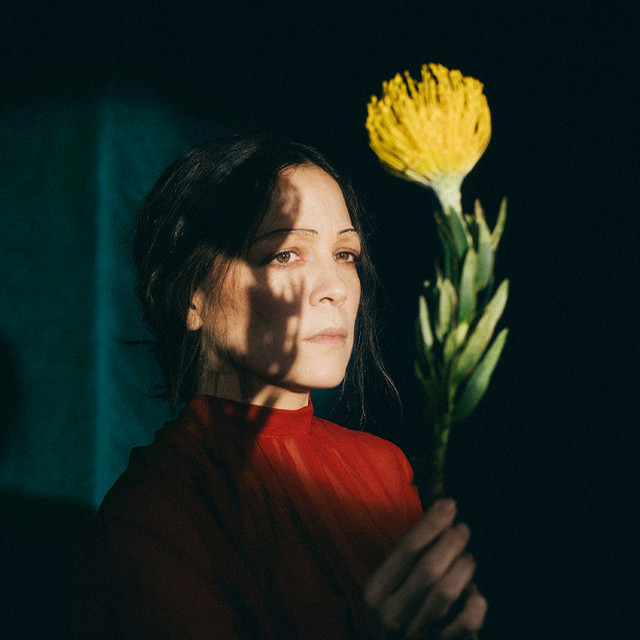
Natalia Lafourcade
Bolero
Latin Folk
Latin
4
/5
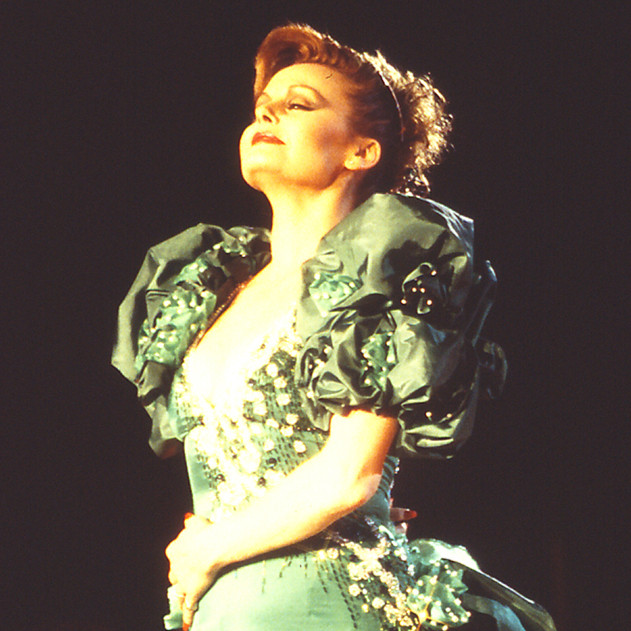
Rocío Dúrcal
Canción Melódica
Mariachi
Bolero
4
/5
José Alfredo Jimenez
Mariachi
Ranchera
Bolero
3
/5
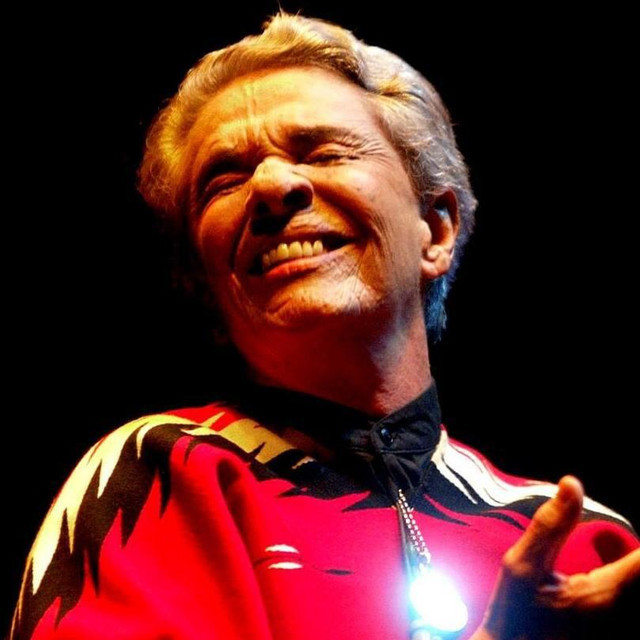
Chavela Vargas
Nueva Canción
Ranchera
Bolero
2
/5
Trio Tariacuri
Bolero
Mariachi
Ranchera
1
/5
Eva Garza
Bolero
Ranchera
Son Jarocho
Download our mobile app
Get the Melodigging app and start digging for new genres on the go
Download on the App Store
Get it on Google Play
© 2026 Melodigging
Give feedback
Legal
Melodding was created as a tribute to
Every Noise at Once
, which inspired us to help curious minds keep digging into music's ever-evolving genres.