Genres
Artists
Albums
Make Music
Sign in
Sign in
Artists
Folclor Andino
Artists
Folclor Andino
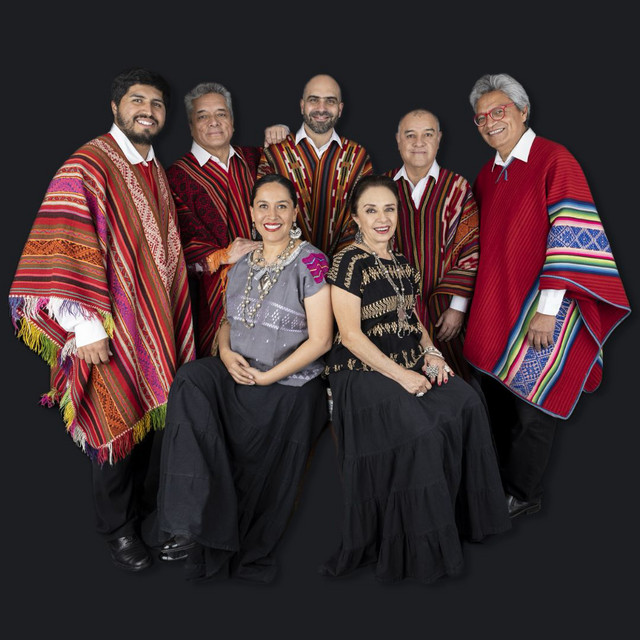
Los Folkloristas
1 album
Listen
2
/5
Genres
Folclor Andino
Folclor andino is the pan‑regional folk music of the Andean highlands, shaped by Indigenous Quechua and Aymara traditions and later mestizo influences. It centers on wind instruments such as quena (notched flute) and zampoña/siku (panpipes), the small 10‑string charango, guitar, and deep hand‑drummed bombos, producing bright timbres over earthy rhythms. Melodically it favors pentatonic and natural minor (Aeolian/Dorian) scales, parallel thirds, antiphonal hocketing between panpipe parts, and cyclical ostinatos. Repertoire often draws from regional forms like huayno, yaraví, carnavalito, and related highland dances, with lyrics that invoke the mountains, Pachamama (Mother Earth), love, migration, and social realities. As a modern stage and recording genre, folclor andino coalesced mid‑20th century when urban ensembles standardized instrumentation and performance, later intersecting with nueva canción’s socially engaged aesthetics and spreading globally through tours and world‑music circuits.
Discover
Listen
Latin Folk
Latin folk is a broad umbrella for singer‑songwriter and ensemble music that draws on traditional folk forms from across Latin America while presenting them in contemporary, often acoustically driven arrangements. It emphasizes storytelling, social and poetic lyricism, and the timbres of regional instruments such as the guitar, charango, quena, zampoña, cuatro, and bombo legüero. Rhythmic cells are borrowed from pan‑regional traditions (chacarera, cueca, zamba, huayno, joropo, son, and others), yet songs are commonly shaped in accessible verse‑chorus structures. While its roots are centuries old, the modern genre coalesced during the mid‑20th‑century folk revival and the Nueva Canción movements, which linked ancestral sounds with contemporary concerns such as identity, justice, and cultural memory.
Discover
Listen
Traditional Music
Traditional music is an umbrella term used in the mid–20th century by folklorists and ethnomusicologists to denote community-rooted, orally transmitted repertoires tied to social ritual, work, celebration, and storytelling. Unlike commercial pop or art-music traditions, traditional music is typically learned by ear, varies regionally, and evolves slowly through communal participation. It often features modal melodies, cyclic rhythms, heterophony or unison singing, and indigenous instruments whose timbres are integral to local identity. Lyrics tend to preserve language, history, and collective memory. While the musical practices themselves can be ancient, the phrase “traditional music” emerged to replace earlier, narrower or colonial framings like “folk” or “ethnic” music, foregrounding continuity, locality, and living practice rather than exoticism.
Discover
Listen
Trova
Trova is a Cuban singer‑songwriter tradition that emerged in the late 19th century, centered on itinerant guitar‑accompanied vocalists who composed and performed their own songs. Characterized by intimate, lyrical delivery and refined guitar accompaniment, trova blends Spanish poetic songcraft with Cuban rhythmic sensibilities (notably the habanera pulse). Themes commonly include love, longing, social observation, and patriotic sentiment, often presented in strophic forms suitable for serenades or small gatherings. The tradition laid the groundwork for Cuban bolero and later songwriter movements, preserving a focus on melody, poetic text, and expressive, ornamented vocal lines.
Discover
Listen
Son Huasteco
Son huasteco (also known as huapango huasteco) is a traditional folk style from the Huasteca region of northeastern Mexico. It is performed by the trío huasteco: a virtuosic lead violin, a five‑course jarana huasteca (small rhythm guitar), and a deep‑voiced guitarra quinta huapanguera (eight‑string guitar). The style is marked by agile violin improvisation, bright strummed rhythms, and distinctive falsetto singing. Rhythmically, it pivots on sesquiáltera (the interplay of 6/8 and 3/4), which powers both the music and the zapateado dance on a wooden platform (tarima). Verses often use octosyllabic lines and can include improvised coplas that reference love, nature, regional pride, and playful duels in song. While festive and driving, the music also carries a lyrical, romantic tone.
Discover
Listen
Son Jarocho
Son jarocho is a traditional folk music and dance style from the Sotavento region of Veracruz, Mexico, shaped by the encounter of Spanish, Indigenous, and West African cultures. It is performed at community gatherings called fandangos, where singers, dancers, and instrumentalists trade improvised verses and rhythms in a festive, call-and-response setting. Its core sound blends strummed jaranas (small, re-entrant tuned guitars), the melodic requinto jarocho played with a plectrum, and the arpa jarocha (harp), supported by percussive zapateado dancing on a wooden platform (tarima). Additional timbres come from the quijada (donkey jawbone), pandero, and marimbol (bass lamellophone). Sones such as La Bamba, El Siquisirí, El Colás, El Balajú, and El Cascabel feature hemiola (sesquiáltera) grooves that alternate between 6/8 and 3/4, décima-verse poetry, and a communal, improvisatory spirit.
Discover
Listen
Albums
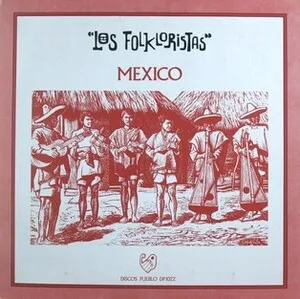
Mexico
Los Folkloristas
Son Huasteco
Similar artists
2
/5
Folklore Latinoamericano
Folclor Andino
Latin Folk
Son Jarocho
1
/5
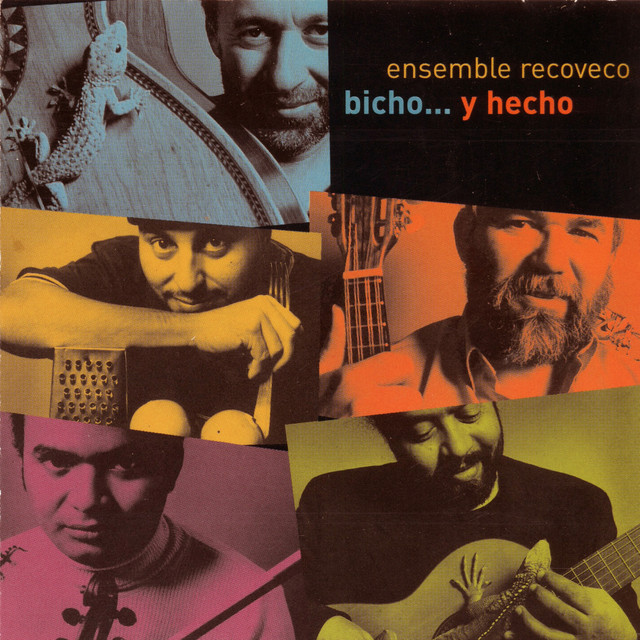
Ensemble Recoveco
Folclor Andino
Latin Folk
Son Jarocho
4
/5
Mercedes Sosa
Nueva Canción
Argentine Music
Nuevo Cancionero
4
/5
Lila Downs
Latin
Latin Alternative
Latin Folk
3
/5
Illapu
Nueva Canción
Conjunto Andino
Chilean Music
3
/5
Violeta Parra
Musica Nublensina
Chilean Music
Latin
3
/5
Inti-Illimani
Nueva Canción Chilena
Conjunto Andino
Chilean Music
3
/5
Victor Jara
Chilean Music
Nueva Canción
Nueva Canción Chilena
3
/5
Victor Heredia
Nueva Canción
Argentine Rock
Folclor Andino
3
/5
Congreso
Folclor Andino
Latin Folk
Latin Rock
Download our mobile app
Get the Melodigging app and start digging for new genres on the go
Download on the App Store
Get it on Google Play
© 2026 Melodigging
Give feedback
Legal
Melodding was created as a tribute to
Every Noise at Once
, which inspired us to help curious minds keep digging into music's ever-evolving genres.