Your digging level
Description
Musica nublensina refers to the contemporary, locally rooted music scene of Chile’s Ñuble Region (Chillán, San Carlos, Quirihue and surrounding communes). It is a place-based umbrella term rather than a single strict style, bringing together indie, folk, rock, cumbia, and singer‑songwriter currents that reflect the area’s cultural memory and its current independent ecosystem.
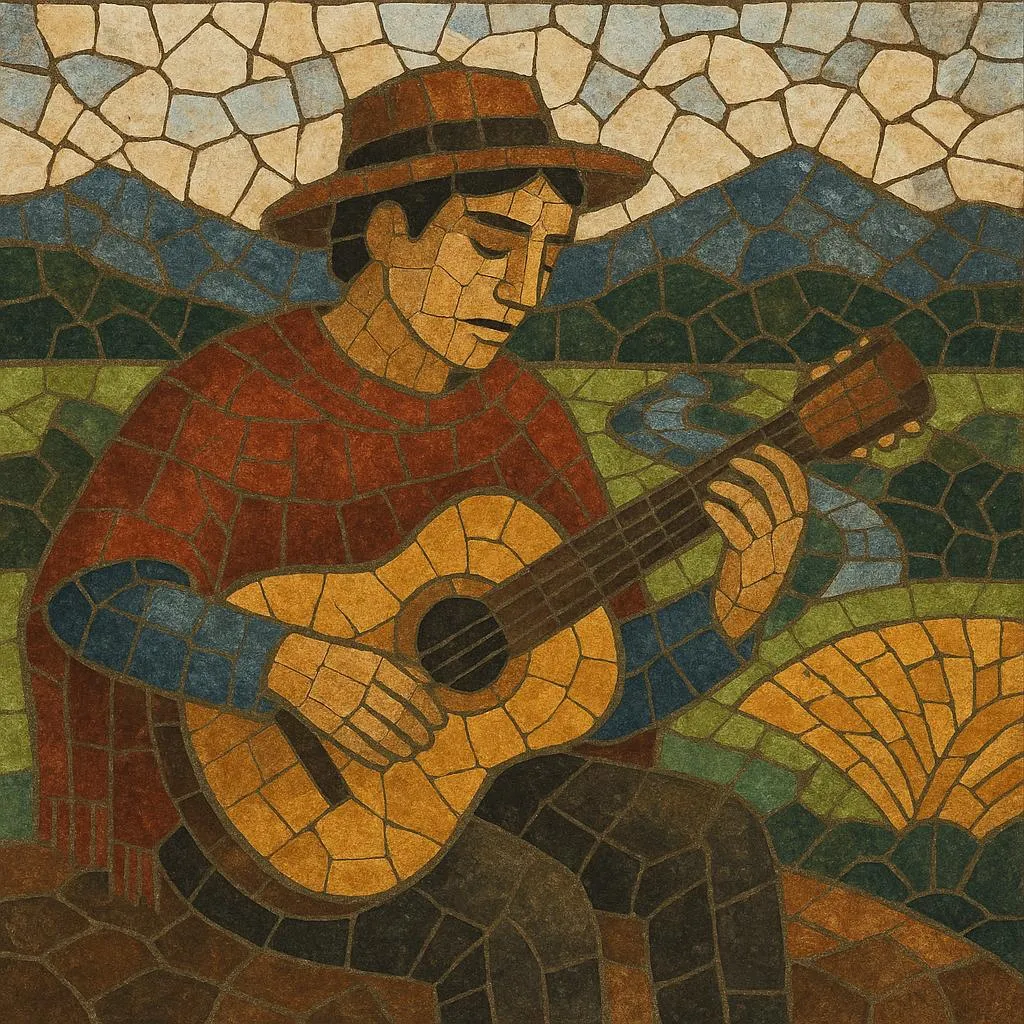
Musically, the scene blends Chilean folk idioms (cueca campesina, tonadas, nueva canción legacies) with modern pop/indie textures, occasional Caribbean rhythms (via the long Chile–Caribbean exchange), and a DIY production ethos. Lyrically, songs often carry costumbrista imagery—rivers, cordillera, harvests, barrios—and a quietly political, community‑minded sensibility characteristic of central‑southern Chile.
Because it is a geographic scene, musica nublensina naturally includes both heritage influences (iconic Ñuble‑born artists of the 20th century) and an active network of 2010s–2020s independent bands, solo acts, ensembles, and collectives.
History
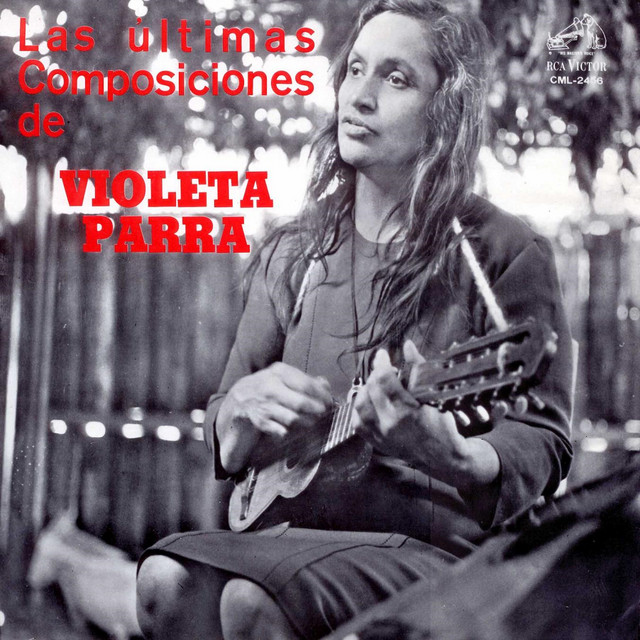
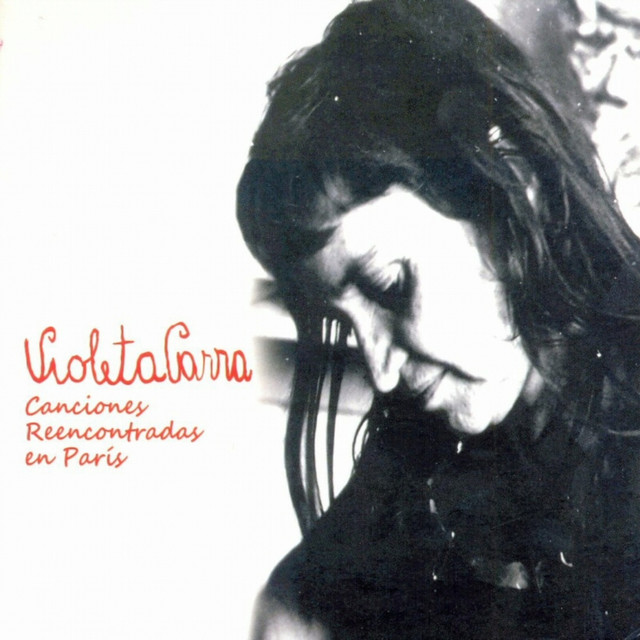
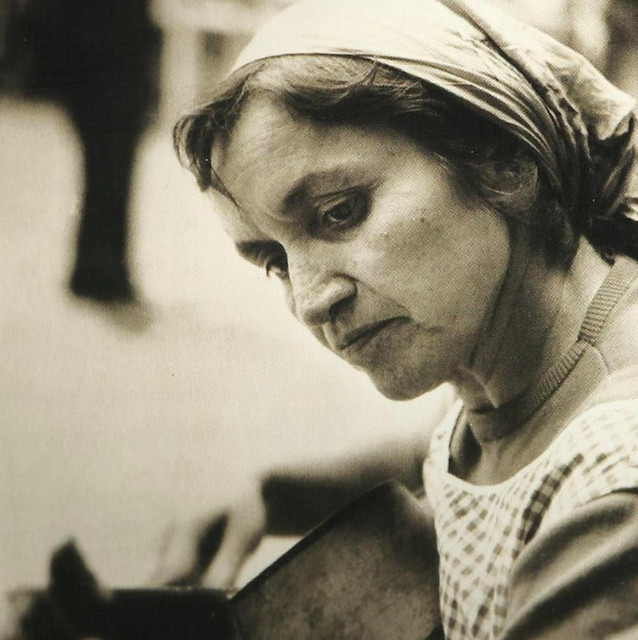
Ñuble’s musical identity was shaped early by local folk practices—cueca campesina, tonadas, payas—and by seminal figures with strong ties to the province. The Parra family’s legacy (notably Violeta and her children) anchored a repertoire of central‑southern Chilean folklore and socially engaged song that still resonates in local aesthetics. Parallel currents included romantic trios and balada/bolero ensembles emerging from San Carlos and Chillán, creating a popular bridge between rural folklore and urban radio music.
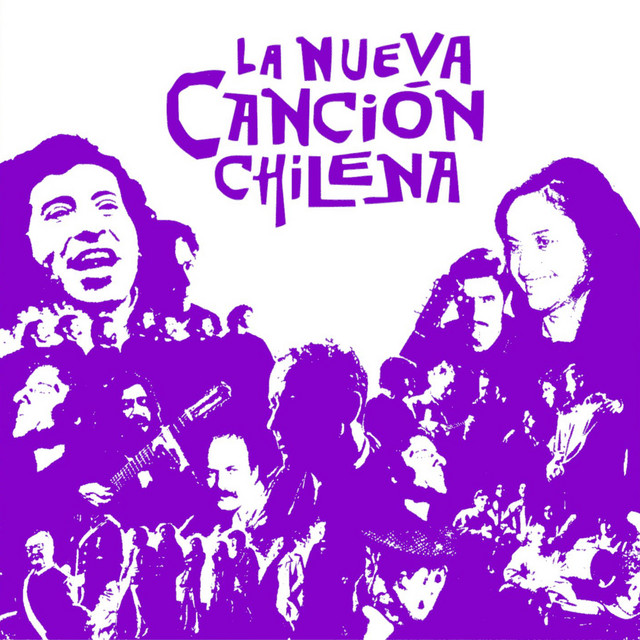
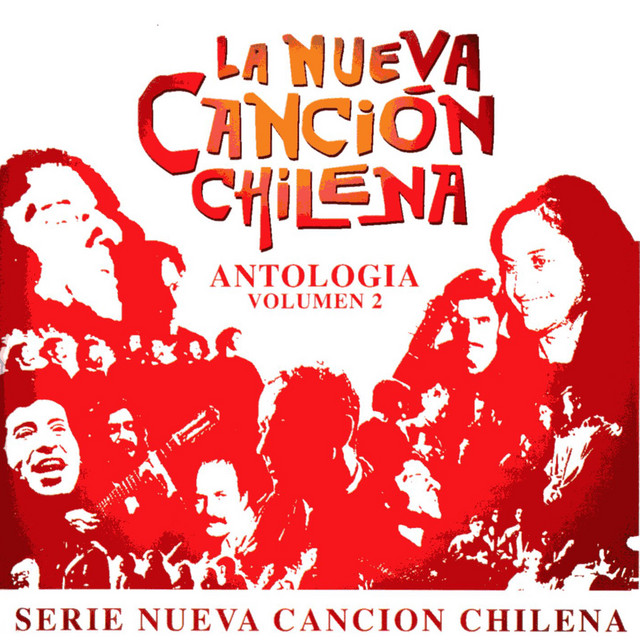
The post‑1960s nueva canción chilena provided a national template for songcraft with social conscience, which Ñuble artists absorbed alongside the rise of rock, cumbia, and community ensembles (municipal bands, polyphonic choirs, youth orchestras). This period normalized the idea that local traditions could live alongside cosmopolitan pop sounds.
In the 2010s, the term “musica nublensina” gained currency among artists, venues, and local media as a way to mark a vibrant, self‑organized ecosystem. Affordable home studios, regional festivals, cultural centers, and university circuits (Chillán, San Carlos, and smaller communes) helped incubate indie pop/rock, folk‑fusion, and niche electronic acts that fold in cueca rhythms, Andean colors, and Caribbean grooves. The scene is characterized by collaboration, cross‑genre bills, and a strong sense of place—songs that reference the Ñuble River, the cordillera, markets, and agricultural life.
Musica nublensina is less a monolith than a living map of Ñuble’s creativity: folk collectives, singer‑songwriters, cumbia‑rock bands, and chamber/choral groups share audiences and platforms. Digital distribution lets local releases travel nationally and abroad while retaining their regional stamp.