Genres
Artists
Albums
Make Music
Sign in
Sign in
Artists
Avant-Prog
Artists
Avant-Prog
Congreso
1975–1984
·
2 albums
Listen
3
/5
Genres
Avant-Prog
Avant-prog (avant-garde progressive rock) is a branch of progressive rock that emphasizes experimentation, dissonance, and structural innovation. It often blends rock instrumentation with chamber-music timbres (strings, woodwinds, brass) and techniques borrowed from 20th‑century classical music, free jazz, and minimalism. Typical traits include irregular and shifting meters, abrupt contrasts, complex counterpoint, atonal or modal harmony, extended techniques, and through-composed forms that minimize or abandon verse/chorus structures. The mood ranges from stark and austere to playfully surreal, with a frequent penchant for theatricality and sound collage. The movement’s ethos—crystallized by the late‑1970s Rock in Opposition (RIO) collective—was as much cultural as musical, favoring artistic independence, DIY production, and an oppositional stance toward commercial music industry norms.
Discover
Listen
Progressive Folk
Progressive folk is a strand of folk music that adopts the exploratory spirit, extended forms, and harmonic richness of progressive rock and jazz while remaining rooted in traditional songcraft and acoustic timbres. It favors modal melodies, intricate fingerpicking, and unusual time signatures, often weaving together British and Celtic folk idioms with classical and jazz-informed arrangements. Compared with straight folk or folk rock, progressive folk is more ambitious in structure: suites, long-form ballads, and thematic albums are common. Lyrically it ranges from pastoral and mythical to philosophical and introspective, and it frequently experiments with instrumentation (e.g., dulcimer, sitar, harp, early music winds) and layered vocal counterpoint. The result is music that feels both ancient and modern—earthy yet expansive.
Discover
Listen
Folclor Andino
Folclor andino is the pan‑regional folk music of the Andean highlands, shaped by Indigenous Quechua and Aymara traditions and later mestizo influences. It centers on wind instruments such as quena (notched flute) and zampoña/siku (panpipes), the small 10‑string charango, guitar, and deep hand‑drummed bombos, producing bright timbres over earthy rhythms. Melodically it favors pentatonic and natural minor (Aeolian/Dorian) scales, parallel thirds, antiphonal hocketing between panpipe parts, and cyclical ostinatos. Repertoire often draws from regional forms like huayno, yaraví, carnavalito, and related highland dances, with lyrics that invoke the mountains, Pachamama (Mother Earth), love, migration, and social realities. As a modern stage and recording genre, folclor andino coalesced mid‑20th century when urban ensembles standardized instrumentation and performance, later intersecting with nueva canción’s socially engaged aesthetics and spreading globally through tours and world‑music circuits.
Discover
Listen
Latin Folk
Latin folk is a broad umbrella for singer‑songwriter and ensemble music that draws on traditional folk forms from across Latin America while presenting them in contemporary, often acoustically driven arrangements. It emphasizes storytelling, social and poetic lyricism, and the timbres of regional instruments such as the guitar, charango, quena, zampoña, cuatro, and bombo legüero. Rhythmic cells are borrowed from pan‑regional traditions (chacarera, cueca, zamba, huayno, joropo, son, and others), yet songs are commonly shaped in accessible verse‑chorus structures. While its roots are centuries old, the modern genre coalesced during the mid‑20th‑century folk revival and the Nueva Canción movements, which linked ancestral sounds with contemporary concerns such as identity, justice, and cultural memory.
Discover
Listen
Latin Rock
Latin rock blends the instrumentation and attitude of rock with Afro‑Latin and Caribbean rhythms, percussion, and song forms. Typical bands combine electric guitars, bass, and drum kit with congas, bongos, timbales, and hand percussion, creating a driving, danceable groove grounded in the clave. Vocals may be in Spanish, Portuguese, Spanglish, or English, and lyrics range from love songs and urban life to social and political commentary. Harmonically, Latin rock draws from blues/rock progressions but frequently incorporates modal colors (Dorian, Mixolydian) and montuno‑style vamps borrowed from salsa and Afro‑Cuban traditions. The result sits comfortably between club‑ready rhythm and arena‑sized rock energy.
Discover
Listen
Nueva Trova
Nueva trova is a Cuban singer‑songwriter movement that emerged in the late 1960s, blending the poetic intimacy of the island’s older trova tradition with socially conscious, often revolutionary, lyrics. It is typically guitar‑led and intimate, but can expand to small ensembles with subtle jazz‑inflected harmonies, echoing the filin (feeling) style and the romanticism of bolero while drawing rhythmic color from Cuban son and guajira. While aesthetically close to the broader Latin American nueva canción, nueva trova is distinctly Cuban in its idiom, metaphorical language, and engagement with post‑1959 cultural life.
Discover
Listen
Nueva Canción
Nueva canción is a Latin American song movement that emerged in the 1960s, blending traditional folk forms with contemporary, socially engaged songwriting. It foregrounds poetic, politically conscious lyrics that address social justice, labor, indigenous rights, anti-imperialism, and everyday dignity. Musically, it draws on Andean and Southern Cone folk idioms—such as cueca, zamba, and chacarera—alongside pan-Latin ballad traditions. Typical instrumentation includes nylon-string guitar, charango, quena and zampoña (panpipes), bombo legüero, and rich vocal harmonies, often arranged for ensembles. The style’s melodic language favors modal inflections and singable, anthemic choruses designed for communal participation. While it became a continent-wide phenomenon, Chilean artists were especially pivotal in shaping its aesthetics and political ethos, with the movement later radiating into Argentina, Uruguay, and Spain.
Discover
Listen
Nueva Canción Latinoamericana
Nueva canción latinoamericana is a socially engaged song movement that revitalized Latin American folk traditions to address contemporary political and cultural realities. It blends rural and indigenous folk rhythms with modern, singer‑songwriter poetry, using acoustic instruments such as guitar, charango, quena, and bombo legüero. Lyrics foreground social justice, anti‑imperialism, labor struggle, indigenous rights, and national identity, often delivered in clear, declamatory melodies that invite communal singing. The result is music that is both rooted in local traditions and explicitly modern in its political consciousness.
Discover
Listen
Folk Rock
Folk rock is a fusion genre that blends the narrative lyricism, modal melodies, and acoustic timbres of traditional folk with the backbeat, amplification, and song structures of rock. It typically pairs acoustic or traditional instruments (acoustic guitar, mandolin, fiddle) with a rock rhythm section (electric guitar, bass, drums), often featuring chiming 12‑string guitar textures, close vocal harmonies, and socially conscious or storytelling lyrics. The result ranges from intimate, reflective ballads with a steady backbeat to more anthemic, roots‑driven rock. Emerging in the mid‑1960s through artists such as Bob Dylan and The Byrds, folk rock became a gateway for traditional and roots materials to enter mainstream popular music, and it seeded later movements from country rock and Americana to jangle pop and modern indie folk.
Discover
Listen
Jazz Fusion
Jazz fusion (often simply called "fusion") blends the improvisational language and harmonic richness of jazz with the amplified instruments, grooves, and song forms of rock, funk, and R&B. It typically features electric guitars, electric bass or fretless bass, Rhodes electric piano, clavinet, analog and digital synthesizers, and a drum kit playing backbeat- and syncopation-heavy patterns. Hallmarks include extended chords and modal harmony, complex and shifting meters, brisk unison lines, virtuosic improvisation, and a production aesthetic that embraces effects processing and studio craft. The style ranges from fiery, aggressive workouts to polished, atmospheric textures, often within the same piece. Emerging in the late 1960s and flourishing through the 1970s, jazz fusion became a bridge between jazz audiences and rock/funk listeners, shaping later styles such as jazz-funk, smooth jazz, nu jazz, and parts of progressive and technical rock/metal.
Discover
Listen
Nueva Canción Chilena
Nueva canción chilena is a socially engaged song movement that arose in Chile in the 1960s, blending traditional Chilean and Andean folk idioms with contemporary, often left-leaning political and poetic lyrics. Musically it draws on cueca, tonada, huayno, and carnavalito grooves and timbres, foregrounding acoustic textures such as charango, quena, zampoña, guitar, and bombo legüero. Vocals are central—solo or choral—with clear, story-driven delivery. The result is a repertoire that feels both rooted in the rural and indigenous past and urgently modern in its message. Beyond its aesthetics, the genre functioned as a cultural movement: it organized peñas (folk venues), independent labels, and collective ensembles to channel popular demands for social justice, workers’ rights, and national identity. Its songs became anthems of solidarity across Latin America and the world.
Discover
Listen
Trova
Trova is a Cuban singer‑songwriter tradition that emerged in the late 19th century, centered on itinerant guitar‑accompanied vocalists who composed and performed their own songs. Characterized by intimate, lyrical delivery and refined guitar accompaniment, trova blends Spanish poetic songcraft with Cuban rhythmic sensibilities (notably the habanera pulse). Themes commonly include love, longing, social observation, and patriotic sentiment, often presented in strophic forms suitable for serenades or small gatherings. The tradition laid the groundwork for Cuban bolero and later songwriter movements, preserving a focus on melody, poetic text, and expressive, ornamented vocal lines.
Discover
Listen
Show all 12 genres
Albums
1984
2
/5
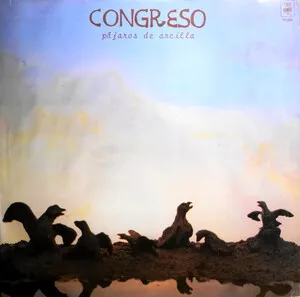
Pájaros de arcilla
Congreso
Progressive Folk
Avant-Prog
1975
3
/5
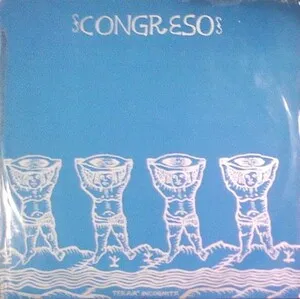
Terra incognita
Congreso
Nueva Canción Latinoamericana
Nueva Canción
Similar artists
3
/5
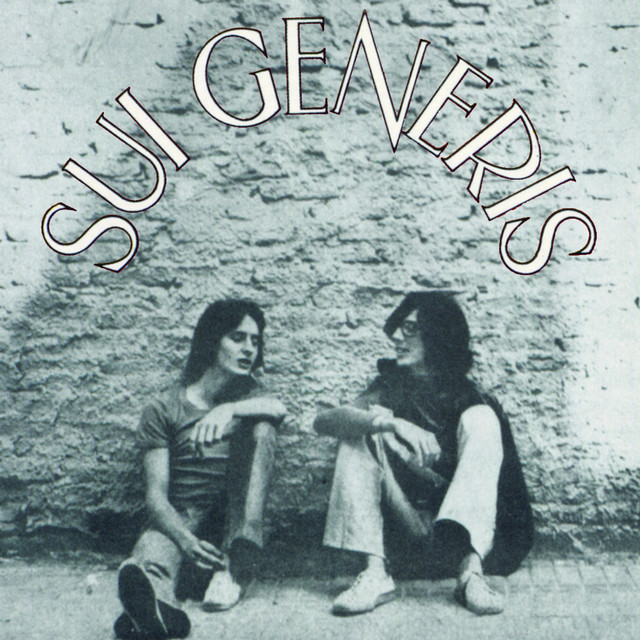
Sui Generis
Nueva Trova
Trova
Folk Rock
3
/5
Los Jaivas
Rock Andino
Nueva Trova
Latin Folk
3
/5
Manuel García
Nueva Trova Chilena
Latin Folk
Latin Rock
3
/5
León Gieco
Argentine Rock
Folklore Argentino
Latin Folk
3
/5
Sol y Lluvia
Nueva Trova
Trova
Folclor Andino
3
/5
Eduardo Gatti
Folclor Andino
Latin Folk
Latin Rock
2
/5
Oscar Andrade
Latin Folk
Latin Rock
Nueva Trova
4
/5
Joaquín Sabina
Nueva Trova
Trova
Pop
4
/5
Fito Paez
Trova
Argentine Rock
Latin Alternative
4
/5
Silvio Rodríguez
Nueva Trova
Trova
Singer-Songwriter
Download our mobile app
Get the Melodigging app and start digging for new genres on the go
Download on the App Store
Get it on Google Play
© 2026 Melodigging
Give feedback
Legal
Melodding was created as a tribute to
Every Noise at Once
, which inspired us to help curious minds keep digging into music's ever-evolving genres.