Genres
Artists
Albums
Make Music
Sign in
Sign in
Artists
Trova
Artists
Trova
Fito Paez
1984–1992
·
3 albums
Listen
4
/5
Genres
Manso Indie
Manso indie is an Argentine strand of indie rock and indie pop that blossomed in the 2010s, centered largely in the Cuyo region (especially Mendoza). The word “manso” in regional slang evokes something cool, chill, and pleasant, and the music mirrors that mood: warm guitars, laid‑back vocals, melodic bass lines, and unfussy, DIY‑friendly production. Sonically, it favors mid‑tempo grooves, jangly or chorus‑washed guitars, gentle synth pads, and roomy drums. Lyrics tend to be intimate and observational—romance, friendship, youth, and city or small‑town scenes—delivered with an understated, conversational tone. While connected to the broader Argentine “rock nacional” lineage, manso indie distinguishes itself by its mellow dynamics, sun‑dappled harmonies, and a preference for vibe and songcraft over virtuosity.
Discover
Listen
Latin R&b
Latin R&B blends the smooth vocal stylings, harmony-rich chords, and intimate storytelling of contemporary R&B with the rhythms, language, and melodic sensibilities of the Latin world. Typical productions feature half‑time trap/R&B grooves, lush pads, electric pianos, 808 bass, and syncopated percussion that nods to dembow, bachata, or bolero. Sung largely in Spanish (often with Spanglish hooks), the genre centers on romance, desire, heartbreak, and late‑night introspection. Melisma, ad‑libs, and airy harmonies sit alongside minimalist beats, nylon‑string or clean electric guitar licks, and occasional samples from classic Latin styles. The result is a sensual, modern sound that bridges U.S. R&B aesthetics with Caribbean and Latin American rhythmic DNA.
Discover
Listen
Modern Alternative Pop
Modern alternative pop is a broad, internet-era strain of pop that blends mainstream songcraft with left-of-center production, aesthetics, and subject matter. It borrows glossy hooks from radio pop while incorporating indie sensibilities, electronic textures, and experimental arrangement ideas. Lyrics lean confessional and self-aware—often addressing mental health, digital life, identity, and complicated relationships—with an emphasis on personality-forward vocal delivery. Sonically it spans hushed, minimal, bass-forward tracks to bright, synth-led anthems; what unites it is a willingness to break Top 40 conventions while remaining hook-centric and emotionally direct.
Discover
Listen
Latin Alternative
Latin alternative is an umbrella term for genre-bending music made by Latin American and US Latino artists that sits outside mainstream Latin pop. It blends alternative and indie rock attitudes with Latin rhythmic vocabularies (cumbia, salsa, ska, reggae), hip hop, and electronic production. The style privileges experimentation, hybridity, and scene-driven authenticity rather than commercial formulas. Lyrics are often in Spanish (sometimes bilingual or Spanglish), and themes range from the personal and poetic to social and political commentary. The movement coalesced in the mid-to-late 1990s around U.S. media and festivals (e.g., LAMC), helping connect diverse scenes from Mexico, Argentina, Chile, Colombia, Puerto Rico, and beyond.
Discover
Listen
Trova Rosarina
Trova rosarina is an Argentine singer‑songwriter movement that emerged in the city of Rosario in the early 1980s. It blends the poetic, socially aware spirit of nueva canción with the melodic sensibilities of Argentine rock and the intimacy of folk. Characterized by literate lyrics, urban imagery of the Paraná river region, and refined harmonic language (often with jazz- and MPB‑tinged chords), its songs typically favor acoustic textures, piano, and understated rock arrangements. Because many of its founders came of age under the final years of the dictatorship, metaphor and allegory are central expressive tools.
Discover
Listen
Sophisti-Pop
Sophisti-pop is a sleek, jazz-tinged strain of 1980s pop distinguished by refined songwriting, urbane imagery, and studio polish. It blends new wave and synth-pop’s contemporary sheen with the harmonic language of jazz and the warmth of soul and blue‑eyed soul. Typical hallmarks include lush electric pianos and synths, tasteful saxophone and horn parts, clean DI bass, crisp yet understated drums, and smooth, intimate vocals. Harmonically, it favors extended chords (maj7, 9ths, 11ths), chromatic voice-leading, and sophisticated modulations, while maintaining strong hooks and radio-friendly song forms. Lyrically, sophisti-pop often evokes cosmopolitan life—nighttime cityscapes, romance, bittersweet reflection—delivered with elegance rather than excess. The result is music that feels chic, romantic, and effortlessly cool.
Discover
Listen
Latin Pop
Latin pop is mainstream pop music performed primarily in Spanish (and sometimes Portuguese) that blends contemporary pop songwriting with Latin American and Iberian rhythms, harmonies, and vocal stylings. It typically features verse–pre-chorus–chorus forms, catchy hooks, polished production, and a balance between rhythmic drive and romantic lyric themes. Classic Latin pop often leans on bolero- and ballad-informed melodies and soft-rock textures, while modern Latin pop readily incorporates dance-pop, electronic, and urbano elements (such as reggaeton-influenced grooves) without losing its sing-along pop core.
Discover
Listen
Argentine Rock
Argentine rock (Rock Nacional) is the Spanish-language rock tradition that emerged in Argentina in the late 1960s. It blended the energy and songcraft of Anglo-American rock and roll with local poetic sensibilities, urban bohemian culture, and distinctive Argentine rhythms and harmony. Across its history, the genre has absorbed folk, blues, psychedelia, progressive rock, new wave, punk, reggae/ska, and pop, while remaining anchored by melodic guitars, expressive vocals, and literate lyrics. Tango’s bittersweet harmonies and the cadences of Argentine folk (chacarera, milonga) subtly inform its phrasing, melodic turns, and lyric tone. The result is a body of music that ranges from intimate and reflective to stadium-sized and anthemic, with a strong emphasis on metaphor-rich storytelling in Rioplatense Spanish.
Discover
Listen
Latin Rock
Latin rock blends the instrumentation and attitude of rock with Afro‑Latin and Caribbean rhythms, percussion, and song forms. Typical bands combine electric guitars, bass, and drum kit with congas, bongos, timbales, and hand percussion, creating a driving, danceable groove grounded in the clave. Vocals may be in Spanish, Portuguese, Spanglish, or English, and lyrics range from love songs and urban life to social and political commentary. Harmonically, Latin rock draws from blues/rock progressions but frequently incorporates modal colors (Dorian, Mixolydian) and montuno‑style vamps borrowed from salsa and Afro‑Cuban traditions. The result sits comfortably between club‑ready rhythm and arena‑sized rock energy.
Discover
Listen
Rock En Español
Rock en español is the umbrella term for rock music performed in Spanish across Latin America and Spain. It adapts the attitude, instrumentation, and songwriting of Anglo-American rock—electric guitars, bass, drums, and hook-driven choruses—while foregrounding Spanish lyrics and local themes. The style ranges from 1960s beat- and garage-influenced bands to 1970s blues/psychedelia and the punk, new wave, and pop-rock explosions of the 1980s and 1990s. Lyrically it moves from social critique and urban realism to romance and introspection, often reflecting the political and cultural realities of Spanish-speaking countries.
Discover
Listen
Rock
Rock is a broad family of popular music centered on amplified instruments, a strong backbeat, and song forms that foreground riffs, choruses, and anthemic hooks. Emerging from mid‑20th‑century American styles like rhythm & blues, country, and gospel-inflected rock and roll, rock quickly expanded in scope—absorbing folk, blues, and psychedelic ideas—while shaping global youth culture. Core sonic markers include electric guitar (often overdriven), electric bass, drum kit emphasizing beats 2 and 4, and emotive lead vocals. Rock songs commonly use verse–chorus structures, blues-derived harmony, and memorable melodic motifs, ranging from intimate ballads to high‑energy, stadium‑sized performances.
Discover
Listen
Trova
Trova is a Cuban singer‑songwriter tradition that emerged in the late 19th century, centered on itinerant guitar‑accompanied vocalists who composed and performed their own songs. Characterized by intimate, lyrical delivery and refined guitar accompaniment, trova blends Spanish poetic songcraft with Cuban rhythmic sensibilities (notably the habanera pulse). Themes commonly include love, longing, social observation, and patriotic sentiment, often presented in strophic forms suitable for serenades or small gatherings. The tradition laid the groundwork for Cuban bolero and later songwriter movements, preserving a focus on melody, poetic text, and expressive, ornamented vocal lines.
Discover
Listen
Show all 12 genres
Albums
1992
4
/5
El Amor Después del Amor
Fito Paez
Trova
1985
4
/5
Giros
Fito Páez
Trova Rosarina
Trova
Sophisti-Pop
1984
3
/5
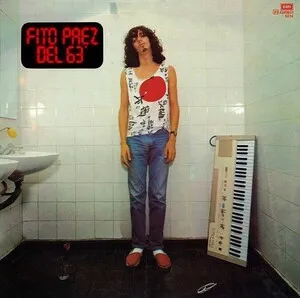
Del 63'
Fito Páez
Trova Rosarina
Similar artists
3
/5
Sui Generis
Nueva Trova
Trova
Folk Rock
4
/5
Soda Stereo
Argentine Rock
Rock
Latin Rock
4
/5
Los Enanitos Verdes
Argentine Rock
Mexican Rock
Latin Alternative
4
/5
Gustavo Cerati
Argentine Rock
Rock Sónico
Pop
4
/5
Babasonicos
Argentine Rock
Alternative Rock
Latin Rock
4
/5
Los Auténticos Decadentes
Murga
Ska
Argentine Rock
4
/5
No Te Va Gustar
Murga
Argentine Rock
Latin Rock
4
/5
Los Fabulosos Cadillacs
Latin Alternative
Mexican Ska
Murga
4
/5
Bersuit Vergarabat
Latin Alternative
Murga
Latin
4
/5
Los Pericos
Argentine Rock
Latin Alternative
Latin Rock
Download our mobile app
Get the Melodigging app and start digging for new genres on the go
Download on the App Store
Get it on Google Play
© 2026 Melodigging
Give feedback
Legal
Melodding was created as a tribute to
Every Noise at Once
, which inspired us to help curious minds keep digging into music's ever-evolving genres.