Genres
Artists
Albums
Make Music
Sign in
Sign in
Artists
Murga
Artists
Murga
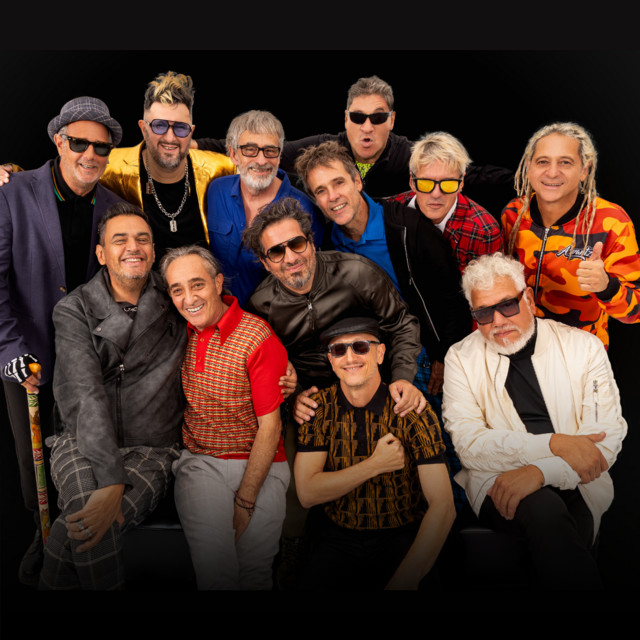
Los Auténticos Decadentes
2016
·
1 album
Listen
4
/5
Genres
Cumbia 420
Cumbia 420 is a contemporary Argentine micro‑genre that fuses the 2/4 swing and keyboard riffs of cumbia villera with the dembow/reggaetón pulse and trap/hip‑hop aesthetics. Built around minor‑key synth hooks, booming 808 sub‑bass, whistle/lead “silbido” lines and heavily Auto‑Tuned vocals, it keeps cumbia’s street‑party groove while adopting urban club sound design and lyrical themes tied to barrio life and cannabis (“420”). The result is a raw, dance‑forward style that sits between a cumbia sound system and an urban club set: simple, sticky melodies; aggressive percussive programming; and catchy call‑and‑response hooks designed for social media virality and neighborhood parties.
Discover
Listen
Manso Indie
Manso indie is an Argentine strand of indie rock and indie pop that blossomed in the 2010s, centered largely in the Cuyo region (especially Mendoza). The word “manso” in regional slang evokes something cool, chill, and pleasant, and the music mirrors that mood: warm guitars, laid‑back vocals, melodic bass lines, and unfussy, DIY‑friendly production. Sonically, it favors mid‑tempo grooves, jangly or chorus‑washed guitars, gentle synth pads, and roomy drums. Lyrics tend to be intimate and observational—romance, friendship, youth, and city or small‑town scenes—delivered with an understated, conversational tone. While connected to the broader Argentine “rock nacional” lineage, manso indie distinguishes itself by its mellow dynamics, sun‑dappled harmonies, and a preference for vibe and songcraft over virtuosity.
Discover
Listen
Cover Acustico
“Cover acústico” (Spanish/Portuguese for “acoustic cover”) refers to intimate, stripped‑down reinterpretations of existing songs performed primarily with acoustic instruments—most often voice with guitar or piano, sometimes light percussion (cajón, brushes) and close‑miked harmonies. On streaming services and digital stores catering to Iberian and Latin American audiences, the label appears explicitly in titles and artist metadata (e.g., singles or albums tagged “cover acústico”), reflecting a cataloging convention for acoustic versions of well‑known repertoire.
Discover
Listen
Latin Alternative
Latin alternative is an umbrella term for genre-bending music made by Latin American and US Latino artists that sits outside mainstream Latin pop. It blends alternative and indie rock attitudes with Latin rhythmic vocabularies (cumbia, salsa, ska, reggae), hip hop, and electronic production. The style privileges experimentation, hybridity, and scene-driven authenticity rather than commercial formulas. Lyrics are often in Spanish (sometimes bilingual or Spanglish), and themes range from the personal and poetic to social and political commentary. The movement coalesced in the mid-to-late 1990s around U.S. media and festivals (e.g., LAMC), helping connect diverse scenes from Mexico, Argentina, Chile, Colombia, Puerto Rico, and beyond.
Discover
Listen
Argentine Rock
Argentine rock (Rock Nacional) is the Spanish-language rock tradition that emerged in Argentina in the late 1960s. It blended the energy and songcraft of Anglo-American rock and roll with local poetic sensibilities, urban bohemian culture, and distinctive Argentine rhythms and harmony. Across its history, the genre has absorbed folk, blues, psychedelia, progressive rock, new wave, punk, reggae/ska, and pop, while remaining anchored by melodic guitars, expressive vocals, and literate lyrics. Tango’s bittersweet harmonies and the cadences of Argentine folk (chacarera, milonga) subtly inform its phrasing, melodic turns, and lyric tone. The result is a body of music that ranges from intimate and reflective to stadium-sized and anthemic, with a strong emphasis on metaphor-rich storytelling in Rioplatense Spanish.
Discover
Listen
Latin Rock
Latin rock blends the instrumentation and attitude of rock with Afro‑Latin and Caribbean rhythms, percussion, and song forms. Typical bands combine electric guitars, bass, and drum kit with congas, bongos, timbales, and hand percussion, creating a driving, danceable groove grounded in the clave. Vocals may be in Spanish, Portuguese, Spanglish, or English, and lyrics range from love songs and urban life to social and political commentary. Harmonically, Latin rock draws from blues/rock progressions but frequently incorporates modal colors (Dorian, Mixolydian) and montuno‑style vamps borrowed from salsa and Afro‑Cuban traditions. The result sits comfortably between club‑ready rhythm and arena‑sized rock energy.
Discover
Listen
Rock En Español
Rock en español is the umbrella term for rock music performed in Spanish across Latin America and Spain. It adapts the attitude, instrumentation, and songwriting of Anglo-American rock—electric guitars, bass, drums, and hook-driven choruses—while foregrounding Spanish lyrics and local themes. The style ranges from 1960s beat- and garage-influenced bands to 1970s blues/psychedelia and the punk, new wave, and pop-rock explosions of the 1980s and 1990s. Lyrically it moves from social critique and urban realism to romance and introspection, often reflecting the political and cultural realities of Spanish-speaking countries.
Discover
Listen
Ska
Ska is a Jamaican popular music style characterized by a brisk 4/4 groove, off‑beat guitar or piano upstrokes (the “skank”), walking bass lines, and punchy horn riffs. Emerging in late‑1950s Kingston dancehalls, ska fused local mento and calypso with American rhythm & blues and jazz, creating a lively sound that celebrated independence‑era optimism and street culture. Across time, ska evolved through distinct waves: the original Jamaican ska of the early 1960s, the racially integrated and politically aware 2 Tone movement in late‑1970s Britain, and the third‑wave explosion in the 1990s that blended ska with punk energy around the world.
Discover
Listen
Murga
Murga is a carnival-rooted performance genre that blends choral singing, sharp social satire, and highly rhythmic street percussion. Typically presented by neighborhood troupes, it combines theatrical staging, elaborate costumes, and choreographed movement with a driving, snare-led groove. Although it has variants across the Hispanic world, murga is especially associated with the Río de la Plata region, where its sound crystallized into massed chorus, rapid-fire "cuplés" (satirical couplets), and set pieces that open (saludo) and close (retirada) each show. The tone ranges from festive and humorous to bitingly political, all delivered with bold vocal projection and call-and-response energy.
Discover
Listen
Show all 9 genres
Albums
2016
1
/5
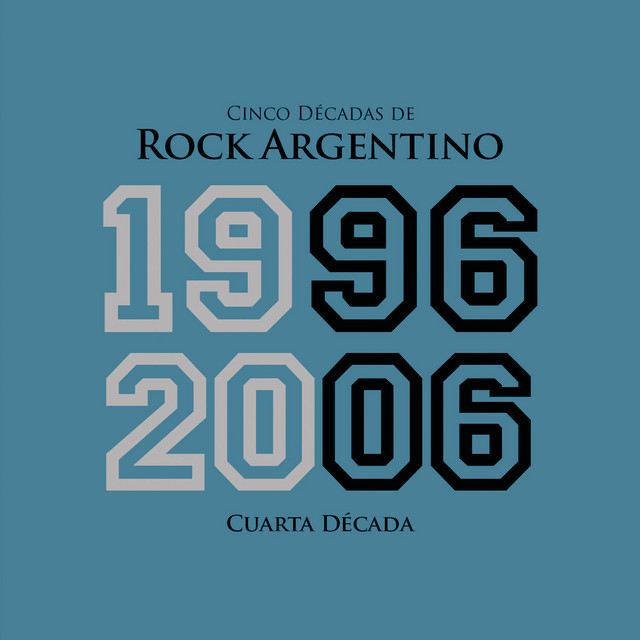
Cinco Décadas de Rock Argentino: Cuarta Década 1996 - 2006
Los Auténticos Decadentes
Murga
Ska
Similar artists
4
/5
Los Fabulosos Cadillacs
Latin Alternative
Mexican Ska
Murga
4
/5
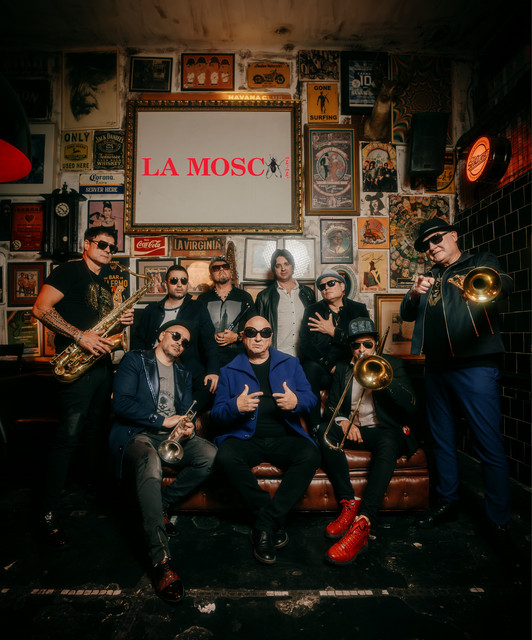
La Mosca
Murga
Ska
Argentine Rock
4
/5
Los Caligaris
Cuarteto
Mexican Ska
Murga
4
/5
No Te Va Gustar
Murga
Argentine Rock
Latin Rock
4
/5
Bersuit Vergarabat
Latin Alternative
Murga
Latin
1
/5
Various Artists
Afro-Funk
Alternative Rock
Ambient
4
/5
Los Pericos
Argentine Rock
Latin Alternative
Latin Rock
3
/5
Todos Tus Muertos
Latin Alternative
Argentine Rock
Latin Rock
4
/5
Café Tacvba
Latin Alternative
Ska
Alternative Rock
4
/5
Molotov
Mexican Ska
Ska
Mexican Rock
Download our mobile app
Get the Melodigging app and start digging for new genres on the go
Download on the App Store
Get it on Google Play
© 2026 Melodigging
Give feedback
Legal
Melodding was created as a tribute to
Every Noise at Once
, which inspired us to help curious minds keep digging into music's ever-evolving genres.