Genres
Artists
Albums
Make Music
Sign in
Sign in
Artists
Latin Alternative
Artists
Latin Alternative
Los Fabulosos Cadillacs
1986–2021
·
9 albums
Listen
4
/5
Genres
Bytebeat
Bytebeat is a minimalist form of algorithmic music in which very short computer programs (often a single arithmetic expression) generate raw PCM audio directly. It typically uses 8-bit integer math and a running time counter t to produce harsh, glitchy, melody-like patterns, rhythms, and textures through bitwise operations, shifts, modular arithmetic, and simple integer multiplications. The aesthetic sits between chiptune timbres and noise art: crunchy aliasing, stepping waveforms, and emergent structure arise from extremely compact code. First popularized online in 2011, bytebeat is as much a programming puzzle as it is a musical style, celebrated for revealing how complex musical behaviors can emerge from ultra-simple rules.
Discover
Listen
Latin Alternative
Latin alternative is an umbrella term for genre-bending music made by Latin American and US Latino artists that sits outside mainstream Latin pop. It blends alternative and indie rock attitudes with Latin rhythmic vocabularies (cumbia, salsa, ska, reggae), hip hop, and electronic production. The style privileges experimentation, hybridity, and scene-driven authenticity rather than commercial formulas. Lyrics are often in Spanish (sometimes bilingual or Spanglish), and themes range from the personal and poetic to social and political commentary. The movement coalesced in the mid-to-late 1990s around U.S. media and festivals (e.g., LAMC), helping connect diverse scenes from Mexico, Argentina, Chile, Colombia, Puerto Rico, and beyond.
Discover
Listen
Mexican Ska
Mexican ska is the Mexican expression of ska’s third wave, blending Jamaica’s off‑beat "skank" rhythm with Mexican rock en español, punk energy, and Latin dance grooves. It is horn‑driven, socially conscious, and built for dancing, often switching between brisk punk tempos and relaxed rocksteady/reggae feels. The scene coalesced in Mexico City, Tijuana, and Monterrey, where DIY venues, student festivals, and barrio culture fostered large, communal shows. Bands frequently incorporate regional flavors—cumbia cadences, mariachi‑style horn voicings, or salsa percussion—while keeping ska’s hallmark upstroke guitar and call‑and‑response hooks. Lyrics are primarily in Spanish, using local slang and addressing everyday life, love, and social justice.
Discover
Listen
Third Wave Ska
Third wave ska is the late-1980s to 1990s revival and reinvention of Jamaican ska, energized by punk rock and American alternative culture. It keeps the signature off‑beat “skank” guitar and punchy horn lines, but often accelerates tempos and borrows punk’s drive, sing‑along choruses, and DIY ethos. While rooted in Jamaican ska, rocksteady, and reggae, third wave ska also filters those traditions through 2 Tone’s multicultural stance and brisk rhythmic feel. The result ranges from bright, danceable pop-ska to aggressive ska‑punk and skacore, with bands frequently switching between up-tempo punk sections and laid-back reggae breaks within a single song.
Discover
Listen
2 Tone
2 Tone (often styled Two Tone) is a late-1970s British fusion of first-wave Jamaican ska and rocksteady with the urgency of punk rock and the pop sensibility of new wave. It is fast, tightly arranged, and danceable, featuring off‑beat guitar "skank" upstrokes, melodic basslines, crisp backbeat drumming, stabbing horn riffs, and bright organ/keyboard textures. The genre is notable for its anti-racist stance and multiracial line-ups, with lyrics addressing social issues such as unemployment, urban decay, violence, and youth alienation in late-1970s/early-1980s Britain. Its visual identity—black-and-white checkerboard patterns, sharp suits, pork pie hats, and the iconic Walt Jabsco logo—symbolized racial unity and became a hallmark of the movement. Musically, 2 Tone keeps the rhythmic buoyancy of ska while tightening song structures and lifting tempos, often using minor keys and brisk grooves that balance exuberant energy with a tense, street‑level edge.
Discover
Listen
Argentine Rock
Argentine rock (Rock Nacional) is the Spanish-language rock tradition that emerged in Argentina in the late 1960s. It blended the energy and songcraft of Anglo-American rock and roll with local poetic sensibilities, urban bohemian culture, and distinctive Argentine rhythms and harmony. Across its history, the genre has absorbed folk, blues, psychedelia, progressive rock, new wave, punk, reggae/ska, and pop, while remaining anchored by melodic guitars, expressive vocals, and literate lyrics. Tango’s bittersweet harmonies and the cadences of Argentine folk (chacarera, milonga) subtly inform its phrasing, melodic turns, and lyric tone. The result is a body of music that ranges from intimate and reflective to stadium-sized and anthemic, with a strong emphasis on metaphor-rich storytelling in Rioplatense Spanish.
Discover
Listen
Latin Rock
Latin rock blends the instrumentation and attitude of rock with Afro‑Latin and Caribbean rhythms, percussion, and song forms. Typical bands combine electric guitars, bass, and drum kit with congas, bongos, timbales, and hand percussion, creating a driving, danceable groove grounded in the clave. Vocals may be in Spanish, Portuguese, Spanglish, or English, and lyrics range from love songs and urban life to social and political commentary. Harmonically, Latin rock draws from blues/rock progressions but frequently incorporates modal colors (Dorian, Mixolydian) and montuno‑style vamps borrowed from salsa and Afro‑Cuban traditions. The result sits comfortably between club‑ready rhythm and arena‑sized rock energy.
Discover
Listen
Rock En Español
Rock en español is the umbrella term for rock music performed in Spanish across Latin America and Spain. It adapts the attitude, instrumentation, and songwriting of Anglo-American rock—electric guitars, bass, drums, and hook-driven choruses—while foregrounding Spanish lyrics and local themes. The style ranges from 1960s beat- and garage-influenced bands to 1970s blues/psychedelia and the punk, new wave, and pop-rock explosions of the 1980s and 1990s. Lyrically it moves from social critique and urban realism to romance and introspection, often reflecting the political and cultural realities of Spanish-speaking countries.
Discover
Listen
Ska
Ska is a Jamaican popular music style characterized by a brisk 4/4 groove, off‑beat guitar or piano upstrokes (the “skank”), walking bass lines, and punchy horn riffs. Emerging in late‑1950s Kingston dancehalls, ska fused local mento and calypso with American rhythm & blues and jazz, creating a lively sound that celebrated independence‑era optimism and street culture. Across time, ska evolved through distinct waves: the original Jamaican ska of the early 1960s, the racially integrated and politically aware 2 Tone movement in late‑1970s Britain, and the third‑wave explosion in the 1990s that blended ska with punk energy around the world.
Discover
Listen
Rock
Rock is a broad family of popular music centered on amplified instruments, a strong backbeat, and song forms that foreground riffs, choruses, and anthemic hooks. Emerging from mid‑20th‑century American styles like rhythm & blues, country, and gospel-inflected rock and roll, rock quickly expanded in scope—absorbing folk, blues, and psychedelic ideas—while shaping global youth culture. Core sonic markers include electric guitar (often overdriven), electric bass, drum kit emphasizing beats 2 and 4, and emotive lead vocals. Rock songs commonly use verse–chorus structures, blues-derived harmony, and memorable melodic motifs, ranging from intimate ballads to high‑energy, stadium‑sized performances.
Discover
Listen
Latin
Latin (as a genre label) is a broad umbrella used by the recording industry to categorize popular music rooted in Latin America, the Caribbean, and the Iberian world, often characterized by syncopated Afro-diasporic rhythms, dance-forward grooves, and lyrics primarily in Spanish or Portuguese. As a marketplace category that took shape in the mid-20th century United States, it gathers diverse traditions—Afro-Cuban, Brazilian, Mexican, and Caribbean styles—into a shared space. In practice, "Latin" spans everything from big-band mambo and bolero ballads to contemporary pop, rock, hip hop, and dance fusions produced by artists of Latin American heritage.
Discover
Listen
Jazz
Jazz is an improvisation-centered music tradition that emerged from African American communities in the early 20th century. It blends blues feeling, ragtime syncopation, European harmonic practice, and brass band instrumentation into a flexible, conversational art. Defining features include swing rhythm (a triplet-based pulse), call-and-response phrasing, blue notes, and extended harmonies built on 7ths, 9ths, 11ths, and 13ths. Jazz is as much a way of making music—spontaneous interaction, variation, and personal sound—as it is a set of forms and tunes. Across its history, jazz has continually hybridized, from New Orleans ensembles and big-band swing to bebop, cool and hard bop, modal and free jazz, fusion, and contemporary cross-genre experiments. Its influence permeates global popular and art music.
Discover
Listen
Murga
Murga is a carnival-rooted performance genre that blends choral singing, sharp social satire, and highly rhythmic street percussion. Typically presented by neighborhood troupes, it combines theatrical staging, elaborate costumes, and choreographed movement with a driving, snare-led groove. Although it has variants across the Hispanic world, murga is especially associated with the Río de la Plata region, where its sound crystallized into massed chorus, rapid-fire "cuplés" (satirical couplets), and set pieces that open (saludo) and close (retirada) each show. The tone ranges from festive and humorous to bitingly political, all delivered with bold vocal projection and call-and-response energy.
Discover
Listen
Show all 13 genres
Albums
2021
4
/5
Obras Cumbres
Los Fabulosos Cadillacs
Mexican Ska
Murga
2005
4
/5
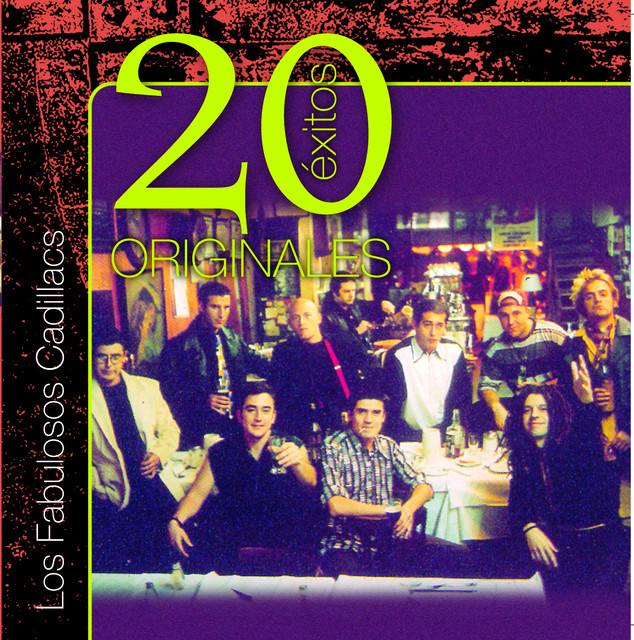
Originales - 20 Exitos
Los Fabulosos Cadillacs
Mexican Ska
Murga
Ska
1999
3
/5
La marcha del golazo solitario
Los Fabulosos Cadillacs
Latin Alternative
Jazz
Rock
1997
1
/5
Fabulosos calavera
Los Fabulosos Cadillacs
Latin Alternative
1995
4
/5
Rey Azúcar
Los Fabulosos Cadillacs
Latin Alternative
1993
4
/5
Vasos Vacíos
Los Fabulosos Cadillacs
Mexican Ska
Murga
1992
4
/5
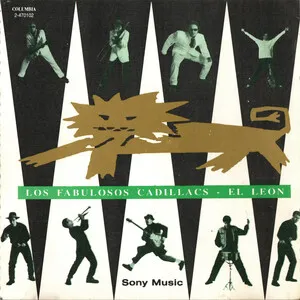
El león
Los Fabulosos Cadillacs
Third Wave Ska
Latin Alternative
Ska
1987
3
/5
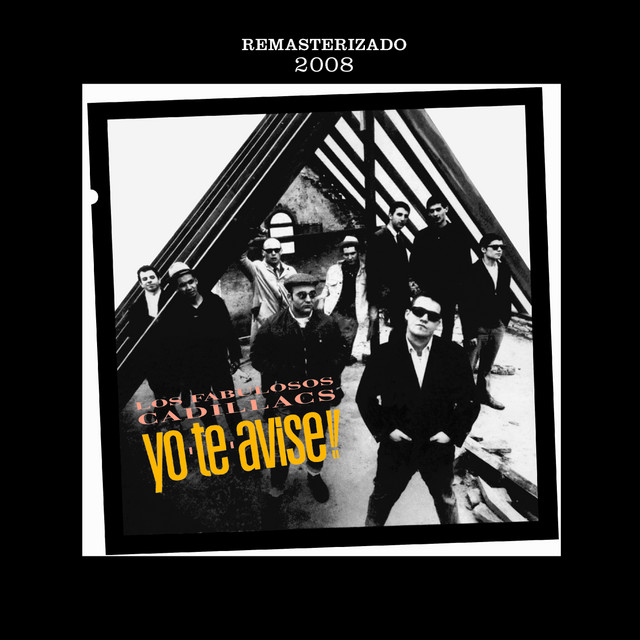
Yo te avisé!!
Los Fabulosos Cadillacs
2 Tone
Third Wave Ska
Mexican Ska
1986
3
/5
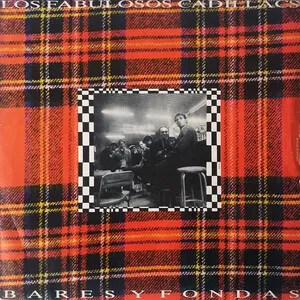
Bares y fondas
Los Fabulosos Cadillacs
2 Tone
Similar artists
1
/5
Various Artists
Afro-Funk
Alternative Rock
Ambient
4
/5
Molotov
Mexican Ska
Ska
Mexican Rock
4
/5
Maldita Vecindad Y Los Hijos Del 5to. Patio
Ska
Mexican Ska
Latin
4
/5
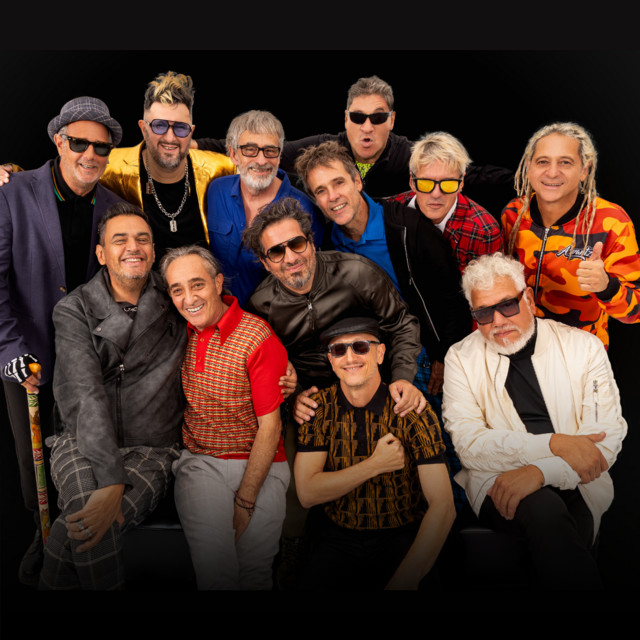
El Gran Silencio
Musica Quintanarroense
Mexican Ska
Mexican Rock
4
/5
Los Auténticos Decadentes
Murga
Ska
Argentine Rock
3
/5
Todos Tus Muertos
Latin Alternative
Argentine Rock
Latin Rock
3
/5
La Lupita
Latin Alternative
Latin Rock
Mexican Rock
3
/5
Tijuana No!
Latin Alternative
Latin Rock
Mexican Rock
3
/5
Desorden Público
Latin Ska
Latin Alternative
Latin Rock
4
/5
Los Caligaris
Cuarteto
Mexican Ska
Murga
Download our mobile app
Get the Melodigging app and start digging for new genres on the go
Download on the App Store
Get it on Google Play
© 2026 Melodigging
Give feedback
Legal
Melodding was created as a tribute to
Every Noise at Once
, which inspired us to help curious minds keep digging into music's ever-evolving genres.