Genres
Artists
Albums
Make Music
Sign in
Sign in
Artists
Argentine Rock
Artists
Argentine Rock
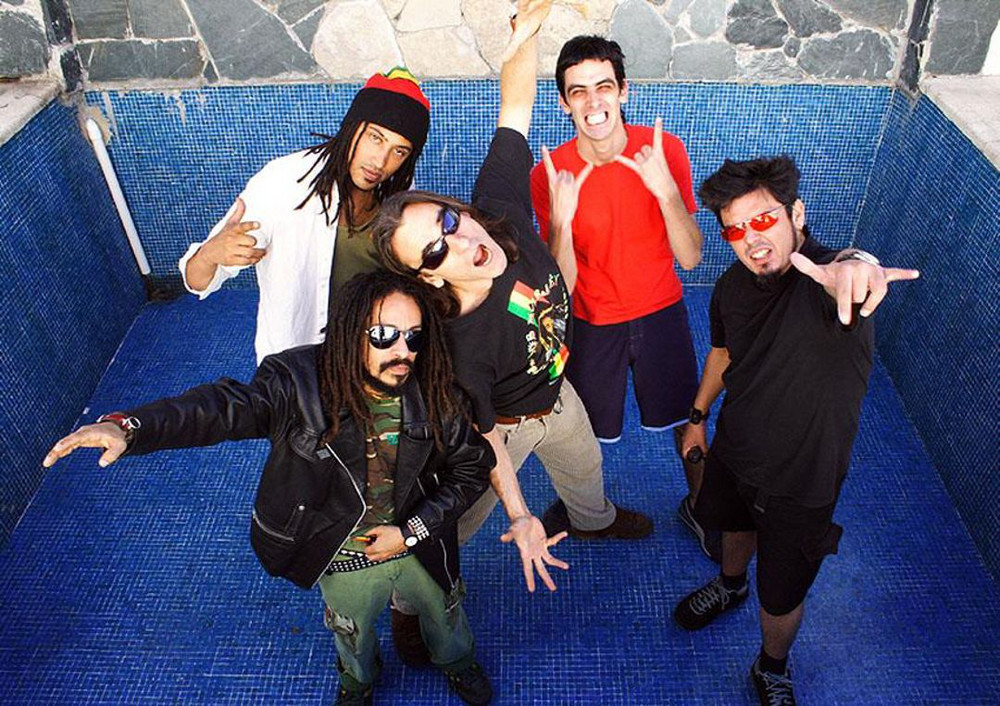
Los Pericos
Listen
4
/5
Genres
Manso Indie
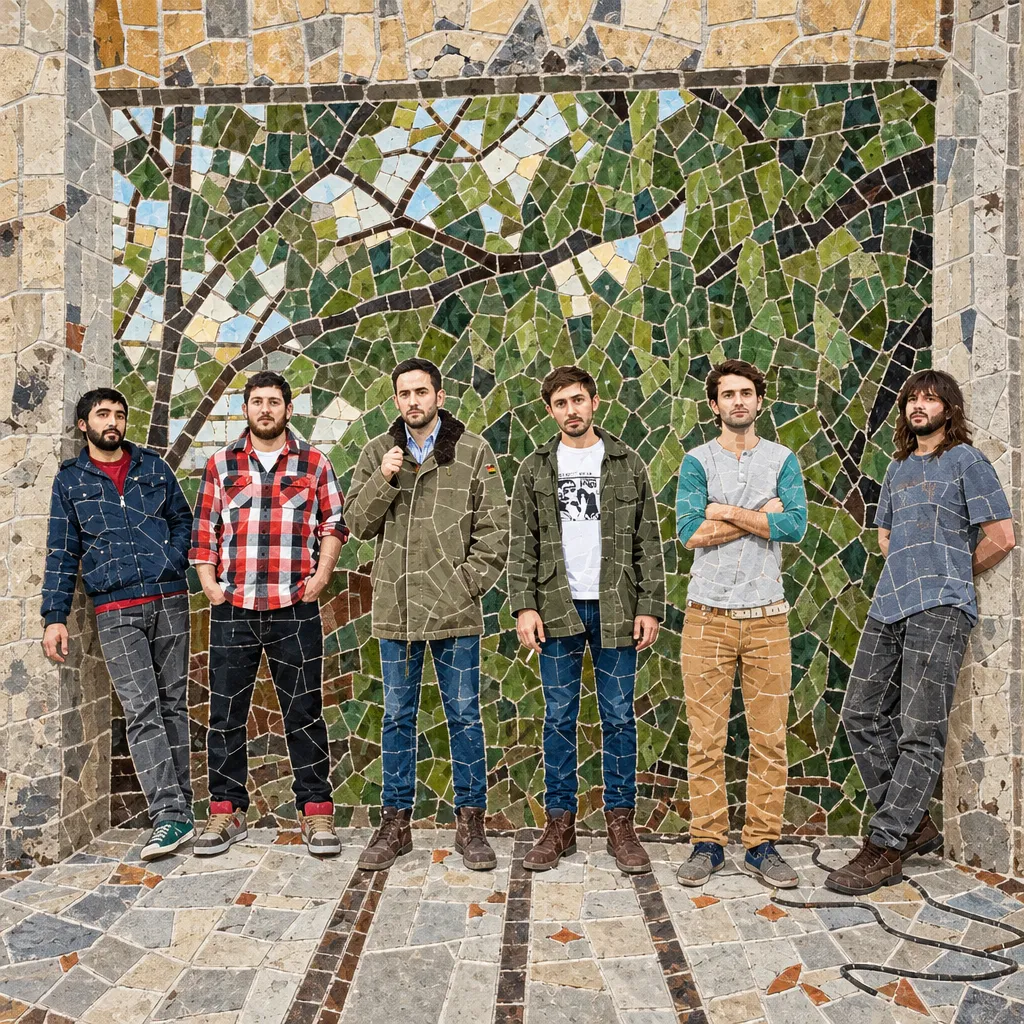
Manso indie is an Argentine strand of indie rock and indie pop that blossomed in the 2010s, centered largely in the Cuyo region (especially Mendoza). The word “manso” in regional slang evokes something cool, chill, and pleasant, and the music mirrors that mood: warm guitars, laid‑back vocals, melodic bass lines, and unfussy, DIY‑friendly production. Sonically, it favors mid‑tempo grooves, jangly or chorus‑washed guitars, gentle synth pads, and roomy drums. Lyrics tend to be intimate and observational—romance, friendship, youth, and city or small‑town scenes—delivered with an understated, conversational tone. While connected to the broader Argentine “rock nacional” lineage, manso indie distinguishes itself by its mellow dynamics, sun‑dappled harmonies, and a preference for vibe and songcraft over virtuosity.
Discover
Listen
Latin Alternative
Latin alternative is an umbrella term for genre-bending music made by Latin American and US Latino artists that sits outside mainstream Latin pop. It blends alternative and indie rock attitudes with Latin rhythmic vocabularies (cumbia, salsa, ska, reggae), hip hop, and electronic production. The style privileges experimentation, hybridity, and scene-driven authenticity rather than commercial formulas. Lyrics are often in Spanish (sometimes bilingual or Spanglish), and themes range from the personal and poetic to social and political commentary. The movement coalesced in the mid-to-late 1990s around U.S. media and festivals (e.g., LAMC), helping connect diverse scenes from Mexico, Argentina, Chile, Colombia, Puerto Rico, and beyond.
Discover
Listen
Spanish-Language Reggae
Spanish-language reggae (often called "reggae en español") adapts Jamaican reggae and dancehall aesthetics to Spanish lyrics and Latin American cultural contexts. It spans two complementary currents: roots/reggae bands that sing in Spanish, and the Panamanian dancehall/singjay tradition that placed Spanish toasting over Jamaican riddims. Hallmarks include syncopated one‑drop or steppers drum patterns, a prominent, melodic bassline, offbeat guitar/keyboard "skank," and dub-informed production with space, delay, and spring reverb. Vocals range from soulful crooning to rapid-fire singjay flows, switching fluidly between Spanish and Caribbean slang. Lyrical themes move between social commentary, identity, romance, spirituality, and party vibes. From local sound systems to global stages, the style became a bridge between Jamaica’s sound system culture and the Latin world—both preserving reggae’s roots spirit and directly feeding the emergence of reggaetón and broader urbano scenes.
Discover
Listen
Argentine Rock
Argentine rock (Rock Nacional) is the Spanish-language rock tradition that emerged in Argentina in the late 1960s. It blended the energy and songcraft of Anglo-American rock and roll with local poetic sensibilities, urban bohemian culture, and distinctive Argentine rhythms and harmony. Across its history, the genre has absorbed folk, blues, psychedelia, progressive rock, new wave, punk, reggae/ska, and pop, while remaining anchored by melodic guitars, expressive vocals, and literate lyrics. Tango’s bittersweet harmonies and the cadences of Argentine folk (chacarera, milonga) subtly inform its phrasing, melodic turns, and lyric tone. The result is a body of music that ranges from intimate and reflective to stadium-sized and anthemic, with a strong emphasis on metaphor-rich storytelling in Rioplatense Spanish.
Discover
Listen
Latin Rock
Latin rock blends the instrumentation and attitude of rock with Afro‑Latin and Caribbean rhythms, percussion, and song forms. Typical bands combine electric guitars, bass, and drum kit with congas, bongos, timbales, and hand percussion, creating a driving, danceable groove grounded in the clave. Vocals may be in Spanish, Portuguese, Spanglish, or English, and lyrics range from love songs and urban life to social and political commentary. Harmonically, Latin rock draws from blues/rock progressions but frequently incorporates modal colors (Dorian, Mixolydian) and montuno‑style vamps borrowed from salsa and Afro‑Cuban traditions. The result sits comfortably between club‑ready rhythm and arena‑sized rock energy.
Discover
Listen
Reggae
Reggae is a popular music genre from Jamaica characterized by a laid-back, syncopated groove, prominent bass lines, and steady offbeat “skank” guitar or keyboard chords. The rhythmic core often emphasizes the third beat in a bar (the “one drop”), creating a spacious, rolling feel that foregrounds bass and drums. Typical instrumentation includes drum kit, electric bass, rhythm and lead guitars, keyboards/organ (notably the Hammond and the percussive "bubble"), and often horn sections. Tempos generally sit around 70–80 BPM (or 140–160 BPM felt in half-time), allowing vocals to breathe and messages to be clearly delivered. Lyrically, reggae ranges from love songs and everyday storytelling to incisive social commentary, resistance, and spirituality, with Rastafarian culture and language (e.g., “I and I”) playing a central role in many classic recordings. Studio production techniques—spring reverbs, tape delays, and creative mixing—became signature elements, especially through dub versions that strip down and reimagine tracks.
Discover
Listen
Rock En Español
Rock en español is the umbrella term for rock music performed in Spanish across Latin America and Spain. It adapts the attitude, instrumentation, and songwriting of Anglo-American rock—electric guitars, bass, drums, and hook-driven choruses—while foregrounding Spanish lyrics and local themes. The style ranges from 1960s beat- and garage-influenced bands to 1970s blues/psychedelia and the punk, new wave, and pop-rock explosions of the 1980s and 1990s. Lyrically it moves from social critique and urban realism to romance and introspection, often reflecting the political and cultural realities of Spanish-speaking countries.
Discover
Listen
Ska
Ska is a Jamaican popular music style characterized by a brisk 4/4 groove, off‑beat guitar or piano upstrokes (the “skank”), walking bass lines, and punchy horn riffs. Emerging in late‑1950s Kingston dancehalls, ska fused local mento and calypso with American rhythm & blues and jazz, creating a lively sound that celebrated independence‑era optimism and street culture. Across time, ska evolved through distinct waves: the original Jamaican ska of the early 1960s, the racially integrated and politically aware 2 Tone movement in late‑1970s Britain, and the third‑wave explosion in the 1990s that blended ska with punk energy around the world.
Discover
Listen
Show all 8 genres
Similar artists
3
/5
Todos Tus Muertos
Latin Alternative
Argentine Rock
Latin Rock
4
/5
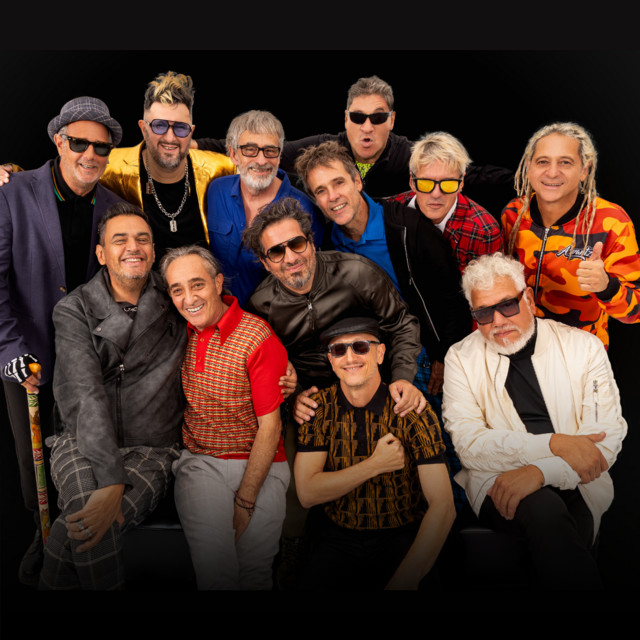
Los Auténticos Decadentes
Murga
Ska
Argentine Rock
4
/5
Los Fabulosos Cadillacs
Latin Alternative
Mexican Ska
Murga
4
/5
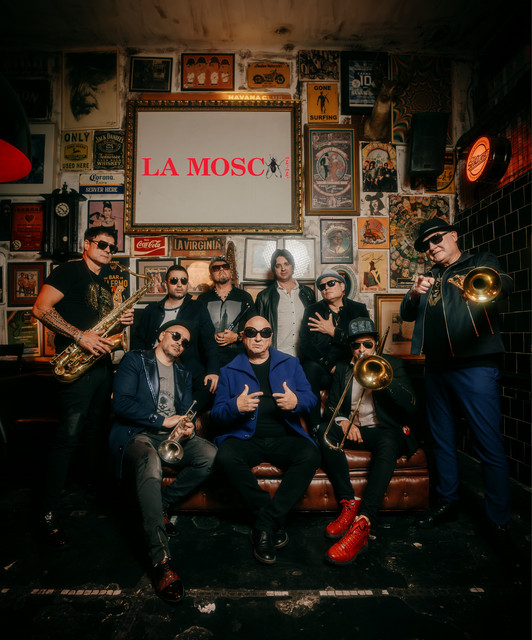
La Mosca
Murga
Ska
Argentine Rock
4
/5
El Gran Silencio
Musica Quintanarroense
Mexican Ska
Mexican Rock
1
/5
Various Artists
Afro-Funk
Alternative Rock
Ambient
3
/5
Sumo
Argentine Rock
Latin Rock
Rock
4
/5
Soda Stereo
Argentine Rock
Rock
Latin Rock
4
/5
Los Enanitos Verdes
Argentine Rock
Mexican Rock
Latin Alternative
4
/5
Andrés Calamaro
Argentine Rock
Flamenco Urbano
Latin Rock
Download our mobile app
Get the Melodigging app and start digging for new genres on the go
Download on the App Store
Get it on Google Play
© 2026 Melodigging
Give feedback
Legal
Melodding was created as a tribute to
Every Noise at Once
, which inspired us to help curious minds keep digging into music's ever-evolving genres.