Genres
Artists
Albums
Make Music
Sign in
Sign in
Artists
Chicago Indie
Artists
Chicago Indie
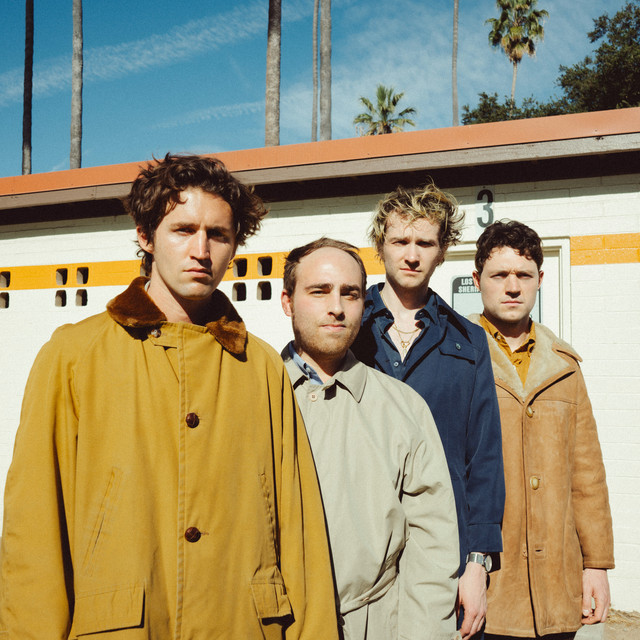
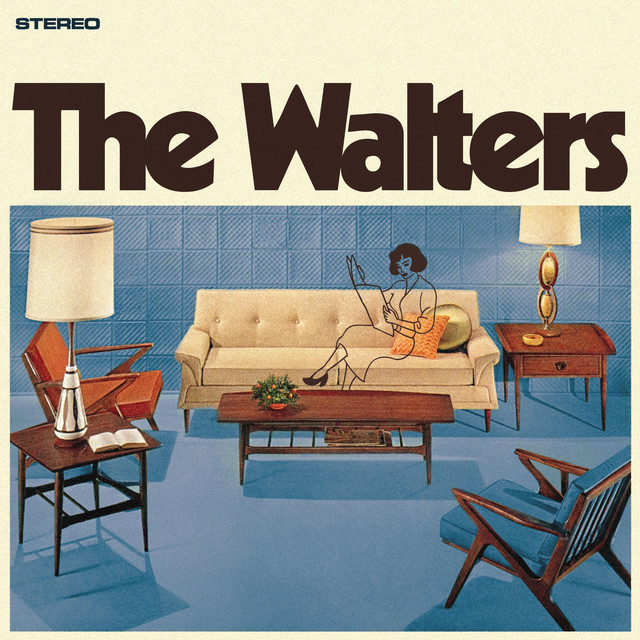
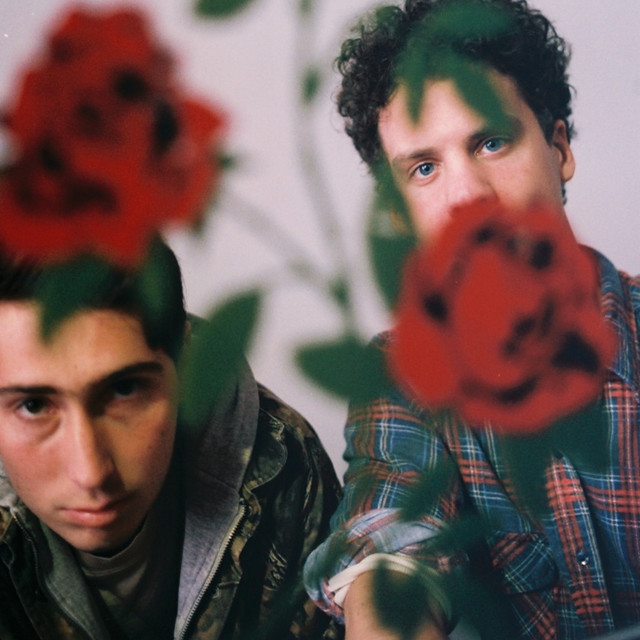
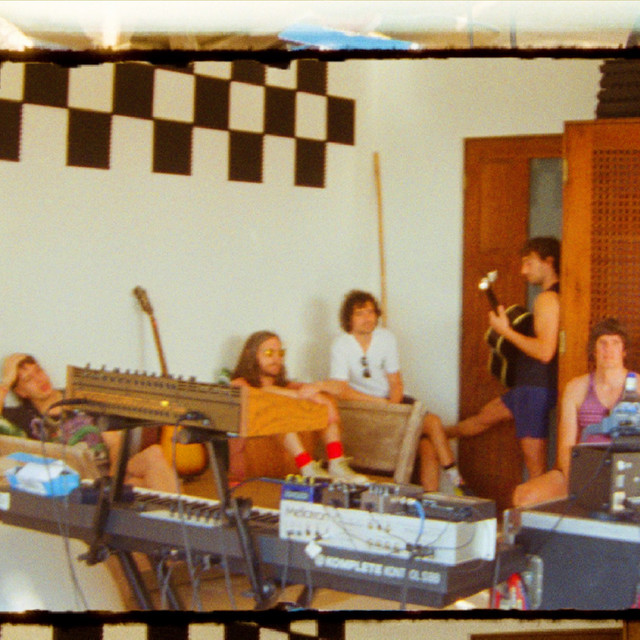
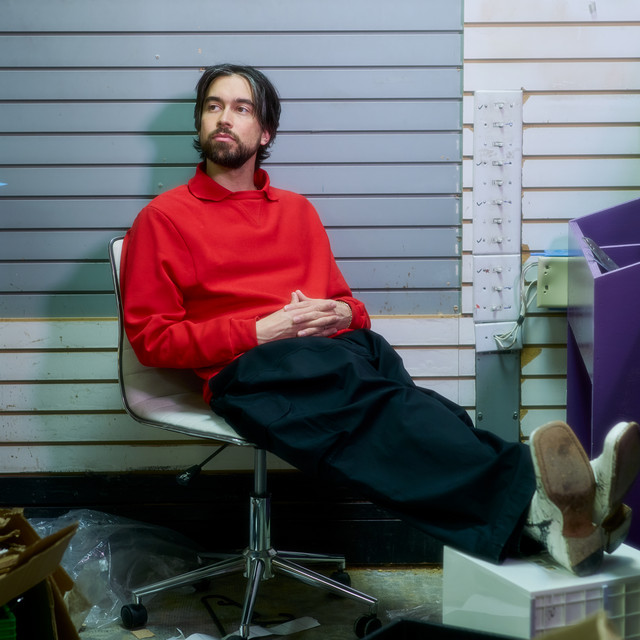
The Walters
2014–2025
·
7 albums
Listen
4
/5
Genres
Rage
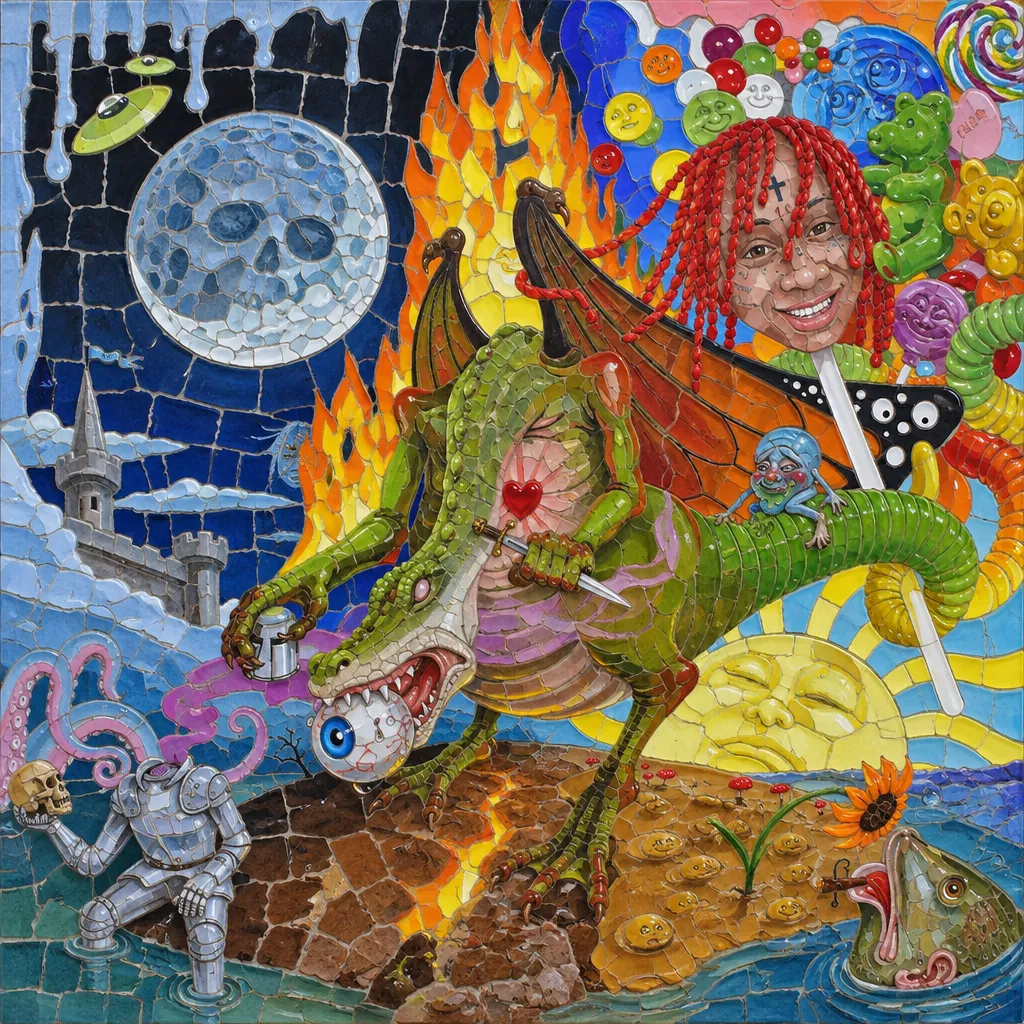
Rage is a high-energy, synth-forward trap production style characterized by bright, detuned supersaw leads, pounding 808s, and fast, looping drum patterns built for explosive rap performances. It emphasizes instant-impact hooks, minimal chord movement, and anthemic drops that feel closer to festival EDM crescendos than traditional hip hop breakdowns. The sound rose from the post–SoundCloud, punk-influenced branch of trap, drawing on the icy simplicity of Playboi Carti’s late-2010s palette and marrying it with trance/eurodance-styled leads and EDM trap dynamics. The result is a glossy, adrenalized bed for shouted, rebellious vocals—music designed for mosh pits, arena stages, and viral snippets alike.
Discover
Listen
Shimmer Psych
Shimmer psych is a contemporary strand of neo‑psychedelia that pairs sparkling, chorus‑washed guitars and gauzy vocal harmonies with dreamy pop songcraft. It emphasizes high‑end "shimmer," tape‑soft saturation, hypnagogic textures, and melodic hooks, sitting between dream pop, jangle pop, and classic psychedelic rock. Typical tracks are mid‑tempo, built on warm bass lines, gentle motorik or laid‑back breakbeats, and drenched in reverb, phaser, and delay. The result is sun‑bleached, nostalgic, and kaleidoscopic rather than heavy or jam‑oriented.
Discover
Listen
Sleep
Sleep is a functional music category designed to support falling asleep and sustaining restful, uninterrupted sleep. It favors extremely low stimulation: slow or absent pulse, very soft dynamics, long envelopes, and timbres that avoid sharp transients. Stylistically, it borrows from ambient and new-age traditions (drones, gentle pads, soft piano), environmental and field recordings (rain, waves, wind), and unobtrusive tonal fragments. Production emphasizes smooth spectral balance, minimal movement, and gradual change so the listener can disengage without sudden arousal. In the streaming era, “sleep” became a distinct, curated space: long-form tracks and continuous mixes, colored-noise beds, and sparse neoclassical motifs, optimized for bedtime routines, night-long playback, and bedroom acoustics.
Discover
Listen
Pov: Indie
"pov: indie" is a social-media-native microstyle built around short, cinematic indie-pop/indie-rock snippets designed to accompany a first-person (POV) narrative. Instead of being defined by a single new musical technique, it is defined by context: the music is chosen or written to feel like the soundtrack to a specific moment (a crush, a late-night walk, moving to a new city, seasonal nostalgia). Sonically it typically uses bright but soft guitars or synths, intimate vocals, simple memorable hooks, and production that reads clearly on phone speakers. The emotional tone is often wistful, tender, and “coming-of-age,” with lyrics that can be understood quickly in a 10–30 second clip.
Discover
Listen
Writing
Writing is a functional, streaming-era microgenre designed to support reading and writing by providing an unobtrusive sonic backdrop. It favors gentle dynamics, sparse textures, and a stable emotional temperature that reduces distraction while maintaining a subtle sense of flow. The sound palette commonly blends modern classical elements (felt piano, light strings), ambient pads and drones, soft post-rock guitars with long reverb tails, and understated downtempo or lo-fi rhythms. Tempos are typically slow to moderate (often 60–90 BPM) or pulse-free, with simple, repetitive motifs and gradual evolution rather than dramatic contrasts. Harmonically, it leans on consonant, slowly changing chords, modal centers, and extended triads for warmth, avoiding sharp dissonance or sudden modulations. Vocals, when present at all, are wordless; most tracks are instrumental to preserve focus.
Discover
Listen
Chill Breakcore
Chill breakcore is a micro-style that softens the jagged edges of classic breakcore with lush ambience, dreamy pads, and emotive melodies. It retains the genre’s telltale chopped Amen breaks, granular edits, and breakneck rhythmic vocabulary, but tempers them with downtempo moods, lo‑fi textures, and vaporous sound design. Producers often work at drum-and-bass or breakcore tempos (typically 150–175 BPM) while shaping the overall feel to be intimate, melancholic, and relaxed—sometimes even half‑time—so the beats feel intricate but weightless. The result sits somewhere between atmospheric jungle, IDM, and vaporwave: breakbeats that shimmer instead of bludgeon, and harmony that leans nostalgic rather than abrasive.
Discover
Listen
Classify
Classify is a streaming-era microgenre that blends light classical technique with contemporary pop repertoire, typically presented as unobtrusive instrumental covers. It prioritizes soft dynamics, gentle tempos, and intimate recording to create a calm, elegant backdrop suitable for studying, working, or events. Most arrangements are for solo piano, string quartet, cello/piano duos, or small chamber ensembles. Harmonies remain diatonic and consonant, melodies are clearly voiced, and textures favor arpeggios, ostinati, and sustained legato lines. The overall aesthetic borrows from modern classical and new age moods while retaining the familiarity of pop song forms.
Discover
Listen
Fake
“Fake” is an informal, streaming-era genre tag used for sound‑alike covers, karaoke takes, tribute recordings, and generic instrumental remakes that closely mimic current or classic hits. Rather than foregrounding the original songwriter’s concept, these recordings prioritize recognizability, search optimization, and fast turnaround. Session singers and studio players reproduce the hook, tempo, and arrangement with minimal reinterpretation; track and artist names often echo the original title or lyrical catchphrase to capture search traffic.
Discover
Listen
The Wave
The Wave is a loosely defined cluster of American post-hardcore/emo bands that surged in the early 2010s as emo-pop’s mainstream moment faded. The name was a tongue‑in‑cheek scene tag that stuck in press coverage, but it points to a real overlap in sound, ethos, and touring networks. Musically, The Wave fuses the urgency of 1990s post‑hardcore and screamo with confessional, literate lyric writing associated with emo. Expect shouted or half‑sung/half‑spoken vocals, dynamic quiet‑loud builds, intricate but driving drums, and guitar textures that shift between glassy clean arpeggios and overdriven, emotive climaxes. The songs often emphasize catharsis, narrative detail, and community-minded DIY presentation.
Discover
Listen
Chill Dream Pop
Chill dream pop is a soft-focus, slow-tempo branch of dream pop that emphasizes hushed vocals, languid grooves, and a hazy, nocturnal atmosphere. It blends reverb-drenched guitars and shimmering synth pads with understated drum programming to create an intimate, weightless feel. Compared with classic dream pop, the “chill” variant leans further into minimalism and smooth, lo-fi textures, borrowing from chillwave and bedroom pop. Lyrics often center on memory, dusk-lit romance, and liminal spaces, delivered in a breathy, close-mic tone that sits inside lush ambient reverbs and delays.
Discover
Listen
Connecticut Indie
Connecticut indie is a regional strain of U.S. indie rock that blends the heartfelt directness of emo-revival with the fuzzy guitars, DIY ethics, and adventurous textures of New England’s underground. Rooted in college-town and small-city scenes (Middletown, New Haven, Willimantic, Hartford), the sound swings between twinkly, lyrically confessional indie and louder, shoegaze- or noise-tinged guitar rock. You’ll hear gang-vocal catharsis, transparent production that favors live-room energy, and occasional orchestral or synth flourishes that reflect the area’s art-school and experimental leanings. While it is geographically defined, the micro-scene’s bands networked nationally through house shows, small labels, and online communities, making Connecticut indie both locally grounded and widely connected.
Discover
Listen
Pianissimo
Pianissimo is a contemporary micro‑genre centered on very soft, intimate piano music designed for calm focus, rest, and reflection. It borrows the classical dynamic marking “pp” (very soft) as an aesthetic principle: close‑miked, felt‑damped pianos, sparse harmonies, slow tempos, and generous ambience. Emerging alongside the streaming era’s focus/sleep/reading playlists, the style sits between post‑classical minimalism and ambient music. Pieces are typically short miniatures, diatonic and melodic, with unobtrusive movement—music that can live comfortably in the background yet rewards attentive listening. Occasional cello or soft strings, subtle tape hiss, and long reverbs are common textural companions. Historically it traces a line from Satie’s quiet piano idiom and the American minimalist school to the 2000s–2010s “neo‑classical” wave (Einaudi, Frahm, Arnalds), but with an explicitly hushed, domestic sound that foregrounds tenderness, space, and restraint.
Discover
Listen
Reading Indie
Reading indie refers to the contemporary indie-rock and indie-pop scene centered on Reading, Berkshire (UK). It blends jangly and driving guitar textures with anthemic choruses and a distinctly British melodic sensibility. The sound often sits between post-punk revival bite, festival-ready alternative rock, and (via local history) shoegaze shimmer. Songs balance energetic, danceable rhythms with bittersweet, small‑town storytelling and youthful urgency, making the style travel well from clubs to big outdoor stages.
Discover
Listen
Sky Room
Sky room is a streaming-era microgenre of airy, pastel-hued alt‑pop and indie R&B that sits between bedroom pop and chill electronic music. It emphasizes soft, close-miked vocals, spacious reverbs, light trap‑influenced percussion, and gentle synth or clean guitar textures. The overall sound is weightless and daydreamy—designed as much for background listening as for late‑night introspection. Lyrically, sky room leans toward intimate, confessional themes—quiet anxieties, tender romance, and coming‑of‑age self-reflection—conveyed with minimalist phrasing and catchy, understated hooks.
Discover
Listen
Weirdcore
Weirdcore is an internet-native microgenre and aesthetic of experimental electronic music that leans into liminal nostalgia, eerie memory, and uncanny ambience. Its sound palette often combines misty pads, degraded samples, tape hiss, and bitcrushed percussion with disembodied voices, classroom and mall PA announcements, retro operating system chimes, and field recordings of empty or transitional spaces. Harmonically, weirdcore favors drones, slowly shifting modal clusters, and ambiguous, memory-warping intervals that feel familiar yet distorted. Rhythm ranges from beatless, foggy soundscapes to brittle, broken 2-step and slow, stumbling downtempo pulses. Heavy time-stretching, granular manipulation, wow-and-flutter, convolution reverbs, and spectral or cassette-style degradation are central to its texture. Although closely tied to a visual aesthetic (liminal spaces, late-night analog glow, low-resolution signage), weirdcore as a musical style is defined by its uncanny collage sensibility: sampling and warping everyday audio detritus until it becomes emotionally charged, melancholic, and faintly unsettling.
Discover
Listen
Chicago Indie
Chicago indie is a regional strain of indie rock rooted in the city’s DIY venues, adventurous labels, and cross‑pollination between punk, post‑rock, emo, and art‑pop circles. It blends clean, interlocking guitars with warm, analog‑leaning production, rhythm section agility (often borrowing jazz/post‑rock phrasing), and literate, introspective lyrics. Compared with coastal indie hubs, Chicago’s sound skews both brainy and blue‑collar: experimentally curious but grounded in songwriting, groove, and community. Iconic local labels like Touch and Go, Drag City, Thrill Jockey, and Kranky, plus venues such as the Empty Bottle and Metro, fostered a culture that prizes integrity, collaboration, and live dynamics. Across eras, Chicago indie stretches from post‑rock and mathy textures to jangly garage, indie folk, and alt‑country inflections, unified by a shared DIY ethos and an openness to genre‑blending.
Discover
Listen
Indie Rock
Indie rock is a subgenre of rock and a branch of alternative rock that coalesced in the early–mid 1980s around independent labels and DIY practices in the United Kingdom, the United States, and New Zealand. Defined less by a single sound than by an ethos, indie rock favors non‑mainstream approaches, self‑recording and small‑label distribution, and an interest in pop‑informed melody and eclectic experimentation. Hallmarks include jangly or fuzzed guitars, intimate or deadpan vocals, off‑kilter song structures, and production that often preserves a raw, “authentic” feel rather than glossy studio polish.
Discover
Listen
Indie Pop
Indie pop is a melodic, DIY-rooted branch of alternative music that blends the immediacy of pop songwriting with the independence and aesthetics of underground scenes. It typically features jangly, clean-toned guitars, tuneful bass lines, compact song structures, and intimate, literate lyrics that balance sweetness with subtle melancholy. The sound often leans toward bright chord progressions, earworm choruses, and understated production, favoring charm and personality over gloss. Culturally, indie pop is tied to small labels, fanzines, and community radio, with influential scenes and imprints such as Postcard, Sarah, and Creation laying the groundwork for its global diffusion.
Discover
Listen
Pop
Pop is a broad, hook-driven style of popular music designed for wide appeal. It emphasizes memorable melodies, concise song structures, polished vocals, and production intended for radio, charts, and mass media. While pop continually absorbs elements from other styles, its core remains singable choruses, accessible harmonies, and rhythmic clarity. Typical forms include verse–pre-chorus–chorus, frequent use of bridges and middle-eights, and ear-catching intros and outros. Pop is not defined by a single instrumentation. It flexibly incorporates acoustic and electric instruments, drum machines, synthesizers, and increasingly digital production techniques, always in service of the song and the hook.
Discover
Listen
Rock
Rock is a broad family of popular music centered on amplified instruments, a strong backbeat, and song forms that foreground riffs, choruses, and anthemic hooks. Emerging from mid‑20th‑century American styles like rhythm & blues, country, and gospel-inflected rock and roll, rock quickly expanded in scope—absorbing folk, blues, and psychedelic ideas—while shaping global youth culture. Core sonic markers include electric guitar (often overdriven), electric bass, drum kit emphasizing beats 2 and 4, and emotive lead vocals. Rock songs commonly use verse–chorus structures, blues-derived harmony, and memorable melodic motifs, ranging from intimate ballads to high‑energy, stadium‑sized performances.
Discover
Listen
Show all 20 genres
Albums
2025
2
/5
Silver Screens
The Walters
Chicago Indie
2025
1
/5
Cheap Drugs
The Walters
Chicago Indie
2025
1
/5
Life On The Line
The Walters
Chicago Indie
2021
4
/5
I Love You So (Acoustic)
The Walters
Chicago Indie
2017
2
/5
She's Gonna Leave You
The Walters
Chicago Indie
2015
3
/5
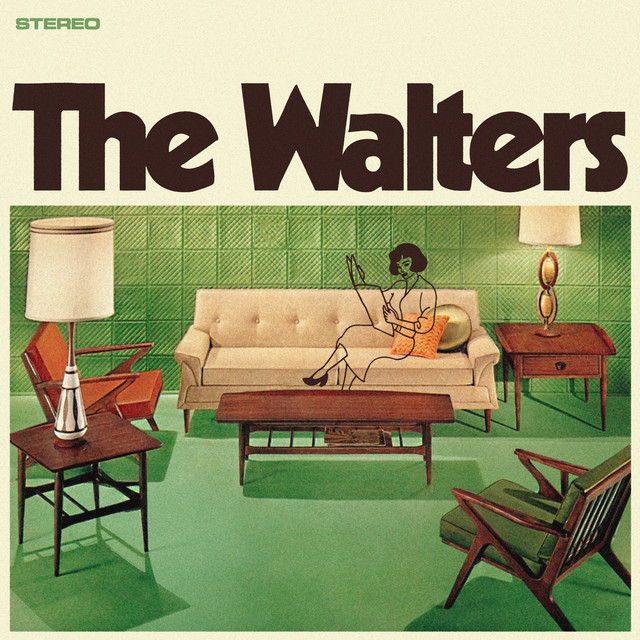
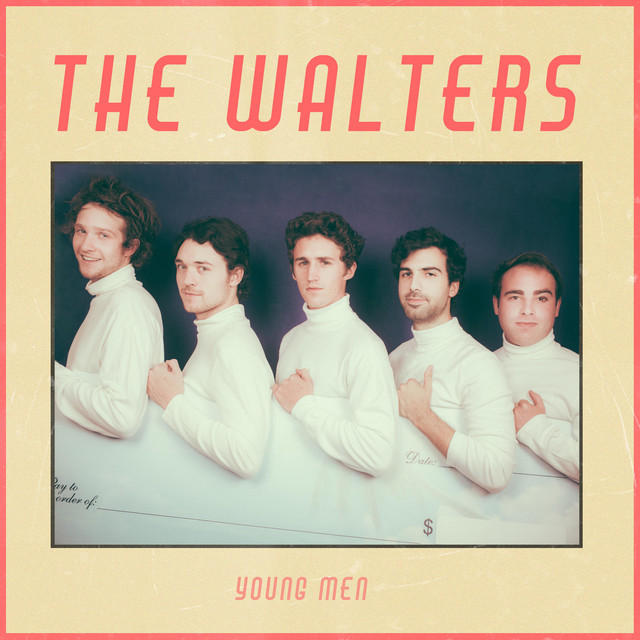
Young Men
The Walters
Chicago Indie
Indie Rock
Pop
2014
5
/5
I Love You So
The Walters
Chicago Indie
Similar artists
5
/5
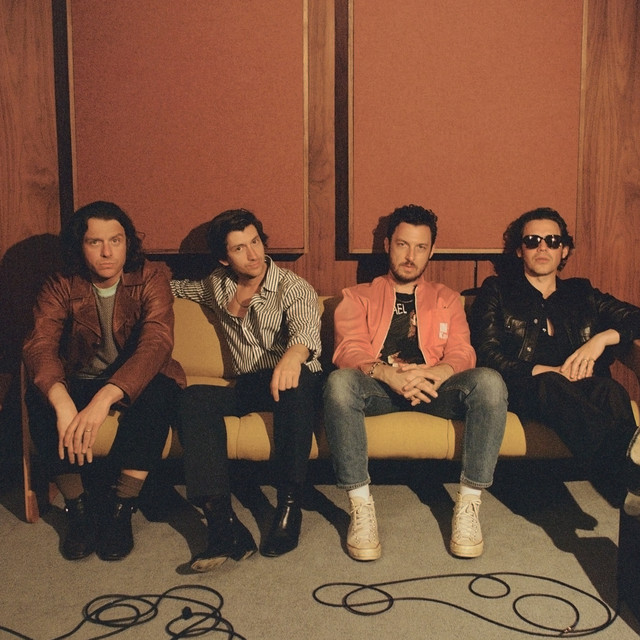
Arctic Monkeys
Garage Rock
Indie
Indie Rock
5
/5
Phoebe Bridgers
Indie Pop
Folk
Indie Folk
4
/5
Beach House
Dream Pop
Indie Rock
Dreamo
5
/5
beabadoobee
Bubblegrunge
Indie Pop
Bedroom Pop
4
/5
The Cardigans
Lilith
Rock
Chill Pop
3
/5
Whitney
Chicago Indie
Countrygaze
Indie Rock
5
/5
Mac DeMarco
Lo-Fi Indie
Indie Rock
Slacker Rock
5
/5
The Strokes
Alternative Rock
Garage Rock
Indie Rock
5
/5
Mitski
Rock
Indie Rock
Alternative Rock
4
/5
Alex G
Slacker Rock
Lo-Fi
Rock
Download our mobile app
Get the Melodigging app and start digging for new genres on the go
Download on the App Store
Get it on Google Play
© 2026 Melodigging
Give feedback
Legal
Melodding was created as a tribute to
Every Noise at Once
, which inspired us to help curious minds keep digging into music's ever-evolving genres.