Genres
Artists
Albums
Make Music
Sign in
Sign in
Artists
Chamber Folk
Artists
Chamber Folk
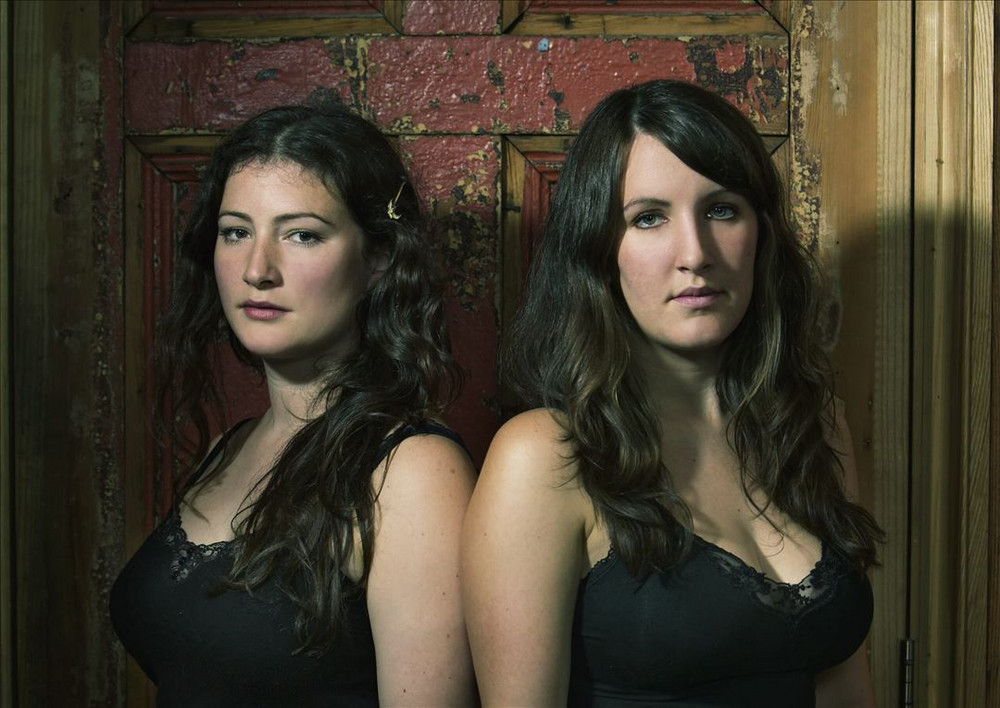
The Unthanks
Listen
2
/5
Genres
Chamber Folk
Chamber folk blends singer‑songwriter and traditional folk songwriting with the textures and arranging techniques of chamber music. Acoustic guitar, harp, or piano typically carry the song, while small ensembles of strings and woodwinds provide counter‑melodies, pedal drones, and delicate harmonic color. The style favors intimate vocals, close‑miked acoustic timbres, and nuanced dynamics over percussive drive. Arrangements often develop patiently, using techniques like pizzicato, harmonics, and gentle swells to underline narrative, pastoral, or reflective lyrics. The overall mood is warm, detailed, and quietly expansive.
Discover
Listen
Indie Folk
Indie folk blends the DIY ethos and sonic aesthetics of independent rock with the acoustic instrumentation, intimate storytelling, and melodic simplicity of traditional folk. Timbres are typically warm and organic—fingerpicked acoustic guitars, close-mic’d vocals, subtle percussion, and spare ornamentation from banjo, mandolin, harmonium, or strings. Production often favors natural room ambiance, tape hiss, and gentle compression over glossy polish, creating a sense of proximity and emotional candor. Lyrically, the style is reflective and poetic, focusing on personal narratives, place, nature, spirituality, and memory. Harmony tends to be diatonic and modal, with drones, open tunings, and layered vocal harmonies adding depth. While understated, arrangements can scale into lush, choir-like textures and chamber-folk swells, balancing fragility with grandeur.
Discover
Listen
Contemporary Folk
Contemporary folk is a modern evolution of traditional folk aesthetics centered on intimate storytelling, clear melodies, and largely acoustic instrumentation. It favors voice-forward production, fingerpicked or gently strummed guitars, and arrangements that leave space for lyrics to resonate. While rooted in older folk ballad traditions, contemporary folk embraces current themes, production values, and song forms. Artists often blend guitar, banjo, mandolin, fiddle, upright or electric bass, light percussion, and close vocal harmonies, creating a warm, organic sound. The genre frequently addresses personal reflection, social issues, place, memory, and identity, balancing timeless simplicity with contemporary sensibilities.
Discover
Listen
Folk
Folk is a song-centered acoustic tradition rooted in community storytelling, everyday life, and social history. It emphasizes clear melodies, simple harmonies, and lyrics that foreground narrative, protest, and personal testimony. As a modern recorded genre, folk coalesced in the early-to-mid 20th century in the United States out of older ballad, work song, and rural dance traditions. It typically features acoustic instruments (guitar, banjo, fiddle, mandolin, harmonica), strophic song forms, and participatory singing (choruses, call-and-response).
Discover
Listen
Traditional Folk
Traditional folk is a broad umbrella for orally transmitted songs and dance tunes that circulated in rural and working-class communities before the age of mass recording. Repertoires include narrative ballads, laments, love songs, work songs, lullabies, and instrumental dance sets such as reels, jigs, hornpipes, and marches. Stylistically, traditional folk favors strophic forms, pentatonic or modal melodies (often Dorian and Mixolydian), limited harmonic movement, and strong, memorable tunes designed for communal singing and dancing. Performances range from unaccompanied solo voice to small ensembles built around fiddle, flute/whistle, pipes, concertina/accordion, guitar, banjo, and frame drum. Ornamentation, variation by verse, and flexible tempo are integral, reflecting an oral tradition where songs live through continual reinterpretation. Although it is pan‑regional, the modern idea of “traditional folk” coalesced in the 19th century through collectors and revivalists who documented vernacular music and framed it as cultural heritage.
Discover
Listen
Christmas Music
Christmas music is a body of sacred and secular repertoire associated with the celebration of Christmas and the winter season. It spans medieval carols, liturgical hymns, and oratorios through to 20th‑century Tin Pan Alley standards, crooner ballads, jazz‑swing arrangements, pop hits, gospel renditions, and contemporary acoustic or R&B interpretations. Stylistically it is diverse but often shares warm, nostalgic melodies, memorable choruses, and lyrics that reference the Nativity story, peace and goodwill, family gatherings, winter imagery, and figures like Santa Claus. Sleigh bells, choirs, strings, brass, and glockenspiel/celesta are common coloristic touches, while harmony ranges from simple I–IV–V progressions to richer jazz voicings. Its seasonal recurrence has made it a cultural tradition that reappears annually across radio, streaming, film, advertising, and public spaces.
Discover
Listen
Similar artists
1
/5
Various Artists
Afro-Funk
Alternative Rock
Ambient
2
/5
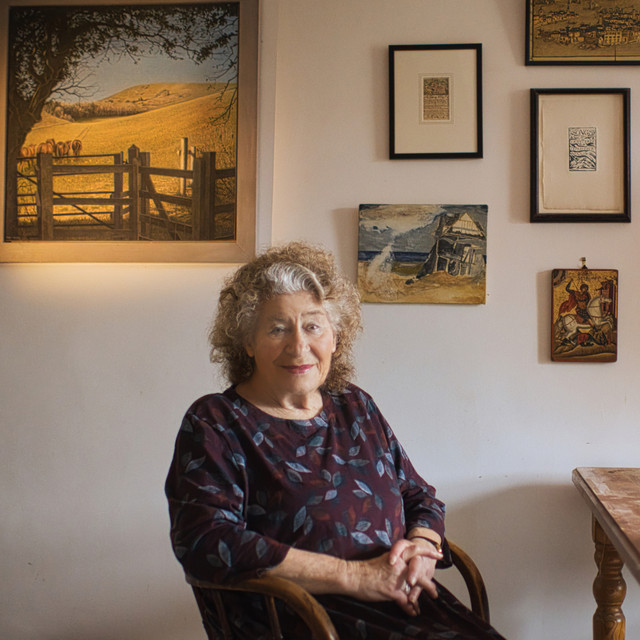
Shirley Collins
English Folk Music
Folk
Traditional Folk
4
/5
Sufjan Stevens
Singer-Songwriter
Chamber Pop
Indie Rock
4
/5
Van Morrison
Folk Rock
Folk
Rock
4
/5
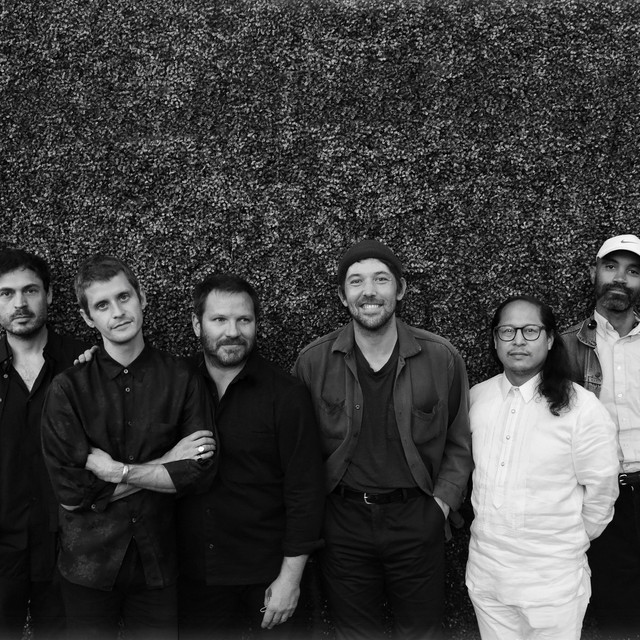
Fleet Foxes
Folk
Indie Folk
Chamber Folk
4
/5
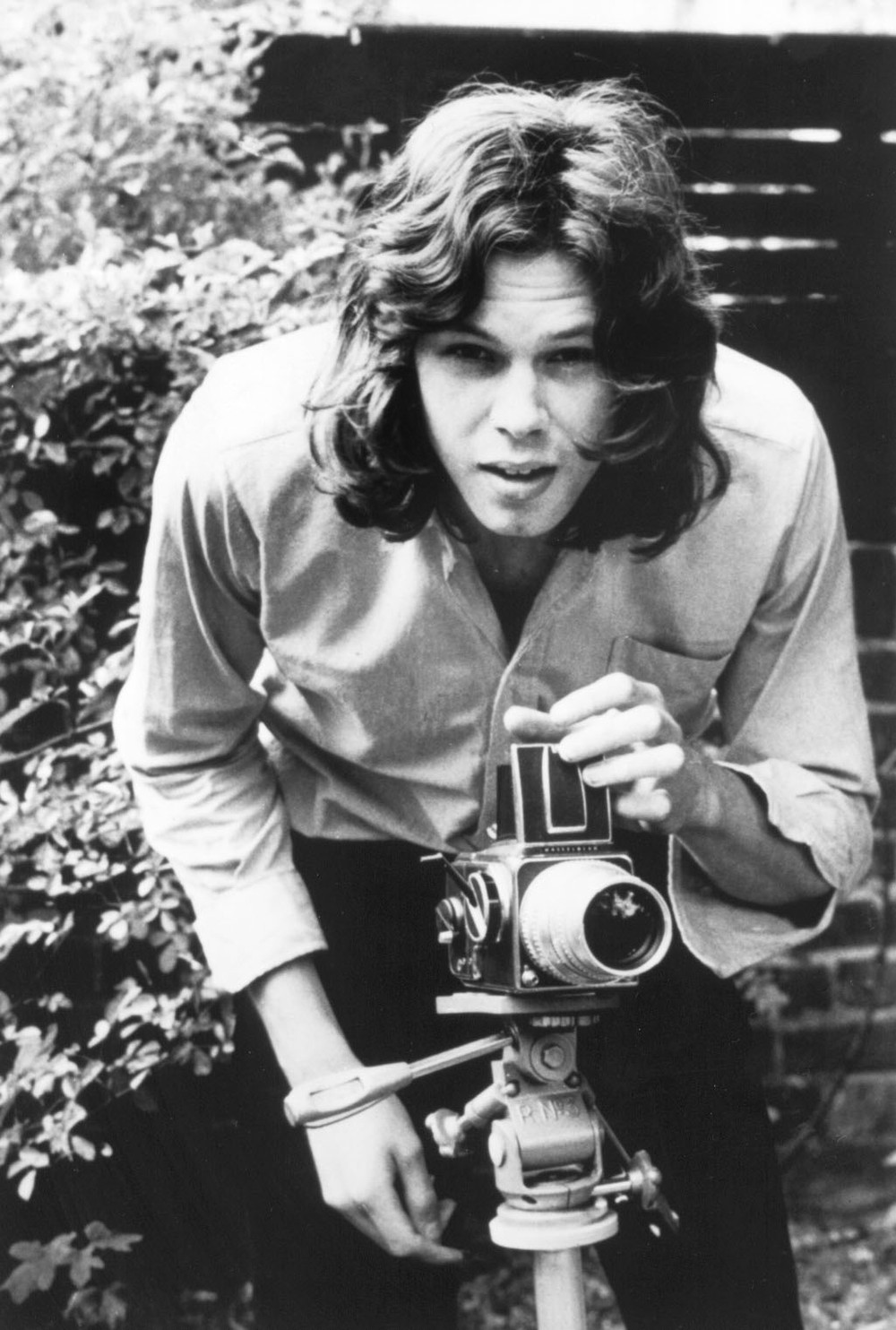
Nick Drake
Folk
Melancholia
Singer-Songwriter
4
/5
Ichiko Aoba
Shibuya-Kei
Singer-Songwriter
Japanese Indie
3
/5
Joan Baez
Folk
Folk Rock
Greenwich Village Scene
3
/5
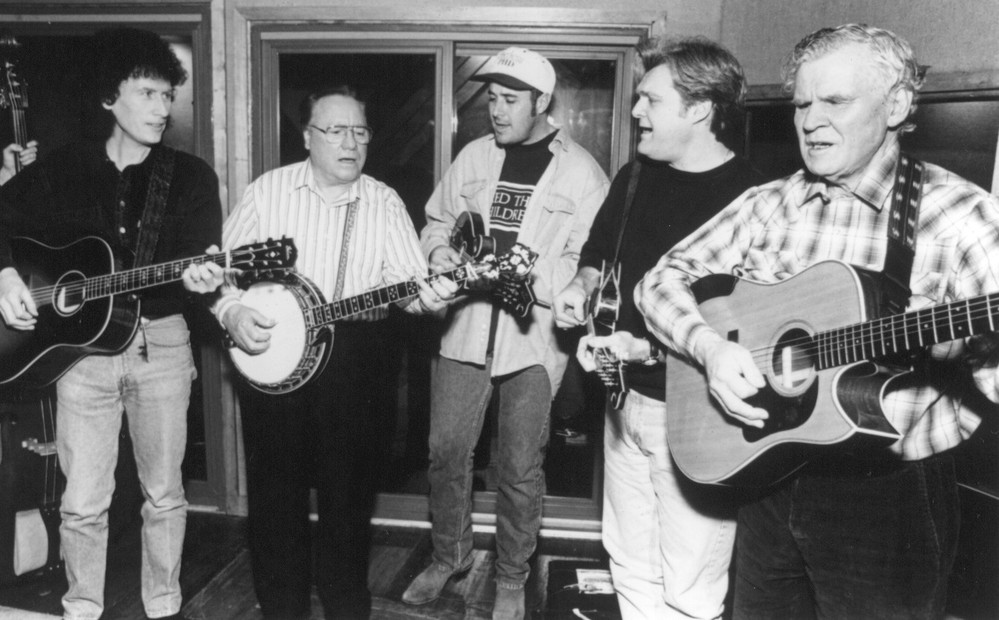
Doc Watson
Appalachian Folk
Bluegrass
Folk
3
/5
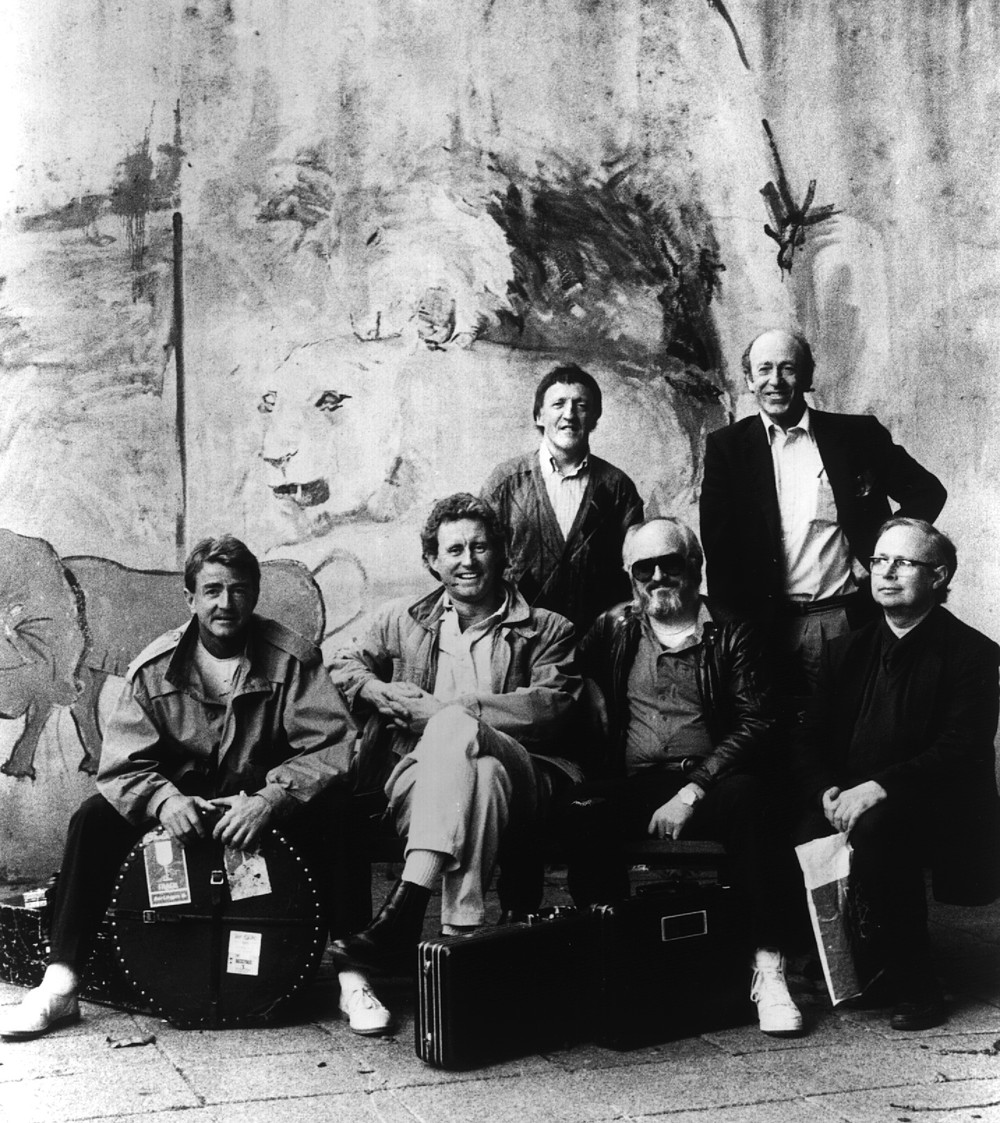
The Chieftains
Celtic
Folk
Country And Irish
Download our mobile app
Get the Melodigging app and start digging for new genres on the go
Download on the App Store
Get it on Google Play
© 2026 Melodigging
Give feedback
Legal
Melodding was created as a tribute to
Every Noise at Once
, which inspired us to help curious minds keep digging into music's ever-evolving genres.