Genres
Artists
Albums
Make Music
Sign in
Sign in
Artists
Funk
Artists
Funk
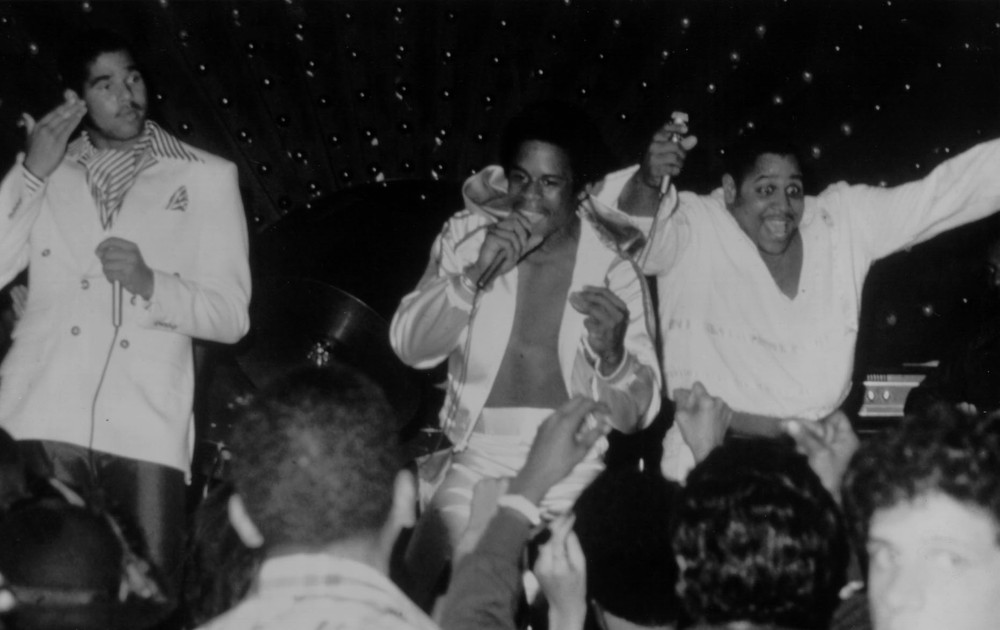
The Sugarhill Gang
1980–1999
·
4 albums
Listen
3
/5
Genres
Chill Drill
Chill drill is a mellow, melodic offshoot of UK drill that keeps the style’s distinctive sliding 808s, syncopated hi-hats, and snare-on-3 placement, but softens the overall timbre and mood. Instead of ominous synths and harsh textures, it leans on airy pads, Rhodes pianos, gentle guitar loops, and lo‑fi ambience. Vocals tend to be more introspective and tuneful, with sing-rap hooks, laid-back cadences, and reflective lyric themes (romance, ambition, day-to-day life). The result bridges drill’s rhythmic identity with chillhop and lo‑fi hip hop’s relaxed atmosphere, creating tracks that are both groove-driven and easy to live with.
Discover
Listen
Chill Pop
Chill pop is a contemporary pop micro‑genre that blends radio‑friendly songwriting with the mellow textures of chillout and lo‑fi aesthetics. It favors soft vocals, smooth synths, clean guitar plucks, understated bass, and relaxed, mid‑tempo grooves. Instead of big, bombastic hooks, chill pop tends toward intimate, conversational melodies and minimal, airy arrangements. Production often borrows from bedroom pop and alternative R&B—subtle trap hi‑hats, warm saturation, roomy reverbs, and gentle side‑chain compression—to create a breezy, pastel sound palette well suited to playlists and late‑night listening. Lyrically, chill pop is introspective and relatable: romance, longing, gentle optimism, and coming‑of‑age themes delivered in a plain‑spoken, whisper‑close tone. The result sits between indie pop’s understated cool and mainstream pop’s catchy structures, optimized for the streaming era’s mood‑driven consumption.
Discover
Listen
Uk Drill
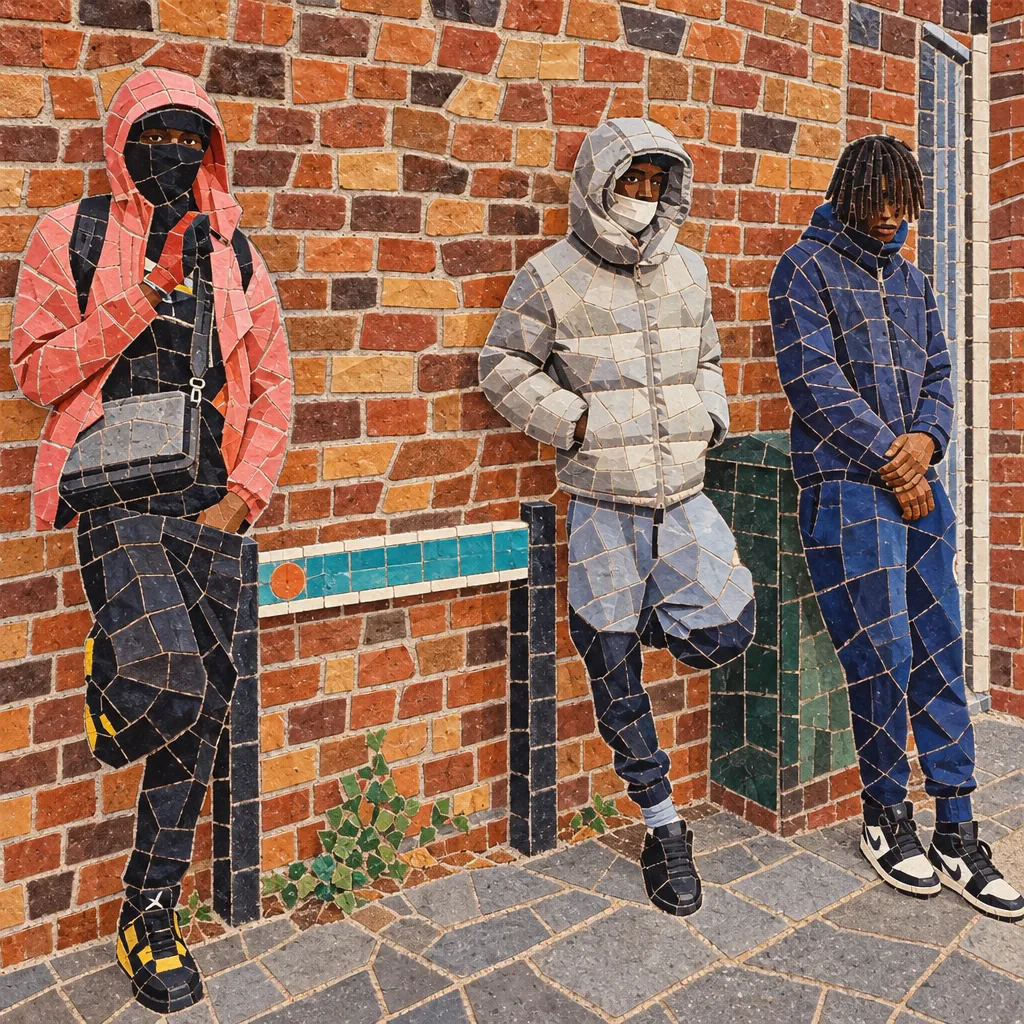
UK drill is a dark, hard-edged offshoot of hip hop that emerged in London in the mid‑2010s. It is characterized by sliding 808 basslines, sparse minor‑key melodies, skittering hi‑hat rolls, and heavy, punchy drums programmed in a cold, half‑time groove around 138–144 BPM. Vocals are delivered in deadpan, menacing flows that draw on London road slang and, at times, Jamaican patois cadences. Lyrical themes often depict street realities, territoriality, and social pressure, set against an austere, cinematic soundscape. The genre’s sound design emphasizes tension—detuned pianos, eerie pads, choral stabs, and dissonant textures—while maintaining a head‑nodding bounce that makes it club‑potent despite its bleak tone. Developed by crews across South and East London, UK drill translated the template of Chicago drill through the lens of grime and UK road rap, becoming a globally influential style that reshaped drill scenes from New York to Sydney.
Discover
Listen
Deep Funk Ostentacao
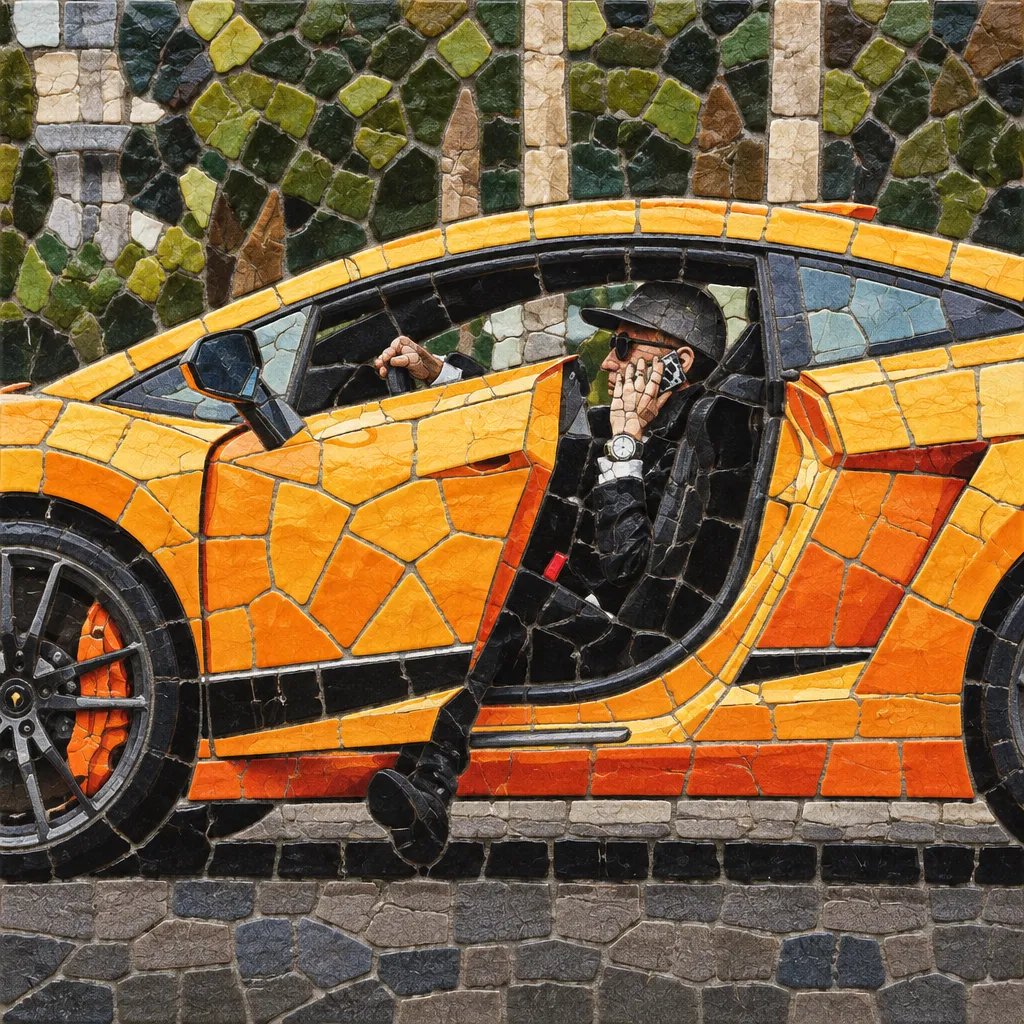
Deep funk ostentação is a moody, late‑night variant of São Paulo’s funk ostentação, emphasizing deeper sub‑bass, sparse percussion, and atmospheric pads while retaining the genre’s themes of luxury, status, and upward mobility. Compared with the brighter, EDM‑leaning hits of ostentação in the early 2010s, the “deep” approach strips arrangements down to hypnotic tamborzão grooves, 808 low‑end, and minimal, minor‑key synth motifs. Vocals often sit closer to the beat, with autotune and chant‑like hooks, but the lyrical focus remains on conspicuous consumption (cars, brands, nightlife) filtered through a more introspective, nocturnal aesthetic.
Discover
Listen
Deep Deep House
Deep deep house is a late-evolution branch of deep house that emphasizes warmth, space, and subtlety over overt hooks or peak-time energy. Compared with classic deep house, it leans even more toward minimal, dub-inflected textures, extended harmonies, and long atmospheric tails. Tracks typically feature understated yet weighty low end, soft Rhodes or pad chords rich in 7ths/9ths, lightly swung percussion, and carefully sculpted ambience. The mood is intimate and immersive—club music that invites close listening as much as dancing—often suited to small rooms, lounges, after-hours sets, and sunset/sunrise moments.
Discover
Listen
Deep Groove House
Deep Groove House is a modern house substyle centered on thick, rolling basslines, swung percussion, and soulful or disco-leaning motifs delivered with contemporary club production. It balances the warmth and musicality of classic and deep house with the punch and arrangement sensibilities of present-day tech-leaning club music. Hallmarks include a steady 4/4 kick (typically 122–126 BPM), syncopated bass grooves that drive the track rather than sit under it, crisp hi-hats with subtle swing, and tasteful use of organ stabs, piano chords, and filtered disco/funk samples. Vocals—when present—tend to be hooky but restrained, often chopped or looped to reinforce the groove rather than dominate it. As a playlist and DJ vernacular label, Deep Groove House crystallized around the 2010s, especially in UK- and EU-facing club culture, online stores, and label ecosystems that favored groove-first, dancefloor-ready house with deep and classic roots.
Discover
Listen
Mega Funk
Mega funk is a recent branch of Brazilian funk that pushes the sound toward heavier, darker, and more minimal club drops. Tracks are typically built around a slow-to-mid tempo groove (roughly 100–120 BPM), with huge, overdriven 808 sub-bass slides, clipped kicks, and sparse, percussive hits. The style favors short vocal chops, catchphrases, and meme-ready hooks over full verses, often processed with pitch/formant shifting and aggressive compression to cut through massive systems. Arrangements borrow EDM-style build–drop dynamics, but keep the raw drum DNA of funk carioca and the car-audio emphasis of funk automotivo. The result is a dancefloor-oriented, high-impact sound engineered to shake speakers as much as bodies.
Discover
Listen
Electro
Electro is an early 1980s machine-funk style built around drum machines (especially the Roland TR-808), sequenced basslines, and a futuristic, robotic aesthetic. It emphasizes syncopated rhythms, sparse arrangements, and timbres drawn from analog and early digital synthesizers. Vocals, when present, are often delivered via vocoder or rap-style chants, reinforcing a sci‑fi, cyborg persona. Electro’s grooves powered breakdance culture, and its sonic palette—crisp 808 kicks, snappy snares, dry claps, cowbells, and squelchy bass—became foundational to later techno and bass music.
Discover
Listen
Pop Rap
Pop rap blends the rhythmic vocal delivery and beat-centric production of hip hop with the catchy hooks, polished structures, and radio-friendly sensibilities of pop music. It typically features melodic choruses (often sung), accessible themes, and mid-tempo grooves designed for mass appeal. Production prioritizes clean, bright sonics, simple harmonic progressions, and memorable top-line melodies, while verses keep to clear, punchy flows that are easy for broad audiences to follow. Because it sits between two commercial powerhouses—pop and hip hop—pop rap has frequently served as a gateway for mainstream listeners to explore rap, while giving hip hop artists a framework to cross over to pop charts.
Discover
Listen
Disco Rap
Disco rap is the earliest commercially recorded style of rap music, fusing MC party routines with the four-on-the-floor pulse, string and horn arrangements, and bass-forward grooves of late-1970s disco and funk. Built for 12-inch singles and club sound systems, its tracks are long, dance-oriented, and structured around extended vamps, crowd participation, and call-and-response hooks. Early releases typically used live studio bands to replay famous disco breaks (most iconically Chic’s "Good Times") before drum machines and samplers gradually entered the toolkit. Lyrically, disco rap centers on party-rocking, braggadocio, shout-outs, and light storytelling delivered in clear, rhythmic cadences designed to keep dancers engaged on the floor.
Discover
Listen
Hip Hop
Hip hop is a cultural and musical movement that emerged from Black, Latino, and Caribbean communities, centering around rapping (MCing), DJing/turntablism, sampling-based production, and rhythmic speech over beats. It prioritizes groove, wordplay, and storytelling, often reflecting the social realities of urban life. Musically, hip hop is built on drum-centric rhythms (from breakbeats to 808 patterns), looped samples, and bass-forward mixes. Lyrically, it ranges from party anthems and braggadocio to political commentary and intricate poetic forms, with flow, cadence, and rhyme density as core expressive tools. Beyond music, hip hop encompasses a broader culture, historically intertwined with graffiti, b-boying/b-girling (breakdance), fashion, and street entrepreneurship, making it both an art form and a global social language.
Discover
Listen
East Coast Hip Hop
East Coast hip hop is a regional style of hip hop that emerged in New York City and the surrounding Northeastern United States. It is characterized by complex lyricism, dense rhyme schemes, gritty urban storytelling, and sample-heavy production that draws from funk, soul, and jazz records. Rhythmically, the sound is often associated with "boom-bap" drum patterns—hard-hitting kicks and crisp snares at moderate tempos—alongside chopped breakbeats, basslines, and DJ techniques such as scratching. The approach places the MC’s voice, cadence, and wordplay at the center, while the producer crafts a textured, crate-dug backdrop. Culturally, East Coast hip hop foregrounds authenticity, social commentary, and competitive MCing, while its crews and collectives (from Juice Crew to Native Tongues and Wu-Tang Clan) helped define hip hop’s golden age and set standards for lyrical excellence and sample-based beatmaking.
Discover
Listen
Old School Hip Hop
Old school hip hop is the earliest commercially recorded form of hip hop and the original template for the culture’s recorded sound. The term generally refers to music made from the early Bronx party era of 1973 through roughly 1983, before the harder, more sample‑dense “new school” sound took hold. Musically, it centers on extended breakbeats drawn from funk and disco records, live turntable techniques (cutting, backspinning, and early scratching), simple but infectious drum programming (often with the TR‑808), and crowd‑engaging MC routines. Rapping tends to feature clear enunciation, party chants, call‑and‑response, braggadocio, and narrative vignettes, delivered over steady 4/4 grooves in the 95–112 BPM range. Culturally, old school hip hop grew out of DJ‑led block parties, b‑boy/b‑girl dance breaks, and the Jamaican sound‑system tradition, and it codified the core pillars of the hip hop ethos: DJing, MCing, breaking, and graffiti.
Discover
Listen
Disco
Disco is a dance-music genre and nightlife subculture that crystallized in the United States during the 1970s, drawing especially from African-American, Italian-American, Latino, and queer club communities. Musically, disco is typified by a steady four-on-the-floor kick drum, syncopated and melodic electric-bass lines, lush string sections, bright brass and horns, electric pianos and synthesizers, and percussive, choppy rhythm guitars. Arrangements often feature orchestral colors, handclaps, congas, and vibraphone or bell textures, all engineered to deliver a continuous, groove-forward experience for the dance floor. The style combines the rich orchestration and romantic sweep of Philadelphia soul with the bottom-end drive of funk and the songcraft of contemporary R&B/pop, delivered in DJ-friendly extended mixes and 12-inch singles designed for club play.
Discover
Listen
Funk
Funk is a rhythm-forward African American popular music style that centers on groove, syncopation, and interlocking parts. Rather than emphasizing complex chord progressions, funk builds tight, repetitive vamps that highlight the rhythm section and create an irresistible dance feel. The genre is marked by syncopated drum patterns, melodic yet percussive bass lines, choppy guitar "chanks," punchy horn stabs, call‑and‑response vocals, and a strong backbeat. Funk’s stripped-down harmony, prominent use of the one (accenting the downbeat), and polyrhythmic layering draw deeply from soul, rhythm and blues, jazz, gospel, and African rhythmic traditions. From James Brown’s late-1960s innovations through the expansive P-Funk universe and the slicker sounds of the 1970s and 1980s, funk has continually evolved while seeding countless other genres, from disco and hip hop to house and modern R&B.
Discover
Listen
Show all 15 genres
Albums
1999
2
/5
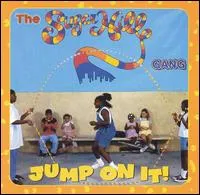
Jump on It!
The Sugarhill Gang
Disco Rap
1984
1
/5
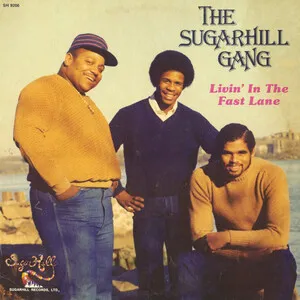
Livin' in the Fast Lane
Sugarhill Gang
Disco Rap
1981
3
/5
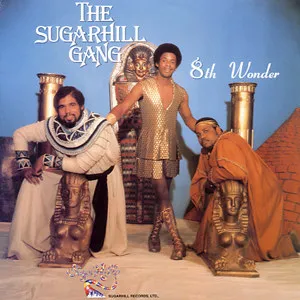
8th Wonder
Sugarhill Gang
Disco Rap
East Coast Hip Hop
Funk
1980
2
/5
Sugarhill Gang
Sugarhill Gang
Disco Rap
Disco
Funk
Similar artists
1
/5
Various Artists
Afro-Funk
Alternative Rock
Ambient
5
/5
50 Cent
East Coast Hip Hop
Old School Hip Hop
Gangsta Rap
5
/5
The Notorious B.I.G.
Hardcore Hip Hop
Hip Hop
East Coast Hip Hop
4
/5
Nas
Hardcore Hip Hop
Hip Hop
East Coast Hip Hop
4
/5
Beastie Boys
Golden Age Hip Hop
East Coast Hip Hop
Hip Hop
4
/5
Mobb Deep
East Coast Hip Hop
Hardcore Hip Hop
Old School Hip Hop
4
/5
Method Man
East Coast Hip Hop
Hip Hop
Chill Abstract Hip Hop
4
/5
Mos Def
Conscious Hip Hop
East Coast Hip Hop
Hip Hop
4
/5
A Tribe Called Quest
Hip Hop
Jazz Rap
East Coast Hip Hop
4
/5
Gang Starr
Boom Bap
East Coast Hip Hop
Hip Hop
Download our mobile app
Get the Melodigging app and start digging for new genres on the go
Download on the App Store
Get it on Google Play
© 2026 Melodigging
Give feedback
Legal
Melodding was created as a tribute to
Every Noise at Once
, which inspired us to help curious minds keep digging into music's ever-evolving genres.