Genres
Artists
Albums
Make Music
Sign in
Sign in
Artists
Hardcore Hip Hop
Artists
Hardcore Hip Hop
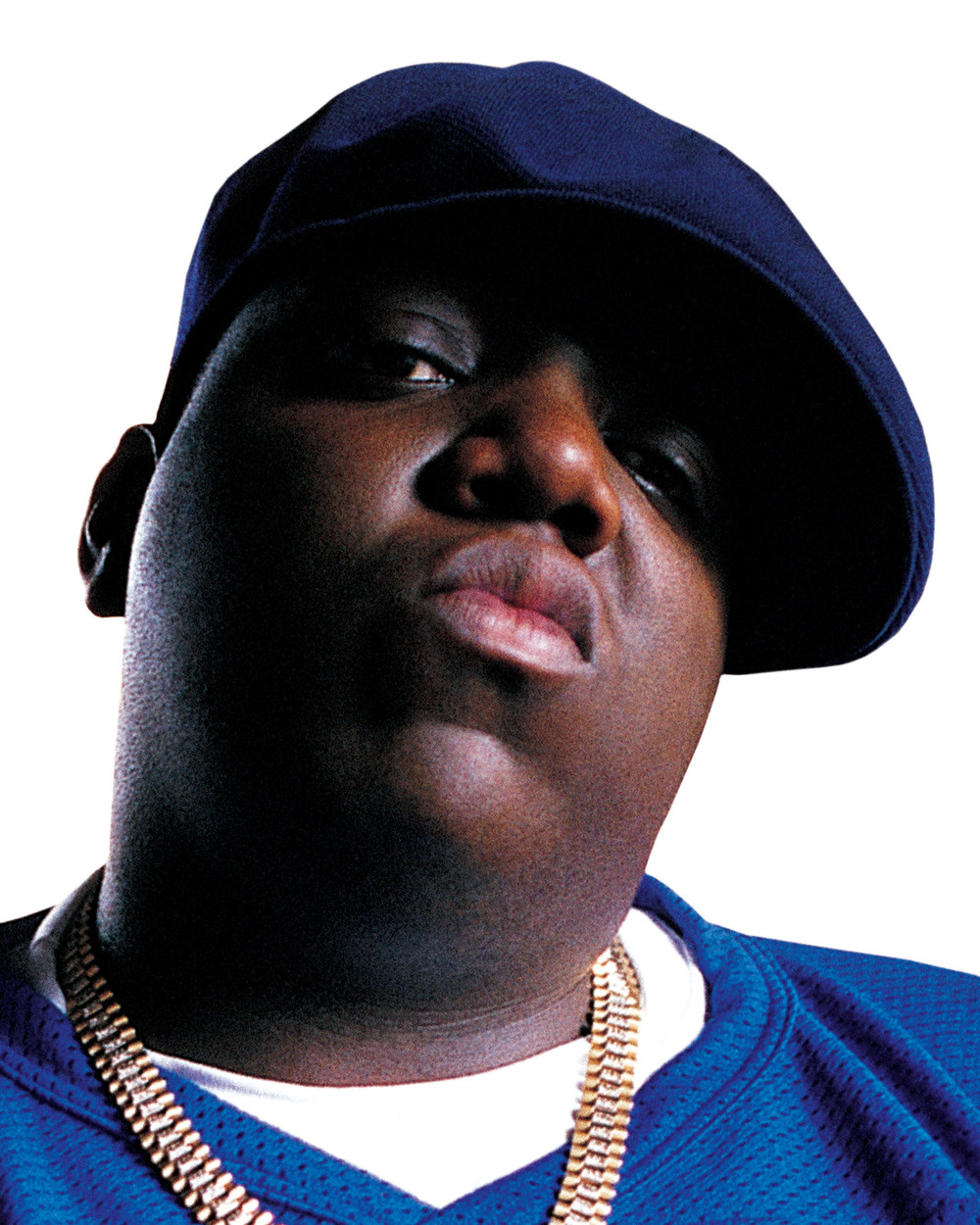
The Notorious B.I.G.
1994–2020
·
8 albums
Listen
5
/5
Genres
Chill Drill
Chill drill is a mellow, melodic offshoot of UK drill that keeps the style’s distinctive sliding 808s, syncopated hi-hats, and snare-on-3 placement, but softens the overall timbre and mood. Instead of ominous synths and harsh textures, it leans on airy pads, Rhodes pianos, gentle guitar loops, and lo‑fi ambience. Vocals tend to be more introspective and tuneful, with sing-rap hooks, laid-back cadences, and reflective lyric themes (romance, ambition, day-to-day life). The result bridges drill’s rhythmic identity with chillhop and lo‑fi hip hop’s relaxed atmosphere, creating tracks that are both groove-driven and easy to live with.
Discover
Listen
Aussie Drill
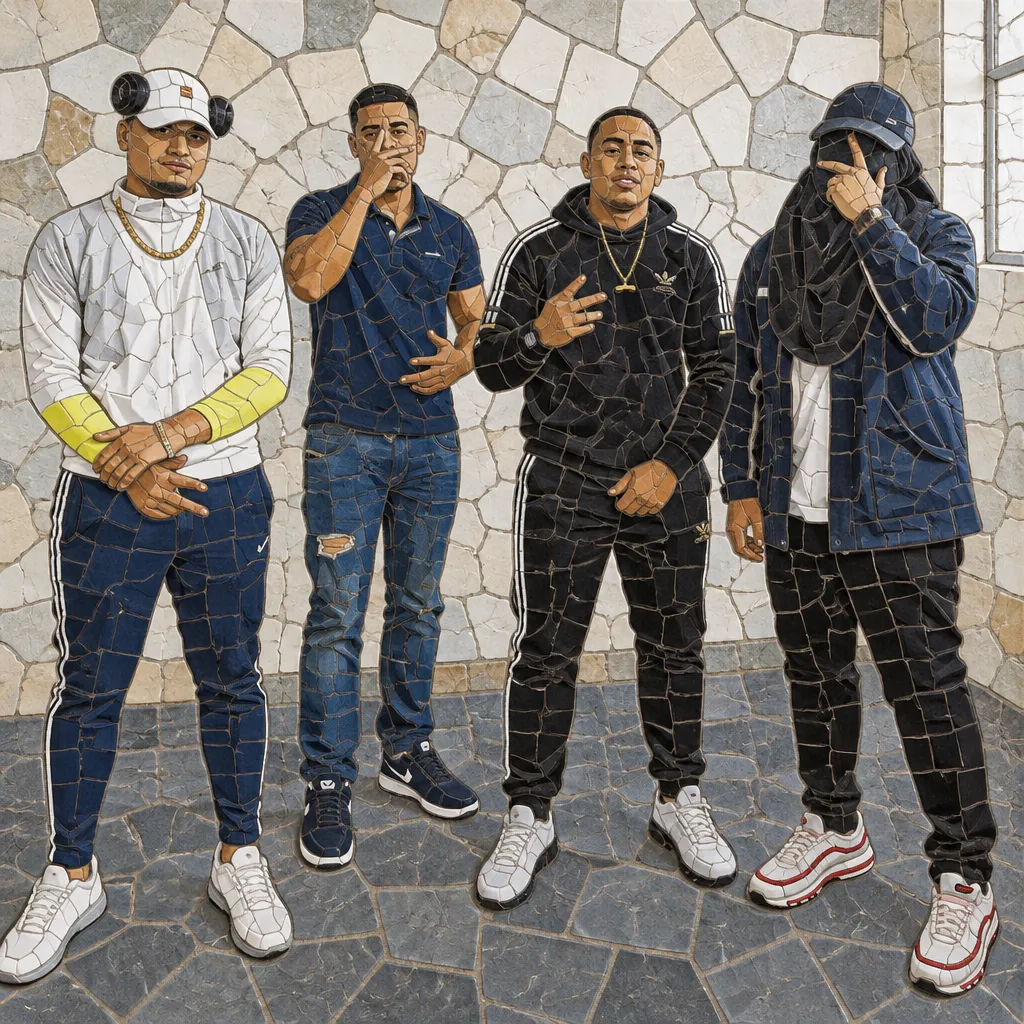
Aussie drill is the Australian take on drill rap, fusing the dark, minor‑key production and sliding 808s of UK drill with local slang, Pacific Islander and Western Sydney street culture, and distinctly Australian accents. Typical tracks sit around 135–145 BPM, with syncopated hi‑hats, counter‑snares, and gliding 808 basslines beneath ominous piano, string, or choral stabs. Vocals are baritone‑leaning, aggressive, and often chanted by crews, with call‑and‑response ad‑libs and postcode shout‑outs that emphasize group identity and territorial pride. Lyrically, the style centers on loyalty, everyday struggles, rivalry, and social realities, but also includes aspirational and reflective moments. The sound rose quickly via YouTube and streaming platforms in the late 2010s, turning local crews into national talking points while drawing scrutiny from authorities and mainstream media.
Discover
Listen
Hard Motivation
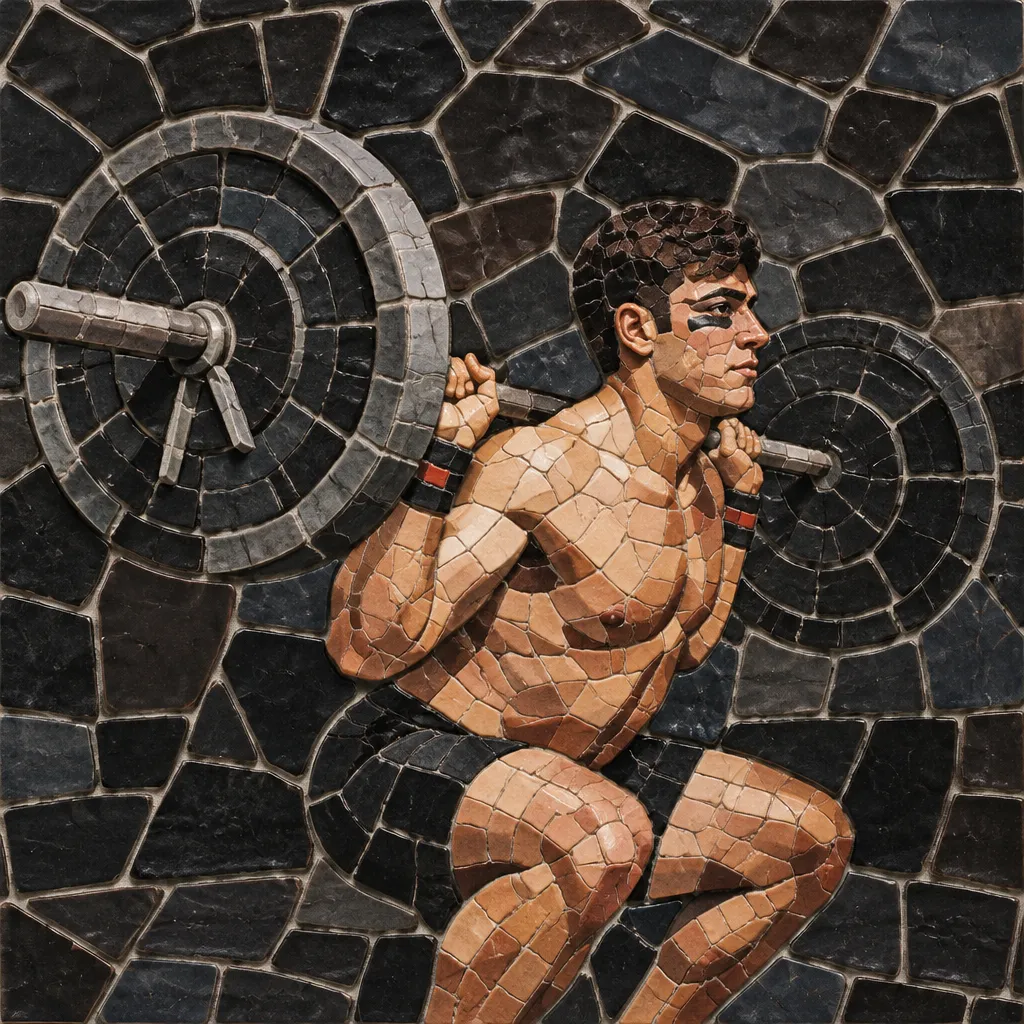
Hard motivation is a functional, high-intensity micro-scene that blends the most powerful strains of modern EDM (hardstyle, big-room, trap, and dubstep) with an overt motivational ethos aimed at training, sports, and peak-performance contexts. It privileges explosive drops, distorted kicks, supersaw and screech leads, alarm-like stabs, and stadium-scale builds, often topped by hyped crowd chants or short motivational speeches. The result is music engineered to raise heart rate, focus, and determination—equally at home in the gym, combat sports warm‑ups, esports walk-ins, or highlight reels. While not a traditional genre with strict stylistic boundaries, hard motivation has coalesced online (YouTube, TikTok, streaming playlists) as a recognizable aesthetic that curates the "hardest" moments of EDM into a single, purpose-built sound.
Discover
Listen
Nyc Pop
NYC pop is a contemporary, hook-forward strain of alternative pop centered on artists living and working in New York City. It blends the sheen of electropop and dance-pop with the songwriting sensibilities of indie pop and indie rock, often pairing bright synths, rhythmic guitars, and punchy drums with large, chantable choruses. Lyrically, it frequently references urban life, ambition, relationships, and self-discovery, capturing the speed, romance, and pressure-cooker energy of the city. Production is glossy but retains an indie edge: live instruments sit beside modern electronic textures, with crisp vocal stacking and ear-catching toplines designed for both radio and festival stages.
Discover
Listen
Pop Urbaine
Pop urbaine is a French mainstream pop style that blends contemporary R&B, hip hop, Afrobeats, dancehall, zouk, raï, and reggaeton with chart‑friendly songwriting. It emphasizes melodic hooks, mid‑tempo grooves, and sleek vocal production (often with Auto‑Tune) while foregrounding everyday, romantic, and nightlife themes in colloquial French. Rhythmically it favors syncopated Afro‑Caribbean patterns, sparse but bouncy 808 drums, and light guitar or synth plucks, creating a buoyant, danceable feel without the aggressiveness of club music. Vocals typically alternate between sung refrains and rap‑influenced verses, with catchy refrains designed for streaming and social media virality. The genre became a defining sound of French popular culture in the late 2010s, driven by a new generation of Francophone artists with diasporic roots who globalized French pop while keeping its language and local slang at the center.
Discover
Listen
Rap Motywacja
Rap motywacja is a Polish micro‑scene of hip‑hop whose purpose is explicitly motivational: to energize workouts, studies, hustle culture, and personal growth. Musically it blends modern trap production (808s, skittering hi‑hats, halftime bounce) with triumphant textures such as brass stabs, string/choir pads, and anthemic synth leads. Hooks are short, memorable, and chant‑ready; verses lean on clear diction and punchy, multisyllabic rhymes so the message lands on first listen. Lyrically it centers on discipline, resilience, sobriety and self‑improvement, often addressing the listener in the second person, mixing autobiographical grit with coaching slogans. The style thrives on streaming playlists, YouTube gym edits, and TikTok clips, where high‑impact drops and quotable mantras travel quickly.
Discover
Listen
Riddim Dubstep
Riddim dubstep is a minimalist, loop-driven branch of dubstep that emphasizes hypnotic repetition, half‑time drums, and lurching mid‑range bass motifs. Instead of flashy, constantly changing sound design, it focuses on a few tightly sculpted “wub” phrases that evolve through modulation, filtering, and subtle rhythmic variation. Rooted in UK sound‑system culture and the Jamaican concept of a reusable “riddim,” the style typically sits around 140 BPM, pairing a powerful sub with syncopated, percussive bass stabs. The overall feel is dark, bouncy, and relentlessly dance‑oriented—built for double‑drops, blends, and long DJ transitions on large rigs.
Discover
Listen
Shimmer Psych
Shimmer psych is a contemporary strand of neo‑psychedelia that pairs sparkling, chorus‑washed guitars and gauzy vocal harmonies with dreamy pop songcraft. It emphasizes high‑end "shimmer," tape‑soft saturation, hypnagogic textures, and melodic hooks, sitting between dream pop, jangle pop, and classic psychedelic rock. Typical tracks are mid‑tempo, built on warm bass lines, gentle motorik or laid‑back breakbeats, and drenched in reverb, phaser, and delay. The result is sun‑bleached, nostalgic, and kaleidoscopic rather than heavy or jam‑oriented.
Discover
Listen
Tropical House
Tropical house is a mellow, melodic offshoot of deep house that blends a four-on-the-floor pulse with sun-soaked timbres like steel drums, marimba, pan flute, and warm acoustic guitar. It typically runs around 100–115 BPM, favors major-key progressions, and foregrounds breezy hooks over heavy drops, making it feel more like a summer pop record than a club banger. Vocals often carry romantic, nostalgic, or escapist themes—beaches, sunsets, and travel—while the production emphasizes soft percussion, sidechained pads, and a smooth, rolling sub. The genre rose to global prominence mid-2010s through hit remixes and crossover singles that brought house aesthetics into mainstream pop radio.
Discover
Listen
The Wave
The Wave is a loosely defined cluster of American post-hardcore/emo bands that surged in the early 2010s as emo-pop’s mainstream moment faded. The name was a tongue‑in‑cheek scene tag that stuck in press coverage, but it points to a real overlap in sound, ethos, and touring networks. Musically, The Wave fuses the urgency of 1990s post‑hardcore and screamo with confessional, literate lyric writing associated with emo. Expect shouted or half‑sung/half‑spoken vocals, dynamic quiet‑loud builds, intricate but driving drums, and guitar textures that shift between glassy clean arpeggios and overdriven, emotive climaxes. The songs often emphasize catharsis, narrative detail, and community-minded DIY presentation.
Discover
Listen
Soundclown
Soundclown is an internet-born remix and mashup style that thrives on comedic juxtaposition, bait‑and‑switch reveals, and hyper-referential sample collage. It blends pop hits, game and cartoon music, ad jingles, meme sounds, and viral speech into quick-cut audio gags. The genre developed across YouTube and SoundCloud, favoring shock humor, nostalgia, and absurdity over traditional song form. Hallmarks include sudden key/tempo whiplash, exaggerated pitch-shifts, ear‑rending “earrape” peaks, and punchline drops that transform a familiar source into something hilariously incongruent. Because it is fundamentally platform-native, soundclown is as much a memetic editing culture as a musical style. Its tracks often function like sonic shitposts: fast, punchy, and built for instant recognition and shareability.
Discover
Listen
Ratchet Music
Ratchet music is a minimalist, club-focused strain of West Coast hip hop that coalesced in the early 2010s, most closely associated with Los Angeles producer DJ Mustard. It emphasizes sparse drum programming built from 808 kicks, handclaps, crisp hi‑hats, and simple percussive fills; bouncy tempos around 95–105 BPM; short, catchy synth or piano stabs; and a weighty sub‑bass that leaves ample space for vocals. Culturally and lyrically, it channels “ratchet” party culture and slang—rooted in Louisiana (notably Shreveport’s nickname “Ratchet City”) and amplified by the L.A. party scene—favoring braggadocio, nightlife, flirtation, and chant‑able hooks over dense lyricism. The result is a stripped‑down, hook‑driven sound engineered for dance floors and radio rotation.
Discover
Listen
Melodic Rap
Melodic rap is a style of hip hop that prioritizes sung or sing‑rap cadences, tuneful hooks, and emotive toplines over strictly percussive flows. It blends trap‑based drum programming and 808 sub‑bass with pop‑leaning melodies, R&B harmonies, and heavy use of Auto‑Tune as an expressive effect rather than mere pitch correction. Themes often address love, heartbreak, aspiration, loneliness, and personal struggle, delivered with catchy refrains designed for streaming‑era replayability.
Discover
Listen
Thug Rap
Thug rap is a street-centered strand of hip hop that foregrounds the realities of hustling, gang conflicts, incarceration, and survival ethics. It is closely related to gangsta rap but emphasizes an explicitly "thug" identity and code—loyalty, retaliation, and resilience—framed as a lived response to systemic poverty and violence. Musically, thug rap favors forceful, mid‑tempo beats with booming 808s, ominous minor‑key loops, menacing synths or soul samples, and hook‑driven choruses that are easy to chant. Vocals tend to be gravelly, vehement, and highly rhythmic, with ad‑libs and doubles reinforcing aggression and emphasis. Lyrically, it combines reportage (street diaries), boast (status, money, weapons), and moral calculus (respect, betrayal, consequences) in stark, cinematic language. Its aesthetics helped set the template for 2000s–2010s trap and later drill, both in sonic weight and in its unflinching, first‑person perspective.
Discover
Listen
Mafioso Rap
Mafioso rap is a subgenre of East Coast hip hop defined by cinematic storytelling about organized crime, luxury, and power. Artists adopt the persona of mob bosses and kingpins, weaving intricate narratives that reference crime-film mythology, underworld codes, and upscale lifestyles. Musically, it leans on boom-bap drum programming, moody minor-key harmony, jazzy or soulful samples, and orchestral touches (strings, brass stabs) that heighten a noir atmosphere. Lyrically, it emphasizes multisyllabic rhyme, vivid detail, and complex plots, distinguishing itself from broader gangsta rap through its stylized, filmic approach and aspirational, lavish imagery.
Discover
Listen
Hardcore Hip Hop
Hardcore hip hop is a confrontational, uncompromising strain of rap defined by aggressive vocal delivery, hard-hitting drum programming, and stark, sample-driven production. It prioritizes intensity over gloss, often minimizing melody in favor of dense drum breaks, sirens, noise textures, and dissonant stabs. Lyrically, it spans street reportage, social realism, political critique, and battle-ready braggadocio. The aesthetic foregrounds rawness—distorted drums, clipped samples, shouted hooks, and posse energy—while drawing deeply from funk and soul breakbeats, DJ techniques, and the boom-bap tradition.
Discover
Listen
Gangsta Rap
Gangsta rap is a subgenre of hip hop defined by its gritty, street-level storytelling, first‑person narration, and unflinching depictions of crime, policing, poverty, and survival. It foregrounds a hard-hitting vocal delivery over sparse, heavy drum programming and sample-based grooves. Musically, it draws from the foundational elements of hip hop—looped breaks, funk basslines, and turntable aesthetics—while emphasizing menace, swagger, and cinematic detail. Lyrically, it alternates between reportage, braggadocio, social commentary, and personal testimony, often sparking controversy for its explicit content and political provocations. From mid‑1980s origins through the 1990s mainstream, gangsta rap reshaped both the sound and business of hip hop, influencing fashion, language, and global perceptions of urban America.
Discover
Listen
Boom Bap
Boom bap is a foundational East Coast hip hop style defined by hard, punchy drums—“boom” for the kick and “bap” for the snare—laid under sample-based loops from jazz, soul, and funk records. It typically runs around 85–96 BPM, favors gritty, minimally processed textures (often associated with SP‑1200 and early Akai MPC samplers), and foregrounds lyrical skill: multisyllabic rhyme schemes, internal rhymes, storytelling, street reportage, and battle bars. DJ techniques such as scratching and cut‑choruses are common, and arrangements emphasize head‑nod grooves, sparse basslines, and tight bar structures that give MCs room to “sit in the pocket.”
Discover
Listen
Hip Hop
Hip hop is a cultural and musical movement that emerged from Black, Latino, and Caribbean communities, centering around rapping (MCing), DJing/turntablism, sampling-based production, and rhythmic speech over beats. It prioritizes groove, wordplay, and storytelling, often reflecting the social realities of urban life. Musically, hip hop is built on drum-centric rhythms (from breakbeats to 808 patterns), looped samples, and bass-forward mixes. Lyrically, it ranges from party anthems and braggadocio to political commentary and intricate poetic forms, with flow, cadence, and rhyme density as core expressive tools. Beyond music, hip hop encompasses a broader culture, historically intertwined with graffiti, b-boying/b-girling (breakdance), fashion, and street entrepreneurship, making it both an art form and a global social language.
Discover
Listen
East Coast Hip Hop
East Coast hip hop is a regional style of hip hop that emerged in New York City and the surrounding Northeastern United States. It is characterized by complex lyricism, dense rhyme schemes, gritty urban storytelling, and sample-heavy production that draws from funk, soul, and jazz records. Rhythmically, the sound is often associated with "boom-bap" drum patterns—hard-hitting kicks and crisp snares at moderate tempos—alongside chopped breakbeats, basslines, and DJ techniques such as scratching. The approach places the MC’s voice, cadence, and wordplay at the center, while the producer crafts a textured, crate-dug backdrop. Culturally, East Coast hip hop foregrounds authenticity, social commentary, and competitive MCing, while its crews and collectives (from Juice Crew to Native Tongues and Wu-Tang Clan) helped define hip hop’s golden age and set standards for lyrical excellence and sample-based beatmaking.
Discover
Listen
Old School Hip Hop
Old school hip hop is the earliest commercially recorded form of hip hop and the original template for the culture’s recorded sound. The term generally refers to music made from the early Bronx party era of 1973 through roughly 1983, before the harder, more sample‑dense “new school” sound took hold. Musically, it centers on extended breakbeats drawn from funk and disco records, live turntable techniques (cutting, backspinning, and early scratching), simple but infectious drum programming (often with the TR‑808), and crowd‑engaging MC routines. Rapping tends to feature clear enunciation, party chants, call‑and‑response, braggadocio, and narrative vignettes, delivered over steady 4/4 grooves in the 95–112 BPM range. Culturally, old school hip hop grew out of DJ‑led block parties, b‑boy/b‑girl dance breaks, and the Jamaican sound‑system tradition, and it codified the core pillars of the hip hop ethos: DJing, MCing, breaking, and graffiti.
Discover
Listen
Contemporary R&b
Contemporary R&B is a popular music genre that evolved from rhythm and blues and soul in the late 1970s, largely among African‑American musicians. It blends traditional R&B vocal stylings with elements of pop, funk, hip hop, and electronic music. The style is marked by soulful, passionate and often melismatic lead vocals; lush, smooth, frequently synthesized production; and a groove-first sensibility that can range from slow jams to club‑ready mid‑tempos. Since the 2010s, the incorporation of pop and electronic textures and production techniques has driven strands like electro‑R&B and helped expand the sound on global charts.
Discover
Listen
Rap
Rap is a vocal music style built on the rhythmic, rhymed, and often improvised spoken delivery of lyrics over a beat. It emphasizes flow, cadence, wordplay, and narrative, and is commonly performed over sampled or programmed drum patterns and loops. Emerging from block parties and sound-system culture in the Bronx, New York City, rap became the core vocal expression of hip hop culture alongside DJing, breakdancing, and graffiti. While it is closely linked to hip hop, rap as a technique and genre has also crossed into pop, rock, electronic, and global regional scenes. Musically, rap favors strong drum grooves (breakbeats, 808 patterns), sparse harmony, and loop-based structures that foreground the MC’s voice. Lyrically, it spans party chants and battle brags to intricate internal rhymes, social commentary, reportage, and autobiography.
Discover
Listen
Scenes & Movements
“Scenes & movements” is not a single musical style but a meta‑category used by historians, critics, and discographers to group releases and artists that cohere around a place, community, manifesto, press‑coined wave, or shared infrastructure (venues, labels, fanzines, studios, aesthetics). Examples include geographically rooted clusters (Merseybeat in Liverpool, CBGB punk in New York, Madchester in Manchester), ideational collectives (Rock in Opposition across the UK/Europe), press‑named waves (No Wave, C86), and label‑centric families (Elephant 6 in the U.S.). These scenes frequently develop recognizable sonic traits, visual codes, and production practices—yet what binds them first is social ecology and self‑identification rather than a strict set of musical parameters.
Discover
Listen
Show all 24 genres
Albums
2020
3
/5
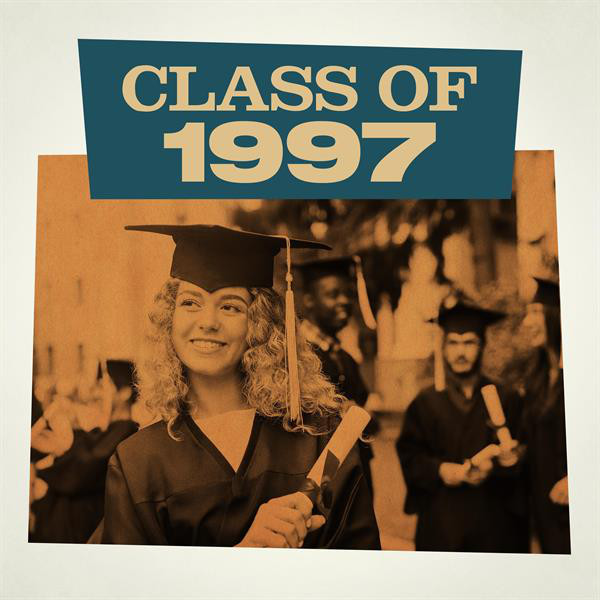
Class of 1997
The Notorious B.I.G.
Hardcore Hip Hop
2019
3
/5
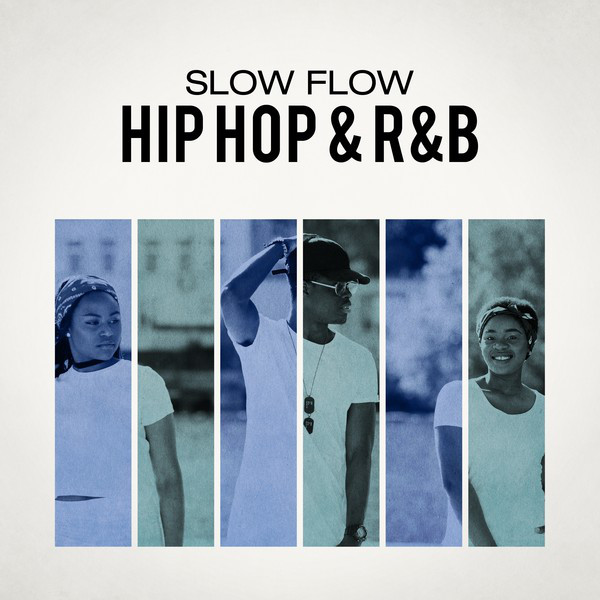
Slow Flow: Hip Hop & R&B
The Notorious B.I.G.
Hardcore Hip Hop
2017
The King & I
Faith Evans and The Notorious B.I.G.
Contemporary R&b
Hardcore Hip Hop
Hip Hop
2009
Notorious
The Notorious B.I.G.
East Coast Hip Hop
Gangsta Rap
Hip Hop
2007
4
/5
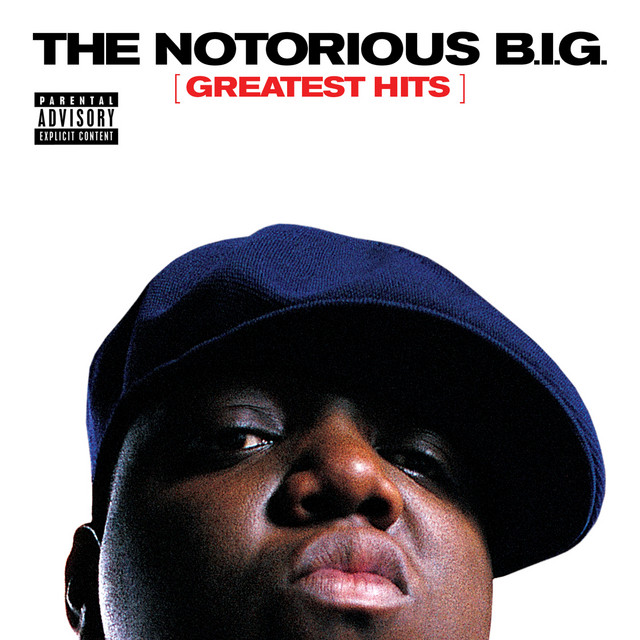
Greatest Hits
Diddy, Kelly, R., Notorious B.I.G., The, Diddy, Evans, Faith, LOX, The, Notorio…
Hardcore Hip Hop
Old School Hip Hop
East Coast Hip Hop
2005
Duets: The Final Chapter
The Notorious B.I.G.
Gangsta Rap
Hip Hop
Thug Rap
1997
5
/5
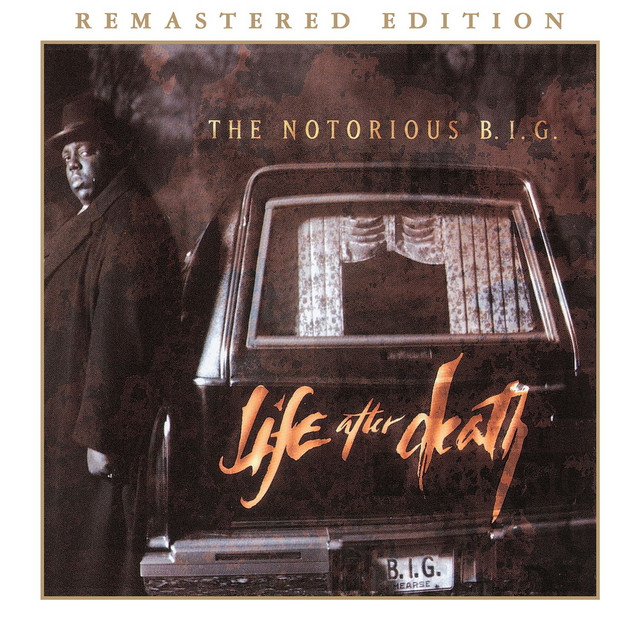
Life After Death
The Notorious B.I.G.
Hardcore Hip Hop
Mafioso Rap
Old School Hip Hop
1994
5
/5
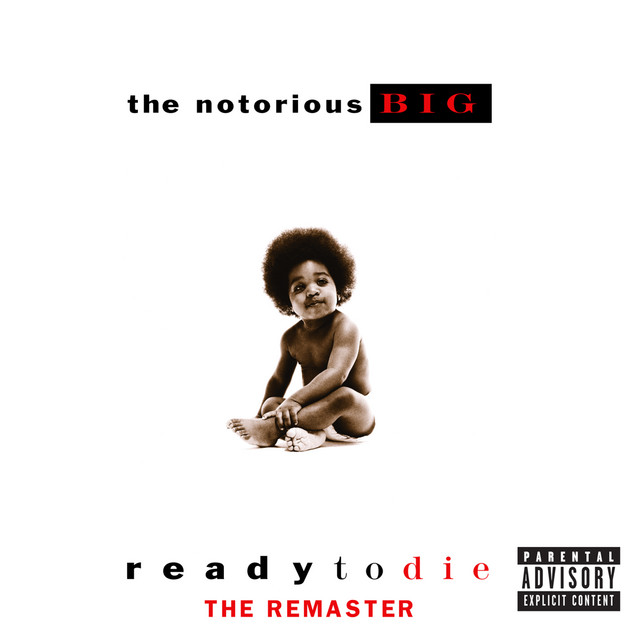
Ready to Die
The Notorious B.I.G.
Gangsta Rap
Boom Bap
Hardcore Hip Hop
Similar artists
4
/5
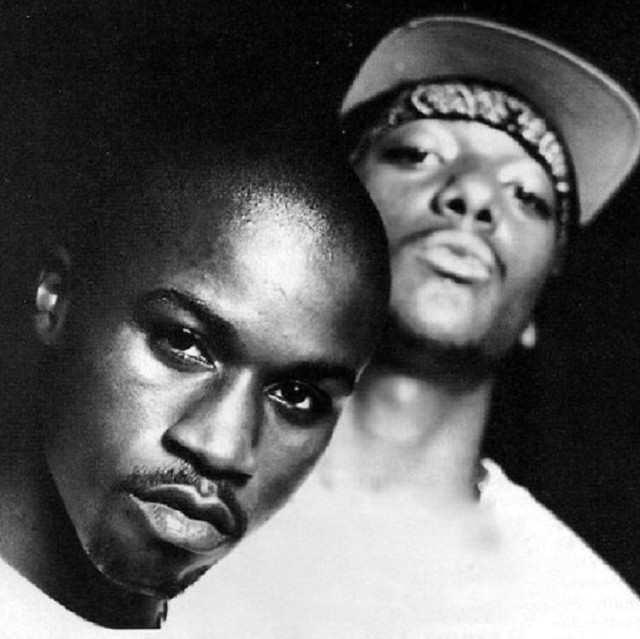
Mobb Deep
East Coast Hip Hop
Hardcore Hip Hop
Old School Hip Hop
4
/5
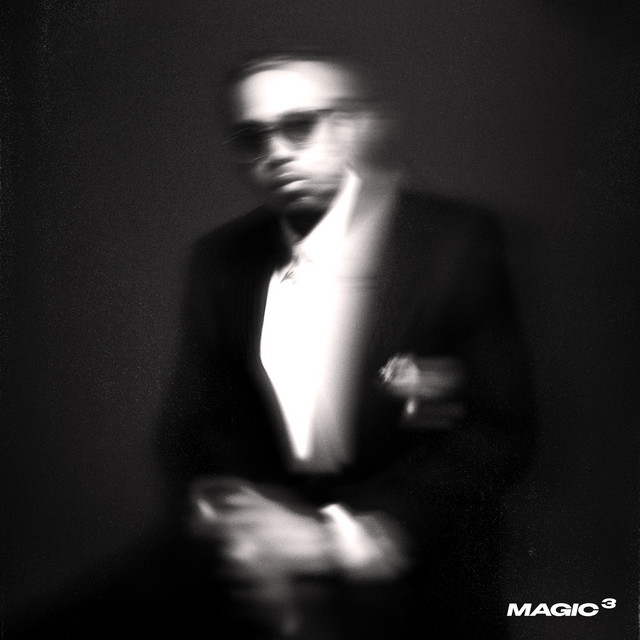
Nas
Hardcore Hip Hop
Hip Hop
East Coast Hip Hop
4
/5
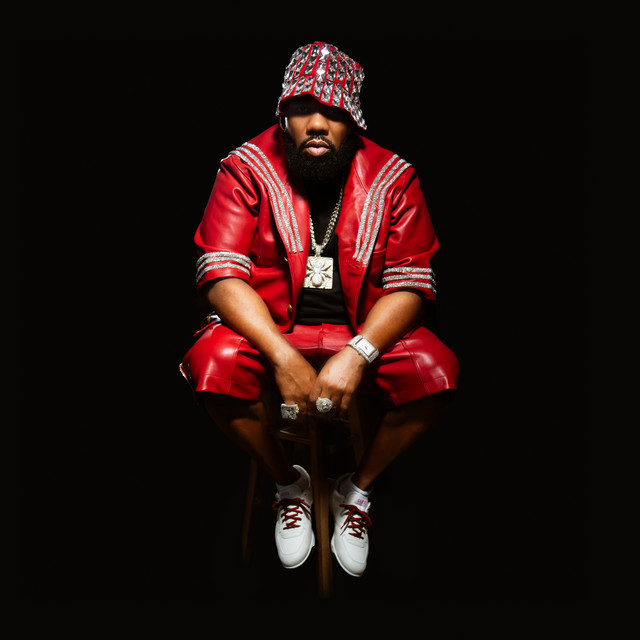
Raekwon
Hip Hop
Boom Bap
East Coast Hip Hop
4
/5
Big L
Boom Bap
East Coast Hip Hop
Hardcore Hip Hop
3
/5
Boogie Down Productions
Hip Hop
Political Hip Hop
East Coast Hip Hop
4
/5
Big Pun
Hardcore Hip Hop
East Coast Hip Hop
Nyc Pop
3
/5
Kool G Rap
Boom Bap
Hardcore Hip Hop
East Coast Hip Hop
4
/5
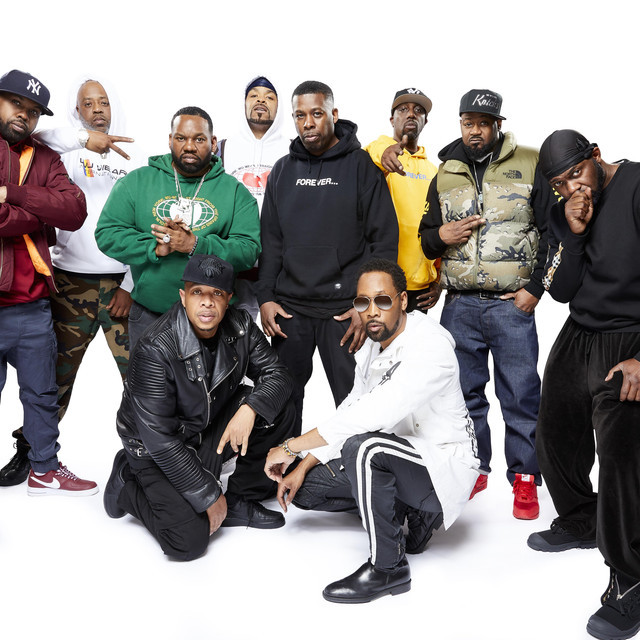
Wu-Tang Clan
Chill Abstract Hip Hop
East Coast Hip Hop
Gangsta Rap
5
/5
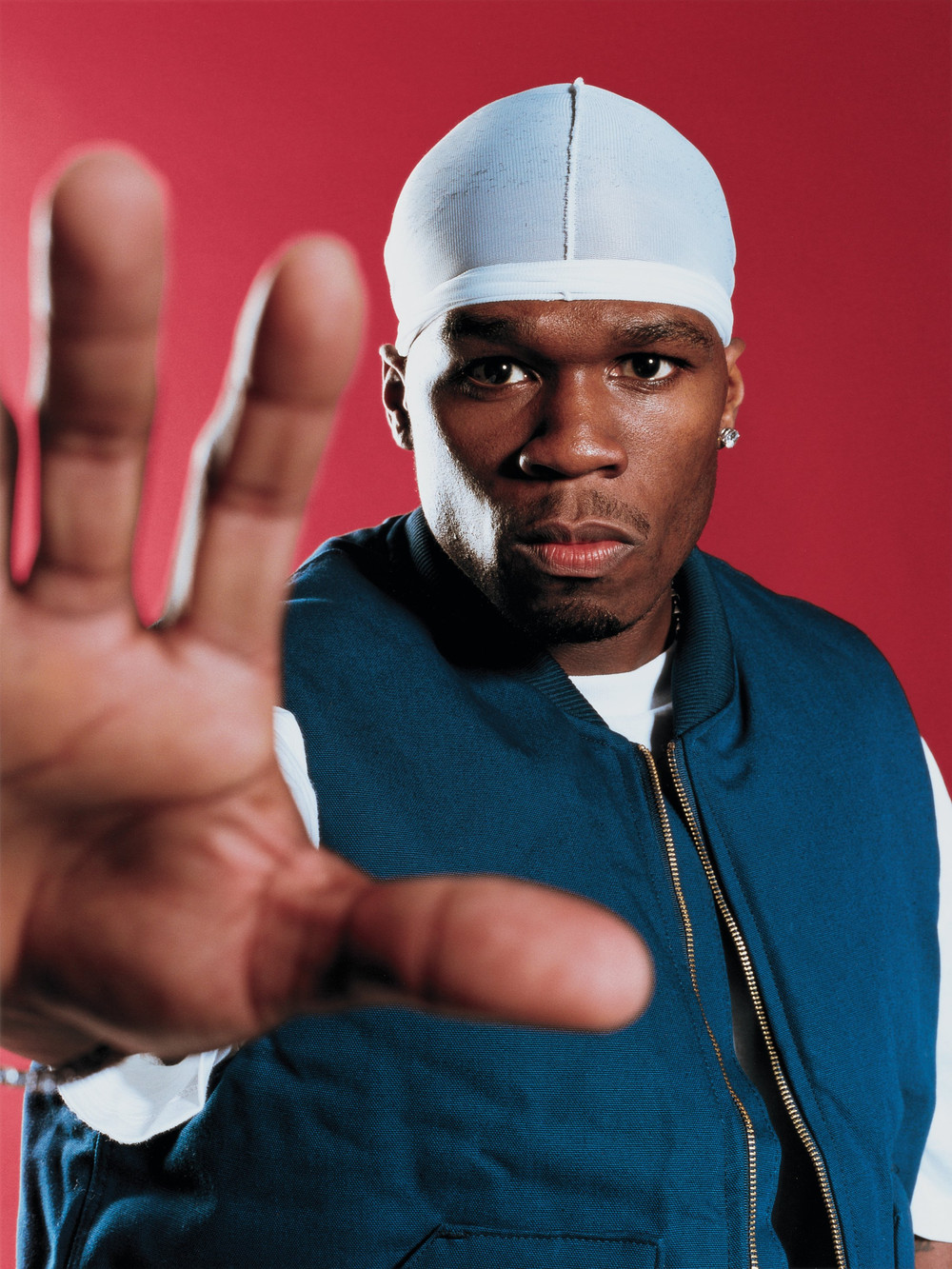
50 Cent
East Coast Hip Hop
Old School Hip Hop
Gangsta Rap
5
/5
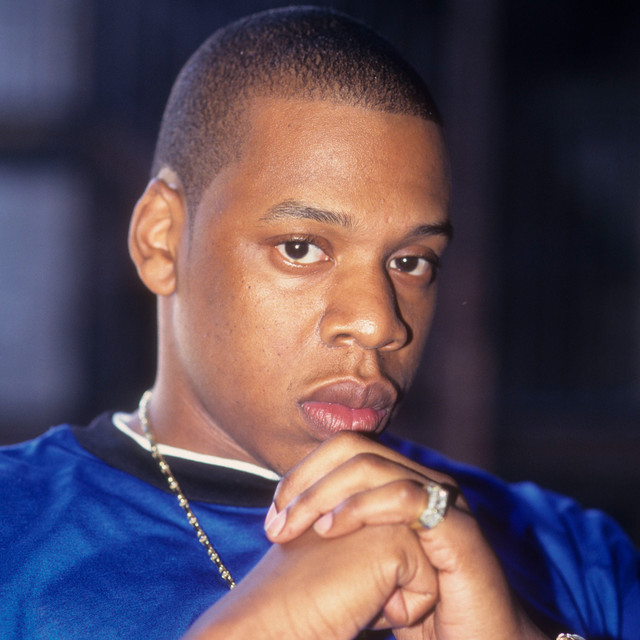
JAŸ-Z
East Coast Hip Hop
Hip Hop
Hardcore Hip Hop
Download our mobile app
Get the Melodigging app and start digging for new genres on the go
Download on the App Store
Get it on Google Play
© 2026 Melodigging
Give feedback
Legal
Melodding was created as a tribute to
Every Noise at Once
, which inspired us to help curious minds keep digging into music's ever-evolving genres.