Genres
Make Music
Artists
Albums
Challenges
Sign in
Sign in
Albums
By The Notorious B.I.G.
Albums
By The Notorious B.I.G.
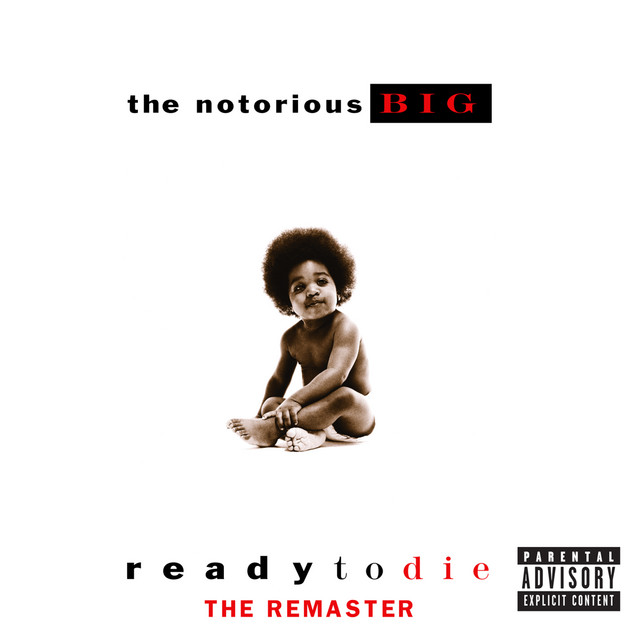
Ready to Die
September 13, 1994
Listen
5
/5
Genres
Gangsta Rap
Gangsta rap is a subgenre of hip hop defined by its gritty, street-level storytelling, first‑person narration, and unflinching depictions of crime, policing, poverty, and survival. It foregrounds a hard-hitting vocal delivery over sparse, heavy drum programming and sample-based grooves. Musically, it draws from the foundational elements of hip hop—looped breaks, funk basslines, and turntable aesthetics—while emphasizing menace, swagger, and cinematic detail. Lyrically, it alternates between reportage, braggadocio, social commentary, and personal testimony, often sparking controversy for its explicit content and political provocations. From mid‑1980s origins through the 1990s mainstream, gangsta rap reshaped both the sound and business of hip hop, influencing fashion, language, and global perceptions of urban America.
Discover
Listen
Boom Bap
Boom bap is a foundational East Coast hip hop style defined by hard, punchy drums—“boom” for the kick and “bap” for the snare—laid under sample-based loops from jazz, soul, and funk records. It typically runs around 85–96 BPM, favors gritty, minimally processed textures (often associated with SP‑1200 and early Akai MPC samplers), and foregrounds lyrical skill: multisyllabic rhyme schemes, internal rhymes, storytelling, street reportage, and battle bars. DJ techniques such as scratching and cut‑choruses are common, and arrangements emphasize head‑nod grooves, sparse basslines, and tight bar structures that give MCs room to “sit in the pocket.”
Discover
Listen
Hardcore Hip Hop
Hardcore hip hop is a confrontational, uncompromising strain of rap defined by aggressive vocal delivery, hard-hitting drum programming, and stark, sample-driven production. It prioritizes intensity over gloss, often minimizing melody in favor of dense drum breaks, sirens, noise textures, and dissonant stabs. Lyrically, it spans street reportage, social realism, political critique, and battle-ready braggadocio. The aesthetic foregrounds rawness—distorted drums, clipped samples, shouted hooks, and posse energy—while drawing deeply from funk and soul breakbeats, DJ techniques, and the boom-bap tradition.
Discover
Listen
East Coast Hip Hop
East Coast hip hop is a regional style of hip hop that emerged in New York City and the surrounding Northeastern United States. It is characterized by complex lyricism, dense rhyme schemes, gritty urban storytelling, and sample-heavy production that draws from funk, soul, and jazz records. Rhythmically, the sound is often associated with "boom-bap" drum patterns—hard-hitting kicks and crisp snares at moderate tempos—alongside chopped breakbeats, basslines, and DJ techniques such as scratching. The approach places the MC’s voice, cadence, and wordplay at the center, while the producer crafts a textured, crate-dug backdrop. Culturally, East Coast hip hop foregrounds authenticity, social commentary, and competitive MCing, while its crews and collectives (from Juice Crew to Native Tongues and Wu-Tang Clan) helped define hip hop’s golden age and set standards for lyrical excellence and sample-based beatmaking.
Discover
Listen
Old School Hip Hop
Old school hip hop is the earliest commercially recorded form of hip hop and the original template for the culture’s recorded sound. The term generally refers to music made from the early Bronx party era of 1973 through roughly 1983, before the harder, more sample‑dense “new school” sound took hold. Musically, it centers on extended breakbeats drawn from funk and disco records, live turntable techniques (cutting, backspinning, and early scratching), simple but infectious drum programming (often with the TR‑808), and crowd‑engaging MC routines. Rapping tends to feature clear enunciation, party chants, call‑and‑response, braggadocio, and narrative vignettes, delivered over steady 4/4 grooves in the 95–112 BPM range. Culturally, old school hip hop grew out of DJ‑led block parties, b‑boy/b‑girl dance breaks, and the Jamaican sound‑system tradition, and it codified the core pillars of the hip hop ethos: DJing, MCing, breaking, and graffiti.
Discover
Listen
Hip Hop
Hip hop is a cultural and musical movement that emerged from Black, Latino, and Caribbean communities, centering around rapping (MCing), DJing/turntablism, sampling-based production, and rhythmic speech over beats. It prioritizes groove, wordplay, and storytelling, often reflecting the social realities of urban life. Musically, hip hop is built on drum-centric rhythms (from breakbeats to 808 patterns), looped samples, and bass-forward mixes. Lyrically, it ranges from party anthems and braggadocio to political commentary and intricate poetic forms, with flow, cadence, and rhyme density as core expressive tools. Beyond music, hip hop encompasses a broader culture, historically intertwined with graffiti, b-boying/b-girling (breakdance), fashion, and street entrepreneurship, making it both an art form and a global social language.
Discover
Listen
Rap
Rap is a vocal music style built on the rhythmic, rhymed, and often improvised spoken delivery of lyrics over a beat. It emphasizes flow, cadence, wordplay, and narrative, and is commonly performed over sampled or programmed drum patterns and loops. Emerging from block parties and sound-system culture in the Bronx, New York City, rap became the core vocal expression of hip hop culture alongside DJing, breakdancing, and graffiti. While it is closely linked to hip hop, rap as a technique and genre has also crossed into pop, rock, electronic, and global regional scenes. Musically, rap favors strong drum grooves (breakbeats, 808 patterns), sparse harmony, and loop-based structures that foreground the MC’s voice. Lyrically, it spans party chants and battle brags to intricate internal rhymes, social commentary, reportage, and autobiography.
Discover
Listen
Scenes & Movements
“Scenes & movements” is not a single musical style but a meta‑category used by historians, critics, and discographers to group releases and artists that cohere around a place, community, manifesto, press‑coined wave, or shared infrastructure (venues, labels, fanzines, studios, aesthetics). Examples include geographically rooted clusters (Merseybeat in Liverpool, CBGB punk in New York, Madchester in Manchester), ideational collectives (Rock in Opposition across the UK/Europe), press‑named waves (No Wave, C86), and label‑centric families (Elephant 6 in the U.S.). These scenes frequently develop recognizable sonic traits, visual codes, and production practices—yet what binds them first is social ecology and self‑identification rather than a strict set of musical parameters.
Discover
Listen
Similar albums
1995
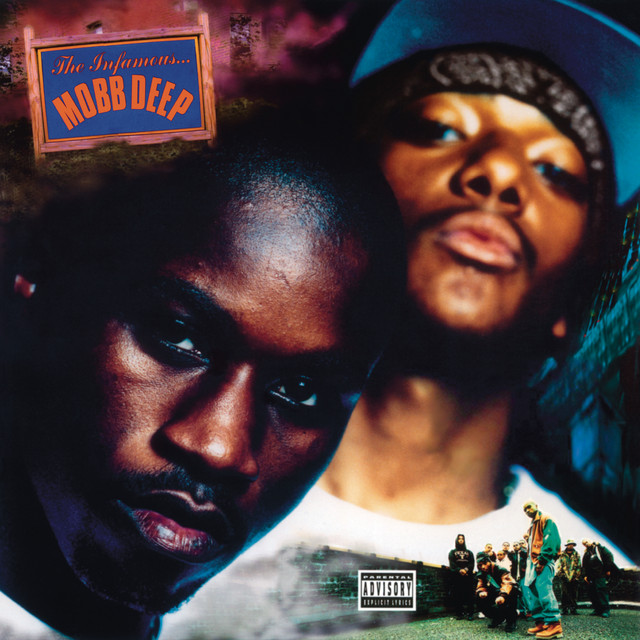
The Infamous
Mobb Deep
1993
Enter the Wu-Tang (36 Chambers)
Wu-Tang Clan
1994
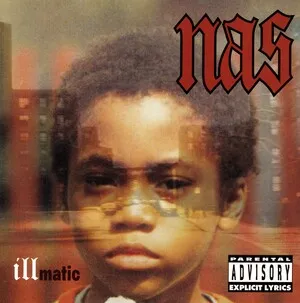
Illmatic
Nas
1995
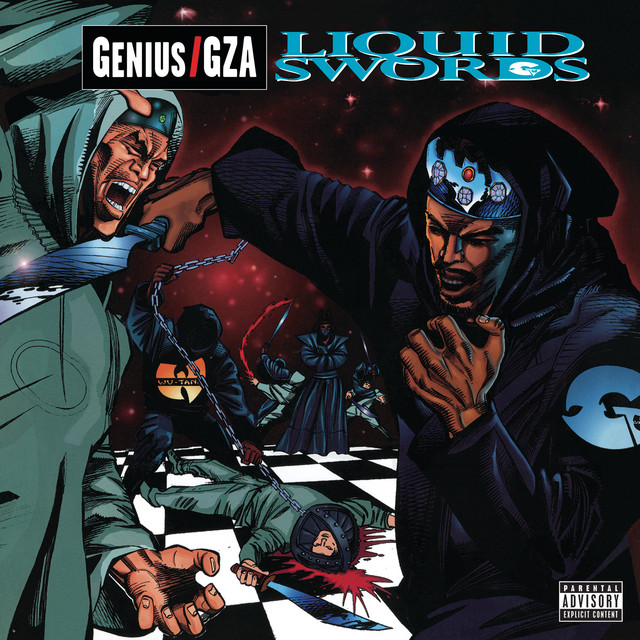
Liquid Swords
Genius/GZA
1997
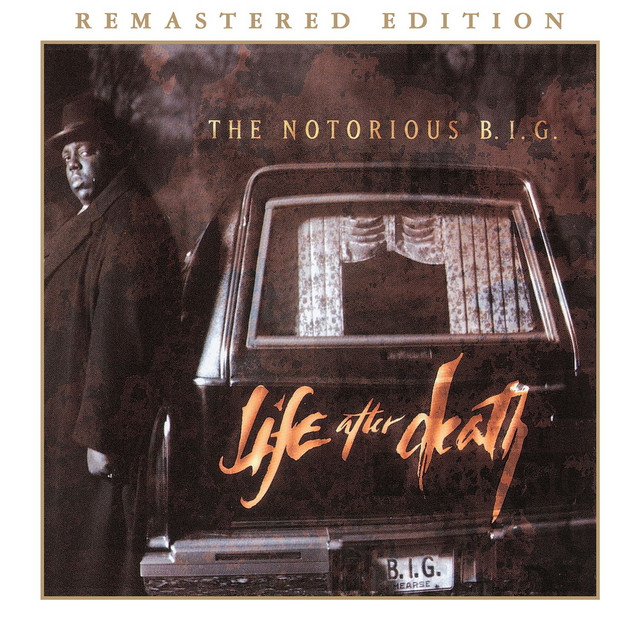
Life After Death
The Notorious B.I.G.
1996
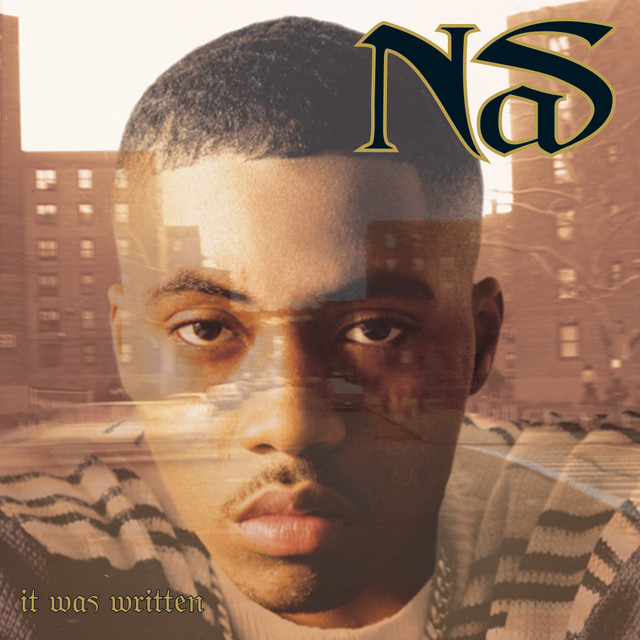
It Was Written
Nas
1991
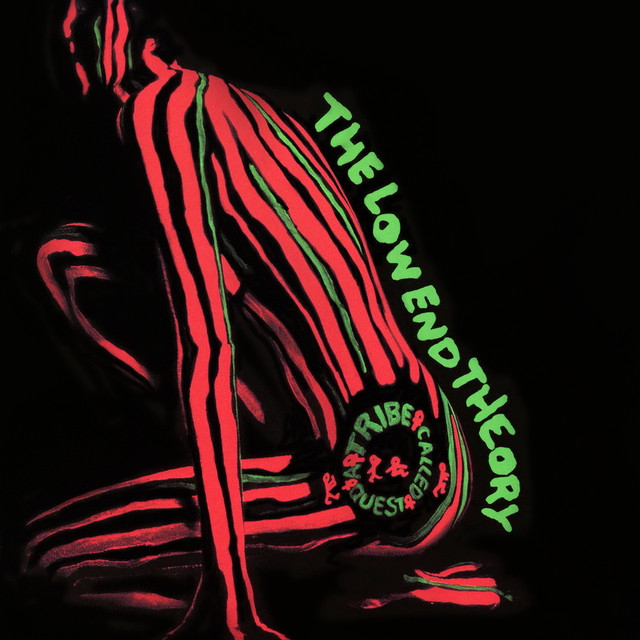
The Low End Theory
A Tribe Called Quest
1995
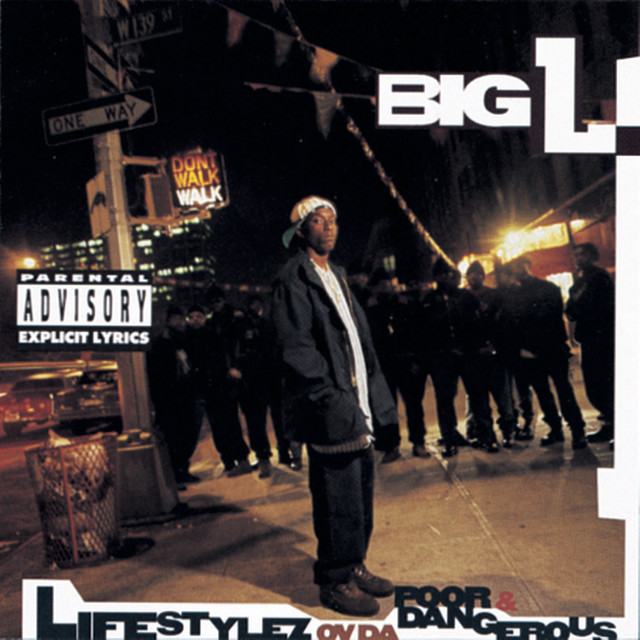
Lifestylez ov da Poor & Dangerous
Big L
1996
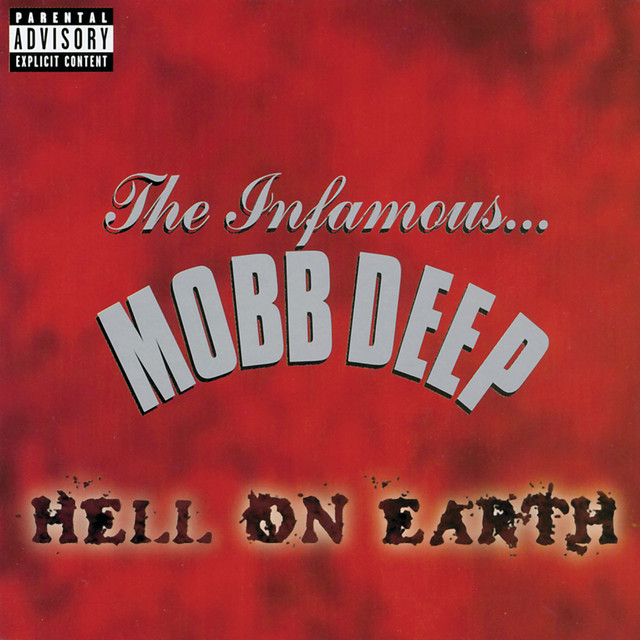
Hell on Earth
Mobb Deep
1995
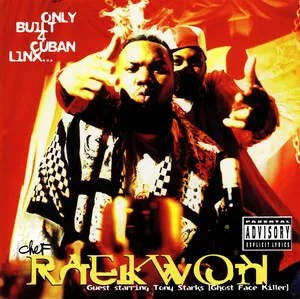
Only Built 4 Cuban Linx...
Raekwon
Download our mobile app
Get the Melodigging app and start digging for new genres on the go
Download on the App Store
Get it on Google Play
© 2026 Melodigging
Give feedback
Legal
Melodding was created as a tribute to
Every Noise at Once
, which inspired us to help curious minds keep digging into music's ever-evolving genres.