Genres
Artists
Albums
Make Music
Sign in
Sign in
Artists
Tape Club
Artists
Tape Club
The Magnetic Fields
1994–2012
·
12 albums
Listen
3
/5
Genres
Tape Club
Tape club is a DIY-oriented micro-scene tied to the 2010s cassette revival, where bands and solo artists released jangly indie, garage, and lo‑fi pop on small runs of tapes through bedroom labels and mail‑order clubs. The sound favors budget-friendly recording methods (four-track cassette, Portastudio, or home DAWs bounced to tape) and embraces tape saturation, hiss, and a live-in-the-room feel. Musically it sits between indie pop, garage rock, surf inflections, and mellow bedroom pop, with short songs, hooky choruses, and nostalgic storytelling. Although "tape club" names a distribution culture as much as a style, it became recognizable by its warm, saturated sonics, handmade artwork (J-cards, risograph prints), and a community ethos that valued accessibility, zine-minded aesthetics, and informal touring networks.
Discover
Listen
Digital Horror
Digital horror is a contemporary horror aesthetic that focuses on dread emerging from networked technologies, software, and always‑on media. Narratives and sound worlds revolve around screens, social platforms, livestreams, malware, deepfakes, and the uncanny presence of algorithmic systems. In music and sound design, the style translates this fear of the digital into glitching textures, corrupted audio artifacts, synthetic drones, and the weaponization of familiar interface sounds (alerts, keyboards, notification pings). It often blends dark ambient, industrial noise, and hauntological sampling to suggest threats that live inside code, clouds, and data centers—consistent with the wider definition that emphasizes anxiety and supernatural menace arising from the Internet and modern media.
Discover
Listen
Melancholia
Melancholia is an internet-era microgenre centered on soft-focus, sorrow-tinged pop and indie songs that foreground intimacy, space, and emotional candor. Tracks are typically slow to mid‑tempo, sung in a close, almost confessional register, and framed by sparse, reverb‑soaked textures. Sonically it lives between dream pop, bedroom pop, and slowcore: shimmering guitars or wistful synth pads drift over understated beats; piano, acoustic guitar, and low‑key electronic drums carry muted, pulsing grooves. Harmonies often favor minor keys, suspended chords, and gentle extensions (7ths/9ths) that heighten a bittersweet glow. Lyrically, melancholia lingers on solitude, late‑night self‑reflection, breakups, and fragile hope. The genre coalesced through streaming playlists and social media, where its hush, negative space, and diaristic tone translate into a cohesive, instantly recognizable mood.
Discover
Listen
Pov: Indie
"pov: indie" is a social-media-native microstyle built around short, cinematic indie-pop/indie-rock snippets designed to accompany a first-person (POV) narrative. Instead of being defined by a single new musical technique, it is defined by context: the music is chosen or written to feel like the soundtrack to a specific moment (a crush, a late-night walk, moving to a new city, seasonal nostalgia). Sonically it typically uses bright but soft guitars or synths, intimate vocals, simple memorable hooks, and production that reads clearly on phone speakers. The emotional tone is often wistful, tender, and “coming-of-age,” with lyrics that can be understood quickly in a 10–30 second clip.
Discover
Listen
Indie Pop
Indie pop is a melodic, DIY-rooted branch of alternative music that blends the immediacy of pop songwriting with the independence and aesthetics of underground scenes. It typically features jangly, clean-toned guitars, tuneful bass lines, compact song structures, and intimate, literate lyrics that balance sweetness with subtle melancholy. The sound often leans toward bright chord progressions, earworm choruses, and understated production, favoring charm and personality over gloss. Culturally, indie pop is tied to small labels, fanzines, and community radio, with influential scenes and imprints such as Postcard, Sarah, and Creation laying the groundwork for its global diffusion.
Discover
Listen
Anti-Folk
Anti-folk is a subversive, DIY-minded offshoot of folk that blends the confessional songwriting of the 1960s coffeehouse scene with the irreverence, speed, and attitude of punk. It favors raw, often lo-fi production, simple chord progressions, direct melodies, and sardonic, self-aware lyrics that skewer both mainstream pop and earnest folk orthodoxy. Performances typically feel intimate and unvarnished, privileging personality, humor, and immediacy over polish. The scene coalesced around New York City’s Lower East Side/East Village in the 1980s and 1990s, later inspiring companion scenes in the UK and Europe. Anti-folk’s tone ranges from playful and comedic to biting and political, but it consistently celebrates individuality, candor, and a hand-made aesthetic.
Discover
Listen
Indie Rock
Indie rock is a subgenre of rock and a branch of alternative rock that coalesced in the early–mid 1980s around independent labels and DIY practices in the United Kingdom, the United States, and New Zealand. Defined less by a single sound than by an ethos, indie rock favors non‑mainstream approaches, self‑recording and small‑label distribution, and an interest in pop‑informed melody and eclectic experimentation. Hallmarks include jangly or fuzzed guitars, intimate or deadpan vocals, off‑kilter song structures, and production that often preserves a raw, “authentic” feel rather than glossy studio polish.
Discover
Listen
Lo-Fi
Lo-fi is a music aesthetic and genre defined by an embrace of audible imperfections—tape hiss, clipping, room noise, distorted transients, and uneven performance—that would be treated as errors in high-fidelity recording. Emerging from the DIY ethos of American indie and punk scenes, lo-fi turns budget constraints and home-recording limitations into a signature sound. Songs are often intimate, direct, and unvarnished, prioritizing immediacy and personality over polish. Typical lo-fi recordings use 4-track cassette or similarly modest setups, simple chord progressions, and understated vocals, spanning rock, folk, pop, and experimental approaches while retaining a homemade warmth and nostalgic patina.
Discover
Listen
Dream Pop
Dream pop is a subgenre of alternative and indie rock that emphasizes atmosphere, texture, and mood over traditional rock dynamics. It is characterized by shimmering, reverb-laden guitars, soft and often breathy vocals, steady but subdued rhythms, and lush harmonic beds created with chorus, delay, and ambient-style processing. Rather than building around riffs or virtuosity, dream pop prioritizes hypnotic repetition, impressionistic lyrics, and a sense of weightless drift, frequently drawing on neo-psychedelia and ambient aesthetics. Its canonical sound coalesced in the mid-1980s (especially around the 4AD label), and later intersected with and helped seed shoegaze and many subsequent bedroom- and internet-era pop styles.
Discover
Listen
Noise Pop
Noise pop blends the tunefulness and hook-centric structures of pop with abrasive textures such as feedback, distortion, and tape hiss. It typically features bright, simple melodies buried beneath a dense, overdriven "wall of sound," with vocals often mixed low or coated in reverb. The aesthetic draws on 1960s girl-group and power-pop songwriting but delivers it through punk-informed energy and noise-rock sonics, creating music that is simultaneously sweet and scuffed.
Discover
Listen
Synth-Pop
Synth-pop is a pop-oriented style that foregrounds the synthesizer as its primary instrument, often paired with drum machines and sequencers. It favors clean, melodic hooks, concise song structures, and a sleek, modernist sound that ranges from cool and minimal to lush and romantic. Emerging at the turn of the 1980s from the UK new wave and post-punk scenes, synth-pop leveraged affordable analog and then digital keyboards to bring electronic textures into the mainstream. Its sonic palette includes arpeggiated basslines, shimmering pads, bright leads, gated or machine-driven drums, and polished vocals that convey both futuristic detachment and emotional immediacy.
Discover
Listen
Electropop
Electropop is a branch of pop music that foregrounds electronic instruments—especially synthesizers, drum machines, and sequencers—to deliver catchy, hook-driven songs. It preserves the verse–pre-chorus–chorus architecture and melodic immediacy of pop while replacing most traditional band instrumentation with programmed rhythms, synthetic bass lines, and glossy textures. The style emphasizes earworm toplines, precise rhythmic grids, and tightly produced arrangements that often highlight contrast between minimal, punchy verses and expansive, anthemic choruses. Timbres range from warm analog pads and arpeggiators reminiscent of the late 1970s/early 1980s to ultra-modern, hyper-detailed sound design, making electropop both retro-leaning and future-facing depending on the artist.
Discover
Listen
Rock
Rock is a broad family of popular music centered on amplified instruments, a strong backbeat, and song forms that foreground riffs, choruses, and anthemic hooks. Emerging from mid‑20th‑century American styles like rhythm & blues, country, and gospel-inflected rock and roll, rock quickly expanded in scope—absorbing folk, blues, and psychedelic ideas—while shaping global youth culture. Core sonic markers include electric guitar (often overdriven), electric bass, drum kit emphasizing beats 2 and 4, and emotive lead vocals. Rock songs commonly use verse–chorus structures, blues-derived harmony, and memorable melodic motifs, ranging from intimate ballads to high‑energy, stadium‑sized performances.
Discover
Listen
Pop
Pop is a broad, hook-driven style of popular music designed for wide appeal. It emphasizes memorable melodies, concise song structures, polished vocals, and production intended for radio, charts, and mass media. While pop continually absorbs elements from other styles, its core remains singable choruses, accessible harmonies, and rhythmic clarity. Typical forms include verse–pre-chorus–chorus, frequent use of bridges and middle-eights, and ear-catching intros and outros. Pop is not defined by a single instrumentation. It flexibly incorporates acoustic and electric instruments, drum machines, synthesizers, and increasingly digital production techniques, always in service of the song and the hook.
Discover
Listen
Electronic
Electronic is a broad umbrella genre defined by the primary use of electronically generated or electronically processed sound. It encompasses music made with synthesizers, drum machines, samplers, computers, and studio/tape techniques, as well as electroacoustic manipulation of recorded or synthetic sources. The genre ranges from academic and experimental traditions to popular and dance-oriented forms. While its sonic palette is rooted in electricity and circuitry, its aesthetics span minimal and textural explorations, structured song forms, and beat-driven club permutations. Electronic emphasizes sound design, timbre, and studio-as-instrument practices as much as melody and harmony.
Discover
Listen
Show all 15 genres
Albums
2012
4
/5
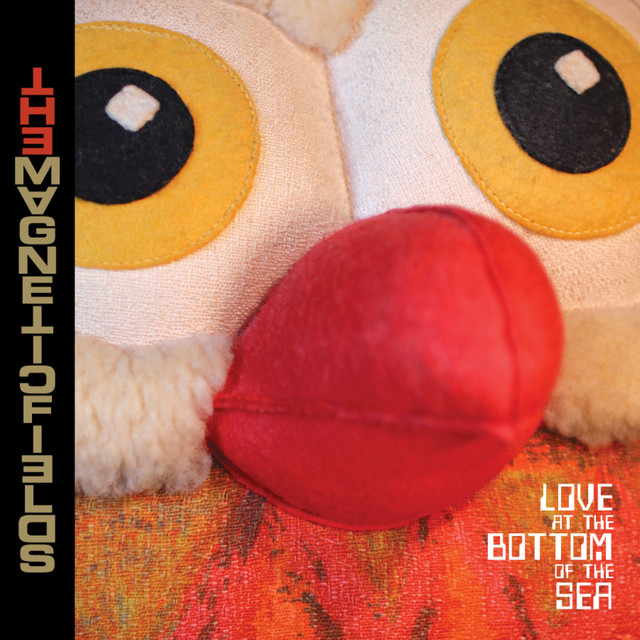
Love at the Bottom of the Sea
The Magnetic Fields
Tape Club
2012
1
/5
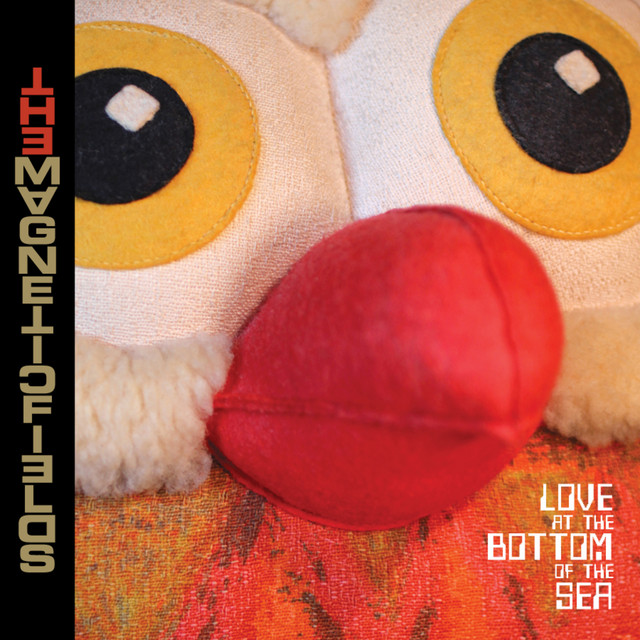
Love at the Bottom of the Sea
The Magnetic Fields
Tape Club
Pop
Rock
2012
2
/5
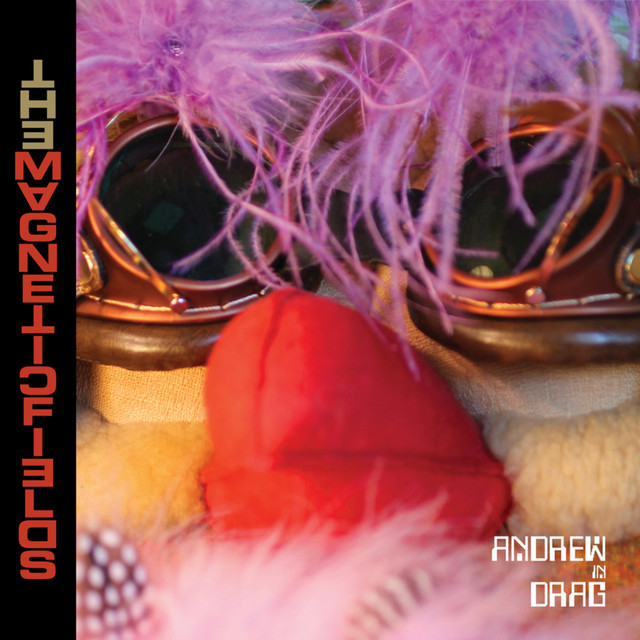
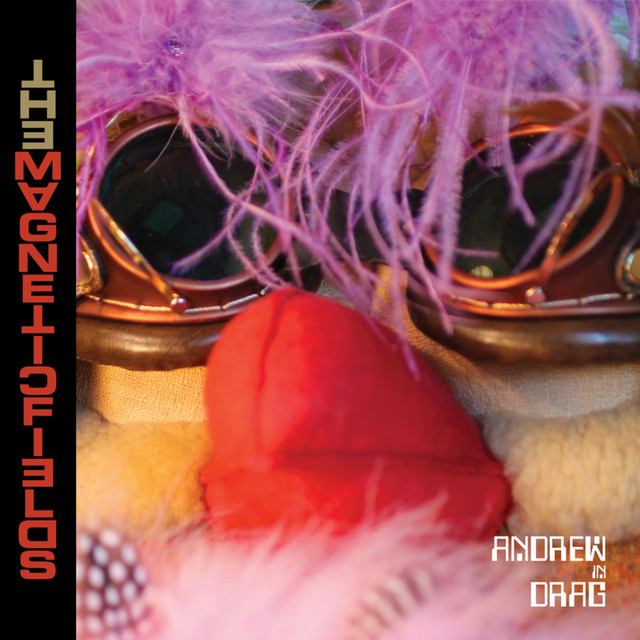
Andrew in Drag / When Next I Fall In Love
The Magnetic Fields
Tape Club
2012
1
/5
Andrew in Drag / When Next I Fall In Love
The Magnetic Fields
Tape Club
Anti-Folk
Indie Rock
1999
4
/5
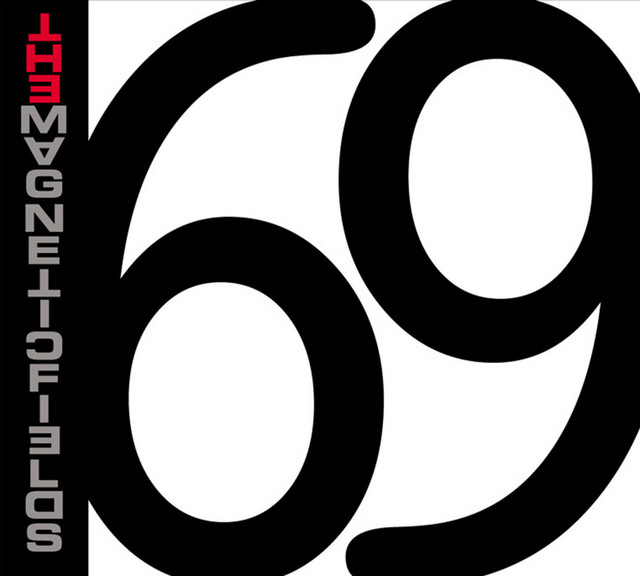
69 Love Songs
The Magnetic Fields
Tape Club
Electronic
Indie Pop
1999
1
/5
69 Love Songs
The Magnetic Fields
Tape Club
Electronic
Indie Pop
1999
1
/5
69 Love Songs
The Magnetic Fields
Indie Pop
Electronic
Synth-Pop
1999
1
/5
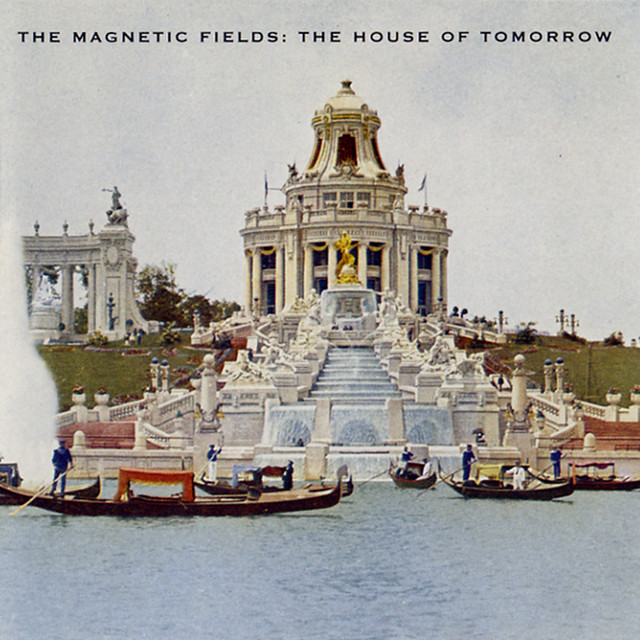
The House of Tomorrow
The Magnetic Fields
Tape Club
Electronic
Indie Rock
1999
3
/5
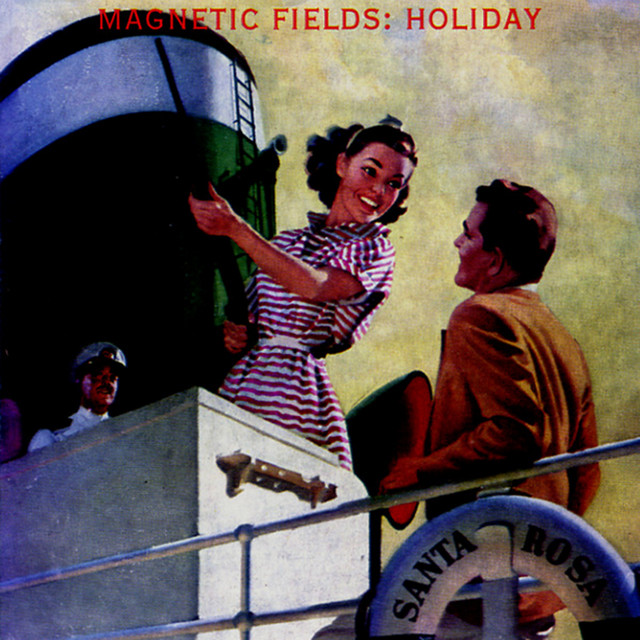
Holiday
The Magnetic Fields
Tape Club
1995
1
/5
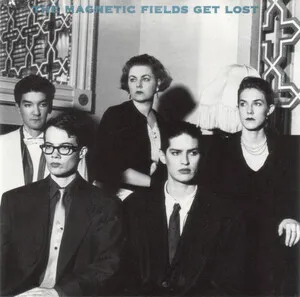
Get Lost
The Magnetic Fields
Tape Club
Electronic
Indie Pop
1995
1
/5
Get Lost
The Magnetic Fields
Synth-Pop
Electronic
Indie Pop
1994
1
/5
The Charm of the Highway Strip
The Magnetic Fields
Tape Club
Electropop
Indie Pop
Similar artists
1
/5
Various Artists
Afro-Funk
Alternative Rock
Ambient
5
/5
Charli xcx
Hyperpop
Candy Pop
Art Pop
5
/5
Halsey
Etherpop
Electropop
Indie Poptimism
5
/5
Ellie Goulding
Indietronica
Pop
Electronic
5
/5
Lorde
Art Pop
Alternative Pop
Indie Pop
3
/5
Javiera Mena
Electronica Chilena
Pop
Synth-Pop
4
/5
AURORA
Art Pop
Norwegian Pop
Pop
4
/5
Glass Animals
Shiver Pop
Indietronica
Pop
4
/5
Polo & Pan
Dark Disco
Tropical House
French Indie Pop
4
/5
Toro y Moi
Hypnagogic Pop
Chillwave
Chill Abstract Hip Hop
Download our mobile app
Get the Melodigging app and start digging for new genres on the go
Download on the App Store
Get it on Google Play
© 2026 Melodigging
Give feedback
Legal
Melodding was created as a tribute to
Every Noise at Once
, which inspired us to help curious minds keep digging into music's ever-evolving genres.