Genres
Artists
Albums
Make Music
Sign in
Sign in
Artists
Avant-Garde
Artists
Avant-Garde
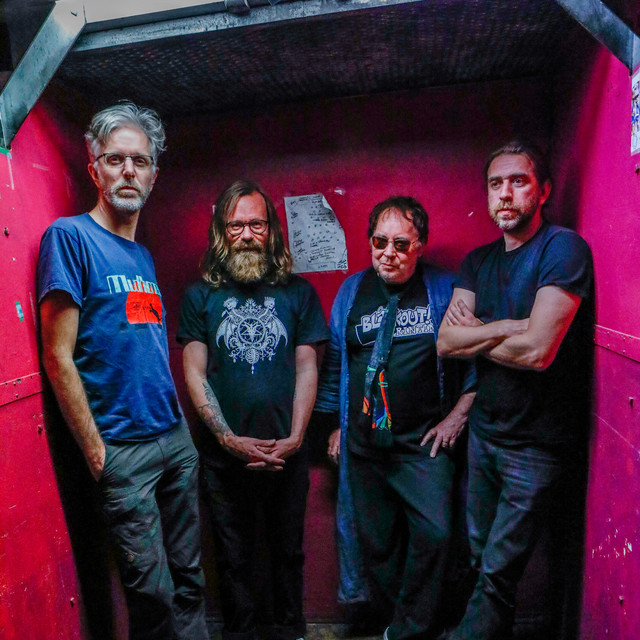
The Legendary Pink Dots
1986–2001
·
2 albums
Listen
2
/5
Genres
Modern Darkwave
Modern darkwave is a contemporary revival and update of 1980s darkwave, post-punk, and goth-influenced synth music. It typically blends moody, minor-key synth textures with rock-band attitude: pulsing electronic basslines, tight drum-machine grooves, and melodic vocals that range from detached and baritone to dramatic and reverbed. Compared with classic darkwave, the “modern” strain often sounds cleaner and heavier at once: larger low end, brighter synth timbres, more club-ready mixing, and occasional cross-pollination with EBM, minimal wave, and dark pop aesthetics.
Discover
Listen
New Isolationism
New isolationism is a contemporary strain of isolationist ambient and post-industrial minimalism that emerged in the 2010s, particularly around Scandinavian experimental labels and studios. It foregrounds intimate, close-mic’d sound, negative space, and a quiet-but-present noise floor; its pieces feel both internal and architectural, like rooms built from reverb tails, tape hiss, and soft electronics. Sonically, the style blends glacial drones, fragile chamber timbres (strings, organ, piano), lo‑fi electronics, and field recordings into stark, slow-evolving tableaux. Melodic information is sparse—often only a few tones or gestures—while rhythm is either absent or reduced to distant pulses, heartbeats, or mechanical cycles. Vocals, when they appear, are murmured, diaristic, or abstracted by pitch and time manipulation. Aesthetically, new isolationism is post‑internet and diaristic: it captures solitude, memory, and dislocation with a palette that feels personal yet estranged, drawing as much from contemporary gallery sound practice as from classic dark ambient.
Discover
Listen
Dark Cabaret
Dark cabaret is a theatrical, macabre-tinged revival of early 20th‑century cabaret filtered through post‑punk and goth sensibilities. It embraces piano‑led or accordion‑driven songwriting, minor‑key harmonies, and stylized storytelling that draws on Weimar‑era satire, black humor, and noir imagery. Performances are as central as the songs: vocal delivery tends to be expressive and characterful, arrangements are chamber‑like (strings, woodwinds, percussion), and shows often incorporate burlesque, sideshow, and vaudeville aesthetics. Lyrically, dark cabaret juxtaposes romance and ruin, tragedy and farce, exploring themes like decadence, crime, obsession, and the grotesque with a wink and a knife‑edge.
Discover
Listen
Dark Wave
Dark wave is a moody, melancholic offshoot of post-punk and new wave that emphasizes minor-key harmonies, somber timbres, and introspective or romantic lyrical themes. It blends the icy textures of early synthesizers and drum machines with reverb-laden guitars and melodic, driving basslines. The style typically features baritone or ethereal vocals, atmospheric production with heavy use of chorus, delay, and reverb, and tempos that range from slow and brooding to mid-tempo and danceable. Dark wave spans both guitar-oriented and synth-forward approaches, and often overlaps with related movements such as coldwave, minimal wave, and ethereal wave.
Discover
Listen
Deathrock
Deathrock is a dark, theatrical offshoot of punk that emerged in the early 1980s, characterized by ominous atmospheres, tom-heavy “tribal” drumming, chorus-soaked basslines, and reverb-drenched guitar. It blends the immediacy and DIY aggressiveness of punk rock with the bleak textures and minor-key melodicism of post-punk and early gothic rock, often drawing visual inspiration from horror cinema and macabre cabaret. Vocals range from plaintive and haunted to snarling and declamatory, while lyrics explore themes of death, alienation, ritual, and romantic morbidity. The production favors raw edges, spring/plate reverbs, and room ambience over polish.
Discover
Listen
Coldwave
Coldwave is a European post-punk offshoot characterized by icy, minimalist arrangements, prominent basslines, sparse drum machines, and a detached vocal delivery. Emerging first in France (and neighboring Belgium) in the late 1970s and peaking through the mid-1980s, it blends punk’s austerity with the synthetic textures of early analog keyboards and stark, minor-key guitar figures. The mood is melancholic and introspective—often sung in French or English—favoring rigid rhythms, chorus-drenched guitars, and compact songwriting that foregrounds atmosphere over virtuosity. Its "cold" aesthetic refers as much to the emotional temperature of the music as to the gray-toned production: dry snares, steely bass, and reverb used not for lushness but for distance.
Discover
Listen
Gothic Rock
Gothic rock is a dark, atmospheric branch of post-punk that emphasizes brooding moods, melodic basslines, baritone or icy vocal deliveries, and guitar textures drenched in chorus, delay, and reverb. Its lyrics often explore themes of romanticism, existential dread, night, mysticism, and decay, drawing on Gothic literature and cinema as much as rock tradition. Sonically, it blends the stark rhythms and minimalism of post-punk with the theatricality of glam and the textural experimentation of art and psychedelic rock. Drum machines or tightly metronomic drumming underpin prominent, melodic bass figures, while guitars shimmer or scrape with chorus/flanger effects. The result is danceable yet somber music that feels both dramatic and introspective.
Discover
Listen
Industrial
Industrial is an experimental electronic music tradition that uses abrasive timbres, mechanical rhythms, and transgressive aesthetics. Its sound palette often includes distorted drum machines, tape loops, metallic percussion, feedback, and found-object recordings alongside synthesizers and samplers. Emerging from late-1970s UK underground art and performance scenes, industrial foregrounds themes of dehumanization, technology, surveillance, and power. Releases frequently embrace anti-commercial presentation, stark graphic design, and confrontational performance art, treating the studio as a laboratory for sonic manipulation rather than a vehicle for conventional songcraft. While early industrial emphasized noise, tape processing, and avant-garde collage, later waves fused the style with dancefloor precision (EBM), rock and metal heft, and club-oriented production, giving rise to a broad post-industrial family that remains influential in experimental, electronic, and popular music.
Discover
Listen
Neo-Psychedelia
Neo-psychedelia is a late-20th-century revival and reinvention of 1960s psychedelic music aesthetics, filtered through post-punk, indie, and experimental sensibilities. It emphasizes hypnotic textures, droning guitars, heavy use of effects (reverb, delay, phasing), analogue organs/synths, and dreamlike or surreal lyricism. Rhythms may draw from motorik and other steady, trance-inducing grooves, while harmony often favors modal colors and repetitive vamps. The style ranges from jangly, melodic songs to dense, feedback-laden soundscapes, and has been highly influential on dream pop, shoegaze, Britpop-adjacent scenes, and modern psych rock.
Discover
Listen
Post-Punk
Post-punk is a broadly experimental strain of rock that emerged in the late 1970s as artists sought to push beyond the speed, simplicity, and orthodoxy of first-wave punk. It typically features angular, bass-forward grooves; jagged or minimal guitar lines; stark, spacious production; and an openness to dub, funk, electronic, and avant-garde ideas. Lyrics often examine alienation, urban decay, politics, and the inner life with artful or abstract delivery. A studio-as-instrument approach, emphasis on rhythm section interplay, and an appetite for non-rock textures (tape effects, drum machines, found sound, synths) distinguish the style. The result can be danceable yet tense, cerebral yet visceral, and emotionally restrained yet intensely expressive.
Discover
Listen
Ambient
Ambient is a form of electronic and electroacoustic music that prioritizes tone, atmosphere, and texture over conventional song structures and rhythmic drive. It typically features slow-moving harmonies, sustained drones, gentle timbral shifts, and extensive use of space and silence. Rather than drawing attention to itself through hooks or beats, ambient is designed to be as ignorable as it is interesting, rewarding both background listening and focused immersion. Artists often employ synthesizers, samplers, tape loops, field recordings, and subtle acoustic instruments, with reverb and delay creating a sense of place. Substyles range from luminous, consonant soundscapes to darker, more dissonant atmospheres.
Discover
Listen
Space Rock
Space rock is a psychedelic branch of rock characterized by long-form, hypnotic grooves, swirling guitars awash in delay and reverb, and prominent analog synthesizers that evoke cosmic or interstellar imagery. The music often emphasizes texture and atmosphere over conventional song structures, creating expansive soundscapes that feel weightless and otherworldly. Emerging in late-1960s Britain from the overlap of psychedelic rock, early progressive rock, and experimental electronics, space rock frequently employs motorik-leaning rhythms, modal or drone-based harmony, and science-fiction themes. Extended improvisations, phased and fuzz-drenched timbres, and tape or echo effects are common, encouraging a sense of forward drift and cosmic exploration.
Discover
Listen
Psychedelic Rock
Psychedelic rock is a style of rock music that seeks to evoke, simulate, and expand altered states of consciousness through sound. It typically features timbral experimentation (fuzz, wah, tape delay, phasing), drones, modal or raga-influenced harmony, extended improvisation, studio-as-instrument production, and surreal, mystical, or mind-expanding lyrics. Emerging from mid-1960s counterculture, it fused garage-band energy with folk, blues, and non-Western musical ideas—especially Indian classical ragas—while embracing new studio technologies and concert light shows. Both a live and a studio art, psychedelic rock ranges from jangly, kaleidoscopic pop to heavy, hypnotic jams and cosmic soundscapes.
Discover
Listen
Experimental
Experimental music is an umbrella term for practices that prioritize exploration, process, and discovery over adherence to established genre norms. It embraces new sound sources, nonstandard tuning systems, indeterminacy and chance operations, graphic and open-form scores, extended techniques, and technology-led sound design (tape, electronics, computers, and live processing). Rather than a single style, it is a methodology and ethos: testing hypotheses about sound, structure, and performance, often blurring boundaries between composition, improvisation, sound art, and performance art. Listeners can expect unfamiliar timbres, unusual forms, and an emphasis on how music is made as much as the resulting sound.
Discover
Listen
Avant-Garde
Avant-garde music is an umbrella term for boundary-pushing practices that challenge prevailing norms of harmony, rhythm, timbre, form, and performance. It privileges experimentation, conceptual rigor, and a willingness to reframe what counts as music at all. Historically tied to early 20th‑century artistic modernism, avant-garde music introduced atonality, the emancipation of noise, and new forms of notation and process. It embraces indeterminacy, extended techniques, electronics, spatialization, and multimedia performance, treating sound as material to be sculpted, questioned, and reinvented.
Discover
Listen
Electronic
Electronic is a broad umbrella genre defined by the primary use of electronically generated or electronically processed sound. It encompasses music made with synthesizers, drum machines, samplers, computers, and studio/tape techniques, as well as electroacoustic manipulation of recorded or synthetic sources. The genre ranges from academic and experimental traditions to popular and dance-oriented forms. While its sonic palette is rooted in electricity and circuitry, its aesthetics span minimal and textural explorations, structured song forms, and beat-driven club permutations. Electronic emphasizes sound design, timbre, and studio-as-instrument practices as much as melody and harmony.
Discover
Listen
Show all 16 genres
Albums
2001
1
/5
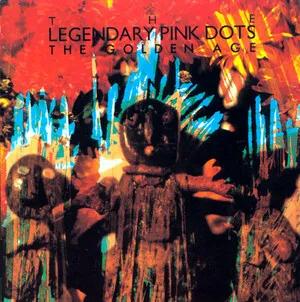
The Golden Age
The Legendary Pink Dots
Dark Cabaret
1986
1
/5
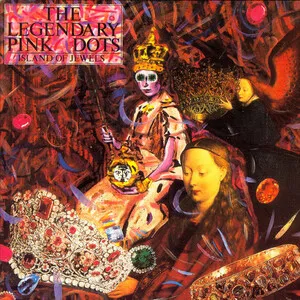
Island of Jewels
The Legendary Pink Dots
Dark Cabaret
Similar artists
1
/5
Cinema Strange
Deathrock
Coldwave
Dark Wave
1
/5
Various Artists
Afro-Funk
Alternative Rock
Ambient
4
/5
Siouxsie and the Banshees
Gothic Rock
Post-Punk
Deathrock
4
/5
Boy Harsher
Grave Wave
Ebm
Dark Wave
3
/5
Sisters of Mercy
Gothic Rock
Dark Wave
Deathrock
3
/5
Bauhaus
Dark Wave
Post-Punk
Gothic Rock
3
/5
Lebanon Hanover
Minimal Wave
Dark Wave
Deathrock
3
/5
Twin Tribes
Deathrock
Coldwave
Gothic Rock
3
/5
French Police
Deathrock
Gothic Rock
Post-Punk
3
/5
Dead Can Dance
Ethereal Wave
Dark Wave
Electronic
Download our mobile app
Get the Melodigging app and start digging for new genres on the go
Download on the App Store
Get it on Google Play
© 2026 Melodigging
Give feedback
Legal
Melodding was created as a tribute to
Every Noise at Once
, which inspired us to help curious minds keep digging into music's ever-evolving genres.