Genres
Artists
Albums
Make Music
Sign in
Sign in
Artists
Baroque Pop
Artists
Baroque Pop
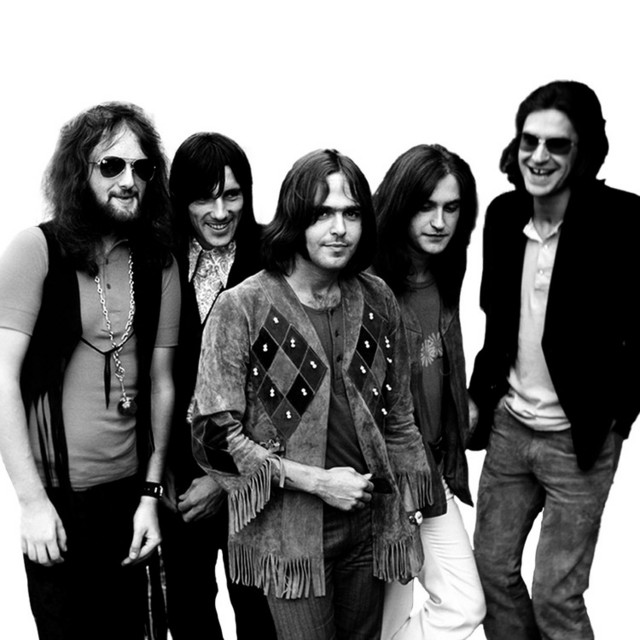
The Kinks
1966–2019
·
9 albums
Listen
4
/5
Genres
Chill Pop
Chill pop is a contemporary pop micro‑genre that blends radio‑friendly songwriting with the mellow textures of chillout and lo‑fi aesthetics. It favors soft vocals, smooth synths, clean guitar plucks, understated bass, and relaxed, mid‑tempo grooves. Instead of big, bombastic hooks, chill pop tends toward intimate, conversational melodies and minimal, airy arrangements. Production often borrows from bedroom pop and alternative R&B—subtle trap hi‑hats, warm saturation, roomy reverbs, and gentle side‑chain compression—to create a breezy, pastel sound palette well suited to playlists and late‑night listening. Lyrically, chill pop is introspective and relatable: romance, longing, gentle optimism, and coming‑of‑age themes delivered in a plain‑spoken, whisper‑close tone. The result sits between indie pop’s understated cool and mainstream pop’s catchy structures, optimized for the streaming era’s mood‑driven consumption.
Discover
Listen
Experimental Indie
Experimental indie is a broad, exploratory wing of independent rock and pop that prioritizes curiosity over convention. It blends DIY recording practices with off‑kilter song forms, unusual timbres, and a willingness to fold in ideas from avant‑pop, noise, electronic music, and psych. Rather than a fixed sound, it is a method and attitude: use the tools at hand (bedroom rigs, pedals, samplers, tape, software) to push past genre borders, while keeping the immediacy and intimacy of indie. Expect jagged rhythms, warped hooks, collage‑like arrangements, and production choices that foreground texture as much as melody.
Discover
Listen
Indie Pop Rap
Indie pop rap blends the melodic hooks and DIY aesthetic of indie pop with conversational, often introspective rap delivery. The production favors warm, guitar- or synth-led beats, understated drums, and lo‑fi textures over bombastic trap maximalism. Lyrically, it leans personal and relatable—relationships, coming of age, mental health, and day-to-day vignettes—delivered in a half-sung, half-rapped style. The sound was shaped by bedroom producers and the streaming era, where low-stakes, catchy songs with intimate vocals thrive on playlists and social media.
Discover
Listen
Nyc Pop
NYC pop is a contemporary, hook-forward strain of alternative pop centered on artists living and working in New York City. It blends the sheen of electropop and dance-pop with the songwriting sensibilities of indie pop and indie rock, often pairing bright synths, rhythmic guitars, and punchy drums with large, chantable choruses. Lyrically, it frequently references urban life, ambition, relationships, and self-discovery, capturing the speed, romance, and pressure-cooker energy of the city. Production is glossy but retains an indie edge: live instruments sit beside modern electronic textures, with crisp vocal stacking and ear-catching toplines designed for both radio and festival stages.
Discover
Listen
Shimmer Psych
Shimmer psych is a contemporary strand of neo‑psychedelia that pairs sparkling, chorus‑washed guitars and gauzy vocal harmonies with dreamy pop songcraft. It emphasizes high‑end "shimmer," tape‑soft saturation, hypnagogic textures, and melodic hooks, sitting between dream pop, jangle pop, and classic psychedelic rock. Typical tracks are mid‑tempo, built on warm bass lines, gentle motorik or laid‑back breakbeats, and drenched in reverb, phaser, and delay. The result is sun‑bleached, nostalgic, and kaleidoscopic rather than heavy or jam‑oriented.
Discover
Listen
Windmill Scene
The Windmill scene refers to the cluster of experimental indie, post‑punk, and art‑rock bands that coalesced around The Windmill pub venue in Brixton, South London. Emerging in the late 2010s, the scene is characterized by knotty rhythms, angular guitars, spoken‑sung or declamatory vocals, and frequent use of saxophone, violin, and synths. Bands associated with the scene blend post‑punk urgency with avant‑prog ambition, no wave abrasion, and jazz-informed spontaneity, often favoring raw, live‑in‑the‑room production aesthetics. Lyrically, the scene leans toward sardonic social observation, surreal storytelling, and metropolitan anxiety, while performances emphasize high energy, improvisational turns, and dynamic contrasts.
Discover
Listen
The Wave
The Wave is a loosely defined cluster of American post-hardcore/emo bands that surged in the early 2010s as emo-pop’s mainstream moment faded. The name was a tongue‑in‑cheek scene tag that stuck in press coverage, but it points to a real overlap in sound, ethos, and touring networks. Musically, The Wave fuses the urgency of 1990s post‑hardcore and screamo with confessional, literate lyric writing associated with emo. Expect shouted or half‑sung/half‑spoken vocals, dynamic quiet‑loud builds, intricate but driving drums, and guitar textures that shift between glassy clean arpeggios and overdriven, emotive climaxes. The songs often emphasize catharsis, narrative detail, and community-minded DIY presentation.
Discover
Listen
Beats
Beats is a loose, producer-driven category for rhythm-forward instrumentals built around hip‑hop drum patterns without necessarily being rap songs or featuring vocals. It functions as an umbrella for stock, "type," and backing tracks used by rappers, singers, streamers, and content creators, spanning boom‑bap swing to trap hi‑hat grids and R&B‑leaning grooves. On streaming platforms it often appears as standalone instrumentals packaged by tempo, mood, or artist style (e.g., “trap type beat,” “R&B instrumental,” “club beat”), prioritizing portability and utility over artist identity. While rooted in hip‑hop production aesthetics—kicks, snares, 808s, chopped samples—Beats blends downtempo, electronic, and contemporary R&B sensibilities, aiming for clarity, loopability, and immediate vibe.
Discover
Listen
Classify
Classify is a streaming-era microgenre that blends light classical technique with contemporary pop repertoire, typically presented as unobtrusive instrumental covers. It prioritizes soft dynamics, gentle tempos, and intimate recording to create a calm, elegant backdrop suitable for studying, working, or events. Most arrangements are for solo piano, string quartet, cello/piano duos, or small chamber ensembles. Harmonies remain diatonic and consonant, melodies are clearly voiced, and textures favor arpeggios, ostinati, and sustained legato lines. The overall aesthetic borrows from modern classical and new age moods while retaining the familiarity of pop song forms.
Discover
Listen
Connecticut Indie
Connecticut indie is a regional strain of U.S. indie rock that blends the heartfelt directness of emo-revival with the fuzzy guitars, DIY ethics, and adventurous textures of New England’s underground. Rooted in college-town and small-city scenes (Middletown, New Haven, Willimantic, Hartford), the sound swings between twinkly, lyrically confessional indie and louder, shoegaze- or noise-tinged guitar rock. You’ll hear gang-vocal catharsis, transparent production that favors live-room energy, and occasional orchestral or synth flourishes that reflect the area’s art-school and experimental leanings. While it is geographically defined, the micro-scene’s bands networked nationally through house shows, small labels, and online communities, making Connecticut indie both locally grounded and widely connected.
Discover
Listen
Pov: Indie
"pov: indie" is a social-media-native microstyle built around short, cinematic indie-pop/indie-rock snippets designed to accompany a first-person (POV) narrative. Instead of being defined by a single new musical technique, it is defined by context: the music is chosen or written to feel like the soundtrack to a specific moment (a crush, a late-night walk, moving to a new city, seasonal nostalgia). Sonically it typically uses bright but soft guitars or synths, intimate vocals, simple memorable hooks, and production that reads clearly on phone speakers. The emotional tone is often wistful, tender, and “coming-of-age,” with lyrics that can be understood quickly in a 10–30 second clip.
Discover
Listen
Baroque Pop
Baroque pop is a mid‑1960s fusion of contemporary pop/rock songwriting with the timbres, textures, and contrapuntal techniques of Baroque and broader European classical music. It is marked by harpsichord and piano doubling, string quartets or small orchestras, woodwinds (oboe, recorder, bassoon), French horn and piccolo trumpet colors, and melody‑forward arrangements that favor counter‑melodies and suspensions over riff‑based accompaniment. Harmonies tend to be richer than standard rock, with chromatic voice‑leading, circle‑of‑fifths motion, deceptive cadences, and occasional modulations. Production is usually lush and reverberant, supporting reflective, often nostalgic or romantic lyrics. Although it overlaps with orchestral pop and psychedelic pop, baroque pop is distinguished by its chamber‑scale instrumentation, Baroque idioms (basso continuo feel, ornamented lines), and the way classical elements are woven into compact pop song forms.
Discover
Listen
Mod
Mod is a British music style rooted in the early-to-mid 1960s modernist youth culture that prized sharp fashion, nightlife, and danceable American R&B and soul. Musically, it blends tight, hook-forward songwriting with brisk tempos, crisp guitar work, prominent backbeats, and frequent use of Hammond organ and occasional horn stabs. Typical mod records are concise and energetic, drawing on blues and R&B progressions but framed with pop sensibility and vocal harmonies. The sound sits between beat music and early rock, with a soulful edge and a strong emphasis on dancing and style. While the original wave crested in the mid-1960s, the approach later reappeared in the late-1970s mod revival and has continued to inform power pop and Britpop aesthetics.
Discover
Listen
Proto-Punk
Proto-punk is a catch-all term for the raw, stripped-down rock that immediately preceded and inspired punk rock. It favors abrasive guitar tones, primitive drumming, short song forms, shouted or deadpan vocals, and lyrics steeped in alienation, anti-establishment anger, and street-level realism. Emerging from 1960s garage rock, avant-leaning art rock, and hard-edged rhythm & blues, proto-punk connected the chaos of early rock and roll with the urgency of the 1970s punk explosion. Its sound ranges from the Detroit ferocity of The Stooges and MC5 to the arty minimalism and noise experiments of The Velvet Underground.
Discover
Listen
Pop Rock
Pop rock blends the hook-focused immediacy of pop with the instrumentation and drive of rock. It prioritizes catchy melodies, concise song structures, and polished production while retaining guitars, bass, and drums as core elements. Typical pop rock tracks use verse–pre-chorus–chorus forms, strong vocal harmonies, and memorable riffs. The sound ranges from jangly and bright to mildly overdriven and arena-ready, aiming for radio-friendly appeal without abandoning rock’s rhythmic punch.
Discover
Listen
Art Rock
Art rock is a branch of rock music that treats the studio and the album as spaces for artistic experimentation, emphasizing conceptual ideas, ambitious arrangements, and cross-pollination with modernist and avant-garde traditions. It typically favors extended song forms, thematic or conceptual unity, and non-standard instrumentation (strings, woodwinds, synthesizers) alongside rock’s core band setup. Lyrically, it leans toward literary, surreal, or philosophical subjects and often adopts theatrical presentation. Where mainstream rock centers on immediacy and hooks, art rock embraces risk: unusual time signatures, timbral exploration, complex harmony, tape and electronic manipulation, and interludes that draw from classical, jazz, minimalism, and experimental music.
Discover
Listen
Country Rock
Country rock is a hybrid of country music’s storytelling, twang, and acoustic textures with rock’s backbeat, amplification, and song structures. It typically features electric and acoustic guitars, pedal steel, close vocal harmonies, and a steady 4/4 groove, while lyrics focus on roads, small towns, heartbreak, and everyday American life. The sound ranges from jangly and rootsy to polished and radio-friendly, bridging bar-band energy with country elegance and shaping the template for later Americana and heartland styles.
Discover
Listen
Hard Rock
Hard rock is a loud, riff-driven style of rock music built around heavily amplified electric guitars, a powerful rhythm section, and assertive vocals. Songs typically center on memorable, blues-based guitar riffs, strong backbeats, and energetic, often shouted or belted choruses. The genre emphasizes power, groove, and visceral impact over intricate harmony or extended improvisation. Distortion, power chords, pentatonic melodies, and call‑and‑response between vocals and guitar are core traits, while lyrical themes often explore rebellion, lust, swagger, escape, and cathartic release.
Discover
Listen
Rock Opera
Rock opera is a narrative-driven form of rock music in which a sequence of songs tells a coherent story, often through distinct characters, recurring leitmotifs, and theatrical arcs. Unlike a loose concept album, a rock opera typically emphasizes plot, character development, and musical continuity, borrowing structural ideas from opera (overtures, reprises, arias/solos, and dramatic climaxes) while retaining the instrumentation, rhythms, and sonic vocabulary of rock. Works can exist as studio albums, staged productions, or films, and may range from guitar-centered ensembles to fully orchestrated scores with choirs and narration. The form emerged in the late 1960s with UK pioneers and grew alongside progressive and symphonic rock in the 1970s.
Discover
Listen
Roots Rock
Roots rock is a back-to-basics strain of rock music that reconnects the electric band format with its foundational American roots in blues, country, folk, rhythm & blues, and early rock and roll. It favors sturdy songcraft, earthy timbres, and groove over studio gloss—think twangy or gritty guitars, Hammond organ or piano, a steady backbeat, and plainspoken, story-driven lyrics. The style often carries a "live-in-the-room" feel, medium tempos, and blues-based progressions, evoking bar bands, roadhouses, and rural imagery. Rather than chasing cutting-edge production or virtuosic excess, roots rock emphasizes feel, narrative, and tradition—bridging the immediacy of rock with the storytelling of folk and country and the emotional bite of the blues.
Discover
Listen
Beat Music
Beat music (often called Merseybeat when centered on Liverpool) is a British style of early-to-mid 1960s guitar pop built on a strong, danceable backbeat, close vocal harmonies, and concise, hook-driven songwriting. It blends the rhythmic drive of American rock and roll and rhythm and blues with skiffle’s DIY energy and doo‑wop’s harmonies, typically delivered by two electric guitars, electric bass, and drums, with frequent handclaps and tambourine. Songs are short, catchy, and youthful in theme, favoring major keys, I–IV–V progressions, and memorable choruses that foreground melody over instrumental virtuosity.
Discover
Listen
Rock
Rock is a broad family of popular music centered on amplified instruments, a strong backbeat, and song forms that foreground riffs, choruses, and anthemic hooks. Emerging from mid‑20th‑century American styles like rhythm & blues, country, and gospel-inflected rock and roll, rock quickly expanded in scope—absorbing folk, blues, and psychedelic ideas—while shaping global youth culture. Core sonic markers include electric guitar (often overdriven), electric bass, drum kit emphasizing beats 2 and 4, and emotive lead vocals. Rock songs commonly use verse–chorus structures, blues-derived harmony, and memorable melodic motifs, ranging from intimate ballads to high‑energy, stadium‑sized performances.
Discover
Listen
Pop
Pop is a broad, hook-driven style of popular music designed for wide appeal. It emphasizes memorable melodies, concise song structures, polished vocals, and production intended for radio, charts, and mass media. While pop continually absorbs elements from other styles, its core remains singable choruses, accessible harmonies, and rhythmic clarity. Typical forms include verse–pre-chorus–chorus, frequent use of bridges and middle-eights, and ear-catching intros and outros. Pop is not defined by a single instrumentation. It flexibly incorporates acoustic and electric instruments, drum machines, synthesizers, and increasingly digital production techniques, always in service of the song and the hook.
Discover
Listen
Rock And Roll
Rock and roll is a high-energy, dance-oriented popular music style that emerged in the United States in the early-to-mid 1950s. It fuses the 12‑bar blues and boogie‑woogie with the backbeat and instrumentation of rhythm & blues, the twang and storytelling of country, and the fervor of gospel. Its hallmark sound centers on a strong backbeat (accented on beats 2 and 4), driving rhythm sections, electric guitar riffs, prominent piano or saxophone leads, and catchy, chorus-forward songwriting. Typical harmonies revolve around I–IV–V progressions, often in 12-bar form, with swung or shuffle feels and punchy turnarounds. Culturally, rock and roll catalyzed a youth movement linked to dancing, teen identity, and social change. It bridged racial audiences by popularizing Black American musical traditions for mainstream listeners, and it laid the foundation for subsequent rock styles and much of modern pop.
Discover
Listen
Show all 24 genres
Albums
2019
1
/5
Arthur or the Decline and Fall of the British Empire
The Kinks
Pop Rock
1971
1
/5
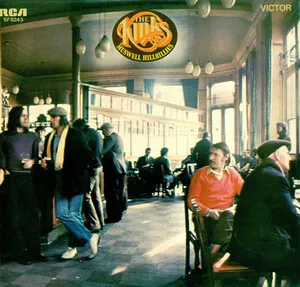
Muswell Hillbillies
The Kinks
Roots Rock
Country Rock
1970
4
/5
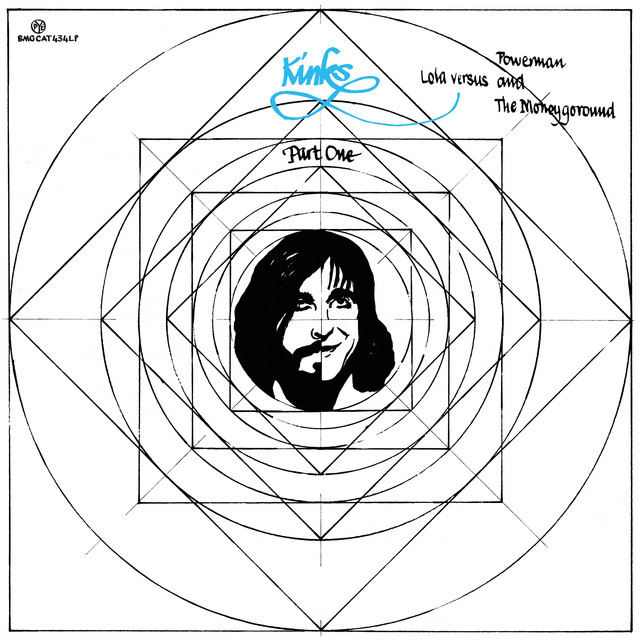
Lola Versus Powerman and the Moneygoround, Pt. 1
The Kinks
Proto-Punk
Hard Rock
Pop Rock
1969
1
/5
Arthur or the Decline and Fall of the British Empire
The Kinks
Rock Opera
Baroque Pop
Pop Rock
1968
1
/5
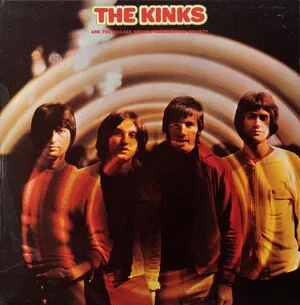
The Kinks Are the Village Green Preservation Society
The Kinks
Pop Rock
1967
1
/5
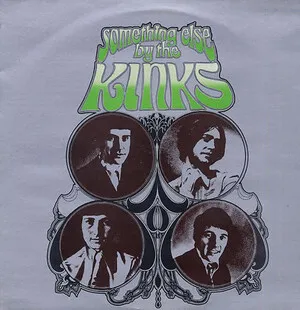
Something Else by The Kinks
The Kinks
Baroque Pop
1966
1
/5
Face to Face
The Kinks
Mod
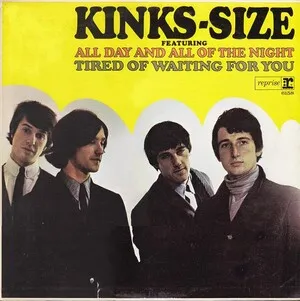
Kinks-Size
The Kinks
Mod
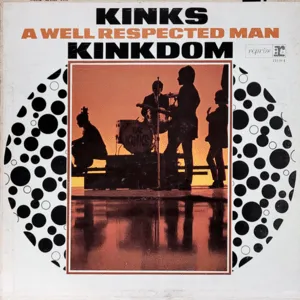
Kinkdom
The Kinks
Mod
Similar artists
3
/5
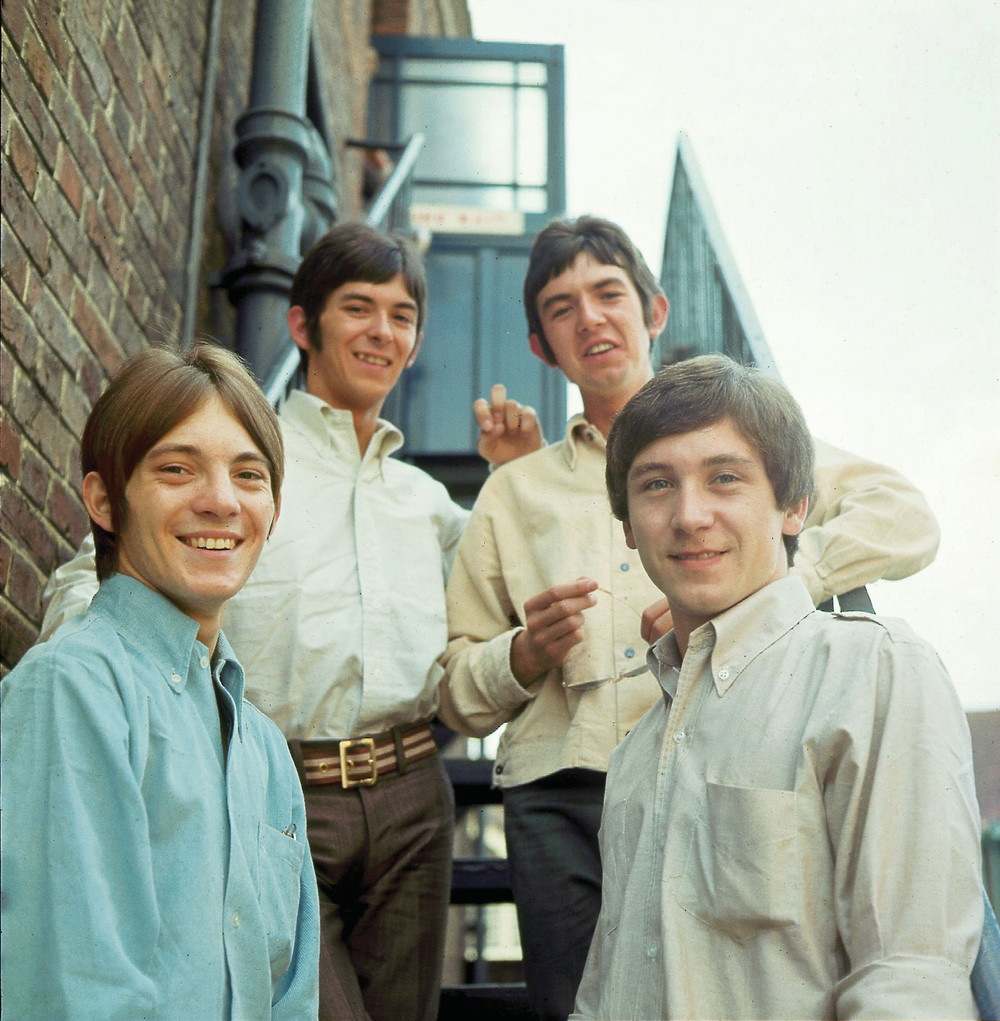
Small Faces
Proto-Punk
Mod
Acid Rock
1
/5
Various Artists
Afro-Funk
Alternative Rock
Ambient
4
/5
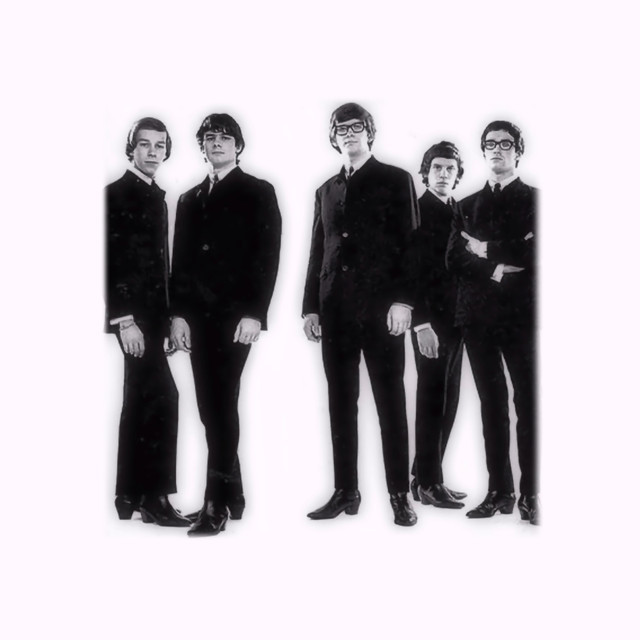
The Zombies
Baroque Pop
Chill Pop
Nyc Pop
4
/5
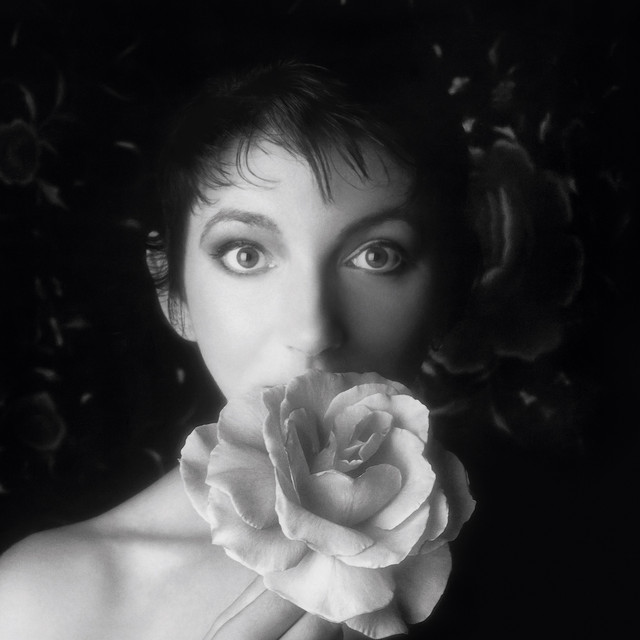
Kate Bush
Art Rock
Art Pop
Baroque Pop
4
/5
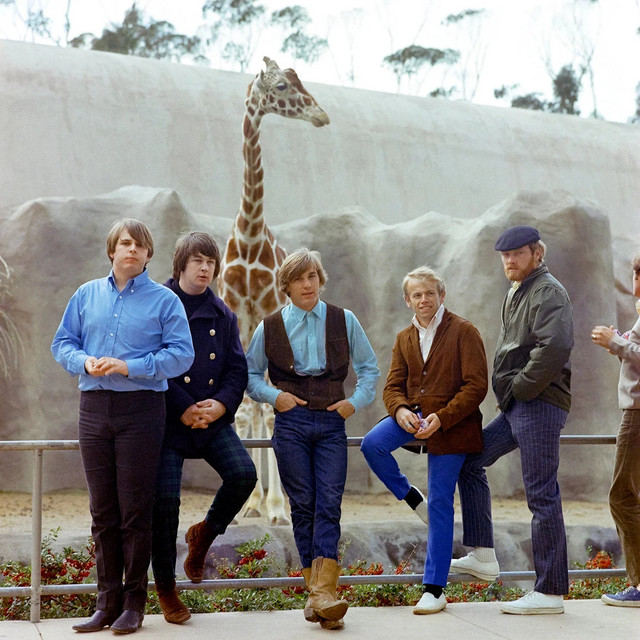
The Beach Boys
Sunshine Pop
Pop
Baroque Pop
5
/5
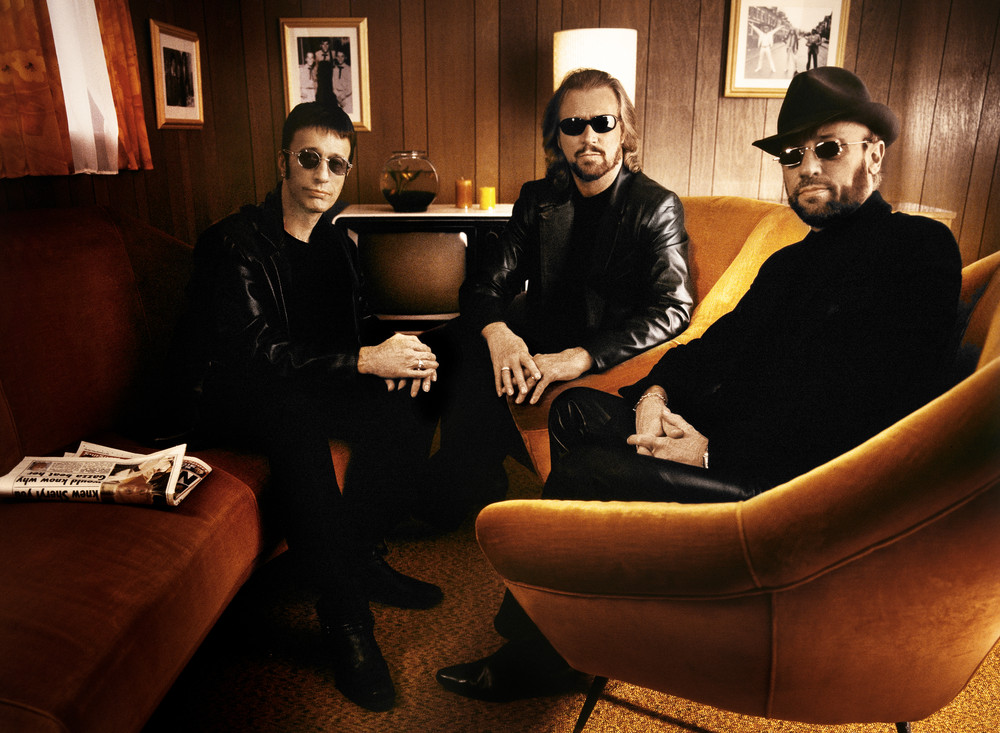
Bee Gees
Disco
Pop
Pop Rock
4
/5
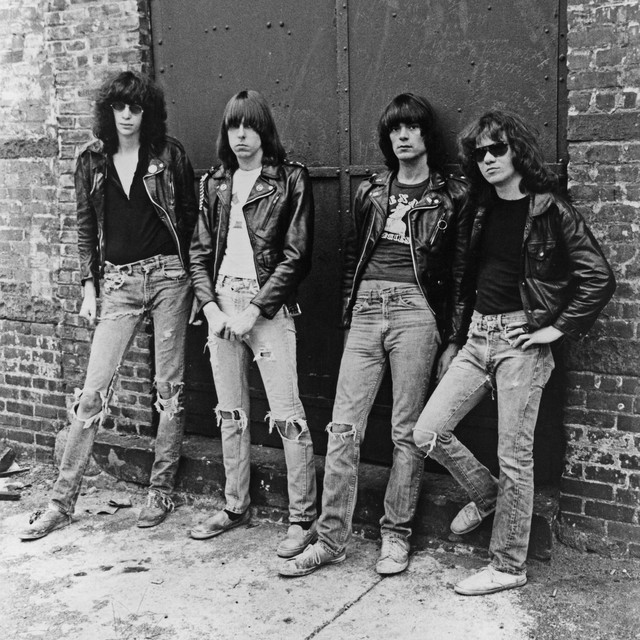
Ramones
Early Us Punk
Punk
Proto-Punk
3
/5
Love
Baroque Pop
Psychedelic Pop
Psychedelic Rock
4
/5
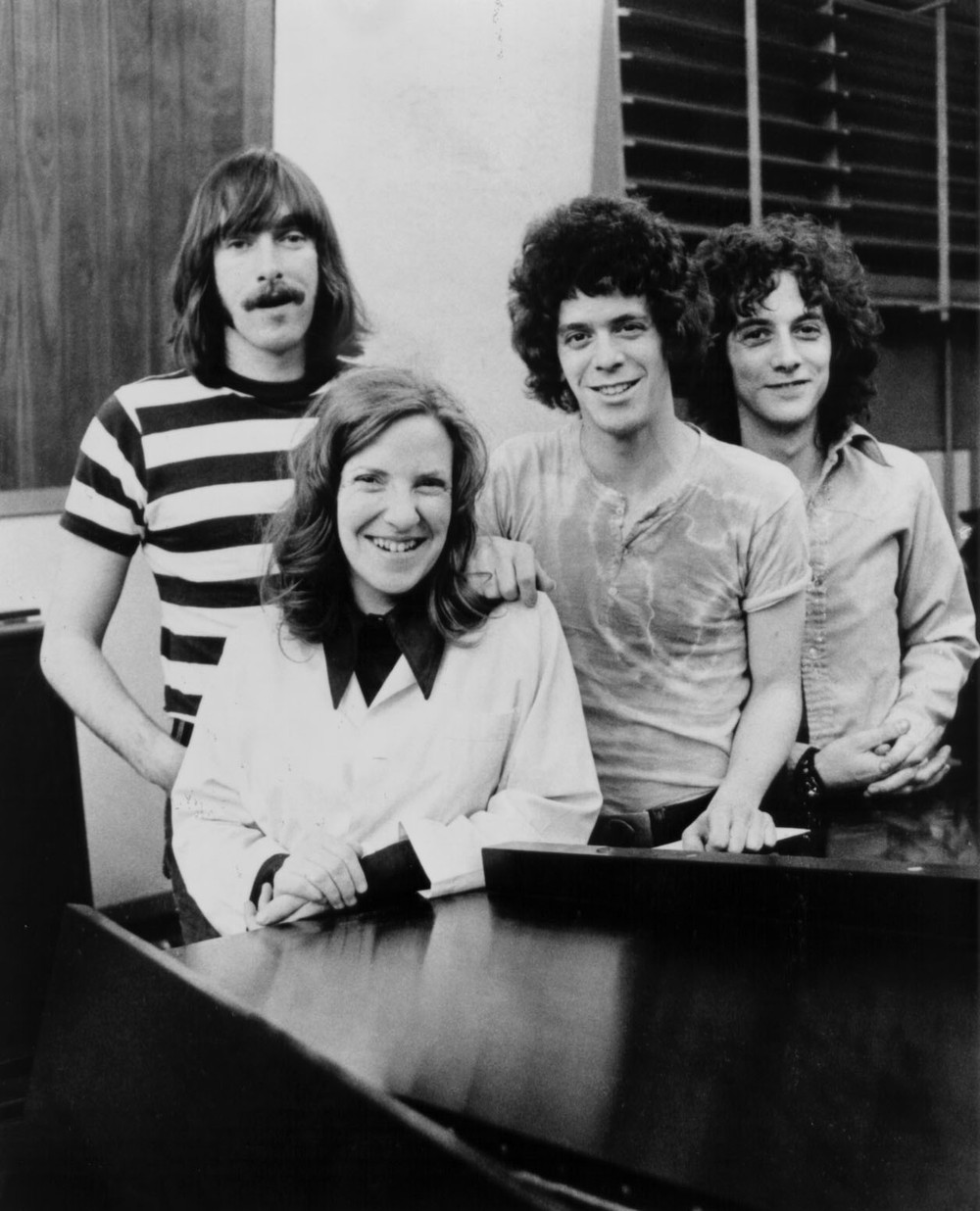
The Velvet Underground
Art Rock
Proto-Punk
Rock
5
/5
The Beatles
Merseybeat
Rock
Pop
Download our mobile app
Get the Melodigging app and start digging for new genres on the go
Download on the App Store
Get it on Google Play
© 2026 Melodigging
Give feedback
Legal
Melodding was created as a tribute to
Every Noise at Once
, which inspired us to help curious minds keep digging into music's ever-evolving genres.