Genres
Artists
Albums
Make Music
Sign in
Sign in
Artists
Harsh Noise
Artists
Harsh Noise
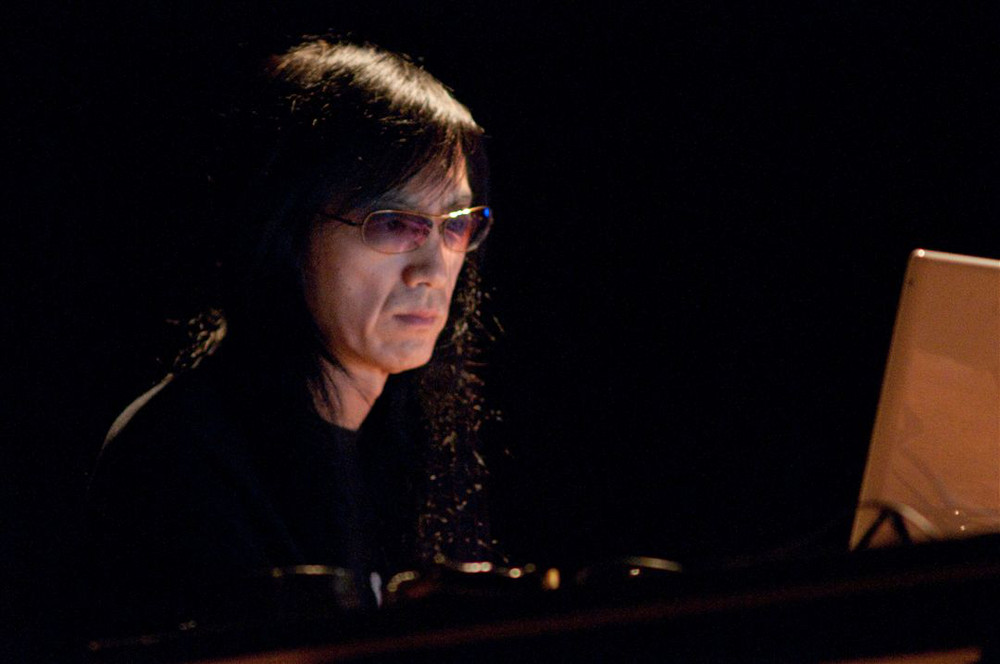
The Gerogerigegege
19 albums
Listen
Genres
Ambient Noise Wall
Ambient noise wall (ANW) is a microgenre of noise music that blends the monolithic, unchanging "wall" aesthetics of harsh noise wall with the hushed, enveloping qualities of ambient and drone. Instead of abrasive, high-intensity textures, ANW typically presents a subdued, steady-state roar, hush, or rumble that remains largely static over long durations. The focus is on immersion, timbral depth, and the perception of minute internal movements within an ostensibly unvarying sound mass. Dynamics are minimal, rhythm and melody are absent, and pieces often run for extended lengths, encouraging deep listening and spatial awareness. Typical sources include filtered white/pink/brown noise, room tone, tape hiss, HVAC hums, and distant environmental recordings—shaped with narrow EQ bands, gentle saturation, and compression to form a soft yet impenetrable “wall.” Releases often appear on cassette/CDr with minimalist artwork to reinforce the austere, environmental character of the music.
Discover
Listen
Asmr
ASMR (Autonomous Sensory Meridian Response) as a music/audio genre focuses on close‑miked, low‑intensity sounds designed to induce relaxation, tingling sensations, and sleep. It typically features whispered speech, soft tapping, brushing, fabric rustling, paper crinkles, page turning, and gentle environmental ambiences arranged with extreme intimacy and spatial detail. Production emphasizes very low noise floors, high gain, slow pacing, and extensive stereo or binaural imaging so that sounds feel physically "near" the listener. Unlike song‑based genres, ASMR is usually non‑metrical, largely aperiodic, and minimally harmonic, prioritizing texture, dynamics, and psychoacoustic immersion over melody and rhythm.
Discover
Listen
Harsh Noise Wall
Harsh noise wall (often abbreviated HNW) is an extreme substyle of noise that focuses on producing a monolithic, static "wall" of sound with virtually no perceivable change over long durations. The texture is typically broadband, high-gain, and unrelentingly loud, emphasizing sheer density and timbral grain over dynamics, rhythm, or melody. Aesthetically, HNW tends toward minimalism and austerity: the piece begins and, for the most part, remains the same until it ends. This reduction of musical events is intentional, directing the listener’s attention to micro-level fluctuations in the sound mass, bodily perception, and the temporal experience of endurance. Releases are commonly issued in long-form formats and often feature stark visual presentation and conceptual themes of anonymity, erasure, or anti-performance.
Discover
Listen
Harsh Noise
Harsh noise is an extreme form of noise music characterized by dense, high-volume, full-spectrum distortion that largely rejects melody, harmony, and conventional rhythm. It focuses on texture, saturation, and the psychoacoustic impact of sound. Rather than songs, works are often evolving blocks of feedback, amplified object sounds, and overloaded electronics, shaped into walls, bursts, or streams of sonic pressure. The aesthetic foregrounds physical intensity, unpredictability, and timbral complexity, often presented at ear-splitting sound-pressure levels. Although related to industrial and power electronics, harsh noise minimizes the role of beat and voice, emphasizing raw noise generation and continuous timbral sculpting. The scene is deeply DIY, thriving on small-run tapes, CDrs, and underground performance spaces.
Discover
Listen
Noisecore
Noisecore is an extreme offshoot of hardcore punk that fuses the speed and abrasion of punk with the sonic demolition of noise rock. It is defined by chaotic song structures, extremely short track lengths (often just seconds), screamed or unintelligible vocals, heavy feedback and distortion, blast‑beat drumming, and noise-saturated textures. Many recordings embrace lo‑fi aesthetics, clipping, and intentional "anti-production," reflecting a conscious rejection of formal musical theory and conventional songcraft. While closely related to grindcore, noisecore tends to be even more amorphous and riff‑less, prioritizing raw texture, saturation, and impact over groove or metal riffing. It arose in underground tape-trading scenes and DIY venues, where immediacy, provocation, and extremity were the point.
Discover
Listen
Dark Ambient
Dark ambient is a post‑industrial subgenre that coalesced in the mid‑1980s, drawing primarily on ambient music but shifting its focus toward ominous, subterranean space and timbre. It is characterized by long, low‑frequency drones; dissonant or microtonal overtones; and an enveloping, gloomy or catacomb‑like atmosphere. While largely electronic (synthesizers, samplers, tape and digital processing), artists frequently incorporate field recordings, contact‑mic textures, bowed metal, gongs, and fragments of traditional instruments captured with semi‑acoustic techniques and then heavily processed. Melody and pulse are minimized; instead the music emphasizes immersive sound design, psychoacoustic detail, and slowly evolving textures that evoke dread, awe, and isolation.
Discover
Listen
Post-Industrial
Post-industrial is an umbrella term for the diverse musical currents that evolved out of first‑wave industrial music in the early 1980s. Rather than a single sound, it describes a methodology: the recontextualization of noise, tape collage, found sound, non‑traditional percussion, and transgressive or esoteric themes into new hybrids. It commonly emphasizes textural experimentation over conventional song form, drawing on ambient drones, harsh electronics, ritualistic rhythms, and performance-art strategies. The scene grew through DIY cassette culture, mail‑art networks, and small independent labels, fostering substyles like power electronics, dark ambient, neofolk, martial industrial, and illbient. Aesthetically, post‑industrial retains industrial’s confrontational stance but disperses it into atmospheric, political, mystical, and avant‑garde directions, making it as much a way of working with sound and media as a genre label.
Discover
Listen
Noise
Noise is an experimental music genre that uses non-traditional sound sources, distortion, feedback, and extreme dynamics as primary musical materials. Instead of emphasizing melody, harmony, or conventional rhythm, it focuses on texture, density, timbre, and the physical presence of sound. Practitioners sculpt saturated walls of sound, piercing feedback, metallic clatter, contact-mic scrapes, tape hiss, and electronic interference into works that can be confrontational or meditative. Performances often highlight process and immediacy—improvisation, body movement, and site-specific acoustics—while recordings can range from lo-fi cassette overload to meticulously layered studio constructions. Though rooted in early avant-garde ideas, the genre coalesced as a distinct practice in the late 1970s and 1980s, especially through Japan’s ‘Japanoise’ scene, and subsequently influenced numerous styles across industrial, punk-adjacent, and experimental electronic music.
Discover
Listen
Insect Sounds
Insect sounds is a nature-recording genre focused on capturing the acoustic life of insects—crickets, katydids, cicadas, grasshoppers, beetles, and other arthropods—both as documentary field recordings and as contemplative listening material. It privileges unmanipulated, high-fidelity ambience where the insects’ rhythms, choruses, and timbral details become the "music." While scientific collections and sound archives existed earlier, the genre coalesced as a consumer-facing category during the 1970s–1990s alongside nature-sound albums and the field-recording movement. Releases range from taxonomically organized reference compilations to immersive nocturnal soundscapes that emphasize place, season, and time of day. Aesthetically, insect sounds overlap with ambient, new age, and sound art: long takes, minimal intervention, and a strong sense of space. Technically, it relies on specialized microphones (parabolic dishes, contact mics) and high sample rates to render subtle stridulations and ultrasonics with clarity.
Discover
Listen
Free Improvisation
Free improvisation is a practice of spontaneous music-making that avoids fixed idioms, stylistic templates, and pre-agreed structures. Musicians prioritize listening, interaction, and the exploration of sound itself—timbre, texture, dynamics, and silence—over conventional melody, harmony, or pulse. Guitarist Derek Bailey popularized the notion of "non-idiomatic improvisation," describing a music that deliberately resists falling into recognizable genre habits. While often overlapping with free jazz and contemporary classical experimentalism, free improvisation is not confined to either. It welcomes any instrument or sound source—acoustic, electronic, or everyday objects—and frequently uses extended techniques, feedback, and unconventional performance gestures. Performances can range from whisper-quiet, pointillistic interplay to ferocious, high-energy noise, with the ensemble shaping form in real time through attention and constraint.
Discover
Listen
Rain Sounds
Rain sounds is a subcategory of nature recordings focused on capturing the auditory texture of rainfall, from gentle drizzles to heavy downpours and distant thunder. Rather than melody or harmony, it emphasizes soundscape qualities such as density, spectral color, spatial diffusion, and dynamic contour. These recordings are used for relaxation, sleep, meditation, masking urban noise, and as environmental layers in ambient and film sound design. Typical releases present long, uninterrupted takes engineered for comfortable listening, low fatigue, and seamless looping, often with careful microphone placement to avoid harsh transients and to preserve a sense of space.
Discover
Listen
Nature Recordings
Nature recordings are unaccompanied, minimally edited captures of natural soundscapes such as birdsong, wind, rain, surf, rivers, amphibians, insects, and other environmental ambiences. The emphasis is on documentary fidelity, long-form listening, and preserving dynamic range rather than musical composition in the traditional sense. Releases often present extended, uninterrupted tracks from a single habitat or time window (e.g., dawn chorus, coastal storm, tropical rainforest at night), inviting listeners to experience place through sound. While closely related to field recording and soundscape composition, nature recordings typically avoid added instruments or overt sound design, privileging biophony and geophony with as little anthrophony (human-made noise) as possible.
Discover
Listen
Animal Sounds
Animal sounds is a non-music, documentary-focused genre centered on the unaccompanied vocalizations and behaviors of animals—such as birdsong, whale song, insect choruses, amphibian calls, and mammal vocalizations—captured in the field. Rather than emphasizing melody, harmony, or beat, works in this genre present the acoustic ecology of a place and time. Producers often favor minimal processing to preserve scientific, educational, and experiential value, though some releases organize recordings into thematic "soundscapes" (e.g., dawn chorus, coastal rookeries). The genre is commonly used for education, research, relaxation, and as raw material for ambient, electroacoustic, and sound art contexts.
Discover
Listen
Field Recording
Field recording is the practice and genre of capturing sounds in situ—outside the studio—using portable recording equipment. It centers on documenting environments, human activities, wildlife, weather, machinery, rituals, and music as they actually occur, often with minimal intervention. As a listening genre, field recording foregrounds place and presence. Releases may present unprocessed, extended takes (e.g., a shoreline at dawn), or carefully edited sequences that map a soundwalk, a village festival, or a factory floor. The results range from documentary-style fidelity to abstract, immersive soundscapes that emphasize texture, spatiality, and the ecology of sound.
Discover
Listen
Show all 14 genres
Albums
>(decrescendo) Final Chapter デクレッシェンド 最終章
The Gerogerigegege
Field Recording
>(decrescendo)
The Gerogerigegege
Field Recording
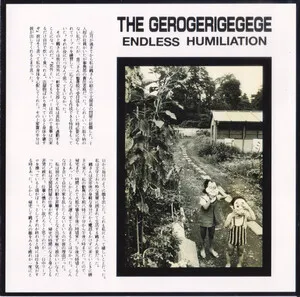
Endless Humiliation
The Gerogerigegege
Nature Recordings
>(decrescendo)
The Gerogerigegege
Nature Recordings
Hell Driver
The Gerogerigegege
Free Improvisation
Endless Humiliation
The Gerogerigegege
Rain Sounds
Moenai Hai 燃えない灰
The Gerogerigegege
Post-Industrial
Senzuri Power Up
The Gerogerigegege
Harsh Noise
>(decrescendo) Final Chapter デクレッシェンド 最終章
The Gerogerigegege
Harsh Noise
Instruments Disorder (170 Songs CD)
The Gerogerigegege
Harsh Noise
Senzuri Power Up
The Gerogerigegege
Noisecore
Instruments Disorder (170 Songs CD)
The Gerogerigegege
Noisecore
>(decrescendo) Final Chapter デクレッシェンド 最終章
The Gerogerigegege
Harsh Noise Wall
Naomi's Masturbation and Wakakusa Dormitory Guide Re-Issue 直美のオナニーと若草寮案内 RE-ISSUE
The Gerogerigegege
Asmr
Moenai Hai 燃えない灰
The Gerogerigegege
Dark Ambient
>(decrescendo)
The Gerogerigegege
Insect Sounds
Instruments Disorder (170 Songs CD)
The Gerogerigegege
Noise
>(decrescendo)
The Gerogerigegege
Animal Sounds
>(decrescendo) Final Chapter デクレッシェンド 最終章
The Gerogerigegege
Ambient Noise Wall
Similar artists
7 Minutes of Nausea
Noise
Grindcore
Noisecore
2
/5
Merzbow
Japanoise
Noise
Harsh Noise
1
/5
Sissy Spacek
Grindcore
Noise
Noisecore
2
/5
Uboa
Dark Ambient
Industrial
Noise
1
/5
Various Artists
Soundtrack
Afro-Funk
Alternative Rock
2
/5
Xiu Xiu
Experimental
Art Pop
Electronic
1
/5
Kevin Drumm
Noise
Ambient
Avant-Garde
3
/5
Boris
Gaian Doom
Drone
Drone Metal
2
/5
Prurient
Industrial
Noise
Fort Thunder Scene
1
/5
Controlled Bleeding
Industrial
Experimental
Power Electronics
Download our mobile app
Get the Melodigging app and start digging for new genres on the go
Download on the App Store
Get it on Google Play
© 2026 Melodigging
Give feedback
Legal
Melodding was created as a tribute to
Every Noise at Once
, which inspired us to help curious minds keep digging into music's ever-evolving genres.