Genres
Artists
Albums
Make Music
Sign in
Sign in
Artists
Electro Swing
Artists
Electro Swing
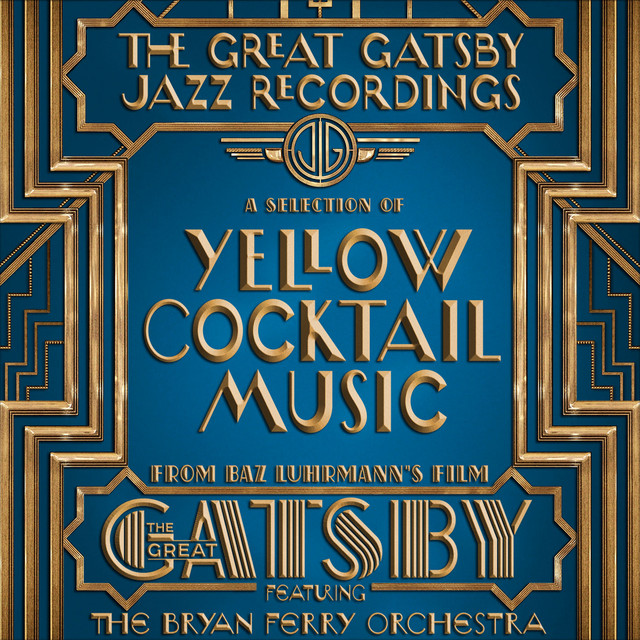
The Bryan Ferry Orchestra
2012
·
1 album
Listen
3
/5
Genres
Electro Swing
Electro swing fuses the timbres and rhythms of 1920s–1940s swing and big band jazz with modern electronic dance production. Producers sample or recreate vintage horn sections, clarinets, crooner vocals, and walking bass lines, then place them over four‑on‑the‑floor house grooves, syncopated breakbeats, and punchy electronic bass. Typical tempos sit around 110–128 BPM, with swung/shuffle hi‑hats, call‑and‑response horn riffs, and jazz harmony (ii–V–I cadences, extended 7ths/9ths/13ths). Vocals range from retro scat and cabaret‑style singing to contemporary rap or chopped vocal hooks. The result is a playful, dance‑forward sound that feels both nostalgic and fresh: gramophone grit and brass flair meeting club‑ready drums, sidechain swells, and modern sound design.
Discover
Listen
Swing
Swing is a jazz style centered on a buoyant, danceable groove created by a walking bass, four-to-the-bar rhythm guitar, a backbeat emphasis on 2 and 4, and a lilted “swung” eighth-note feel. Typically performed by big bands (saxes, trumpets, trombones, and a rhythm section) as well as small combos, it balances written arrangements with improvised solos. Hallmarks include call-and-response between horn sections, riff-based melodies, shout choruses that build intensity near the end of an arrangement, and rich sectional voicings grounded in blues language and ii–V–I harmonic motion. Tempos range from medium to brisk, serving social dances like the Lindy Hop and Jitterbug. Swing’s expressive phrasing, dance-floor focus, and sophisticated arranging made it the dominant popular music of the late 1930s and early 1940s.
Discover
Listen
Big Band
Big band is a large-ensemble style of jazz and popular dance music built around brass, reed, and rhythm sections playing arranged parts. Typical instrumentation includes five saxophones (often doubling clarinet/flute), four trombones, four trumpets, and a rhythm section of piano, guitar, upright bass, and drum set. The music emphasizes swing rhythms, call-and-response between sections, riff-based writing, and dramatic shout choruses, while leaving space for improvised solos. Born in American ballrooms and theaters, big band became the sound of the Swing Era, providing both music for dancing and a platform for sophisticated arranging and orchestration that shaped much of 20th‑century jazz and popular music.
Discover
Listen
British Dance Band
British dance band refers to the polished, hotel-ballroom and radio-friendly dance orchestras active primarily in Britain during the 1920s and 1930s. Characterized by smooth, tightly arranged versions of foxtrots, waltzes, quicksteps, and tangos, the style blended American jazz-dance band idioms with British light-music and music-hall sensibilities. Improvisation was usually restrained in favor of clear melody, elegant voicings, and reliable “strict-tempo” rhythms designed for social dancing. Typical ensembles featured saxophones (often clarinet doubles), trumpets, trombone, violins, piano, banjo or guitar, string bass or tuba, and drums—sometimes with a crooner or vocal trio. The sound was urbane and genteel, popularized via prestigious hotel residencies (e.g., the Savoy) and BBC broadcasts, and it helped standardize many songs that later became part of the Great British and American songbooks.
Discover
Listen
Orchestral Jazz
Orchestral jazz blends the improvisational spirit, swing feel, and extended harmony of jazz with the instrumentation, color, and large-scale forms of the orchestra. Typically built on a big-band core of saxophones, trumpets, trombones, and rhythm section, it augments the palette with strings, French horns, tuba, harp, and expanded percussion to achieve symphonic weight and timbral variety. Arrangers use techniques from classical orchestration—counterpoint, sectional scoring, motivic development—while preserving room for jazz solos and groove. The style took shape in the 1920s as “symphonic jazz” in the United States (e.g., Paul Whiteman’s commissions of George Gershwin), matured through Duke Ellington’s extended suites, and evolved post‑war via Stan Kenton, Claude Thornhill, and Gil Evans. Today, contemporary composers such as Maria Schneider continue the lineage with modern harmony, subtle textures, and long-form works.
Discover
Listen
Dixieland
Dixieland is one of the earliest forms of jazz, crystallizing in New Orleans in the 1910s and spreading to Chicago and New York in the 1920s. It is characterized by collective improvisation, where the front line—trumpet or cornet carrying the melody, clarinet weaving countermelodies, and trombone providing "tailgate" harmonies and slides—creates a lively polyphonic texture over a buoyant two-beat feel. Its rhythm section often features banjo or piano, tuba or string bass, and drums playing parade-derived press rolls and stop-time figures. Harmonically it draws on functional tonality (I–IV–V with frequent secondary dominants), and structurally it favors 12-bar blues, 16-bar strains from ragtime, and 32-bar AABA song forms. Repertoire includes marches, blues, spirituals, popular songs, and Creole dances, rendered with a brassy, celebratory sound that evokes the New Orleans brass band tradition.
Discover
Listen
Albums
2012
1
/5
The Jazz Age
The Bryan Ferry Orchestra
British Dance Band
Dixieland
Big Band
Similar artists
4
/5
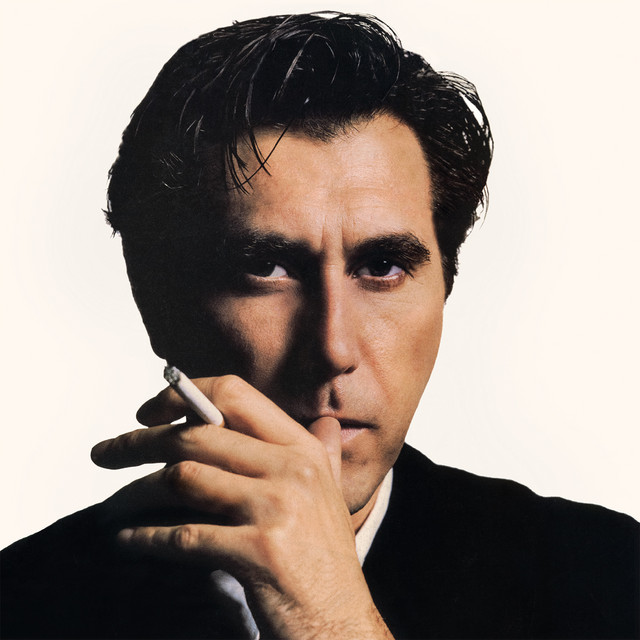
Bryan Ferry
Solo Wave
British Dance Band
Glam Rock
3
/5
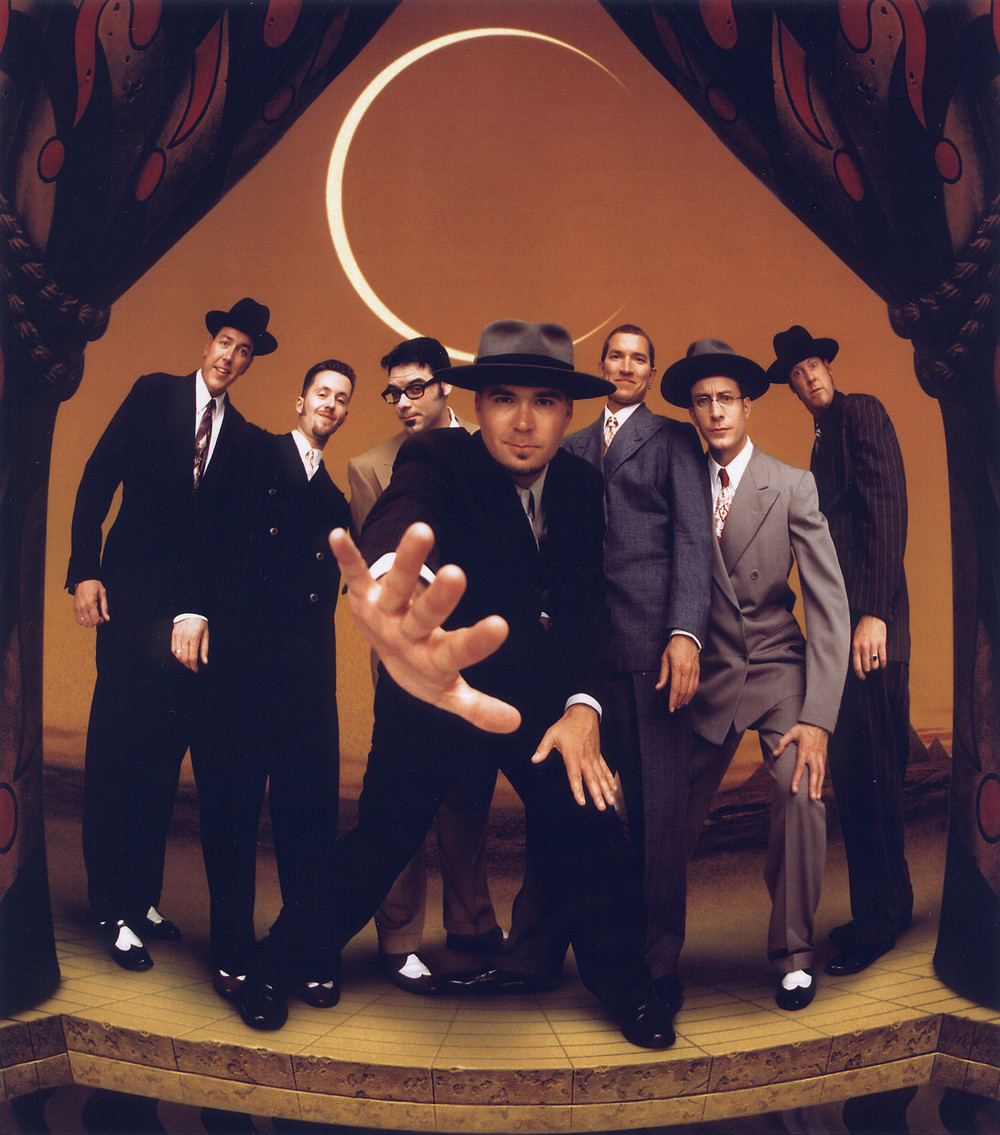
Big Bad Voodoo Daddy
Swing Revival
Swing
Big Band
3
/5
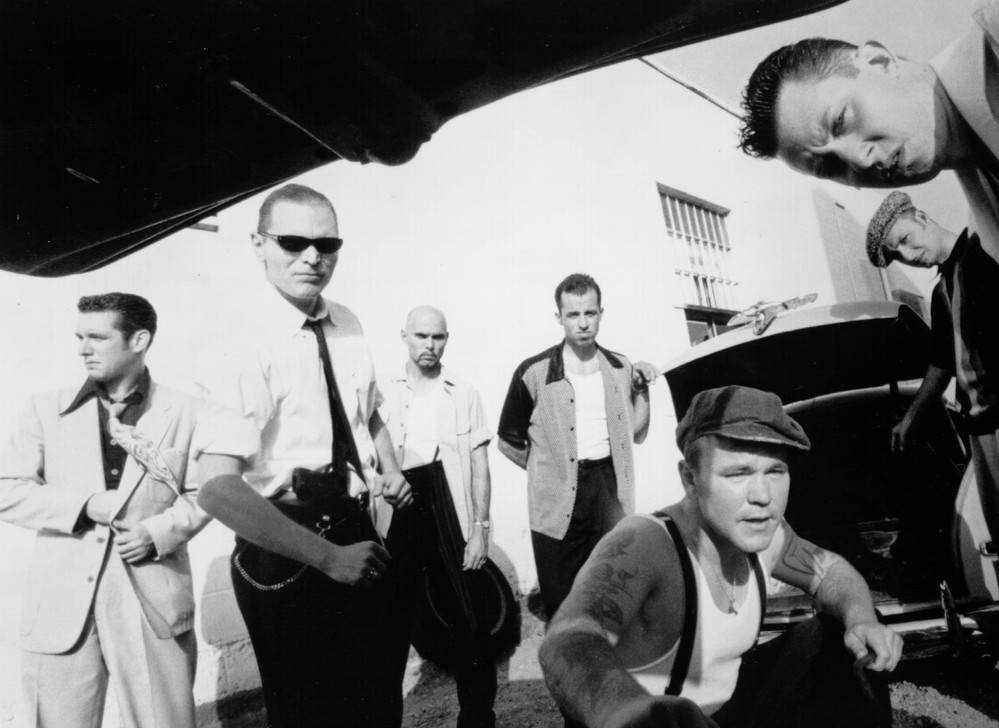
Royal Crown Revue
Swing Revival
Swing
Big Band
2
/5
Cherry Poppin' Daddies
Eugene Indie
Swing
Big Band
2
/5
John Rowcroft
Big Band
Electro Swing
Swing
1
/5
Bert Ambrose
Big Band
Electro Swing
Nu Jazz
1
/5
Bill Valenziano US Swing Band
Big Band
Boogie-Woogie
Electro Swing
4
/5
Louis Armstrong
Dixieland
Harlem Renaissance
Jazz Trumpet
4
/5
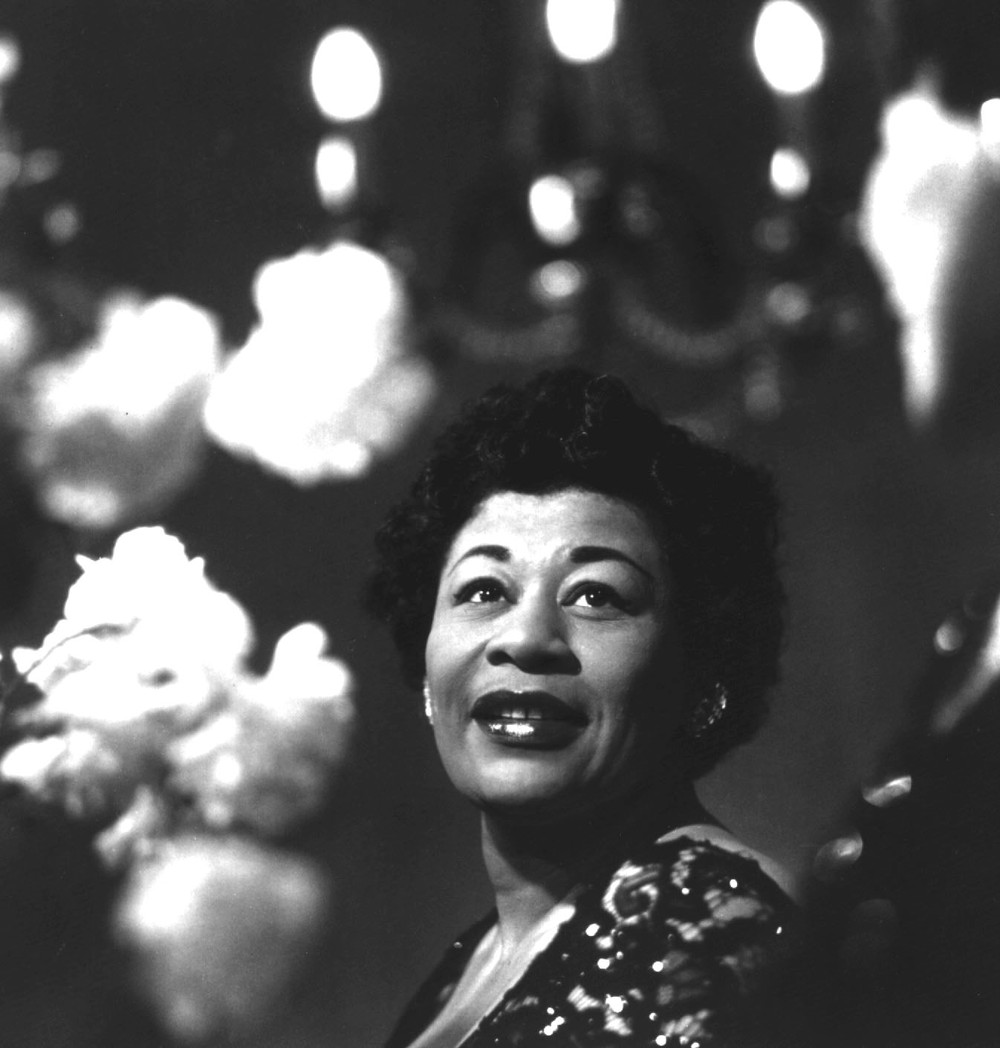
Ella Fitzgerald
Vocal Jazz
Swing
Standards
3
/5
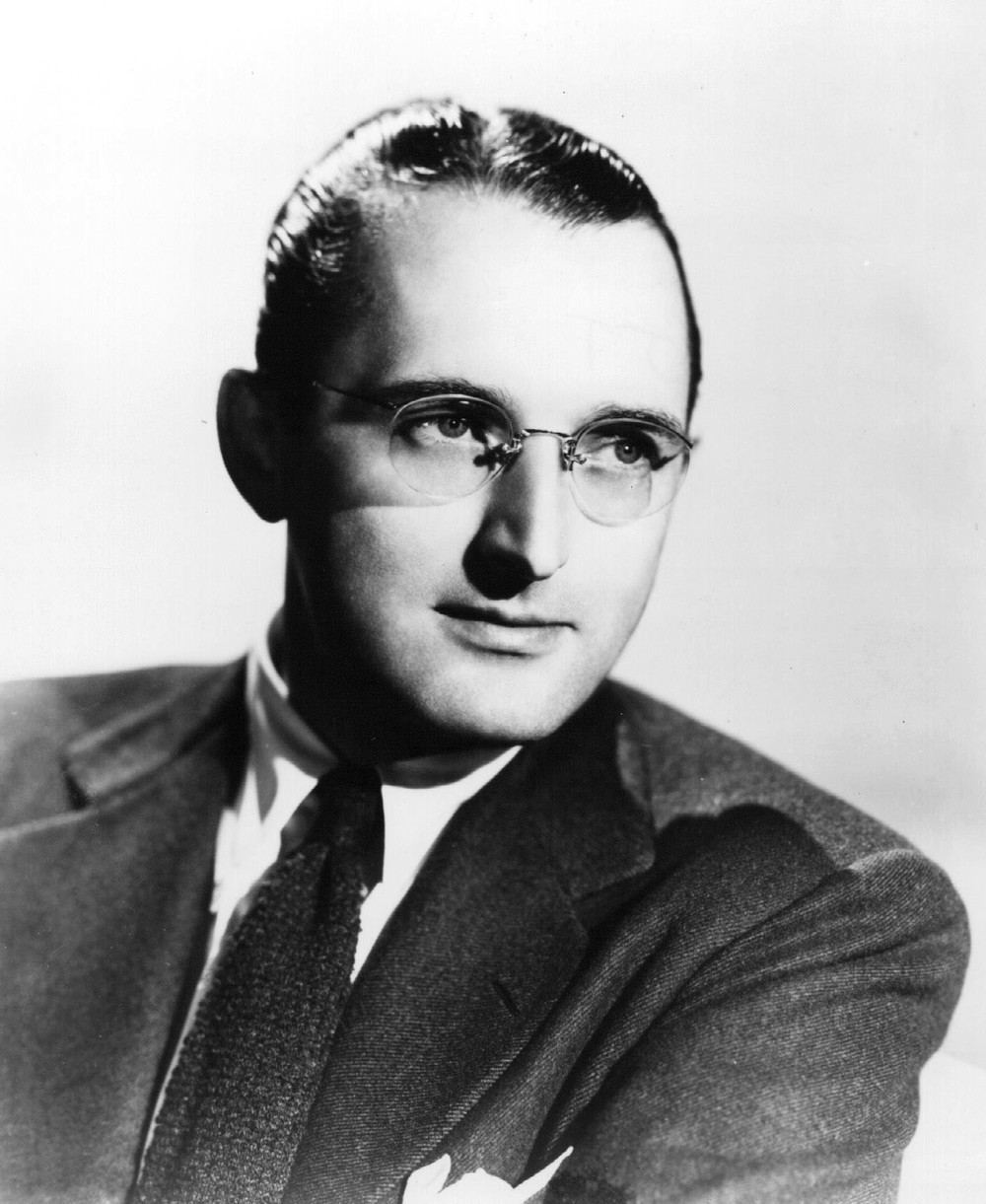
Tommy Dorsey
Tin Pan Alley
Dixieland
Adult Standards
Download our mobile app
Get the Melodigging app and start digging for new genres on the go
Download on the App Store
Get it on Google Play
© 2026 Melodigging
Give feedback
Legal
Melodding was created as a tribute to
Every Noise at Once
, which inspired us to help curious minds keep digging into music's ever-evolving genres.