Genres
Artists
Albums
Make Music
Sign in
Sign in
Artists
Dark Cabaret
Artists
Dark Cabaret
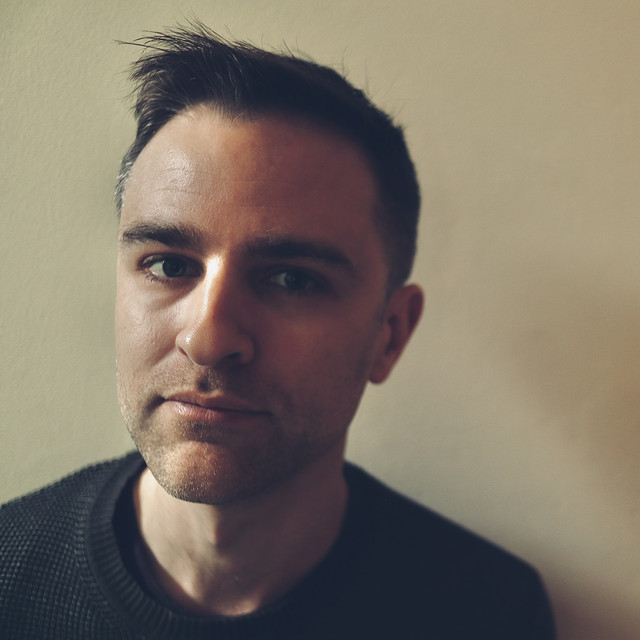
The Blake Robinson Synthetic Orchestra
2016–2017
·
2 albums
Listen
3
/5
Genres
Otacore
Otacore is a fan-driven, internet-native umbrella for music centered on anime, manga, gaming, and broader otaku culture. Rather than a single strict musical style, it describes a cluster of scenes where pop, electronic, rock, and rap intersect with anime aesthetics, story tropes, and character/fandom references. Typical otacore repertoires include Vocaloid productions, anisong-style pop/rock, high-energy EDM with kawaii sound design, nightcore-style edits, game-inspired chiptune flourishes, and cover cultures (English/Japanese) tied to anime and game franchises. Distribution and discovery are powered by platforms such as Nico Nico Douga, YouTube, SoundCloud, streaming playlists, and later TikTok, where memeability, fan videos (AMVs), and vtuber performances help songs spread globally.
Discover
Listen
Escape Room
Escape room is a data-driven label popularized by Spotify to cluster artists who blur lines between alternative R&B, experimental pop, left-field hip hop, and cutting‑edge club/electronic production. Rather than a strict set of musical rules, it signals a sound defined by textural minimalism, sub‑heavy and off‑kilter rhythms, intimate vocal delivery (often breathy or ASMR-adjacent), and a strong emphasis on sound design and negative space. Songs frequently juxtapose glossy melodies with abrasive or deconstructed percussive layers, creating a stylish, future‑leaning mood that resists easy categorization. The name is unrelated to physical puzzle rooms; instead, it marks music that “escapes” legacy genre boxes while remaining pop‑adjacent and internet‑native in aesthetics and distribution.
Discover
Listen
Lo Star
Lo star is a streaming-era umbrella tag used to group under-the-radar, low-profile artists who sit on the fringes of indie, alternative, DIY pop, and related scenes. Rather than denoting a single, tightly defined musical vocabulary, it marks a discovery space of self-produced or small-label projects with modest audiences, genre-fluid aesthetics, and a distinctly DIY approach to recording and release. Expect intimate vocals, inexpensive or home-studio production, hybrid acoustic/electronic textures, and songwriting that favors personal storytelling and immediacy over polish. Because it functions as a curatorial category for emerging or niche acts, the sonic palette spans indie rock and folk-pop to bedroom pop and lo-fi electronic, unified by scale, ethos, and distribution more than by strict musical rules.
Discover
Listen
Dark Cabaret
Dark cabaret is a theatrical, macabre-tinged revival of early 20th‑century cabaret filtered through post‑punk and goth sensibilities. It embraces piano‑led or accordion‑driven songwriting, minor‑key harmonies, and stylized storytelling that draws on Weimar‑era satire, black humor, and noir imagery. Performances are as central as the songs: vocal delivery tends to be expressive and characterful, arrangements are chamber‑like (strings, woodwinds, percussion), and shows often incorporate burlesque, sideshow, and vaudeville aesthetics. Lyrically, dark cabaret juxtaposes romance and ruin, tragedy and farce, exploring themes like decadence, crime, obsession, and the grotesque with a wink and a knife‑edge.
Discover
Listen
Video Game Music
Video game music (VGM) is the soundtrack or background music composed specifically to accompany and enhance interactive gameplay. In its earliest decades, VGM was bound by severe hardware constraints: simple programmable sound generators (PSG) and later FM-synthesis chips limited composers to a handful of monophonic channels, basic waveforms, and tiny memory footprints. Those constraints forged a distinctive, catchy, loop-based idiom—often called “chip music” or “8‑bit”—that became the emblematic sound of early games. As technology advanced, VGM expanded into rich orchestral, rock, electronic, and hybrid palettes and adopted adaptive/interactive scoring techniques so the music could change with the player’s actions. Today it spans everything from intimate, textural ambience to full symphonic epics, while still celebrating its retro chip heritage.
Discover
Listen
Orchestral
Orchestral music refers to compositions written for an orchestra—a large ensemble typically built around a string section (violins, violas, cellos, double basses), complemented by woodwinds, brass, percussion, and often harp, keyboard, or other auxiliary instruments. A conductor coordinates the ensemble, shaping balance, phrasing, and expression. The style emphasizes coloristic timbre combinations, dynamic range from the softest pianissimo to explosive tuttis, and textures that can shift seamlessly between transparent chamber-like writing and monumental masses of sound. Orchestral writing underpins concert genres such as symphonies, overtures, and tone poems, as well as opera, ballet, and modern film and game scores. While orchestral writing evolved across centuries, its core craft centers on melody, counterpoint, harmony, register, and orchestration—the art of assigning musical ideas to instruments to achieve clarity, contrast, and narrative impact.
Discover
Listen
Albums
2017
4
/5
An Unhealthy Obsession
The Blake Robinson Synthetic Orchestra
Dark Cabaret
2016
3
/5
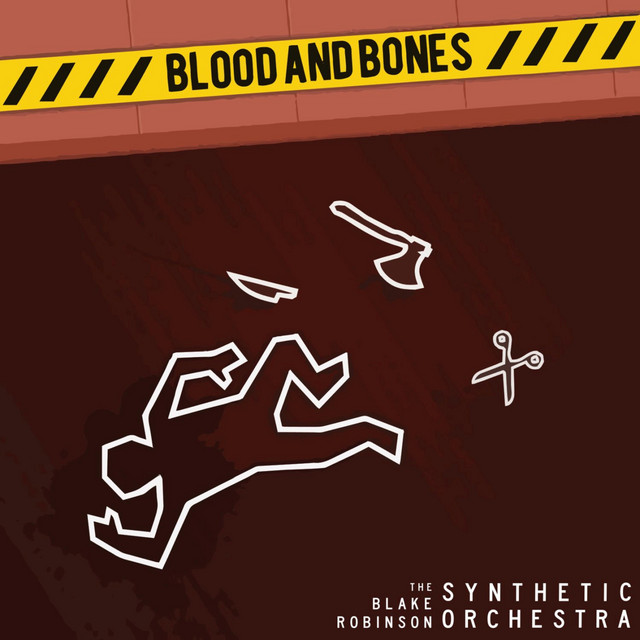
Blood and Bones
The Blake Robinson Synthetic Orchestra
Dark Cabaret
Orchestral
Similar artists
1
/5
Various Artists
Afro-Funk
Alternative Rock
Ambient
5
/5
Hans Zimmer
Country Dawn
Soundtrack
Classical
4
/5
Christopher Larkin
Soundtrack
Indie Game Soundtrack
Classical
4
/5
Jeremy Soule
Medieval
Soundtrack
Game Mood
3
/5
Christopher Tin
Choral
Soundtrack
Classical
4
/5
Will Wood
Dark Cabaret
Weirdcore
Experimental
4
/5
That Handsome Devil
Dark Cabaret
Otacore
Necrotrap
4
/5
Tom Waits
Dark Cabaret
Singer-Songwriter
Blues
3
/5
The Dresden Dolls
Steampunk
Dark Cabaret
Cabaret
3
/5
Will Wood and the Tapeworms
Dark Cabaret
New Jersey Indie
Digital Horror
Download our mobile app
Get the Melodigging app and start digging for new genres on the go
Download on the App Store
Get it on Google Play
© 2026 Melodigging
Give feedback
Legal
Melodding was created as a tribute to
Every Noise at Once
, which inspired us to help curious minds keep digging into music's ever-evolving genres.