Genres
Artists
Albums
Make Music
Sign in
Sign in
Artists
American Melodeath
Artists
American Melodeath
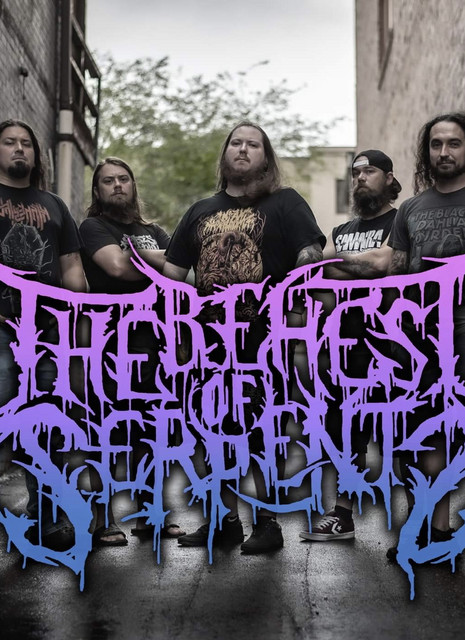
The Behest of Serpents
Listen
1
/5
Genres
Deathcore
Deathcore is an extreme metal subgenre that fuses the riff language and vocal extremity of death metal with the breakdown‑centric impact of metalcore and its hardcore roots. Typical hallmarks include brutally palm‑muted and tremolo‑picked guitar riffs on low tunings, blast‑beat focused drumming with double‑kick barrages, and guttural growls, tunnel throats, and high shrieks. Songs commonly pivot into half‑time, groove‑heavy breakdowns designed for maximum physical impact. As a distinct movement, deathcore coalesced in the early 2000s and reached wider prominence in the mid‑2000s via internet platforms and relentless touring, even though earlier 1990s bands had already flirted with fusing death metal and hardcore elements.
Discover
Listen
American Melodeath
American melodeath (American melodic death metal) is the United States’ take on the Scandinavian-born melodic death metal sound. It blends the twin‑guitar harmonies, minor‑key melodies, and tremolo-picked leads of the Gothenburg school with the speed, tightness, and rhythmic punch typical of American extreme metal. Compared with its European forebears, American melodeath often features brisker tempos, thrash‑sharpened riffing, and more technical passages. Vocals range from mid to high harsh growls and screams, drums lean on double‑kick barrages, blasts, and precision thrash or d‑beats, and production values are modern and polished. Lyrical themes frequently balance melancholic or existential subjects with horror, myth, and at times sci‑fi or philosophical imagery.
Discover
Listen
Melodic Death Metal
Melodic death metal (often shortened to melodeath) blends the speed, aggression, and harsh vocals of death metal with the harmonized guitar leads, memorable melodies, and songcraft of traditional heavy metal and thrash. It is characterized by twin‑guitar harmonies, fast tremolo riffs, punchy palm‑muted rhythms, and growled or screamed vocals, often contrasted with catchy, clearly articulated lead lines. Compared to traditional death metal, the genre favors stronger tonal centers, consonant interval harmonies (thirds and sixths), and more accessible structures, while retaining double‑kick intensity and occasional blast beats. Production tends to be tighter and clearer than early death metal, and many bands incorporate keyboards for texture. The style is strongly associated with the early–mid 1990s Gothenburg scene in Sweden, though parallel strains also emerged in the UK and Finland.
Discover
Listen
Blackened Death Metal
Blackened death metal fuses the ferocity, low‑tuned heft, and technical riffing of death metal with the icy tremolo lines, blast‑driven urgency, and occult atmosphere of black metal. The result is a dense, aggressive sound marked by relentless speed, layered guitars, and a stark, often ritualistic mood. Vocals typically alternate between cavernous death growls and rasping black‑metal shrieks. Drums emphasize blast beats, double‑kick barrages, and sudden tempo pivots, while guitars move between chromatic death‑metal riffing and long, minor‑key tremolo phrases. Lyrical themes commonly draw on Satanism, occultism, anti‑cosmic or apocalyptic narratives, and blasphemous or esoteric imagery. Production ranges from raw and abrasive to highly polished and symphonic, depending on the artistic intent.
Discover
Listen
Death Metal
Death metal is an extreme subgenre of heavy metal defined by heavily distorted, low‑tuned guitars, rapid and complex riffing, blast beat drumming, and harsh guttural vocals. Its harmonic language favors chromaticism, dissonance, and tremolo-picked lines that create an ominous, abrasive atmosphere. Lyrically, death metal often explores dark or transgressive themes—mortality, mythology, anti-religion, psychological horror, and the macabre—sometimes with philosophical or social commentary. Production ranges from raw and cavernous to hyper-precise and technical, reflecting the genre’s many regional scenes and substyles. From the mid‑1980s Florida scene (Tampa) and parallel developments in the US, UK, and Sweden, death metal evolved into numerous branches including brutal death metal, technical death metal, melodic death metal, and death‑doom, each emphasizing different aspects of speed, complexity, melody, or heaviness.
Discover
Listen
Similar artists
3
/5
The Black Dahlia Murder
American Melodeath
Melodic Deathcore
Death Metal
2
/5
Inferi
American Melodeath
Technical Melodic Death Metal
Technical Brutal Death Metal
2
/5
Buried Realm
American Melodeath
Melodic Death Metal
Technical Death Metal
1
/5
Light This City
American Melodeath
Melodic Death Metal
Thrash Metal
3
/5
Orbit Culture
Melodic Death Metal
Death Metal
Groove Metal
3
/5
Shadow of Intent
Melodic Deathcore
Symphonic Deathcore
Deathcore
3
/5
Heaven Shall Burn
Melodic Death Metal
Death Metal
Deathcore
3
/5
Fleshgod Apocalypse
Symphonic Death Metal
Technical Death Metal
Blackened Deathcore
2
/5
Fallujah
Melodic Death Metal
Death Metal
Deathcore
2
/5
Beyond Creation
Technical Brutal Death Metal
Technical Death Metal
Progressive Metal
Download our mobile app
Get the Melodigging app and start digging for new genres on the go
Download on the App Store
Get it on Google Play
© 2026 Melodigging
Give feedback
Legal
Melodding was created as a tribute to
Every Noise at Once
, which inspired us to help curious minds keep digging into music's ever-evolving genres.