Genres
Artists
Albums
Make Music
Sign in
Sign in
Artists
Folk
Artists
Folk
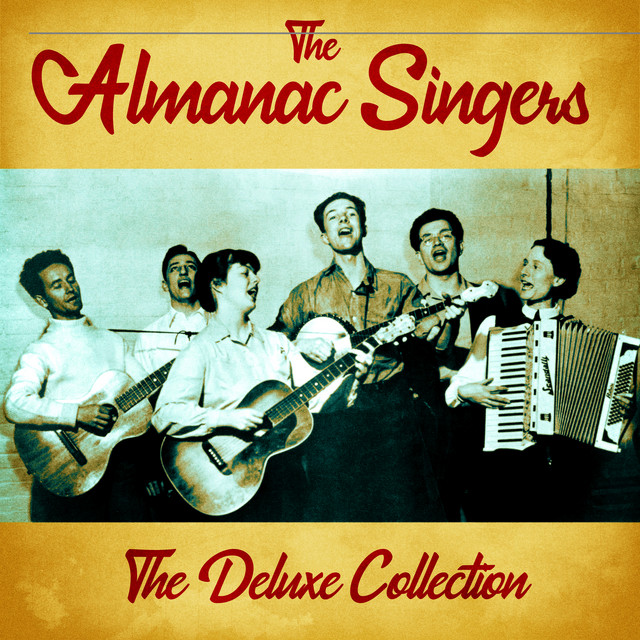
The Almanac Singers
1955–2012
·
2 albums
Listen
2
/5
Genres
Contemporary Folk
Contemporary folk is a modern evolution of traditional folk aesthetics centered on intimate storytelling, clear melodies, and largely acoustic instrumentation. It favors voice-forward production, fingerpicked or gently strummed guitars, and arrangements that leave space for lyrics to resonate. While rooted in older folk ballad traditions, contemporary folk embraces current themes, production values, and song forms. Artists often blend guitar, banjo, mandolin, fiddle, upright or electric bass, light percussion, and close vocal harmonies, creating a warm, organic sound. The genre frequently addresses personal reflection, social issues, place, memory, and identity, balancing timeless simplicity with contemporary sensibilities.
Discover
Listen
Folk
Folk is a song-centered acoustic tradition rooted in community storytelling, everyday life, and social history. It emphasizes clear melodies, simple harmonies, and lyrics that foreground narrative, protest, and personal testimony. As a modern recorded genre, folk coalesced in the early-to-mid 20th century in the United States out of older ballad, work song, and rural dance traditions. It typically features acoustic instruments (guitar, banjo, fiddle, mandolin, harmonica), strophic song forms, and participatory singing (choruses, call-and-response).
Discover
Listen
Traditional Folk
Traditional folk is a broad umbrella for orally transmitted songs and dance tunes that circulated in rural and working-class communities before the age of mass recording. Repertoires include narrative ballads, laments, love songs, work songs, lullabies, and instrumental dance sets such as reels, jigs, hornpipes, and marches. Stylistically, traditional folk favors strophic forms, pentatonic or modal melodies (often Dorian and Mixolydian), limited harmonic movement, and strong, memorable tunes designed for communal singing and dancing. Performances range from unaccompanied solo voice to small ensembles built around fiddle, flute/whistle, pipes, concertina/accordion, guitar, banjo, and frame drum. Ornamentation, variation by verse, and flexible tempo are integral, reflecting an oral tradition where songs live through continual reinterpretation. Although it is pan‑regional, the modern idea of “traditional folk” coalesced in the 19th century through collectors and revivalists who documented vernacular music and framed it as cultural heritage.
Discover
Listen
American Folk Music
American folk music is a broad family of traditional and vernacular musics that developed in the United States from the 19th century onward, drawing on British Isles balladry, African American spirituals and work songs, Native American traditions, and frontier songs. It is typically acoustic, emphasizing voice and narrative over virtuoso display. Common instruments include acoustic guitar, banjo, fiddle, harmonica, mandolin, dulcimer, and upright bass. Forms are often strophic with repeated refrains, and melodies frequently use pentatonic or modal scales (Mixolydian, Dorian). Lyrical themes range from love, labor, faith, migration, and rural life to topical protest and social justice. Regional styles—such as Appalachian ballads and string-band music, cowboy songs of the West, maritime shanties of New England, Cajun and Creole influences in Louisiana, and Midwestern and Southwestern dance tunes—sit under the umbrella of American folk, which later fed revivals and singer‑songwriter traditions.
Discover
Listen
Sea Shanty
Sea shanty is a maritime work song that developed aboard sailing ships to coordinate group labor. It uses a strong, steady pulse and a call-and-response structure in which a lead singer (the shantyman) calls the verse and the crew responds in chorus to time their pulls, pushes, or turns together. Historically unaccompanied and sung in unison, shanties are tailored to specific tasks: short-drag (brief, forceful pulls), halyard/long-drag (heavier, fewer pulls per line), capstan/windlass (continuous, walking rhythm), and pumping shanties (repetitive, machine-like pulse). Lyrics mix practical timing cues with humor, bravado, longing, and port lore, and often use nonsense vocables (“way, hey,” “haul away”) to accent the work strokes. While closely related to broader “sea songs” and forebitters (off-duty songs), shanties are distinct in purpose: they are functional music designed to synchronize labor. The style flourished in the 19th century among English-speaking merchant navies, absorbing influences from British and Irish folk traditions and African-American and Afro-Caribbean work-song practices.
Discover
Listen
Work Song
Work song is a functional vocal music tradition created to coordinate physical labor, set a steady pace, and build solidarity among workers. It typically features call-and-response structures, short improvised verses, and a strong, repetitive pulse aligned to the motions of the task (hammering, rowing, hauling, chopping). While versions exist in many cultures, the most documented stream is the African American work song in the United States—heard in fields, on railroads and levees, in lumber camps, and on prison farms. Closely related practices include maritime shanties, fishing chanteys, and industrial worksongs, all of which use rhythm and group participation to ease strenuous or monotonous work. Musically, work songs are commonly unaccompanied (a cappella) or use body percussion and tools as instruments. Lyrics often reference the job at hand, hardship and hope, local news, humor, or moral commentary, with leaders improvising lines answered by a chorus.
Discover
Listen
Industrial Folk Song
Industrial folk song (also called industrial folk music, industrial work song, or industrial working song) is a branch of folk and traditional music that focuses on the lives, risks, and solidarities of industrial laborers. It typically adapts older folk forms—especially narrative ballads and agricultural work songs—into songs about factories, mines, mills, railways, shipyards, and other industrial workplaces. Lyrically, it often documents working conditions, class struggle, accidents and disasters, migration for work, unionization, and protest, while musically it tends to remain direct and singable so groups can perform it together in social or organizing settings.
Discover
Listen
Show all 7 genres
Albums
2012
1
/5
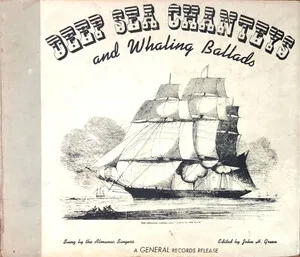
Deep Sea Chanteys and Whaling Ballads
The Almanac Singers
Sea Shanty
Work Song
1955
2
/5
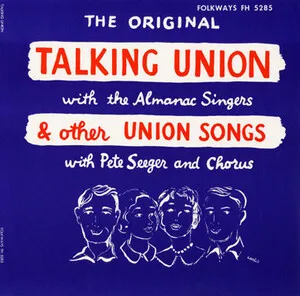
The Original Talking Union & Other Union Songs
The Almanac Singers
Industrial Folk Song
American Folk Music
Contemporary Folk
Similar artists
2
/5
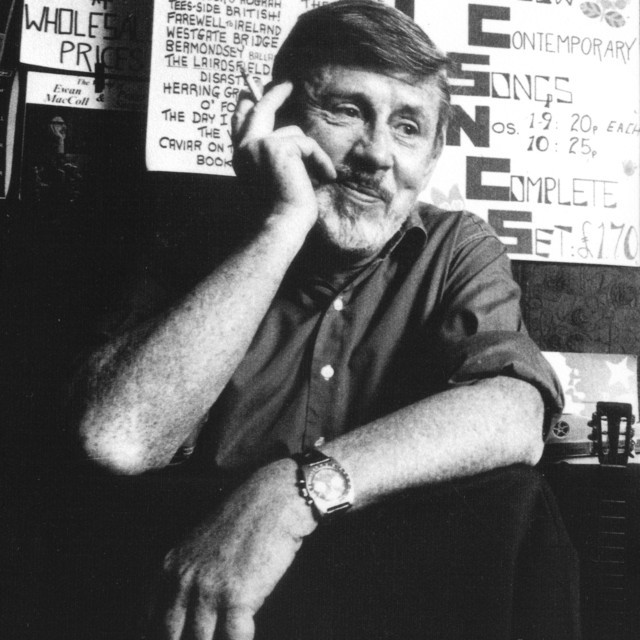
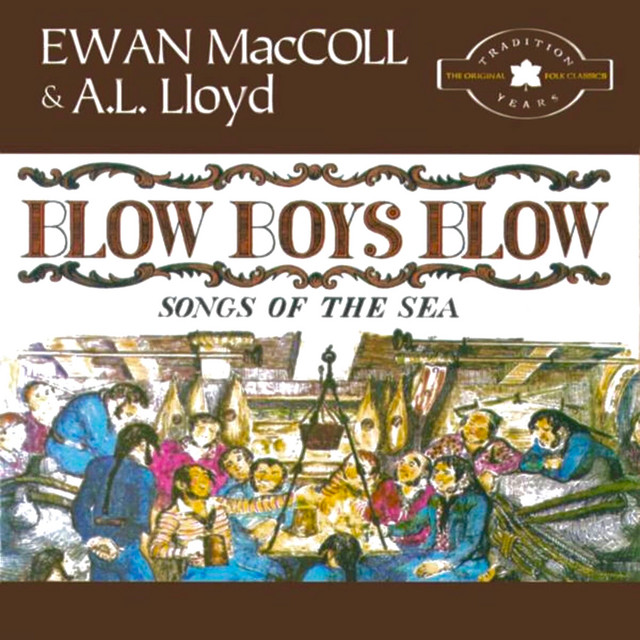
Ewan MacColl
Folk
Sea Shanty
Industrial Folk Song
2
/5
June Tabor
Folk
Celtic
Celtic Folk Music
2
/5
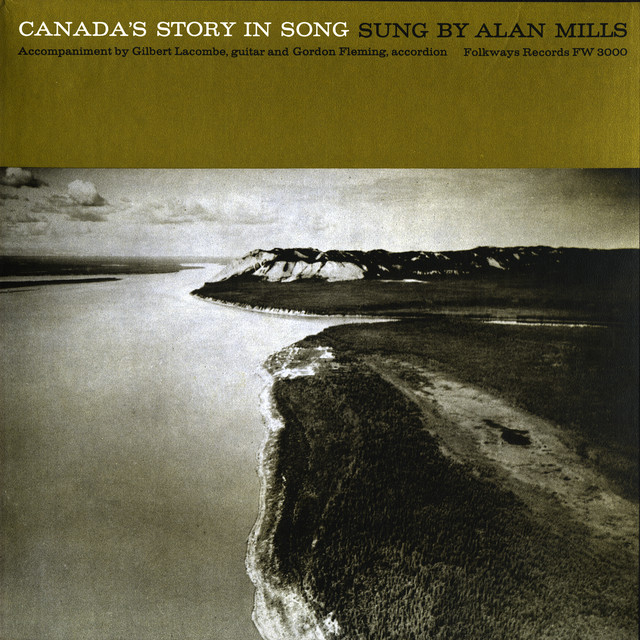
Alan Mills
Sea Shanty
Folk
Canadian Folk Music
1
/5
A. L. Lloyd
Sea Shanty
Folk
Australian Folk Music
1
/5
Various Artists
Afro-Funk
Alternative Rock
Ambient
2
/5
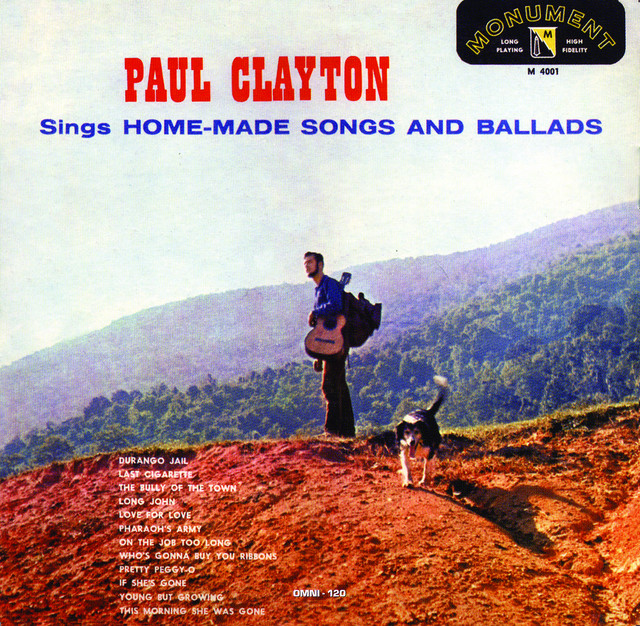
Paul Clayton
Sea Shanty
Folk
Traditional Folk
2
/5
Gordon Bok
Sea Shanty
Folk
Traditional Folk
3
/5
Joan Baez
Folk
Folk Rock
Greenwich Village Scene
3
/5
Doc Watson
Appalachian Folk
Bluegrass
Folk
3
/5
Stan Rogers
Folk
Canadian Folk Music
Canadian Maritime Folk
Download our mobile app
Get the Melodigging app and start digging for new genres on the go
Download on the App Store
Get it on Google Play
© 2026 Melodigging
Give feedback
Legal
Melodding was created as a tribute to
Every Noise at Once
, which inspired us to help curious minds keep digging into music's ever-evolving genres.