Genres
Artists
Albums
Make Music
Sign in
Sign in
Artists
Free Jazz
Artists
Free Jazz
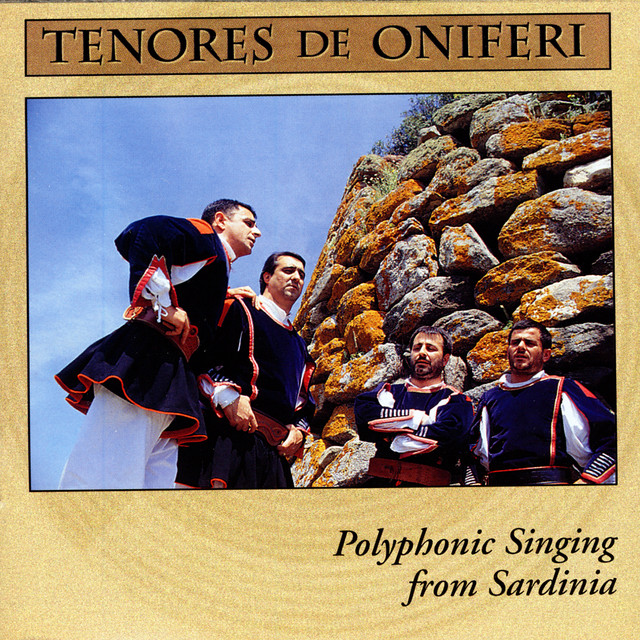
Tenores De Oniferi
2007
·
1 album
Listen
1
/5
Genres
Free Jazz
Free jazz is a radical branch of jazz that rejects fixed chord progressions, strict meter, and conventional song forms in favor of collective improvisation, textural exploration, and spontaneous interaction. Musicians prioritize timbre, dynamics, and gesture as much as pitch and harmony, often using extended techniques (multiphonics, overblowing, prepared piano) and unconventional sounds. While rooted in the blues and earlier jazz vocabularies, free jazz frees improvisers from pre-set harmonic cycles, allowing lines to unfold over tonal centers, shifting modes, drones, or complete atonality. Rhythm sections may float without a steady pulse, or drive with layered polyrhythms and “energy playing.” The result ranges from contemplative soundscapes to cathartic, high-intensity eruptions. Culturally, the genre intersected with the civil rights era and broader avant-garde movements, emphasizing autonomy, community, and new possibilities for musical expression.
Discover
Listen
Traditional Folk
Traditional folk is a broad umbrella for orally transmitted songs and dance tunes that circulated in rural and working-class communities before the age of mass recording. Repertoires include narrative ballads, laments, love songs, work songs, lullabies, and instrumental dance sets such as reels, jigs, hornpipes, and marches. Stylistically, traditional folk favors strophic forms, pentatonic or modal melodies (often Dorian and Mixolydian), limited harmonic movement, and strong, memorable tunes designed for communal singing and dancing. Performances range from unaccompanied solo voice to small ensembles built around fiddle, flute/whistle, pipes, concertina/accordion, guitar, banjo, and frame drum. Ornamentation, variation by verse, and flexible tempo are integral, reflecting an oral tradition where songs live through continual reinterpretation. Although it is pan‑regional, the modern idea of “traditional folk” coalesced in the 19th century through collectors and revivalists who documented vernacular music and framed it as cultural heritage.
Discover
Listen
Sardinian Folk Music
Sardinian folk music is the traditional music of Sardinia (Italy), characterized by striking vocal polyphony, ancient reed-pipe instruments, and a living dance repertory. Its best-known vocal form is cantu a tenore, a four-part, overtone-rich male polyphony featuring the parts bassu, contra, mesu 'oche, and 'oche (solo), now recognized by UNESCO as Intangible Cultural Heritage. Equally prominent are devotional and paraliturgical songs (gosos/cuncordu), improvised poetic forms (mutetu), lament songs (attitu), and the guitar-accompanied cantu a chitarra/chiterra. Instrumentally, Sardinia is famed for the launeddas, an ancient triple-pipe cane instrument played with circular breathing, as well as the organetto (diatonic accordion) that drives social dances like ballu tundu, passu torrau, and su dillu. Melodies favor modal inflections (often Dorian, Aeolian, and Mixolydian), sustained drones, and heterophonic textures, while lyrics are predominantly in Sardinian varieties (Logudorese, Campidanese), Gallurese, Algherese Catalan, and Italian.
Discover
Listen
Cantu A Tenore
Cantu a tenore is a four-part, male a cappella polyphony from the Barbagia region of central Sardinia (Italy). It is performed by small ensembles using distinct timbres that include an overtone-rich, guttural bass and a nasal lead voice. The four voices are typically called: oche or boghe (the solo lead that carries the text), mesu 'oche/mesa boghe (a middle part that thickens the texture), contra (a pressed, buzzing part that locks into the harmony), and bassu (a very low, growling part). Together they form hollow, open sonorities centered on perfect fourths and fifths with flexible, modal tunings. Texts often reflect pastoral life, love, dance, and community rituals, and performances occur in intimate circles at bars, festivals, and village gatherings. Recognized by UNESCO as intangible cultural heritage, cantu a tenore is both a living community practice and a striking example of Mediterranean multipart singing with unique timbral techniques.
Discover
Listen
Albums
2007
1
/5
Polyphonic Singing from Sardinia
Tenore San Gavino de Oniferi
Cantu A Tenore
Sardinian Folk Music
Similar artists
1
/5
Various Artists
Afro-Funk
Alternative Rock
Ambient
2
/5
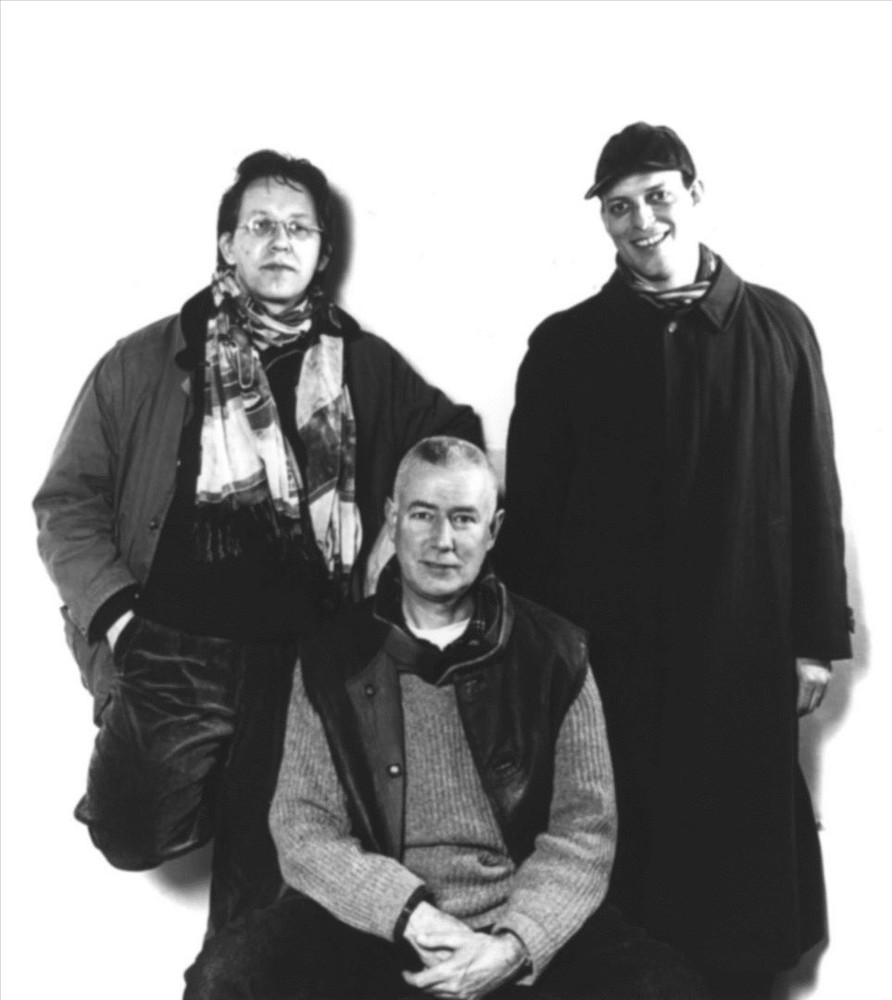
Ernst Reijseger
Avant-Garde
Free Jazz
Cantu A Tenore
4
/5
Traditional
Gregorian Chant
Spanish Classical Music
Medieval Classical Music
2
/5
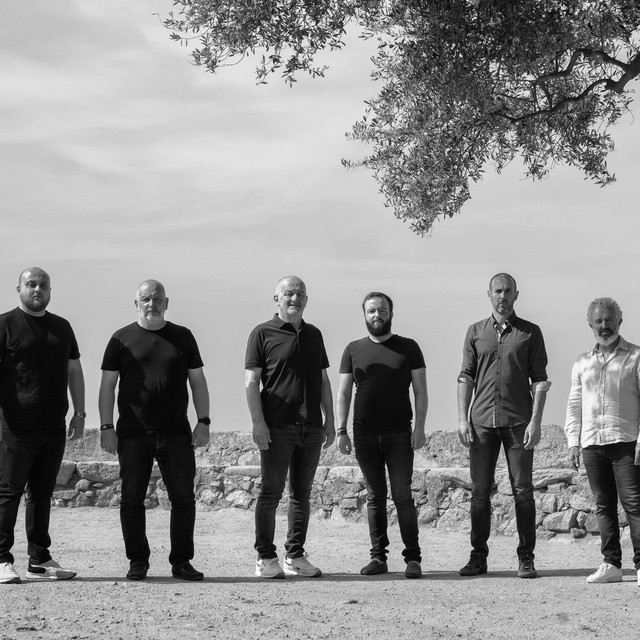
A Filetta
Corsican Folk Music
Cantu A Tenore
Paghjella
1
/5
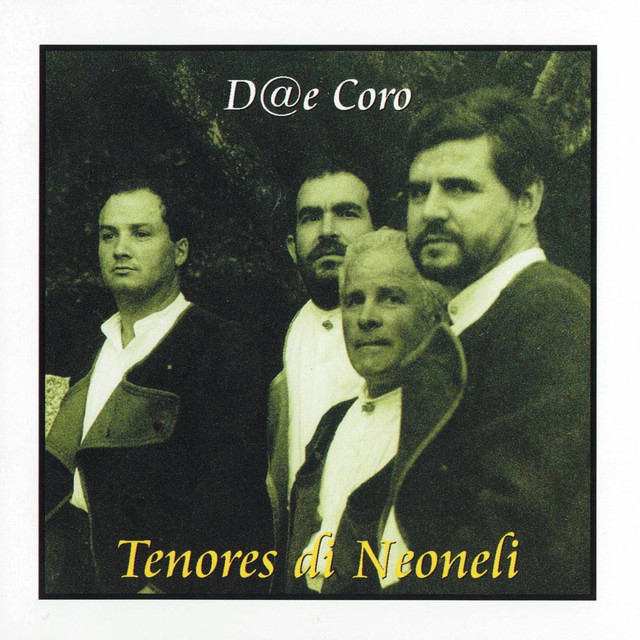
Tenores Di Neoneli
Cantu A Tenore
Italian Singer-Songwriter
Sardinian Folk Music
1
/5
Tenores Di Bitti
Cantu A Tenore
Italian Folk Music
Sardinian Folk Music
1
/5
Cuncordu e Tenore de Orosei
Cantu A Tenore
Sardinian Folk Music
1
/5
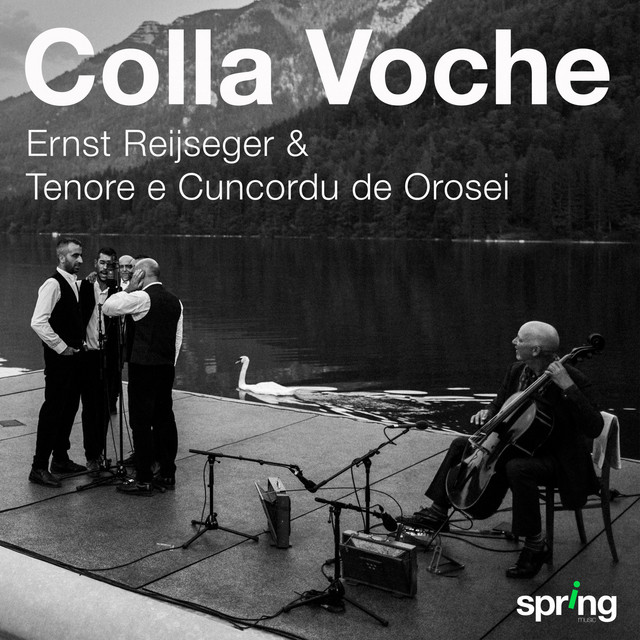
Tenore e Cuncordu de Orosei
Requiem
Cantu A Tenore
Italian Folk Music
1
/5
Tenore De Orosei
Cantu A Tenore
Drone
Sardinian Folk Music
1
/5
Cuncordu De Orosei
Cantu A Tenore
Drone
Sardinian Folk Music
Download our mobile app
Get the Melodigging app and start digging for new genres on the go
Download on the App Store
Get it on Google Play
© 2026 Melodigging
Give feedback
Legal
Melodding was created as a tribute to
Every Noise at Once
, which inspired us to help curious minds keep digging into music's ever-evolving genres.