Genres
Artists
Albums
Make Music
Sign in
Sign in
Artists
Corsican Folk Music
Artists
Corsican Folk Music
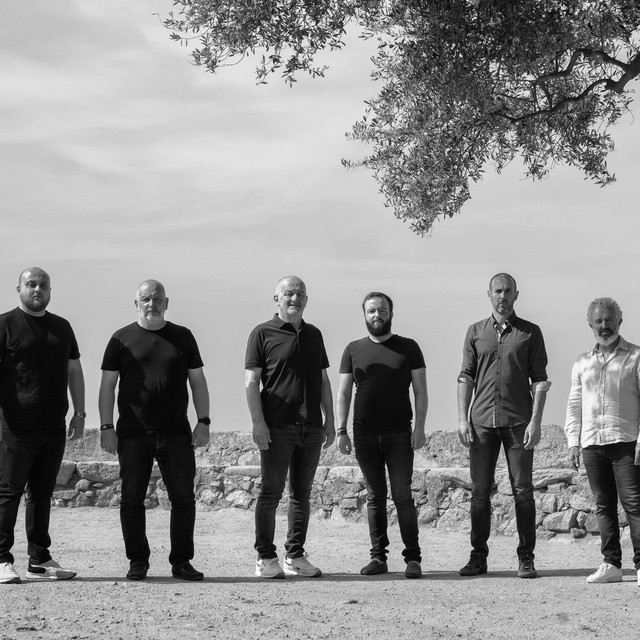
A Filetta
1992
·
7 albums
Listen
2
/5
Genres
Sardinian Folk Music
Sardinian folk music is the traditional music of Sardinia (Italy), characterized by striking vocal polyphony, ancient reed-pipe instruments, and a living dance repertory. Its best-known vocal form is cantu a tenore, a four-part, overtone-rich male polyphony featuring the parts bassu, contra, mesu 'oche, and 'oche (solo), now recognized by UNESCO as Intangible Cultural Heritage. Equally prominent are devotional and paraliturgical songs (gosos/cuncordu), improvised poetic forms (mutetu), lament songs (attitu), and the guitar-accompanied cantu a chitarra/chiterra. Instrumentally, Sardinia is famed for the launeddas, an ancient triple-pipe cane instrument played with circular breathing, as well as the organetto (diatonic accordion) that drives social dances like ballu tundu, passu torrau, and su dillu. Melodies favor modal inflections (often Dorian, Aeolian, and Mixolydian), sustained drones, and heterophonic textures, while lyrics are predominantly in Sardinian varieties (Logudorese, Campidanese), Gallurese, Algherese Catalan, and Italian.
Discover
Listen
Corsican Folk Music
Corsican folk music is the traditional music of the island of Corsica, renowned for its striking, three‑part a cappella polyphony known as paghjella. Typically sung by male voices standing very close together, the parts—bassu (low drone), secunda (lead/middle), and terza (high)—weave dense, modal harmonies rich in overtones. The repertoire spans sacred and secular spheres: liturgical chants and hymns, improvised call‑and‑response verse contests (chjami è rispondi), love songs, lullabies, and lamentations (voceru). Timbres are robust and nasal, intonation favors modal scales with flexible tuning, and performance often begins with the secunda “setting” the pitch before bassu and terza enter. While predominantly vocal and unaccompanied, instruments such as the cetera corsa (Corsican cittern), flute, violin, guitar, or accordion may accompany dances and newer arrangements.
Discover
Listen
Cantu A Tenore
Cantu a tenore is a four-part, male a cappella polyphony from the Barbagia region of central Sardinia (Italy). It is performed by small ensembles using distinct timbres that include an overtone-rich, guttural bass and a nasal lead voice. The four voices are typically called: oche or boghe (the solo lead that carries the text), mesu 'oche/mesa boghe (a middle part that thickens the texture), contra (a pressed, buzzing part that locks into the harmony), and bassu (a very low, growling part). Together they form hollow, open sonorities centered on perfect fourths and fifths with flexible, modal tunings. Texts often reflect pastoral life, love, dance, and community rituals, and performances occur in intimate circles at bars, festivals, and village gatherings. Recognized by UNESCO as intangible cultural heritage, cantu a tenore is both a living community practice and a striking example of Mediterranean multipart singing with unique timbral techniques.
Discover
Listen
Paghjella
Paghjella is a traditional Corsican a cappella polyphonic singing style characterized by three interlocking vocal parts—secondu (the central, leading voice), bassu (a low, droning foundation), and terzu (a soaring, ornamented upper line). The voices weave dense, beating harmonies rich in natural intervals and slight microtonal inflections, producing a striking, resonant sonority. Historically performed by male singers in both sacred and secular contexts, paghjella can be heard in churches (during confraternal and liturgical occasions) as well as informal gatherings. Its melodies and texts, sung in the Corsican language, often convey devotion, memory, and communal identity. In 2009, “Cantu in paghjella” was inscribed by UNESCO on the List of Intangible Cultural Heritage in Need of Urgent Safeguarding, underscoring its cultural significance and the ongoing efforts to preserve it.
Discover
Listen
Albums
1992
1
/5
Ab Eternu
A Filetta
Paghjella
Corsican Folk Music
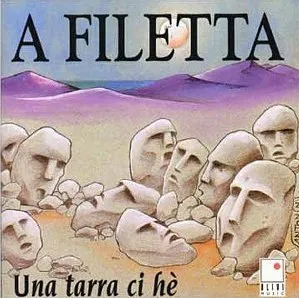
Una tarra ci hè
A Filetta
Corsican Folk Music
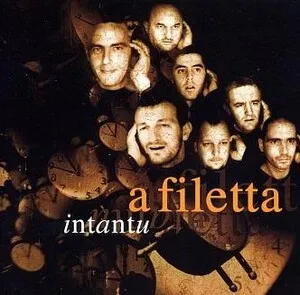
Intantu
A Filetta
Corsican Folk Music
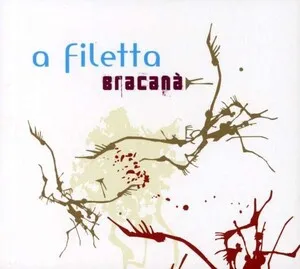
Bracanà
A Filetta
Corsican Folk Music
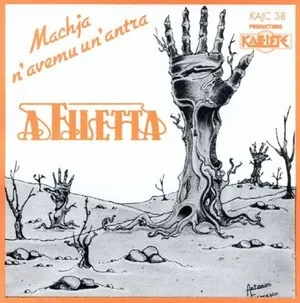
Machja n'avemu un'antra
A Filetta
Corsican Folk Music
Castelli
A Filetta
Sardinian Folk Music
Castelli
A Filetta
Cantu A Tenore
Similar artists
1
/5
Various Artists
Afro-Funk
Alternative Rock
Ambient
1
/5
Les Nouvelles Polyphonies Corses
Corsican Folk Music
Paghjella
4
/5
Traditional
Gregorian Chant
Spanish Classical Music
Medieval Classical Music
2
/5
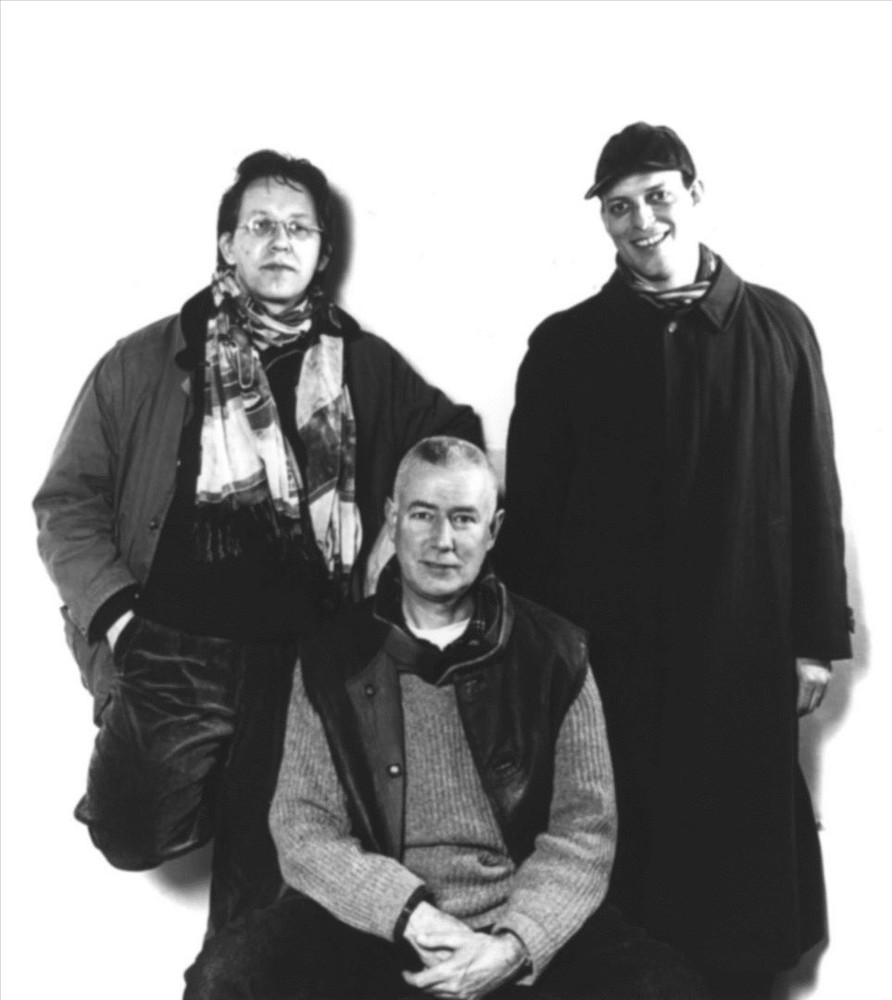
Ernst Reijseger
Avant-Garde
Free Jazz
Cantu A Tenore
2
/5
Voce Di Corsica
Corsican Folk Music
Paghjella
1
/5
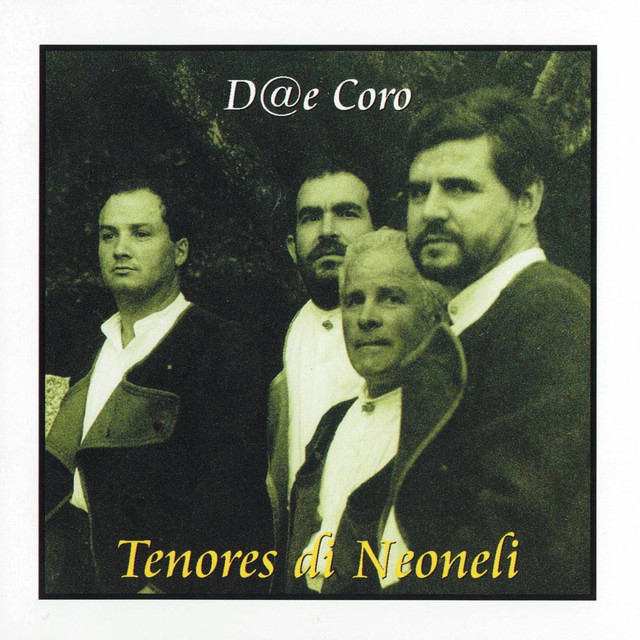
Tenores Di Neoneli
Cantu A Tenore
Italian Singer-Songwriter
Sardinian Folk Music
1
/5
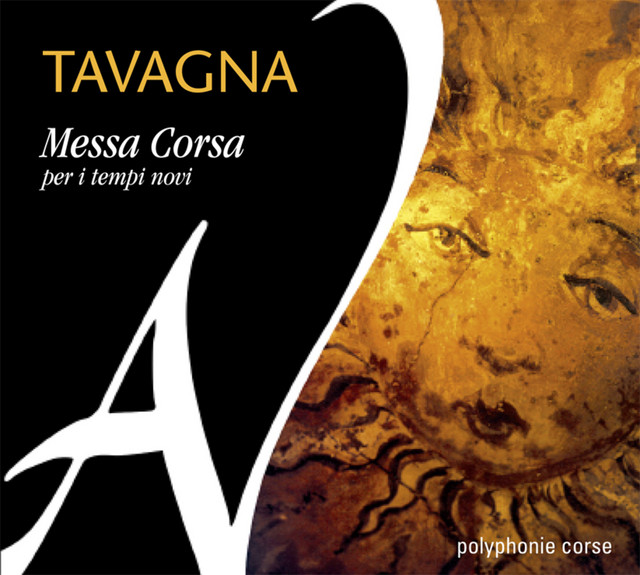
Tavagna
Gregorian Chant
Corsican Folk Music
Paghjella
1
/5
Tenores Di Bitti
Cantu A Tenore
Italian Folk Music
Sardinian Folk Music
1
/5
Madricale
Corsican Folk Music
Paghjella
1
/5
Cuncordu e Tenore de Orosei
Cantu A Tenore
Sardinian Folk Music
Download our mobile app
Get the Melodigging app and start digging for new genres on the go
Download on the App Store
Get it on Google Play
© 2026 Melodigging
Give feedback
Legal
Melodding was created as a tribute to
Every Noise at Once
, which inspired us to help curious minds keep digging into music's ever-evolving genres.