Genres
Artists
Albums
Make Music
Sign in
Sign in
Artists
Leningrad Rock Club Scene
Artists
Leningrad Rock Club Scene
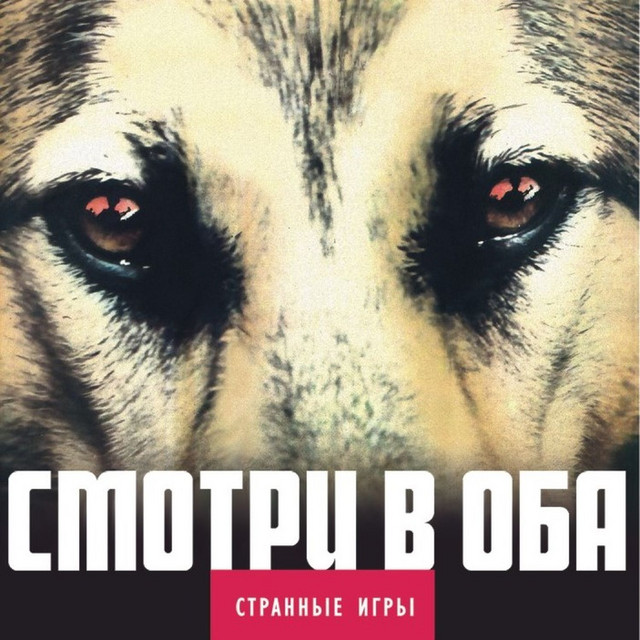
Strannye Igry
2015
·
1 album
Listen
Genres
Leningrad Rock Club Scene
The Leningrad Rock Club scene refers to the network of bands, artists, producers, and audiences centered around the Leningrad Rock Club (founded in 1981 in Leningrad, USSR). Operating under state oversight yet pushing cultural boundaries, it became the most prominent focal point for Soviet rock during the 1980s. Musically, the scene blended post-punk, new wave, art rock, folk-rock, progressive and hard rock, with occasional reggae and psychedelia. Because of censorship, equipment scarcity, and volume restrictions, performances often emphasized clear songcraft, literate Russian-language lyrics, and tight, economical arrangements over virtuoso showmanship or extreme sonics. Allegory and metaphor were used to navigate censorship, producing a poetic, introspective tone that still felt rebellious and fresh. The club incubated acts that went on to national and international recognition, and it played a crucial role in the broader legalization, professionalization, and popularization of rock music across the Soviet Union during perestroika and glasnost.
Discover
Listen
New Wave
New wave is a broad, pop-oriented umbrella for styles that emerged in the mid-to-late 1970s as a sleeker, more melodic outgrowth of punk culture. Initially, the term varied by region: in the United States it was first used by critics and labels (famously Sire Records’ “Don’t Call It Punk” campaign in 1977) to rebrand punk-associated artists with more radio-friendly aesthetics; in the United Kingdom it encompassed a wider constellation of fresh, stylish post-punk-era sounds. Over time, “new wave” became a catch‑all for hooky guitar pop, synth-driven songs, danceable rhythms, and modernist production sensibilities. Sonically, it blends tight, upbeat rhythms (often disco- and reggae-informed), clean chorus/flanger guitars, prominent synthesizers, and concise, hook-led songwriting. Its visual identity—sharp suits, futurist imagery, and fashion-forward presentation—was integral, aligning with the rise of music television and emphasizing art-school wit, irony, and modern urban themes.
Discover
Listen
Punk Rock
Punk rock is a fast, raw, and stripped‑down form of rock music that foregrounds energy, attitude, and the DIY ethic over technical polish. Songs are short (often 90–180 seconds), in 4/4, and driven by down‑stroked power‑chord guitars, eighth‑note bass, and relentless backbeat drumming. Vocals are shouted or sneered rather than crooned, and lyrics are direct, often political, anti‑establishment, or wryly humorous. Production is intentionally unvarnished, prioritizing immediacy and live feel over studio perfection. Beyond sound, punk rock is a culture and practice: independent labels, fanzines, all‑ages venues, self‑organized tours, and a participatory scene that values inclusivity, affordability, and self‑reliance.
Discover
Listen
Rock
Rock is a broad family of popular music centered on amplified instruments, a strong backbeat, and song forms that foreground riffs, choruses, and anthemic hooks. Emerging from mid‑20th‑century American styles like rhythm & blues, country, and gospel-inflected rock and roll, rock quickly expanded in scope—absorbing folk, blues, and psychedelic ideas—while shaping global youth culture. Core sonic markers include electric guitar (often overdriven), electric bass, drum kit emphasizing beats 2 and 4, and emotive lead vocals. Rock songs commonly use verse–chorus structures, blues-derived harmony, and memorable melodic motifs, ranging from intimate ballads to high‑energy, stadium‑sized performances.
Discover
Listen
Ska
Ska is a Jamaican popular music style characterized by a brisk 4/4 groove, off‑beat guitar or piano upstrokes (the “skank”), walking bass lines, and punchy horn riffs. Emerging in late‑1950s Kingston dancehalls, ska fused local mento and calypso with American rhythm & blues and jazz, creating a lively sound that celebrated independence‑era optimism and street culture. Across time, ska evolved through distinct waves: the original Jamaican ska of the early 1960s, the racially integrated and politically aware 2 Tone movement in late‑1970s Britain, and the third‑wave explosion in the 1990s that blended ska with punk energy around the world.
Discover
Listen
Albums
2015
1
/5
Смотри в оба
Strannye Igry
Leningrad Rock Club Scene
Similar artists
3
/5
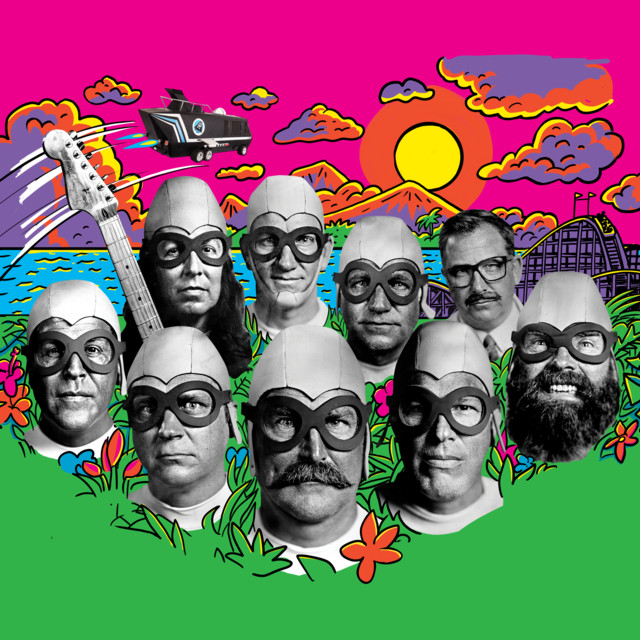
The Aquabats!
Ska Punk
Ska
Geek Rock
1
/5
Various Artists
Soundtrack
Afro-Funk
Alternative Rock
4
/5
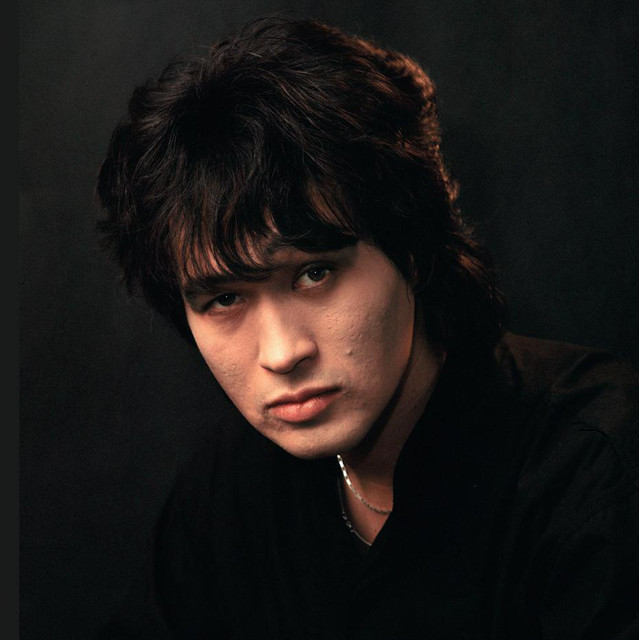
Kino
New Wave
Post-Punk
Leningrad Rock Club Scene
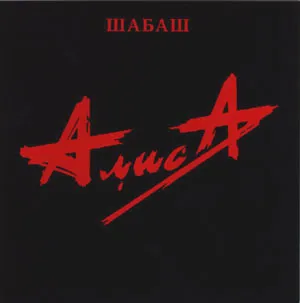
Alisa
Leningrad Rock Club Scene
Hard Rock
New Wave
4
/5
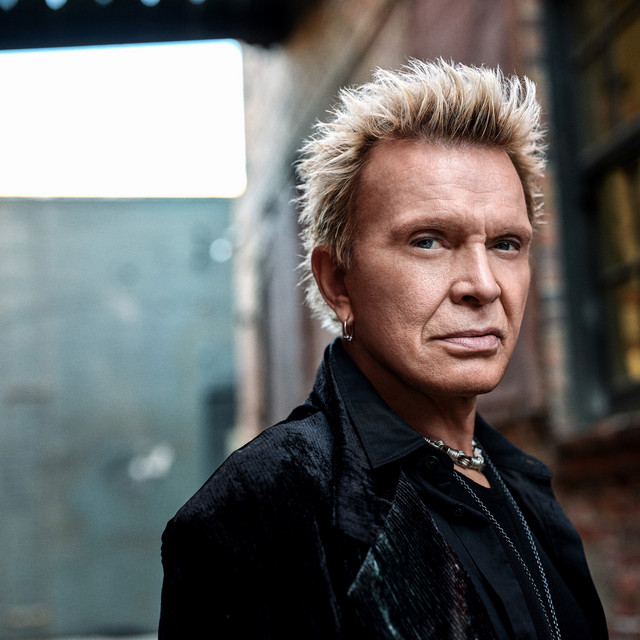
Billy Idol
New Romantic
New Wave
New Wave Pop
4
/5
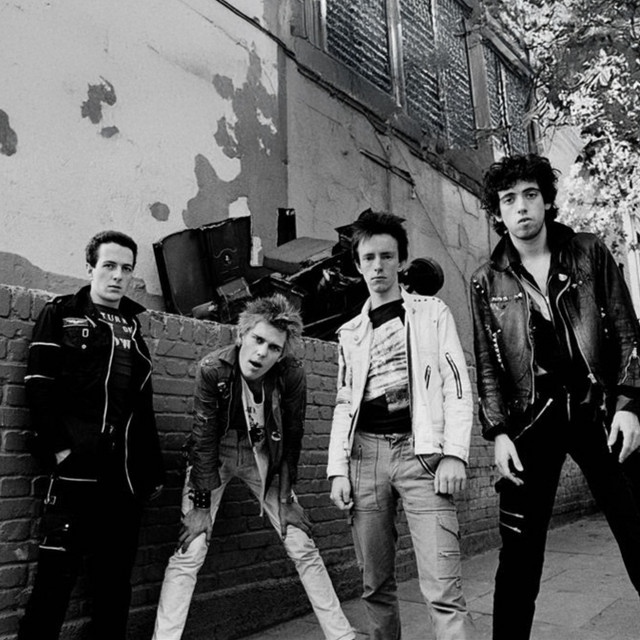
The Clash
Punk
Punk Rock
New Wave
4
/5
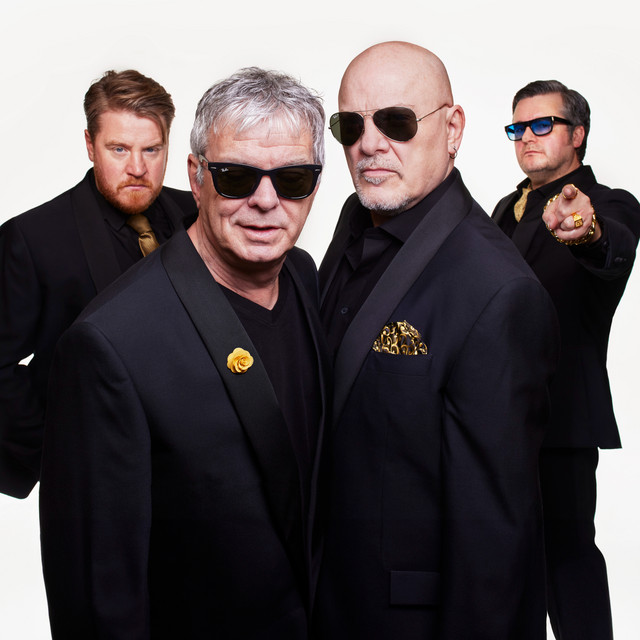
The Stranglers
Pub Rock
New Wave
Proto-Punk
4
/5
Os Paralamas Do Sucesso
Latin Rock
Ska
Reggae Rock
4
/5
Le Tigre
Dance-Punk
Riot Grrrl
Queercore
4
/5
Pretenders
Chill Pop
New Wave
Pop
Download our mobile app
Get the Melodigging app and start digging for new genres on the go
Download on the App Store
Get it on Google Play
© 2026 Melodigging
Give feedback
Legal
Melodding was created as a tribute to
Every Noise at Once
, which inspired us to help curious minds keep digging into music's ever-evolving genres.