Genres
Artists
Albums
Make Music
Sign in
Sign in
Artists
Latin Rock
Artists
Latin Rock
Os Paralamas Do Sucesso
1984–1996
·
4 albums
Listen
4
/5
Genres
Talentos Brasileiros
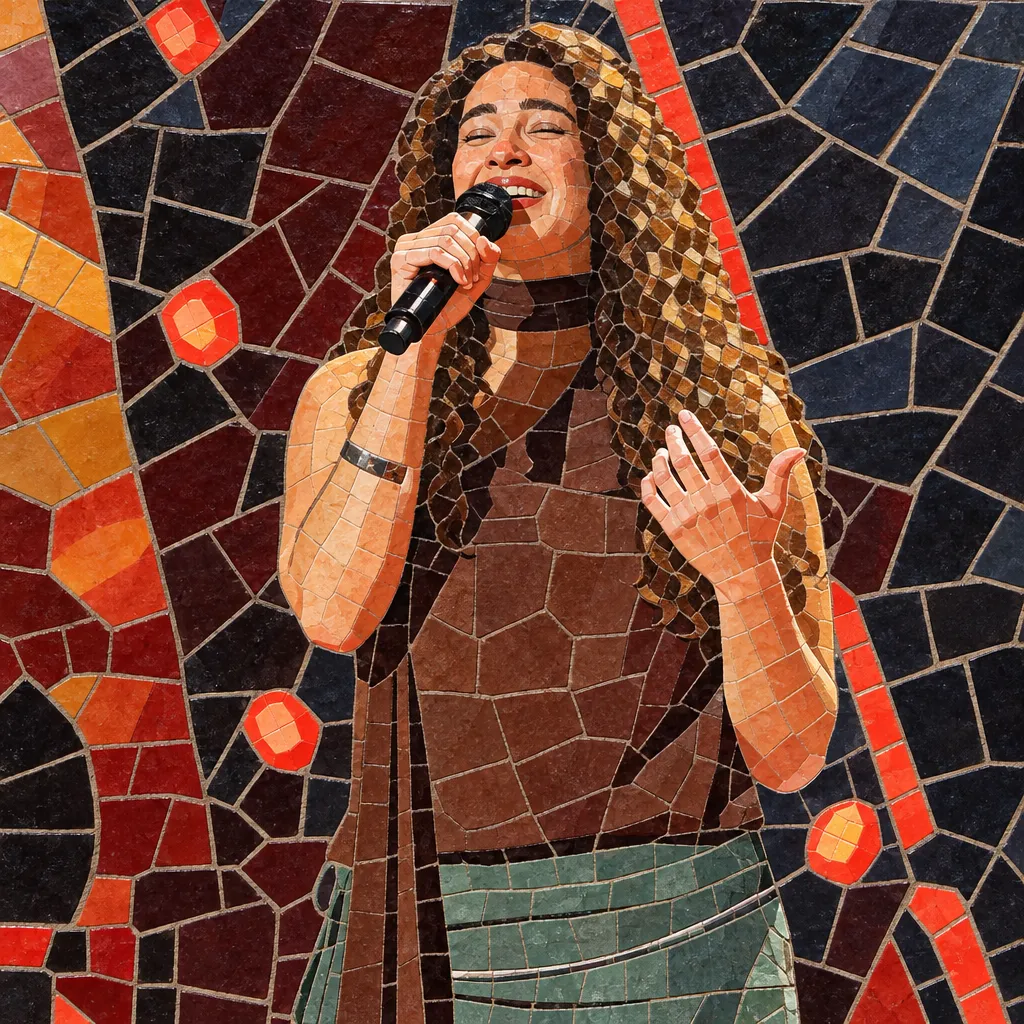
Talentos brasileiros refers to the ecosystem of Brazilian television and digital talent shows that spotlight versatile vocalists and bands performing highly polished covers and showcase pieces. The sound blends global pop and R&B stagecraft with distinctly Brazilian repertoires such as MPB (Música Popular Brasileira), sertanejo, samba-pop, and contemporary gospel. Arrangements typically feature key changes, dramatic builds, and concise, TV-ready forms—often medleys—that foreground emotive lead vocals, tight backing bands, and cinematic production. While contestants reinterpret international hits, they frequently localize phrasing and groove, bring Portuguese-language lyricism to the fore, and insert regional color into harmony and rhythm. The result is a performance-forward style: technically demanding vocals, crowd-pleasing climaxes, and refined orchestration that translate well to broadcast, arenas, and streaming. Alumni often transition into Brazil’s mainstream pop, sertanejo, and gospel markets, turning short-form TV moments into sustainable recording careers.
Discover
Listen
Trap Carioca
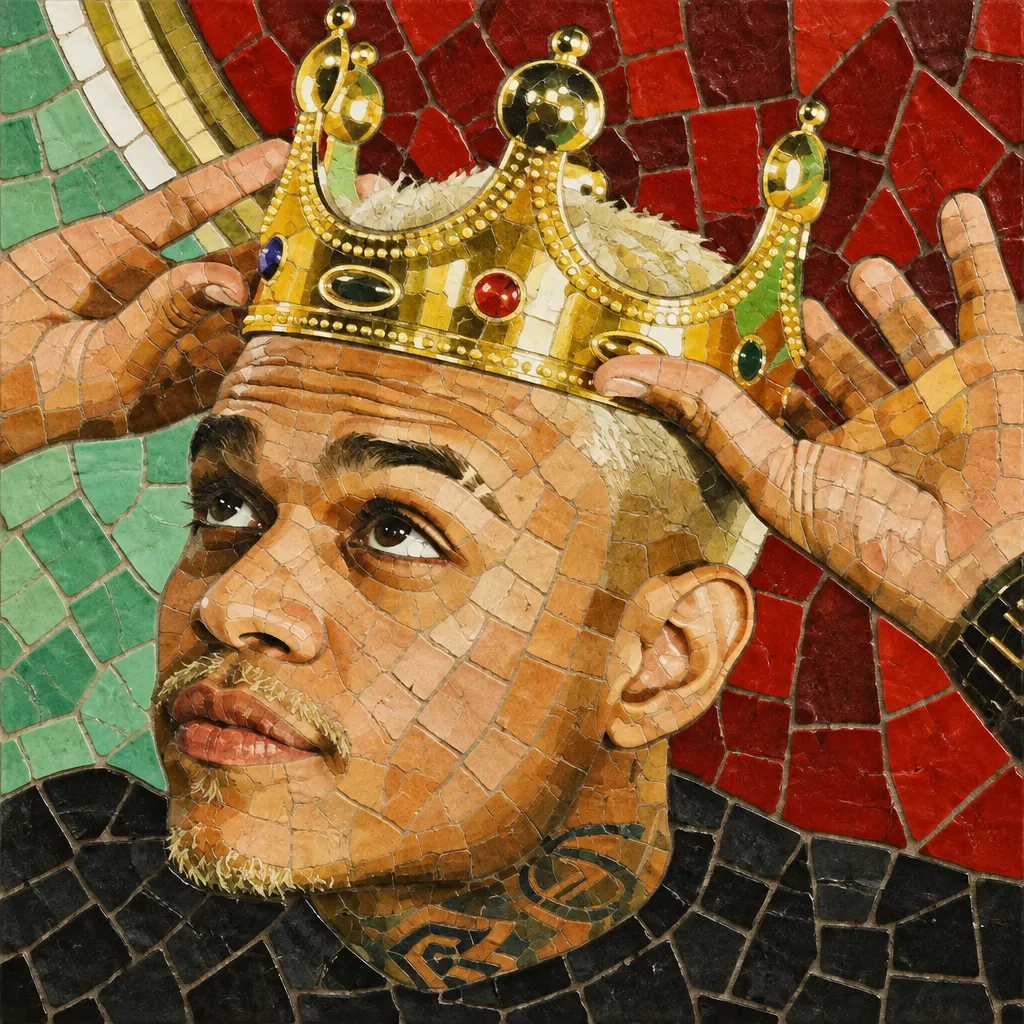
Trap carioca is a Rio de Janeiro–rooted branch of Brazilian trap that fuses the half‑time 808 power of U.S. trap with the swing, percussion accents, and party ethos of funk carioca. Built on booming 808 sub‑bass, triplet hi‑hats, and minor‑key loops, it often layers or references the tamborzão and other baile funk drum idioms, local slang, and narratives of favela life, hustle, style, and romance. The result is a gritty yet polished sound that can slide between cold, nocturnal menace and swaggering dance energy, reflecting Rio’s street reality and club culture.
Discover
Listen
Reggae Rock
Reggae rock is a hybrid style that blends the off‑beat groove, deep bass, and laid‑back pulse of reggae with the drive, hooks, and guitar-forward energy of rock. The result keeps reggae’s skanking guitar upstrokes, syncopated bass lines, and occasional one‑drop feel, but frames them with rock song structures, choruses, and a more aggressive backbeat. Early British punk and new wave bands absorbed Jamaican rhythms, while later American groups added surf, hip‑hop, and pop accents, creating a beach-ready, festival-friendly sound.
Discover
Listen
New Wave
New wave is a broad, pop-oriented umbrella for styles that emerged in the mid-to-late 1970s as a sleeker, more melodic outgrowth of punk culture. Initially, the term varied by region: in the United States it was first used by critics and labels (famously Sire Records’ “Don’t Call It Punk” campaign in 1977) to rebrand punk-associated artists with more radio-friendly aesthetics; in the United Kingdom it encompassed a wider constellation of fresh, stylish post-punk-era sounds. Over time, “new wave” became a catch‑all for hooky guitar pop, synth-driven songs, danceable rhythms, and modernist production sensibilities. Sonically, it blends tight, upbeat rhythms (often disco- and reggae-informed), clean chorus/flanger guitars, prominent synthesizers, and concise, hook-led songwriting. Its visual identity—sharp suits, futurist imagery, and fashion-forward presentation—was integral, aligning with the rise of music television and emphasizing art-school wit, irony, and modern urban themes.
Discover
Listen
Latin Rock
Latin rock blends the instrumentation and attitude of rock with Afro‑Latin and Caribbean rhythms, percussion, and song forms. Typical bands combine electric guitars, bass, and drum kit with congas, bongos, timbales, and hand percussion, creating a driving, danceable groove grounded in the clave. Vocals may be in Spanish, Portuguese, Spanglish, or English, and lyrics range from love songs and urban life to social and political commentary. Harmonically, Latin rock draws from blues/rock progressions but frequently incorporates modal colors (Dorian, Mixolydian) and montuno‑style vamps borrowed from salsa and Afro‑Cuban traditions. The result sits comfortably between club‑ready rhythm and arena‑sized rock energy.
Discover
Listen
Brazilian Pop
Brazilian pop is the mainstream-oriented spectrum of popular music made in Brazil, merging local rhythmic DNA (samba, bossa nova, MPB, axé, forró, sertanejo) with international pop, rock, R&B, and electronic production. Across eras, it has balanced melodic immediacy and radio-friendly structures with the harmonic richness and syncopation characteristic of Brazilian traditions. In the 2010s–2020s, Brazilian pop increasingly incorporates baile funk grooves, trap/R&B textures, and polished EDM elements, while retaining Portuguese lyrics, regional slang, and themes tied to Brazilian daily life, romance, and celebration.
Discover
Listen
Brazilian Rock
Brazilian rock is the umbrella term for rock music created in Brazil, sung mostly in Portuguese, and colored by the country’s regional rhythms, harmonic language, and social context. From its 1960s roots in rock and roll and Jovem Guarda, through the psychedelic and Tropicália experiments at the decade’s end, to the post-dictatorship explosion of 1980s “BRock,” the style has continually absorbed global rock currents while retaining a distinctly Brazilian identity. You’ll hear electric guitars alongside samba and baião grooves, bossa/MPB chords, and lyrics that move between youthful romance, biting social commentary, and poetic introspection. Today, Brazilian rock spans classic, alternative, indie, and heavy strands, remaining a foundational pillar of Brazilian popular music.
Discover
Listen
Mpb
MPB (Música Popular Brasileira) is a broad Brazilian popular music movement that crystallized in the mid-1960s after bossa nova. It blends samba and other regional rhythms with jazz harmony, singer‑songwriter craft, and elements of contemporary pop and rock. The style is marked by sophisticated melodies, extended harmonies, inventive arrangements, and lyrically rich songs that often use poetry and metaphor. Many classic MPB works balance intimacy (voice and violão/nylon‑string guitar) with lush studio orchestration, drawing from samba‑canção, choro, baião, and frevo while engaging modern influences. Historically, MPB provided a platform for social commentary during Brazil’s military dictatorship, with artists employing allegory to navigate censorship. It remains a living tradition that continually renews itself through new generations (“nova MPB”).
Discover
Listen
Pop Rock
Pop rock blends the hook-focused immediacy of pop with the instrumentation and drive of rock. It prioritizes catchy melodies, concise song structures, and polished production while retaining guitars, bass, and drums as core elements. Typical pop rock tracks use verse–pre-chorus–chorus forms, strong vocal harmonies, and memorable riffs. The sound ranges from jangly and bright to mildly overdriven and arena-ready, aiming for radio-friendly appeal without abandoning rock’s rhythmic punch.
Discover
Listen
Ska
Ska is a Jamaican popular music style characterized by a brisk 4/4 groove, off‑beat guitar or piano upstrokes (the “skank”), walking bass lines, and punchy horn riffs. Emerging in late‑1950s Kingston dancehalls, ska fused local mento and calypso with American rhythm & blues and jazz, creating a lively sound that celebrated independence‑era optimism and street culture. Across time, ska evolved through distinct waves: the original Jamaican ska of the early 1960s, the racially integrated and politically aware 2 Tone movement in late‑1970s Britain, and the third‑wave explosion in the 1990s that blended ska with punk energy around the world.
Discover
Listen
Rock
Rock is a broad family of popular music centered on amplified instruments, a strong backbeat, and song forms that foreground riffs, choruses, and anthemic hooks. Emerging from mid‑20th‑century American styles like rhythm & blues, country, and gospel-inflected rock and roll, rock quickly expanded in scope—absorbing folk, blues, and psychedelic ideas—while shaping global youth culture. Core sonic markers include electric guitar (often overdriven), electric bass, drum kit emphasizing beats 2 and 4, and emotive lead vocals. Rock songs commonly use verse–chorus structures, blues-derived harmony, and memorable melodic motifs, ranging from intimate ballads to high‑energy, stadium‑sized performances.
Discover
Listen
Show all 11 genres
Albums
1996
3
/5
9 luas
Os Paralamas do Sucesso
Latin Rock
1989
4
/5
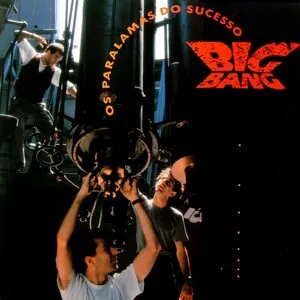
Big Bang
Os Paralamas do Sucesso
Reggae Rock
1986
3
/5
Selvagem?
Os Paralamas do Sucesso
Reggae Rock
Ska
1984
4
/5
O passo do Lui
Os Paralamas do Sucesso
Reggae Rock
Ska
Similar artists
1
/5
Various Artists
Afro-Funk
Alternative Rock
Ambient
5
/5
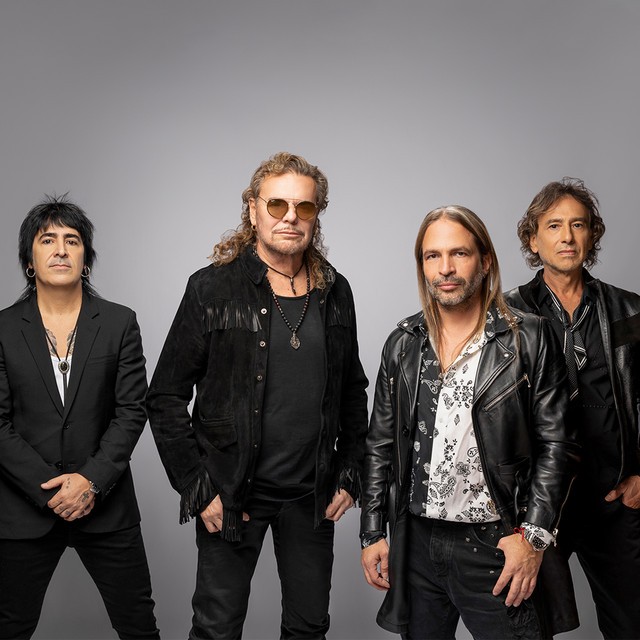
Maná
Latin
Latin Rock
Mexican Rock
4
/5
Skank
Pop Rock
Brazilian Rock
Brazilian Pop
4
/5
Engenheiros Do Hawaii
Rock Gaucho
Pop Rock
Brazilian Pop
4
/5
Soda Stereo
Argentine Rock
Rock
Latin Rock
4
/5
Sublime
Ska Punk
Reggae Rock
Ska
4
/5
Julieta Venegas
Latin Pop
Latin Alternative
Latin
4
/5
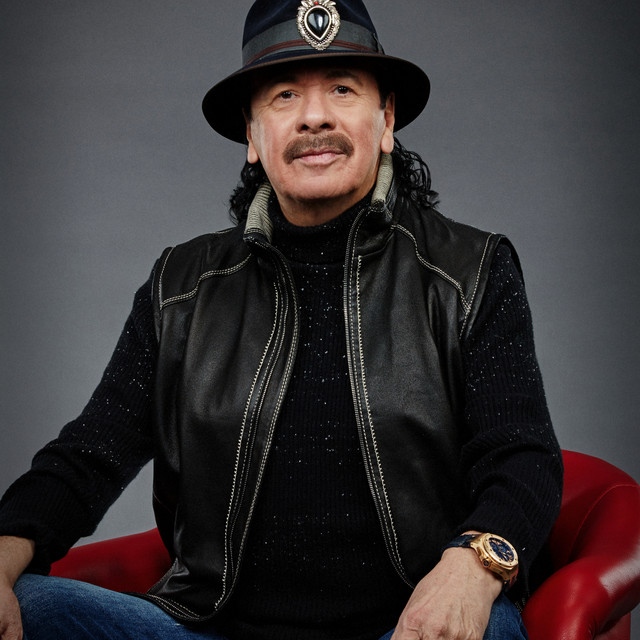
Santana
Latin Rock
Rock
Blues Rock
4
/5
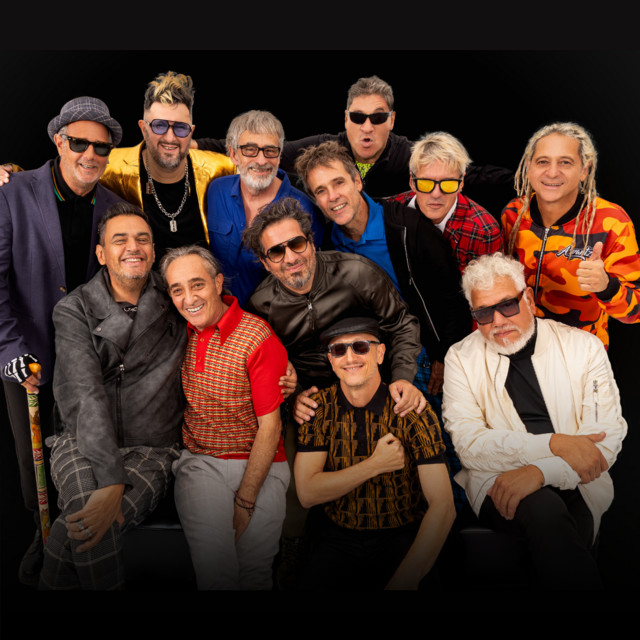
Los Auténticos Decadentes
Murga
Ska
Argentine Rock
4
/5
Café Tacvba
Latin Alternative
Ska
Alternative Rock
Download our mobile app
Get the Melodigging app and start digging for new genres on the go
Download on the App Store
Get it on Google Play
© 2026 Melodigging
Give feedback
Legal
Melodding was created as a tribute to
Every Noise at Once
, which inspired us to help curious minds keep digging into music's ever-evolving genres.