Your digging level
Description
Rock gaúcho (rock gaucho) is a regional scene of Brazilian rock centered in Rio Grande do Sul, especially Porto Alegre, that emerged in the mid‑1980s. It blends the energy and DIY ethos of punk and new wave with melodic pop‑rock writing and the lyrical wit and introspection characteristic of southern Brazilian culture.
Sonically, the style ranges from lean, chorus‑pedal guitar textures and hooky power‑pop to tougher hard‑rock edges, and even hybridizations with funk, rap‑rock, and local rhythms. Lyrically, it often features ironic or poetic observations about urban life, identity, and relationships, delivered in Portuguese with occasional gaúcho slang and a distinct regional accent.
The scene coalesced around college radio, small venues, and influential local media, producing bands that achieved national prominence and helped define a southern identity within Brazil’s broader rock explosion.



History
Rock gaúcho took shape in Porto Alegre amid Brazil’s broader rock revival. College radio (notably Rádio Ipanema) and local venues nurtured young bands inspired by punk, post‑punk, and new wave, but determined to write in Portuguese and reflect southern Brazilian life. Early compilations and local press attention connected disparate groups into a recognized scene.
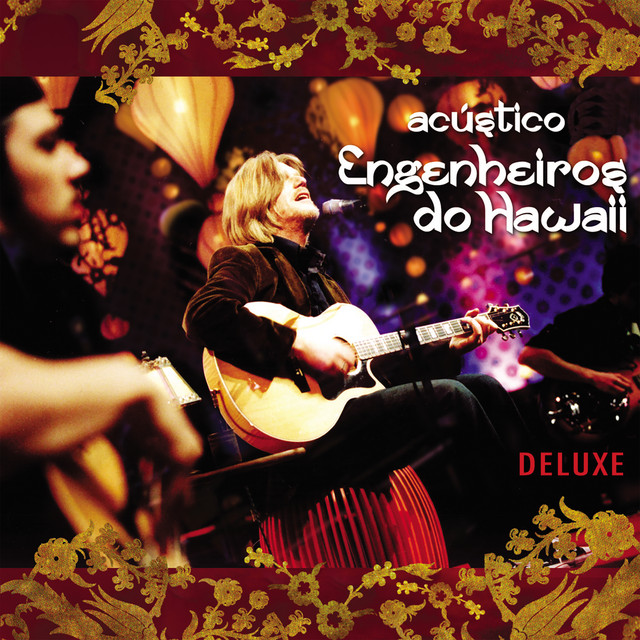
The mid‑1980s brought national attention. The compilation "Rock Grande do Sul" (1986) showcased key bands and helped secure major‑label deals. Groups like Engenheiros do Hawaii, Os Replicantes, TNT, Cascavelletes, Nenhum de Nós, and Garotos da Rua gained radio play across Brazil. Their sounds ranged from sardonic punk and power‑pop to more polished pop‑rock, unified by a regional identity and sharp, literate lyrics.
In the 1990s the scene diversified stylistically. DeFalla pushed into funk‑metal and experimental rock; Graforréia Xilarmônica crafted witty, jangly power‑pop; Papas da Língua and Cidadão Quem leaned into radio‑friendly pop‑rock; while Tequila Baby kept the punk flame burning. New venues, festivals, and indie labels reinforced a sustainable ecosystem for southern rock.
A new generation—Cachorro Grande (retro rock), Ultramen (rap‑rock/funk), Bidê ou Balde, Comunidade Nin‑Jitsu, Apanhador Só, and others—extended the legacy into the 2000s and 2010s. The internet era broadened reach while preserving local roots. Throughout, rock gaúcho has remained a touchstone for regional identity in Brazilian rock, known for craftsmanship in songwriting and a blend of irony, melancholy, and uplift.