Genres
Artists
Albums
Make Music
Sign in
Sign in
Artists
Chill Pop
Artists
Chill Pop
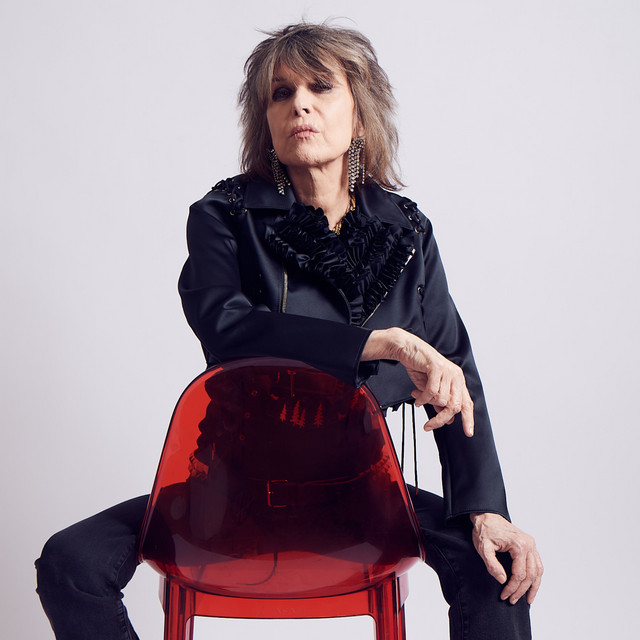
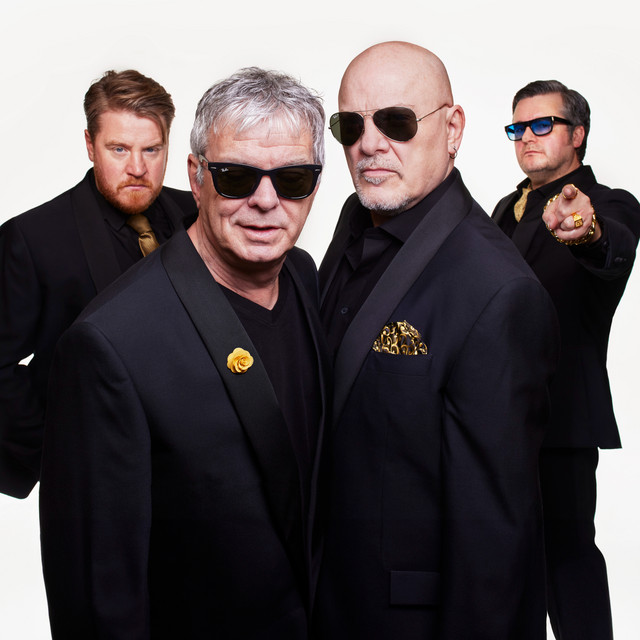
Pretenders
Listen
4
/5
Genres
Chill Pop
Chill pop is a contemporary pop micro‑genre that blends radio‑friendly songwriting with the mellow textures of chillout and lo‑fi aesthetics. It favors soft vocals, smooth synths, clean guitar plucks, understated bass, and relaxed, mid‑tempo grooves. Instead of big, bombastic hooks, chill pop tends toward intimate, conversational melodies and minimal, airy arrangements. Production often borrows from bedroom pop and alternative R&B—subtle trap hi‑hats, warm saturation, roomy reverbs, and gentle side‑chain compression—to create a breezy, pastel sound palette well suited to playlists and late‑night listening. Lyrically, chill pop is introspective and relatable: romance, longing, gentle optimism, and coming‑of‑age themes delivered in a plain‑spoken, whisper‑close tone. The result sits between indie pop’s understated cool and mainstream pop’s catchy structures, optimized for the streaming era’s mood‑driven consumption.
Discover
Listen
Neo-Singer-Songwriter
Neo-singer-songwriter is a contemporary, streaming-era evolution of the classic singer–songwriter tradition. It keeps the intimate, confessional lyricism and melody-forward writing, but updates the palette with glossy indie-pop production, subtle electronic textures, and studio-crafted dynamics. Artists often pair acoustic guitar or piano with tasteful synth pads, granular ambience, and restrained beats. The result feels more cinematic and radio-ready than 1970s forebears, yet it still centers a personal voice, diaristic storytelling, and hook-driven choruses.
Discover
Listen
Popwave
Popwave is a song‑forward branch of synthwave that fuses glossy 1980s pop aesthetics with contemporary electronic production. Where classic synthwave often favors instrumental, cinematic moods, popwave puts vocals and hooks at the center: big choruses, radio‑ready structures, and emotive lyrics about youth, night drives, neon‑lit romance, and bittersweet nostalgia. Sonically it leans on analog‑styled polysynths, driving eighth‑note basslines, gated‑reverb drums, shimmering guitars, and frequent sax or lead‑guitar cameos—yet it’s mixed and mastered to modern pop standards. The result is a style that feels simultaneously retro and current: the color and optimism of 80s chart pop, filtered through the songwriting discipline of today’s electropop and the sound design DNA of synthwave.
Discover
Listen
432hz
432hz is a wellness-oriented ambient/New Age micro-genre built around tuning music to the alternative concert pitch A=432 Hz instead of the modern standard A=440 Hz. In practice, 432hz releases are largely instrumental, slow-tempo, and reverb-rich, combining soft pads, drones, gentle piano, bowls/chimes, and nature sounds. Tracks are marketed for relaxation, meditation, yoga, sleep, and "energy" or "chakra" work, and are frequently tagged with wellness keywords. While advocates claim psychoacoustic or physiological benefits from 432 Hz tuning, these claims remain unproven; the sound signature audiences respond to is the calm production, consonant harmony, and spacious mixing typical of ambient and New Age music. As a streaming-native style, 432hz thrives on platforms like YouTube and Spotify where long-form background listening, SEO-friendly titling, and looping visuals support use-cases such as study, mindfulness, and sleep.
Discover
Listen
New Wave
New wave is a broad, pop-oriented umbrella for styles that emerged in the mid-to-late 1970s as a sleeker, more melodic outgrowth of punk culture. Initially, the term varied by region: in the United States it was first used by critics and labels (famously Sire Records’ “Don’t Call It Punk” campaign in 1977) to rebrand punk-associated artists with more radio-friendly aesthetics; in the United Kingdom it encompassed a wider constellation of fresh, stylish post-punk-era sounds. Over time, “new wave” became a catch‑all for hooky guitar pop, synth-driven songs, danceable rhythms, and modernist production sensibilities. Sonically, it blends tight, upbeat rhythms (often disco- and reggae-informed), clean chorus/flanger guitars, prominent synthesizers, and concise, hook-led songwriting. Its visual identity—sharp suits, futurist imagery, and fashion-forward presentation—was integral, aligning with the rise of music television and emphasizing art-school wit, irony, and modern urban themes.
Discover
Listen
Punk
Punk is a fast, abrasive, and minimalist form of rock music built around short songs, stripped-down instrumentation, and confrontational, anti-establishment lyrics. It emphasizes DIY ethics, raw energy, and immediacy over virtuosity, often featuring distorted guitars, shouted or sneered vocals, and simple, catchy melodies. Typical songs run 1–3 minutes, sit around 140–200 BPM, use power chords and basic progressions (often I–IV–V), and favor live, unpolished production. Beyond sound, punk is a cultural movement encompassing zines, independent labels, political activism, and a fashion vocabulary of ripped clothes, leather, and safety pins.
Discover
Listen
Punk Rock
Punk rock is a fast, raw, and stripped‑down form of rock music that foregrounds energy, attitude, and the DIY ethic over technical polish. Songs are short (often 90–180 seconds), in 4/4, and driven by down‑stroked power‑chord guitars, eighth‑note bass, and relentless backbeat drumming. Vocals are shouted or sneered rather than crooned, and lyrics are direct, often political, anti‑establishment, or wryly humorous. Production is intentionally unvarnished, prioritizing immediacy and live feel over studio perfection. Beyond sound, punk rock is a culture and practice: independent labels, fanzines, all‑ages venues, self‑organized tours, and a participatory scene that values inclusivity, affordability, and self‑reliance.
Discover
Listen
Pop
Pop is a broad, hook-driven style of popular music designed for wide appeal. It emphasizes memorable melodies, concise song structures, polished vocals, and production intended for radio, charts, and mass media. While pop continually absorbs elements from other styles, its core remains singable choruses, accessible harmonies, and rhythmic clarity. Typical forms include verse–pre-chorus–chorus, frequent use of bridges and middle-eights, and ear-catching intros and outros. Pop is not defined by a single instrumentation. It flexibly incorporates acoustic and electric instruments, drum machines, synthesizers, and increasingly digital production techniques, always in service of the song and the hook.
Discover
Listen
Rock
Rock is a broad family of popular music centered on amplified instruments, a strong backbeat, and song forms that foreground riffs, choruses, and anthemic hooks. Emerging from mid‑20th‑century American styles like rhythm & blues, country, and gospel-inflected rock and roll, rock quickly expanded in scope—absorbing folk, blues, and psychedelic ideas—while shaping global youth culture. Core sonic markers include electric guitar (often overdriven), electric bass, drum kit emphasizing beats 2 and 4, and emotive lead vocals. Rock songs commonly use verse–chorus structures, blues-derived harmony, and memorable melodic motifs, ranging from intimate ballads to high‑energy, stadium‑sized performances.
Discover
Listen
Show all 9 genres
Similar artists
4
/5
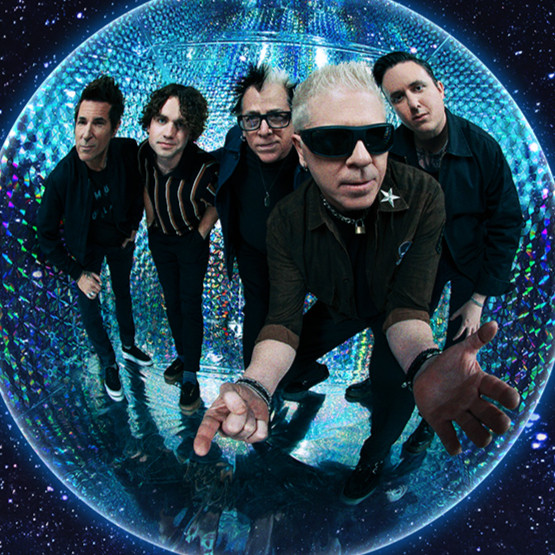
The Offspring
Punk
Punk Rock
Rock
4
/5
Blondie
Power Pop
New Wave
Candy Pop
4
/5
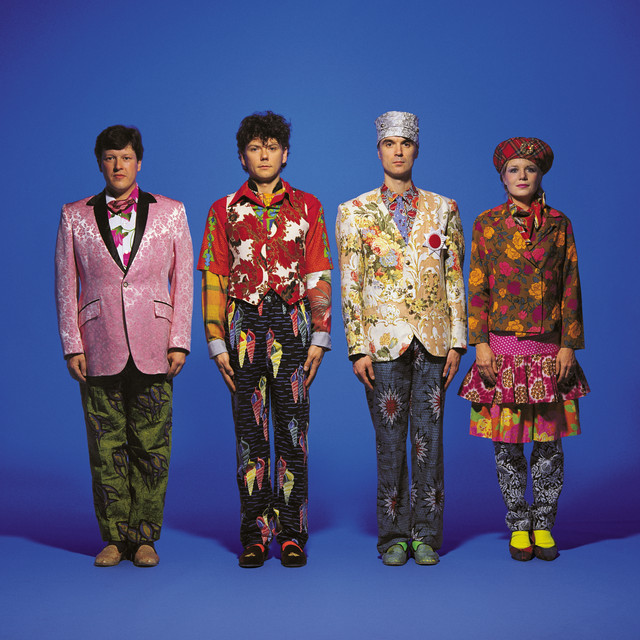
Talking Heads
Art Punk
New Wave
Post-Punk
4
/5
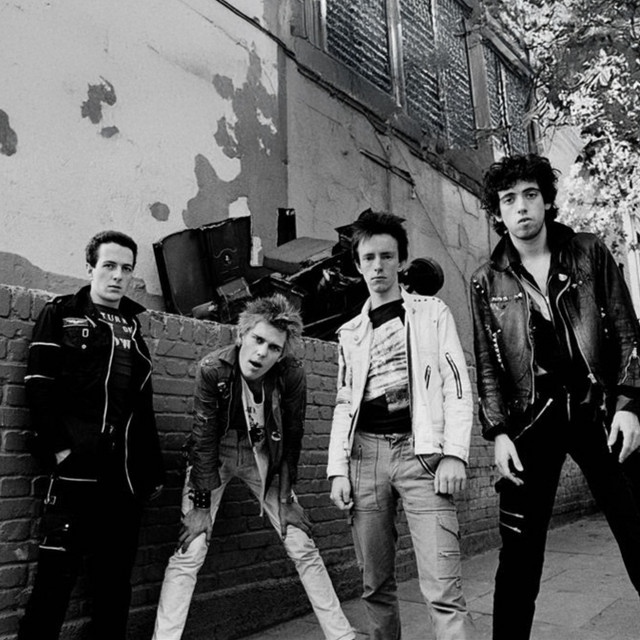
The Clash
Punk
Punk Rock
New Wave
4
/5
The Stranglers
Pub Rock
New Wave
Proto-Punk
3
/5
Patti Smith
Proto-Punk
Art Punk
Rock
3
/5
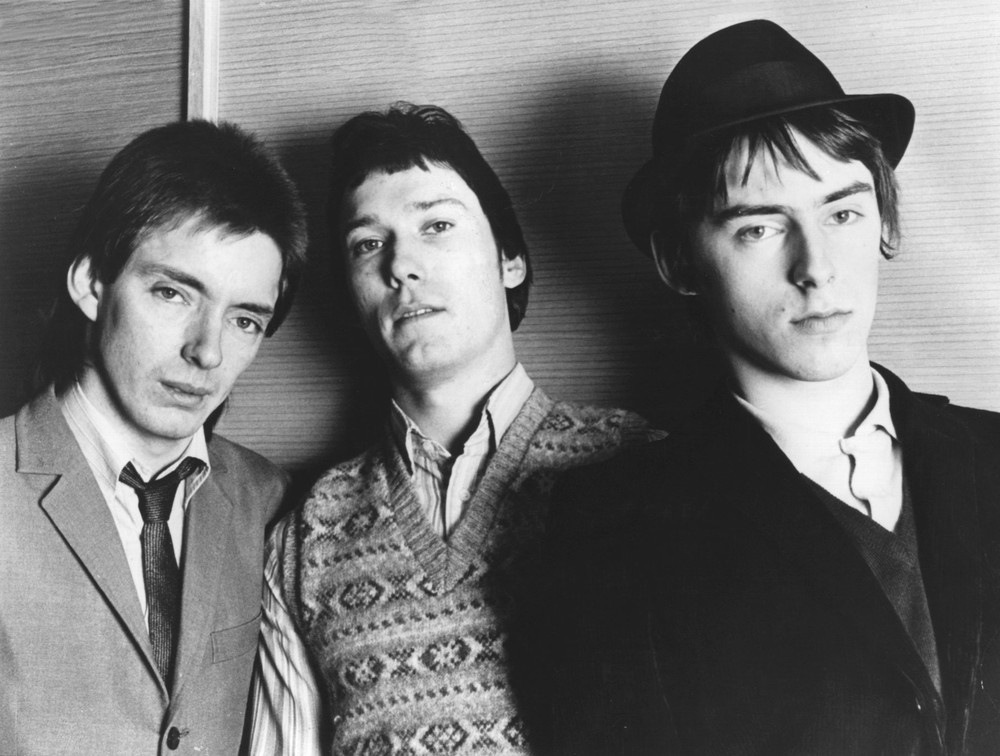
The Jam
Mod Revival
Mod
New Wave
3
/5
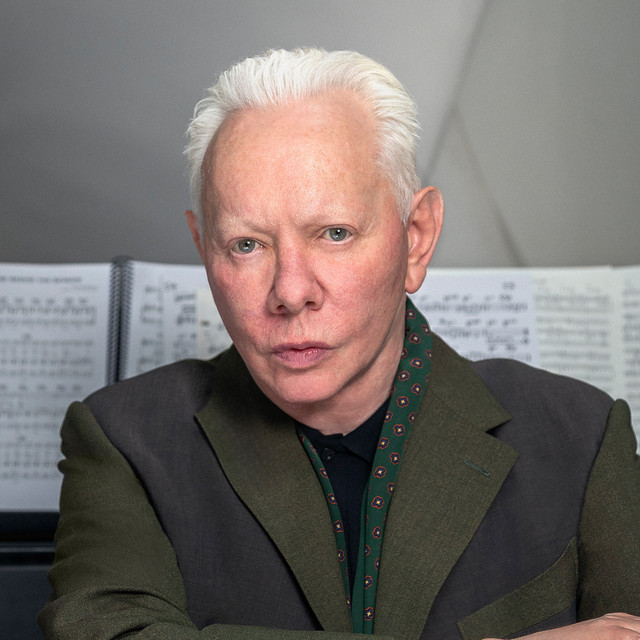
Joe Jackson
New Wave
Power Pop
Pop
1
/5
Various Artists
Soundtrack
Afro-Funk
Alternative Rock
5
/5
Olivia Rodrigo
Pop
Pop Punk
Pop Rock
Download our mobile app
Get the Melodigging app and start digging for new genres on the go
Download on the App Store
Get it on Google Play
© 2026 Melodigging
Give feedback
Legal
Melodding was created as a tribute to
Every Noise at Once
, which inspired us to help curious minds keep digging into music's ever-evolving genres.