Genres
Artists
Albums
Make Music
Sign in
Sign in
Artists
Leningrad Rock Club Scene
Artists
Leningrad Rock Club Scene
Alisa
1985–1991
·
5 albums
Listen
Genres
Leningrad Rock Club Scene
The Leningrad Rock Club scene refers to the network of bands, artists, producers, and audiences centered around the Leningrad Rock Club (founded in 1981 in Leningrad, USSR). Operating under state oversight yet pushing cultural boundaries, it became the most prominent focal point for Soviet rock during the 1980s. Musically, the scene blended post-punk, new wave, art rock, folk-rock, progressive and hard rock, with occasional reggae and psychedelia. Because of censorship, equipment scarcity, and volume restrictions, performances often emphasized clear songcraft, literate Russian-language lyrics, and tight, economical arrangements over virtuoso showmanship or extreme sonics. Allegory and metaphor were used to navigate censorship, producing a poetic, introspective tone that still felt rebellious and fresh. The club incubated acts that went on to national and international recognition, and it played a crucial role in the broader legalization, professionalization, and popularization of rock music across the Soviet Union during perestroika and glasnost.
Discover
Listen
Alternative Rock
Alternative rock is a broad umbrella for guitar-based rock that emerged from the independent and college-radio scenes as a counterpoint to mainstream, commercial rock. It blends the energy and ethos of punk with the textural and songwriting experiments of post-punk, new wave, jangle pop, and noise rock, often foregrounding introspective or socially aware lyrics. Across its many strains—from the melodic minimalism of college rock to the loud-quiet-loud dynamics of grunge and the artful experimentation of Radiohead-era modernism—alternative rock prioritizes authenticity, sonic individuality, and a do-it-yourself approach. Its sound ranges from chiming, chorus-laden clean guitars to abrasive distortion and feedback, supported by straightforward rock rhythms or off-kilter grooves, and production that can be either raw and live-sounding or polished yet unconventional.
Discover
Listen
New Partisans
New Partisans is a short‑lived, mid‑1980s movement on the Yugoslav rock scene—centered in Sarajevo—that fused pop rock/power pop songcraft with elements of South Slavic folk music. Lyrically and visually it drew heavily on the symbolism, songs, and mythology of the WWII Yugoslav Partisan movement and the late‑socialist ideal of "bratstvo i jedinstvo" (brotherhood and unity). The result was anthemic, catchy, youth‑oriented pop rock dressed in folkloric colors (march‑like rhythms, brass and accordion colors, communal choruses) and patriotic/nostalgic themes.
Discover
Listen
New Wave
New wave is a broad, pop-oriented umbrella for styles that emerged in the mid-to-late 1970s as a sleeker, more melodic outgrowth of punk culture. Initially, the term varied by region: in the United States it was first used by critics and labels (famously Sire Records’ “Don’t Call It Punk” campaign in 1977) to rebrand punk-associated artists with more radio-friendly aesthetics; in the United Kingdom it encompassed a wider constellation of fresh, stylish post-punk-era sounds. Over time, “new wave” became a catch‑all for hooky guitar pop, synth-driven songs, danceable rhythms, and modernist production sensibilities. Sonically, it blends tight, upbeat rhythms (often disco- and reggae-informed), clean chorus/flanger guitars, prominent synthesizers, and concise, hook-led songwriting. Its visual identity—sharp suits, futurist imagery, and fashion-forward presentation—was integral, aligning with the rise of music television and emphasizing art-school wit, irony, and modern urban themes.
Discover
Listen
Post-Punk
Post-punk is a broadly experimental strain of rock that emerged in the late 1970s as artists sought to push beyond the speed, simplicity, and orthodoxy of first-wave punk. It typically features angular, bass-forward grooves; jagged or minimal guitar lines; stark, spacious production; and an openness to dub, funk, electronic, and avant-garde ideas. Lyrics often examine alienation, urban decay, politics, and the inner life with artful or abstract delivery. A studio-as-instrument approach, emphasis on rhythm section interplay, and an appetite for non-rock textures (tape effects, drum machines, found sound, synths) distinguish the style. The result can be danceable yet tense, cerebral yet visceral, and emotionally restrained yet intensely expressive.
Discover
Listen
Hard Rock
Hard rock is a loud, riff-driven style of rock music built around heavily amplified electric guitars, a powerful rhythm section, and assertive vocals. Songs typically center on memorable, blues-based guitar riffs, strong backbeats, and energetic, often shouted or belted choruses. The genre emphasizes power, groove, and visceral impact over intricate harmony or extended improvisation. Distortion, power chords, pentatonic melodies, and call‑and‑response between vocals and guitar are core traits, while lyrical themes often explore rebellion, lust, swagger, escape, and cathartic release.
Discover
Listen
Rock
Rock is a broad family of popular music centered on amplified instruments, a strong backbeat, and song forms that foreground riffs, choruses, and anthemic hooks. Emerging from mid‑20th‑century American styles like rhythm & blues, country, and gospel-inflected rock and roll, rock quickly expanded in scope—absorbing folk, blues, and psychedelic ideas—while shaping global youth culture. Core sonic markers include electric guitar (often overdriven), electric bass, drum kit emphasizing beats 2 and 4, and emotive lead vocals. Rock songs commonly use verse–chorus structures, blues-derived harmony, and memorable melodic motifs, ranging from intimate ballads to high‑energy, stadium‑sized performances.
Discover
Listen
Show all 7 genres
Albums
1991
1
/5
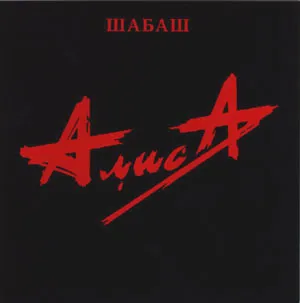
Шабаш
Alisa Алиса
Leningrad Rock Club Scene
Alternative Rock
Hard Rock
1989
1
/5
Шестой лесничий
Alisa Алиса
Leningrad Rock Club Scene
New Wave
Rock
1987
1
/5
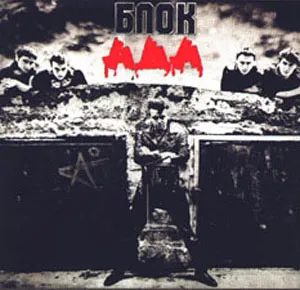
Блок ада
Alisa Алиса
Leningrad Rock Club Scene
New Wave
Post-Punk
1985
1
/5
Энергия
Alisa Алиса
Leningrad Rock Club Scene
New Wave
Rock
Da li si čula pesmu umornih slavuja
Alisa
New Partisans
Similar artists
1
/5
Various Artists
Afro-Funk
Alternative Rock
Ambient
5
/5
David Bowie
Art Rock
Rock
Glam Rock
4
/5
Kino
Post-Punk
Leningrad Rock Club Scene
New Wave
5
/5
Metallica
Heavy Metal
Metal
Old School Thrash
5
/5
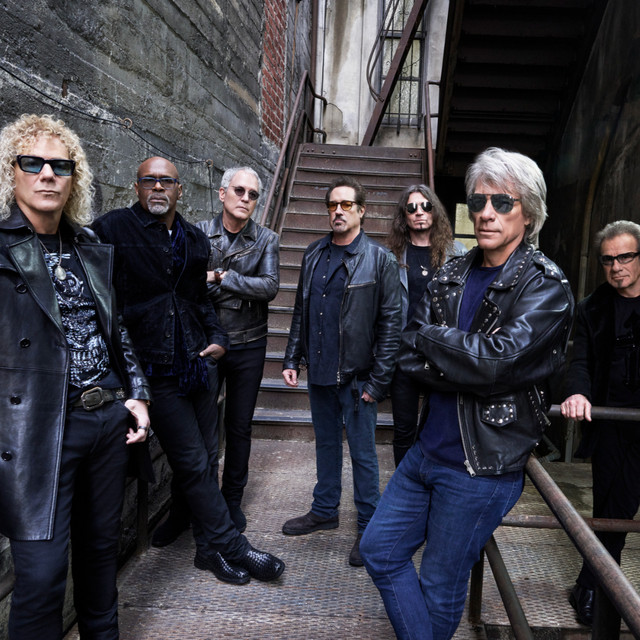
Bon Jovi
Rock
Glam Metal
Hard Rock
5
/5
Nickelback
Rock
Alternative Metal
Post-Grunge
5
/5
The Cure
Gothic Rock
Post-Punk
New Wave
5
/5
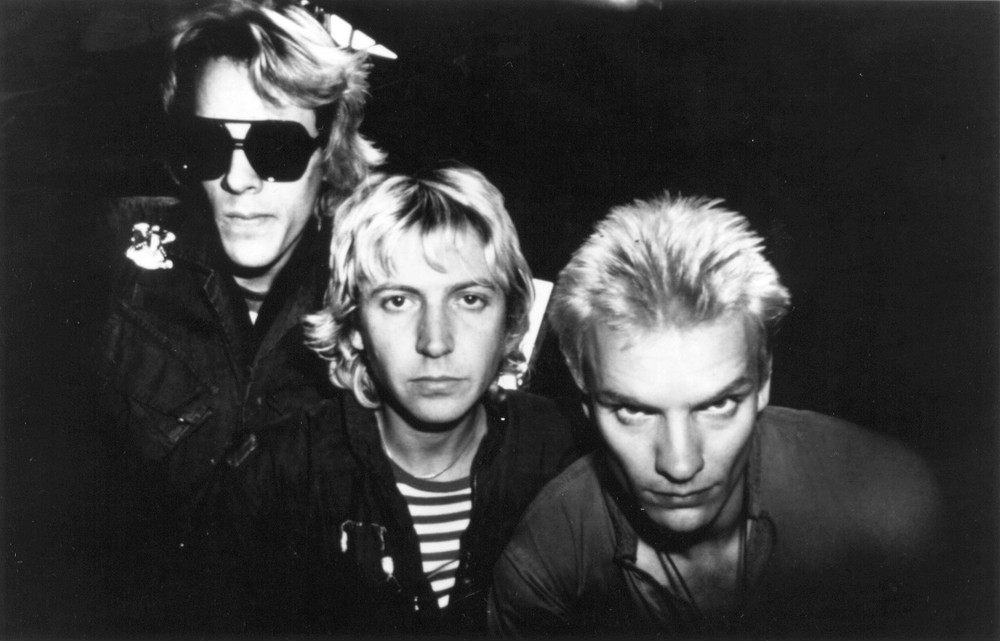
The Police
Rock
Alternative Rock
New Wave
4
/5
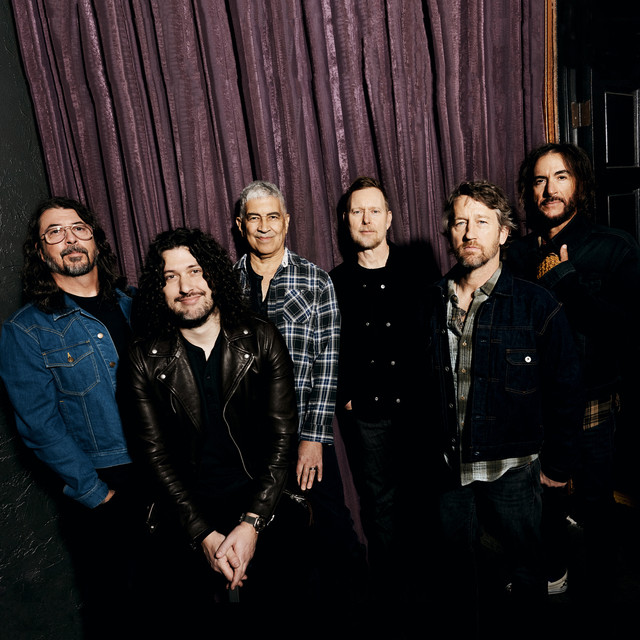
Foo Fighters
Alternative Rock
Grunge
Rock
4
/5
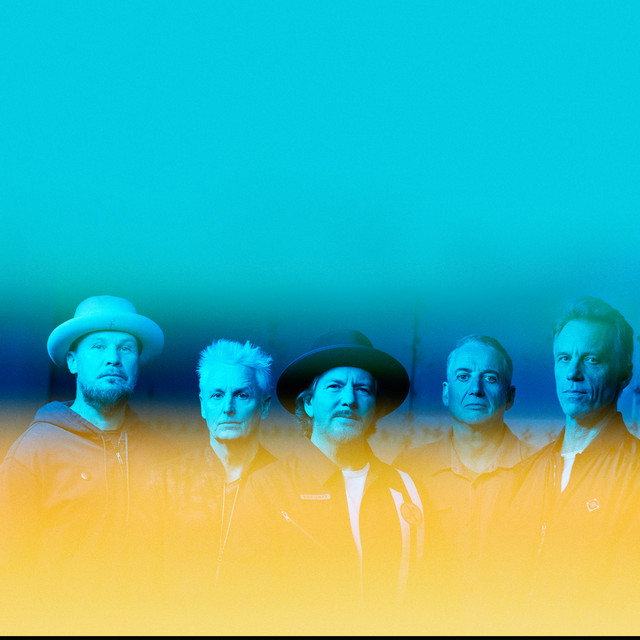
Pearl Jam
Alternative Rock
Grunge
Rock
Download our mobile app
Get the Melodigging app and start digging for new genres on the go
Download on the App Store
Get it on Google Play
© 2026 Melodigging
Give feedback
Legal
Melodding was created as a tribute to
Every Noise at Once
, which inspired us to help curious minds keep digging into music's ever-evolving genres.