Genres
Artists
Albums
Make Music
Sign in
Sign in
Artists
Japanese Indie
Artists
Japanese Indie
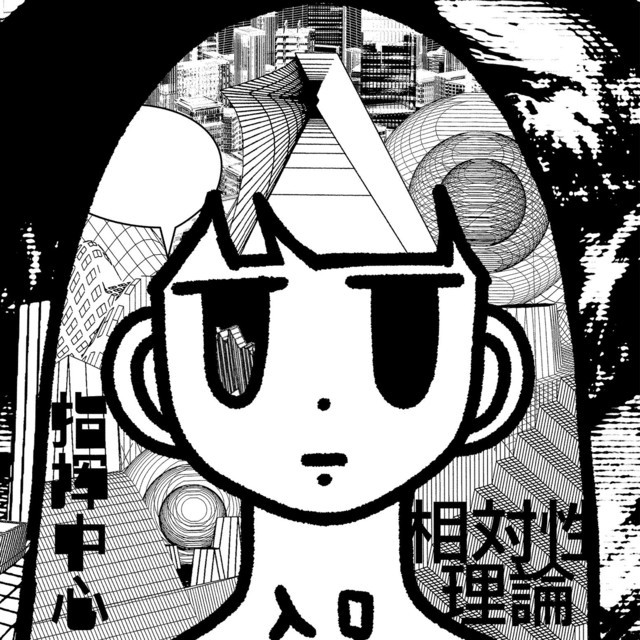
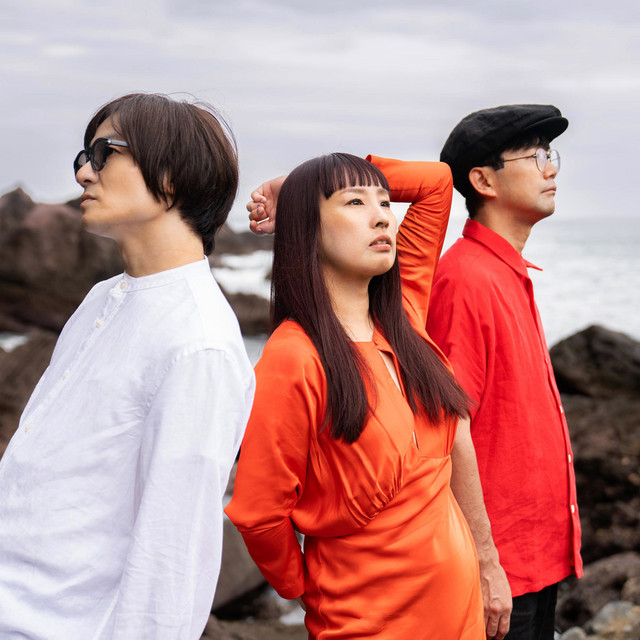
Soutaiseiriron
2013
·
1 album
Listen
3
/5
Genres
Asian Rock
Asian Rock (in the contemporary online-rap sense) is a pluggnb-derived microstyle that fuses the dense, bouncy percussion of pluggnb with bright, anime/Asian-rock-tinged melodic cues. Production typically layers airy bells, mallet or synth plucks, and shimmering pads with soaring synthetic guitar leads that nod to Japanese rock and anime-score aesthetics. Vocals lean melodic—half-sung, half-rapped—with light autotune and emotive hooks, riding swung hi-hats, skipping rimshots, and rubbery 808 slides. Rather than a geographic tag, this style labels a sonic palette: internet-native trap built on pluggnb drums and glossy, nostalgic melodies that evoke anime openings and J-rock guitar heroics.
Discover
Listen
Jerk
Jerk is a microgenre of hip‑hop that took shape in New York City in the early 2020s. It borrows the name and some rhythmic cues from the earlier "jerk rap"/jerkin' movement connected to West Coast street dance, but reimagines them through the aesthetics of contemporary underground rap. Sonically, jerk favors sparse, snare‑forward drum programming with very light or even absent kicks, dry percussion, and short looping motifs. The production often draws on the airy pads, glassy bells, and minimalist melodies of Plugg and PluggnB, but strips arrangements down further to leave lots of negative space for tightly phrased, talk‑like rap flows. The result is bouncy yet understated, intimate yet danceable.
Discover
Listen
Jirai Kei
Jirai kei is a recent Japanese internet-born pop micro‑genre and aesthetic that blends cute, sugary sounds with darker, obsessive and self‑destructive themes. The term comes from a fashion/aesthetic scene associated with yamikawaii and menhera culture, and in music it describes songs that sound soft and adorable on the surface but conceal lyrics about toxic love, dependency, jealousy, and emotional volatility. Sonically, jirai kei draws from J‑pop and Vocaloid traditions (denpa/picopop brightness, catchy hooks) while adopting modern hyperpop gloss, trap/EDM percussion, and highly edited, youthful vocals. The contrast between childlike, pastel timbres and intense, confessional writing is central to the style, making it both immediately hooky and emotionally sharp—an audio embodiment of “cute but dangerous.”
Discover
Listen
Shibuya-Kei
Shibuya-kei is a Japanese pop micro‑genre that emerged from Tokyo’s Shibuya district in the early–mid 1990s. It blends 1960s French yé‑yé, bossa nova, lounge/easy listening, baroque pop, jazz, sunshine pop, and slick city‑pop with contemporary sampling and electronic production. The style is cosmopolitan and retro‑futurist: it celebrates crate‑digging, witty pastiche, and graphic design/fashion as much as music. Songs often feature breezy melodies, airy or whispery vocals in Japanese, English, or French, and richly orchestrated arrangements that feel both nostalgic and playful.
Discover
Listen
Japanese Indie
Japanese indie refers to Japan’s independent rock and pop scenes that developed outside the major-label idol system. It blends DIY production and small-label distribution with a wide palette of sounds, from jangly guitar pop and post‑punk angularity to dreamy shoegaze and lo‑fi recordings. The scene is anchored by “live houses” (small venues) around Tokyo (Shimokitazawa, Koenji, Shinjuku), Osaka, Kyoto, and Fukuoka. Artists often sing in Japanese (sometimes mixing English), with introspective, everyday-life lyrics and arrangements that prize dynamics, texture, and melody over flashy virtuosity. Aesthetically, Japanese indie inherits Western indie rock’s DIY ethos while retaining local melodic sensibilities shaped by kayōkyoku and city pop. Production ranges from 4‑track cassette grit to clean, minimal studio mixes, but the emphasis remains on authenticity, atmosphere, and the energy of the live circuit.
Discover
Listen
Indie Pop
Indie pop is a melodic, DIY-rooted branch of alternative music that blends the immediacy of pop songwriting with the independence and aesthetics of underground scenes. It typically features jangly, clean-toned guitars, tuneful bass lines, compact song structures, and intimate, literate lyrics that balance sweetness with subtle melancholy. The sound often leans toward bright chord progressions, earworm choruses, and understated production, favoring charm and personality over gloss. Culturally, indie pop is tied to small labels, fanzines, and community radio, with influential scenes and imprints such as Postcard, Sarah, and Creation laying the groundwork for its global diffusion.
Discover
Listen
Twee Pop
Twee pop is a sweet, minimalist branch of indie pop defined by jangly guitars, soft vocals, and an unabashedly tender, naive outlook. Songs tend to be short, melodically straightforward, and recorded with a low-key, DIY sensibility. Its sound often features lightly strummed or arpeggiated clean guitars, handclaps, tambourine, and occasional glockenspiel or melodica. Lyrics favor everyday romance, shyness, friendship, and small personal details, delivered with boy–girl harmonies or gentle, breathy leads. Aesthetically, twee pop positions itself against macho posturing and excessive polish, embracing vulnerability, intimacy, and charm. The result is music that feels intimate, playful, and sincerely sentimental.
Discover
Listen
Rock
Rock is a broad family of popular music centered on amplified instruments, a strong backbeat, and song forms that foreground riffs, choruses, and anthemic hooks. Emerging from mid‑20th‑century American styles like rhythm & blues, country, and gospel-inflected rock and roll, rock quickly expanded in scope—absorbing folk, blues, and psychedelic ideas—while shaping global youth culture. Core sonic markers include electric guitar (often overdriven), electric bass, drum kit emphasizing beats 2 and 4, and emotive lead vocals. Rock songs commonly use verse–chorus structures, blues-derived harmony, and memorable melodic motifs, ranging from intimate ballads to high‑energy, stadium‑sized performances.
Discover
Listen
Show all 8 genres
Albums
2013
2
/5
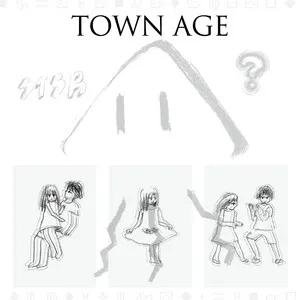
Town Age
Soutaiseiriron 相対性理論
Twee Pop
Indie Pop
Shibuya-Kei
Similar artists
2
/5
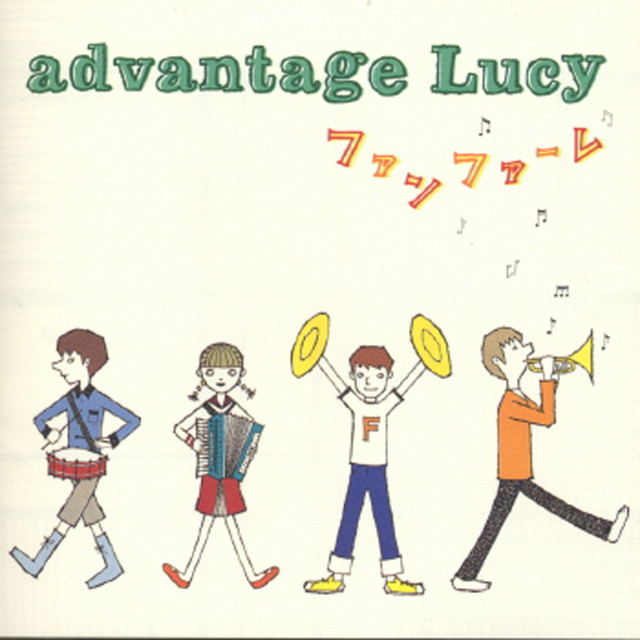
Advantage Lucy
Jangle Pop
Neo-Acoustic
Indie Pop
3
/5
Cymbals
Shibuya-Kei
Japanese Indie
Shib
3
/5
Pitcher56
Shibuya-Kei
Indie Shoegaze
Japanese Indie
1
/5
Various Artists
Afro-Funk
Alternative Rock
Ambient
3
/5
Serani Poji
Shibuya-Kei
Akishibu-Kei
Digital Horror
4
/5
MASS OF THE FERMENTING DREGS
J-Rock
Math Rock
Shibuya-Kei
3
/5
Fishmans
Neo-Psychedelia
Dream Pop
Shibuya-Kei
3
/5
mei ehara
J-Indie
Japanese Indie
Neo-City Pop
3
/5
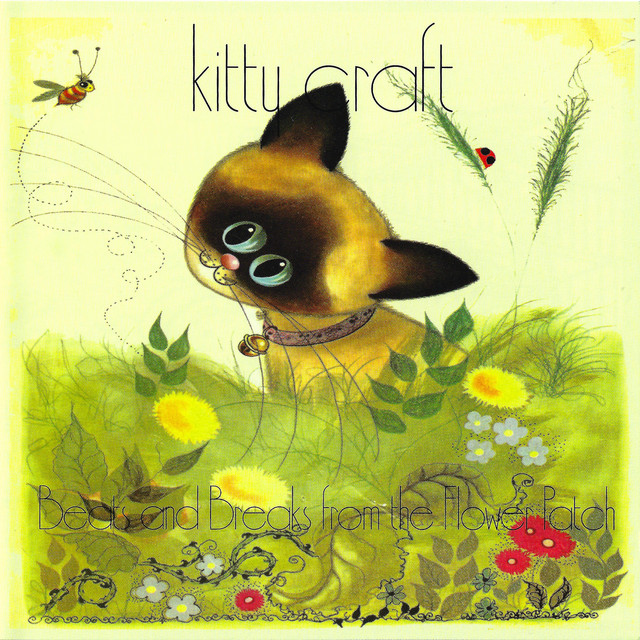
Kitty Craft
Shibuya-Kei
Chillout
Downtempo
3
/5
Number Girl
Post-Hardcore
Indie Dream Pop
Indie Shoegaze
Download our mobile app
Get the Melodigging app and start digging for new genres on the go
Download on the App Store
Get it on Google Play
© 2026 Melodigging
Give feedback
Legal
Melodding was created as a tribute to
Every Noise at Once
, which inspired us to help curious minds keep digging into music's ever-evolving genres.