Genres
Artists
Albums
Make Music
Sign in
Sign in
Artists
Shibuya-Kei
Artists
Shibuya-Kei
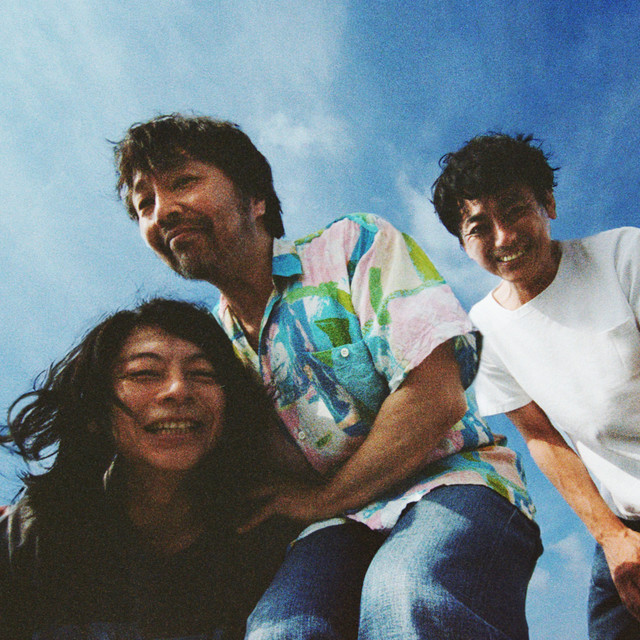
Pitcher56
2008–2022
·
2 albums
Listen
3
/5
Genres
Indie Shoegaze
Indie shoegaze is a modern fusion of indie rock songcraft with the texture-heavy aesthetics of classic shoegaze. It keeps the haze: washed-out guitars drenched in reverb and delay, breathy or buried vocals, and a strong emphasis on atmosphere. Unlike the denser, sometimes overwhelming walls of sound in late-’80s/early-’90s shoegaze, indie shoegaze tends to prize clearer hooks, jangly patterns, and compact song forms. The result is a gauzy, melodic sound that feels intimate and contemporary while still dreamily saturated.
Discover
Listen
Shib
Shib is an internet-born microgenre that blends lo‑fi hip hop, cloud rap, and alt‑R&B sensibilities into short, emotionally direct songs. It favors intimate vocals (sung, whispered, or half‑rapped), warm and dusty textures, and compact forms optimized for streaming and social media discovery. Typical productions feature looped guitar or piano motifs, soft trap drums, vinyl crackle or room noise, and reverbs/delays that create a late‑night, confessional atmosphere. Lyrically, shib gravitates toward nostalgia, heartbreak, and private reflection—music made to sound like messages recorded in a bedroom at 2 a.m.
Discover
Listen
Shibuya-Kei
Shibuya-kei is a Japanese pop micro‑genre that emerged from Tokyo’s Shibuya district in the early–mid 1990s. It blends 1960s French yé‑yé, bossa nova, lounge/easy listening, baroque pop, jazz, sunshine pop, and slick city‑pop with contemporary sampling and electronic production. The style is cosmopolitan and retro‑futurist: it celebrates crate‑digging, witty pastiche, and graphic design/fashion as much as music. Songs often feature breezy melodies, airy or whispery vocals in Japanese, English, or French, and richly orchestrated arrangements that feel both nostalgic and playful.
Discover
Listen
Neo-Acoustic
Neo-acoustic (often nicknamed "neo-aco" in Japan) is a gentle, guitar-forward strain of indie pop that emphasizes clean acoustic textures, jangly strums, and intimate, soft-spoken vocals. It trades the brashness of rock for nuanced chord color, light percussion, and melodic bass lines. The style draws heavily on British indie and the C86/twee movement, while folding in bossa nova’s relaxed syncopation and jazz-influenced chords. In Japan, the term came to denote a distinct indie sensibility—bookish, urbane, and romantic—that later fed into Shibuya-kei and various bedroom-pop and lo-fi currents. Typical arrangements favor acoustic guitars, brushy drums, tambourine or hand percussion, subtle keyboards, and occasional strings or winds. Lyrics tend toward everyday romance, small-town or city nostalgia, and quietly reflective storytelling.
Discover
Listen
Japanese Indie
Japanese indie refers to Japan’s independent rock and pop scenes that developed outside the major-label idol system. It blends DIY production and small-label distribution with a wide palette of sounds, from jangly guitar pop and post‑punk angularity to dreamy shoegaze and lo‑fi recordings. The scene is anchored by “live houses” (small venues) around Tokyo (Shimokitazawa, Koenji, Shinjuku), Osaka, Kyoto, and Fukuoka. Artists often sing in Japanese (sometimes mixing English), with introspective, everyday-life lyrics and arrangements that prize dynamics, texture, and melody over flashy virtuosity. Aesthetically, Japanese indie inherits Western indie rock’s DIY ethos while retaining local melodic sensibilities shaped by kayōkyoku and city pop. Production ranges from 4‑track cassette grit to clean, minimal studio mixes, but the emphasis remains on authenticity, atmosphere, and the energy of the live circuit.
Discover
Listen
Jangle Pop
Jangle pop is a guitar-centered style of pop and rock defined by bright, chiming tones—often from a 12‑string electric (famously the Rickenbacker)—playing arpeggiated or open‑chord figures with minimal distortion. The sound emphasizes treble clarity, shimmering sustain, and tight compression, creating a sparkling texture that carries melodic hooks. Rhythm sections are typically crisp and supportive rather than aggressive, with steady mid‑tempo grooves and melodic bass counter‑lines. Vocals tend to be tuneful and understated, frequently with close harmonies. Lyrically, jangle pop pairs catchy, concise songwriting with wistful, romantic, and nostalgic themes. The style draws on 1960s guitar pop and folk rock traditions while channeling the DIY ethos of 1980s indie scenes.
Discover
Listen
Twee Pop
Twee pop is a sweet, minimalist branch of indie pop defined by jangly guitars, soft vocals, and an unabashedly tender, naive outlook. Songs tend to be short, melodically straightforward, and recorded with a low-key, DIY sensibility. Its sound often features lightly strummed or arpeggiated clean guitars, handclaps, tambourine, and occasional glockenspiel or melodica. Lyrics favor everyday romance, shyness, friendship, and small personal details, delivered with boy–girl harmonies or gentle, breathy leads. Aesthetically, twee pop positions itself against macho posturing and excessive polish, embracing vulnerability, intimacy, and charm. The result is music that feels intimate, playful, and sincerely sentimental.
Discover
Listen
Pop
Pop is a broad, hook-driven style of popular music designed for wide appeal. It emphasizes memorable melodies, concise song structures, polished vocals, and production intended for radio, charts, and mass media. While pop continually absorbs elements from other styles, its core remains singable choruses, accessible harmonies, and rhythmic clarity. Typical forms include verse–pre-chorus–chorus, frequent use of bridges and middle-eights, and ear-catching intros and outros. Pop is not defined by a single instrumentation. It flexibly incorporates acoustic and electric instruments, drum machines, synthesizers, and increasingly digital production techniques, always in service of the song and the hook.
Discover
Listen
Rock
Rock is a broad family of popular music centered on amplified instruments, a strong backbeat, and song forms that foreground riffs, choruses, and anthemic hooks. Emerging from mid‑20th‑century American styles like rhythm & blues, country, and gospel-inflected rock and roll, rock quickly expanded in scope—absorbing folk, blues, and psychedelic ideas—while shaping global youth culture. Core sonic markers include electric guitar (often overdriven), electric bass, drum kit emphasizing beats 2 and 4, and emotive lead vocals. Rock songs commonly use verse–chorus structures, blues-derived harmony, and memorable melodic motifs, ranging from intimate ballads to high‑energy, stadium‑sized performances.
Discover
Listen
Show all 9 genres
Albums
2022
3
/5
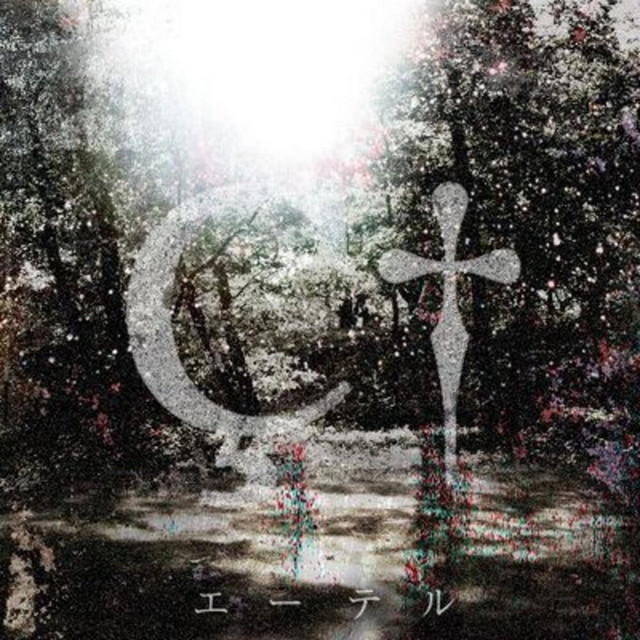
A Direction of the Ball She Hit
Pitcher56
Neo-Acoustic
Twee Pop
2008
1
/5
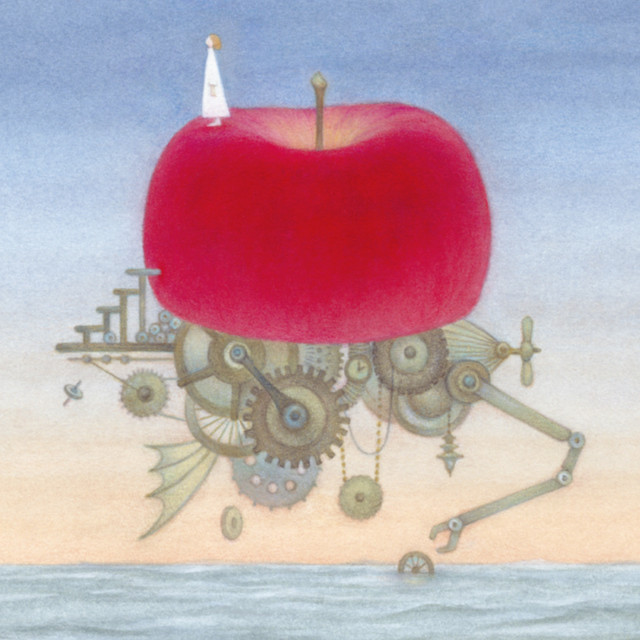
Her Abiding Memory
Pitcher56
Neo-Acoustic
Shibuya-Kei
Jangle Pop
Similar artists
4
/5
Lamp
Shibuya-Kei
City Pop
Jazz Pop
4
/5
MASS OF THE FERMENTING DREGS
J-Rock
Math Rock
Shibuya-Kei
2
/5
Flipper's Guitar
Shibuya-Kei
City Pop
Jangle Pop
3
/5
Lily Chou-Chou
Indie Dream Pop
Indie Shoegaze
Japanese Indie
3
/5
宇宙ネコ子
Dream Pop
Indie Dream Pop
Indie Shoegaze
3
/5
Minuano
Indie Shoegaze
Japanese Indie
Shib
3
/5
Sunny Day Service
City Pop
Indie Dream Pop
Indie Shoegaze
2
/5
Coaltar Of The Deepers
Shoegaze
Dream Pop
Indie Dream Pop
2
/5
sugar plant
Dream Pop
Indie Shoegaze
Japanese Indie
2
/5
rourourourous
Indie Shoegaze
Japanese Indie
Shib
Download our mobile app
Get the Melodigging app and start digging for new genres on the go
Download on the App Store
Get it on Google Play
© 2026 Melodigging
Give feedback
Legal
Melodding was created as a tribute to
Every Noise at Once
, which inspired us to help curious minds keep digging into music's ever-evolving genres.