Genres
Artists
Albums
Make Music
Sign in
Sign in
Artists
Viking Black Metal
Artists
Viking Black Metal
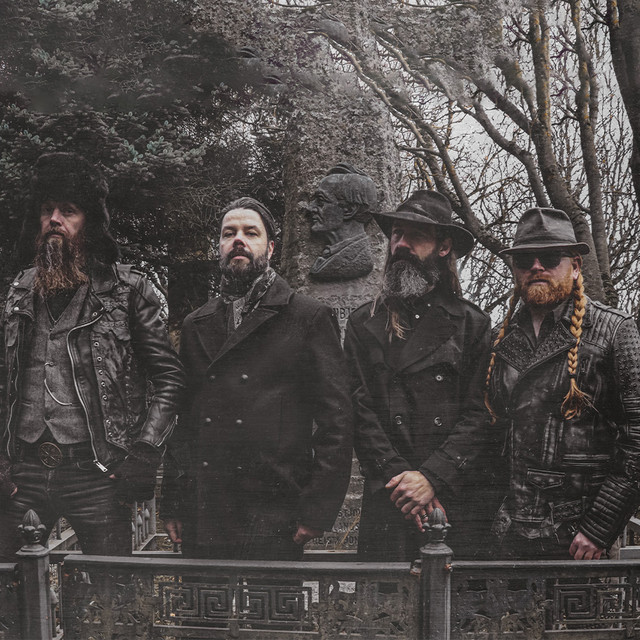
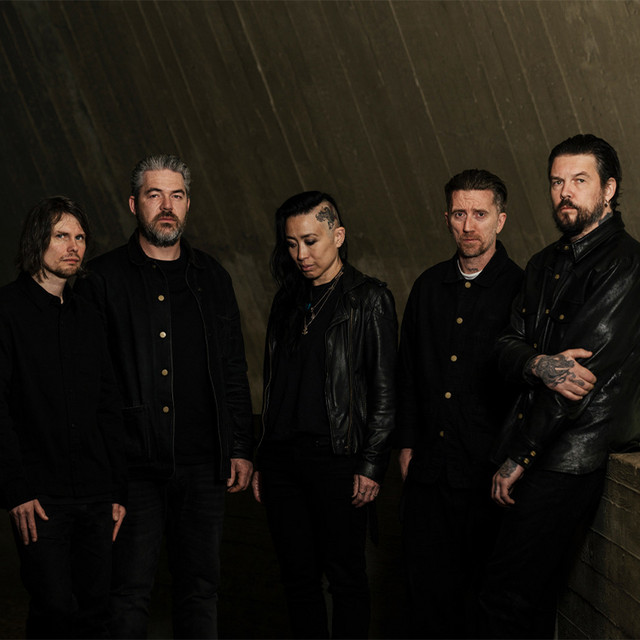
Sólstafir
2005–2024
·
11 albums
Listen
2
/5
Genres
Blackened Screamo
Blackened screamo is a hybrid of skramz-era screamo and second‑wave black metal aesthetics. It blends the genre’s raw, emotionally charged vocals and desperate dynamic surges with tremolo‑picked guitar figures, blast beats, and an enveloping, cold atmosphere. Typical songs pivot between blistering speed and mournful, reverb‑drenched expanses. The harmony favors minor keys, dissonant clusters, and chromatic movement, while production often embraces intentional abrasion—lo‑fi edges, room bleed, and cavernous ambience—to intensify the sense of urgency and bleakness. Lyrically, blackened screamo carries screamo’s confessional, existential, and socially critical core, but frames it with black metal’s desolate, sometimes apocalyptic tone. The result is a cathartic, high‑intensity style that feels both immediate and vast.
Discover
Listen
Voidgaze
Voidgaze is a heavy, atmospheric offshoot of shoegaze that fuses dense, down‑tuned guitars with post‑metal weight and blackgaze/atmospheric black metal expansiveness. The sound foregrounds towering walls of fuzz and reverb, but replaces the genre’s classic dreaminess with a cavernous, cosmic darkness—hence the sense of “the void.” Typical tracks pivot between tectonic, slow‑burn passages and explosive peaks: blast‑beat or double‑time surges may erupt beneath layers of smeared guitars, then collapse back into glacial, reverb‑soaked textures. Vocals are usually soft, breathy, or distant in the mix (sometimes screamed as a texture), serving the atmosphere rather than acting as a focal melody. Lyrically, voidgaze tends toward the existential—nature, vastness, decay, memory, and spiritual unease—mirroring the music’s sense of scale and sublimity.
Discover
Listen
Viking Black Metal
Viking black metal is a branch of black metal that fuses the raw, tremolo‑picked riffing, blast beats, and rasped vocals of the second wave with epic, folkloric melodies and overtly Norse/Viking themes. It keeps the cold, minor‑key harmonic language and lo‑to‑mid‑fi edge of black metal while foregrounding saga‑like storytelling, pagan spirituality, and nature worship. Musically, the style balances aggression with grandeur: mid‑tempo, martial passages in 6/8 or 12/8 often sit beside faster blast sections; choirs, baritone clean refrains, and atmospheric keyboards broaden the scope; and occasional folk timbres (acoustic guitar, tagelharpa, Hardanger fiddle, flutes) deepen the archaic mood. The result is simultaneously windswept and heroic—dark yet triumphant.
Discover
Listen
Post-Metal
Post-metal is a heavy, atmospheric offshoot of metal that blends the weight and distortion of sludge and doom with the expansive dynamics and textural focus of post-rock. Instead of traditional verse–chorus structures, it emphasizes long-form development, layering, and crescendos, often moving from sparse, ambient passages to overwhelming climaxes. Vocals (if present) are used more as another texture—ranging from harsh screams to distant, chant-like cleans—while guitars prioritize drones, pedal tones, and richly effected timbres over conventional riffs. The result is music that feels cinematic and immersive: slow-to-mid tempos, tectonic low-end, and wide dynamic arcs that convey bleakness, catharsis, and grandeur in equal measure.
Discover
Listen
Post-Rock
Post-rock is a style that uses traditional rock instrumentation—guitars, bass, drums, and often piano or strings—to create expansive textures, evolving soundscapes, and dynamic arcs rather than conventional verse–chorus songs. It emphasizes timbre, atmosphere, and gradual development: clean or lightly overdriven guitars drenched in delay and reverb, cyclical ostinatos, layered crescendos, and pronounced quiet–loud dynamics. Vocals, if present, are often sparse, wordless, or treated as another textural layer. The genre draws heavily from ambient, minimalism, krautrock, progressive and space rock, shoegaze, noise rock, and experimental practices, yielding music that can feel cinematic, contemplative, and emotionally cathartic.
Discover
Listen
Pagan Black Metal
Pagan black metal is a black metal offshoot that fuses the genre’s raw, tremolo‑picked riffing, blast beats, and harsh vocals with folk modalities, traditional instruments, and lyrics centered on pre‑Christian myth, nature, and regional heritage. Aesthetically, it ranges from lo‑fi, windswept atmospheres to epic, hymn‑like arrangements with choirs, acoustic passages, and ambient interludes. Melodic lines often use modal scales (Aeolian, Dorian, and sometimes Phrygian), drones, and parallel fifths, evoking an archaic, ritual feel. Songs commonly alternate between ferocious black metal surges and contemplative folk segments, creating a sense of grandeur, nostalgia, and spiritual resistance.
Discover
Listen
Folk Metal
Folk metal blends the power and riff-driven intensity of heavy metal with melodies, instruments, scales, and storytelling traditions from regional folk music. Typical arrangements combine distorted guitars, bass, and drums with fiddles, flutes, whistles, bagpipes, accordions, hurdy-gurdies, bouzoukis, and other traditional instruments. Bands often draw on myth, history, and local folklore for lyrical themes, ranging from epic sagas and battle hymns to drinking songs and pastoral ballads. The style spans a spectrum from aggressive and blackened approaches to upbeat, danceable, and festive moods, making it one of metal’s most diverse and regionally distinctive subgenres.
Discover
Listen
Black Metal
Black metal is a form of extreme metal defined by fast tempos, tremolo‑picked guitar lines, blast‑beat drumming, shrieked or rasped vocals, and a deliberately raw, icy production aesthetic. Harmonically, it favors minor and modal collections (especially Aeolian and Phrygian), open-string drones, parallel fifths and fourths, tritones, and sparse or suspended chord voicings over blues-derived harmony. Arrangements often employ layered guitars, long-form song structures, and enveloping reverb to create a bleak, otherworldly atmosphere. The genre’s visual and thematic language is equally distinctive: corpse paint, monochrome artwork, and lyrics exploring anti-dogma, nature, pagan myth, cosmic nihilism, and misanthropy. While some scenes have been associated with controversy and extremism, the musical identity centers on sound, atmosphere, and aesthetics rather than any single ideology.
Discover
Listen
Progressive Metal
Progressive metal blends the ambition and extended song forms of progressive rock with the heaviness, timbre, and energy of heavy metal. It is characterized by complex arrangements, frequent time‑signature changes, virtuosic instrumental passages, thematic or concept‑driven albums, and a wide dynamic range from delicate, atmospheric sections to aggressive, high‑gain climaxes. Harmonically it draws on modal interchange, chromatic voice‑leading, and jazz‑fusion colors, while rhythmically it favors polymeters, polyrhythms, and metric modulation. Keyboards and layered production often add orchestral or cinematic scope.
Discover
Listen
Heavy Metal
Heavy metal is a loud, guitar-driven style of rock defined by heavily distorted riffs, thunderous drums, and powerful vocals. Its musical language emphasizes minor modes, modal (Aeolian, Phrygian) riffing, and energy over groove, often featuring virtuosic guitar solos and dramatic dynamic contrasts. Emerging from late-1960s blues rock and psychedelic experimentation, heavy metal codified a darker, heavier sound with bands like Black Sabbath, Deep Purple, and Led Zeppelin. The genre values weight, intensity, and grandeur—whether through plodding, doom-laden tempos or galloping, high-energy rhythms—paired with themes that range from personal struggle and social critique to fantasy, mythology, and the occult.
Discover
Listen
Metal
Metal (often used to mean heavy metal in its broad, umbrella sense) is a loud, guitar-driven style of rock defined by high-gain distortion, emphatic and often martial rhythms, and a dense, powerful low end. It foregrounds riff-based songwriting, dramatic dynamics, virtuosic guitar solos, and commanding vocals that range from melodic wails to aggressive snarls and growls. Harmonically, metal favors minor modes, modal color (Aeolian, Phrygian), chromaticism, and tritone-inflected tension, while thematically it explores power, mythology, the occult, social critique, fantasy, and existential subjects. While adjacent to hard rock, metal typically pushes amplification, distortion, precision, and thematic intensity further, forming a foundation for many specialized subgenres.
Discover
Listen
Progressive
Progressive is an umbrella aesthetic that prioritizes musical development—extended forms, evolving arrangements, sophisticated harmony, and conceptual ambition—over verse–chorus simplicity. Emerging from late-1960s rock and psychedelia, the progressive approach soon permeated multiple styles (rock, electronic, metal, pop, dance music), where "progressive" signals pieces that unfold gradually, introduce new motifs across long arcs, and use timbral and harmonic exploration as core drama. Across its variants, listeners can expect longer tracks, thematic continuity (sometimes across whole albums), expanded instrument palettes (from orchestral colors to synthesizers), odd meters, key changes, and a narrative sense of journey.
Discover
Listen
Rock
Rock is a broad family of popular music centered on amplified instruments, a strong backbeat, and song forms that foreground riffs, choruses, and anthemic hooks. Emerging from mid‑20th‑century American styles like rhythm & blues, country, and gospel-inflected rock and roll, rock quickly expanded in scope—absorbing folk, blues, and psychedelic ideas—while shaping global youth culture. Core sonic markers include electric guitar (often overdriven), electric bass, drum kit emphasizing beats 2 and 4, and emotive lead vocals. Rock songs commonly use verse–chorus structures, blues-derived harmony, and memorable melodic motifs, ranging from intimate ballads to high‑energy, stadium‑sized performances.
Discover
Listen
Show all 13 genres
Albums
2024
2
/5
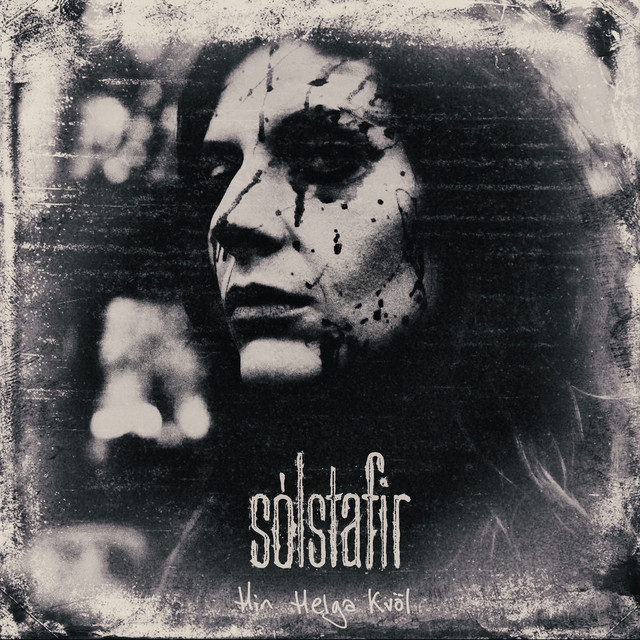
Hin helga kvöl
Sólstafir
Blackened Screamo
Viking Black Metal
Pagan Black Metal
2024
1
/5
Hin helga kvöl
Sólstafir
Blackened Screamo
Viking Black Metal
Pagan Black Metal
2020
2
/5
Endless Twilight of Codependent Love
Sólstafir
Blackened Screamo
Viking Black Metal
Post-Metal
2020
1
/5
Drýsill
Sólstafir
Blackened Screamo
Viking Black Metal
Post-Metal
2017
2
/5
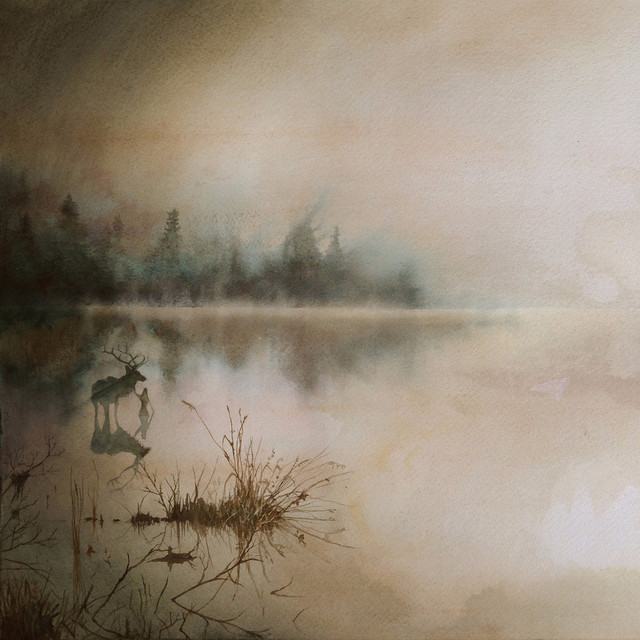
Berdreyminn
Sólstafir
Blackened Screamo
Viking Black Metal
Black Metal
2017
1
/5
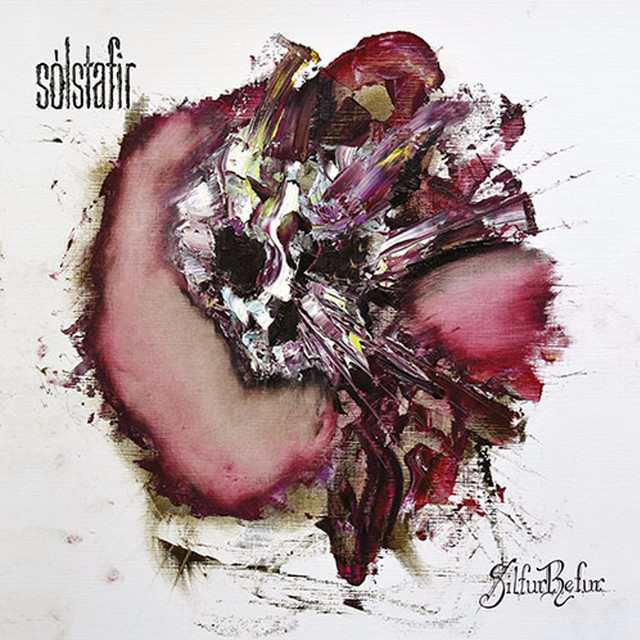
Silfur-Refur
Sólstafir
Blackened Screamo
Post-Rock
Progressive Metal
2014
3
/5
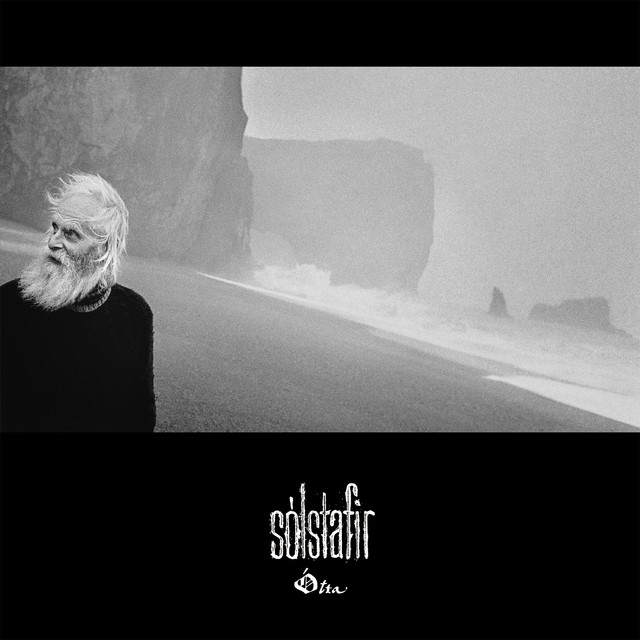
Ótta
Sólstafir
Blackened Screamo
Viking Black Metal
Post-Metal
2012
3
/5
Svartir Sandar
Sólstafir
Blackened Screamo
Viking Black Metal
Post-Metal
2009
2
/5
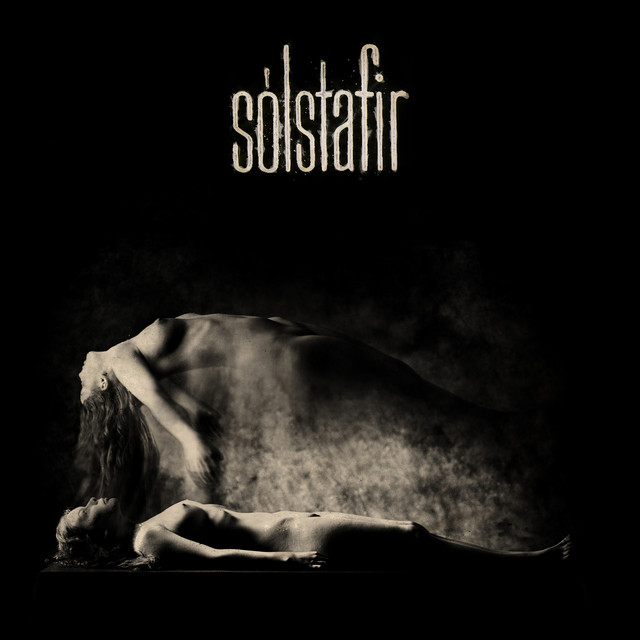
Köld
Sólstafir
Blackened Screamo
Viking Black Metal
Heavy Metal
2009
1
/5
Köld
Sólstafir
Blackened Screamo
Viking Black Metal
2005
1
/5
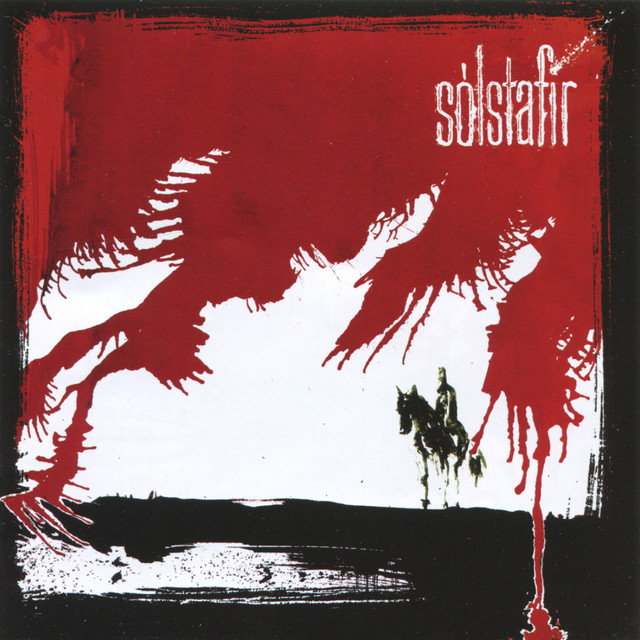
Masterpiece Of Bitterness
Sólstafir
Blackened Screamo
Similar artists
3
/5
Chikoi The Maid
Maidcore
Post-Rock
Post-Metal
2
/5
MØL
Danish Black Metal
Aarhus Indie
Avant-Garde Metal
3
/5
Cult Of Luna
Atmospheric Sludge Metal
Sludge Metal
Post-Metal
3
/5
Neurosis
Progressive Sludge
Sludge Metal
Atmospheric Sludge Metal
3
/5
Boris
Gaian Doom
Drone
Drone Metal
3
/5
Mogwai
Cosmic Post-Rock
Post-Rock
Instrumental Post-Rock
2
/5
Lantlôs
Post-Rock
Post-Metal
Shoegaze
3
/5
Deafheaven
Post-Rock
Black Metal
Blackgaze
3
/5
Amenra
Doom Metal
Drone Metal
Post-Rock
3
/5
If These Trees Could Talk
American Post-Rock
Post-Metal
Post-Rock
Download our mobile app
Get the Melodigging app and start digging for new genres on the go
Download on the App Store
Get it on Google Play
© 2026 Melodigging
Give feedback
Legal
Melodding was created as a tribute to
Every Noise at Once
, which inspired us to help curious minds keep digging into music's ever-evolving genres.