Genres
Artists
Albums
Make Music
Sign in
Sign in
Artists
Philly Soul
Artists
Philly Soul
Sister Sledge
1979–2017
·
4 albums
Listen
4
/5
Genres
Indie Pop Rap
Indie pop rap blends the melodic hooks and DIY aesthetic of indie pop with conversational, often introspective rap delivery. The production favors warm, guitar- or synth-led beats, understated drums, and lo‑fi textures over bombastic trap maximalism. Lyrically, it leans personal and relatable—relationships, coming of age, mental health, and day-to-day vignettes—delivered in a half-sung, half-rapped style. The sound was shaped by bedroom producers and the streaming era, where low-stakes, catchy songs with intimate vocals thrive on playlists and social media.
Discover
Listen
Deep Funk Ostentacao
Deep funk ostentação is a moody, late‑night variant of São Paulo’s funk ostentação, emphasizing deeper sub‑bass, sparse percussion, and atmospheric pads while retaining the genre’s themes of luxury, status, and upward mobility. Compared with the brighter, EDM‑leaning hits of ostentação in the early 2010s, the “deep” approach strips arrangements down to hypnotic tamborzão grooves, 808 low‑end, and minimal, minor‑key synth motifs. Vocals often sit closer to the beat, with autotune and chant‑like hooks, but the lyrical focus remains on conspicuous consumption (cars, brands, nightlife) filtered through a more introspective, nocturnal aesthetic.
Discover
Listen
Rasteirinha
Rasteirinha (often called “funk rasteirinha”) is a mid‑tempo branch of Brazilian funk that slows the classic baile funk groove to a warmer, more sensual pace. It blends the dembow swing of dancehall and reggaeton with samba and pagode percussion (pandeiro, cuíca, surdo, agogô, tamborim, and shakers), typically sitting around 90–105 BPM. Vocals tend to be chant‑like, playful, and street‑wise, with hooks built from call‑and‑response phrases and chopped vocal shots. Harmony is minimal—often one to three chords—so that the syncopated drums and round sub‑bass can drive the dancefloor. The overall feel is percussive, tropical, and intimate—made for block parties and clubs where groove and swing matter more than dense arrangements.
Discover
Listen
Beats
Beats is a loose, producer-driven category for rhythm-forward instrumentals built around hip‑hop drum patterns without necessarily being rap songs or featuring vocals. It functions as an umbrella for stock, "type," and backing tracks used by rappers, singers, streamers, and content creators, spanning boom‑bap swing to trap hi‑hat grids and R&B‑leaning grooves. On streaming platforms it often appears as standalone instrumentals packaged by tempo, mood, or artist style (e.g., “trap type beat,” “R&B instrumental,” “club beat”), prioritizing portability and utility over artist identity. While rooted in hip‑hop production aesthetics—kicks, snares, 808s, chopped samples—Beats blends downtempo, electronic, and contemporary R&B sensibilities, aiming for clarity, loopability, and immediate vibe.
Discover
Listen
Black Americana
Black Americana is a contemporary umbrella genre that centers Black artists within the traditions of Americana (roots-based U.S. music such as folk, country, blues, gospel, and soul). It often blends acoustic storytelling and roots instrumentation with Black musical lineages, highlighting themes of migration, labor, faith, resilience, love, and social justice. Rather than a single fixed sound, it is a scene and framing that reconnects “Americana” to its multiracial roots while pushing the style forward with modern production, R&B/soul phrasing, and genre-crossing songwriting.
Discover
Listen
Deep Deep House
Deep deep house is a late-evolution branch of deep house that emphasizes warmth, space, and subtlety over overt hooks or peak-time energy. Compared with classic deep house, it leans even more toward minimal, dub-inflected textures, extended harmonies, and long atmospheric tails. Tracks typically feature understated yet weighty low end, soft Rhodes or pad chords rich in 7ths/9ths, lightly swung percussion, and carefully sculpted ambience. The mood is intimate and immersive—club music that invites close listening as much as dancing—often suited to small rooms, lounges, after-hours sets, and sunset/sunrise moments.
Discover
Listen
Deep Groove House
Deep Groove House is a modern house substyle centered on thick, rolling basslines, swung percussion, and soulful or disco-leaning motifs delivered with contemporary club production. It balances the warmth and musicality of classic and deep house with the punch and arrangement sensibilities of present-day tech-leaning club music. Hallmarks include a steady 4/4 kick (typically 122–126 BPM), syncopated bass grooves that drive the track rather than sit under it, crisp hi-hats with subtle swing, and tasteful use of organ stabs, piano chords, and filtered disco/funk samples. Vocals—when present—tend to be hooky but restrained, often chopped or looped to reinforce the groove rather than dominate it. As a playlist and DJ vernacular label, Deep Groove House crystallized around the 2010s, especially in UK- and EU-facing club culture, online stores, and label ecosystems that favored groove-first, dancefloor-ready house with deep and classic roots.
Discover
Listen
Deep Indie Pop
Deep indie pop is a moody, finely textured branch of indie pop that favors introspective songwriting, soft-focus production, and intimate vocal delivery. It sits between bedroom pop and dream pop, borrowing lo‑fi warmth and hazy ambience while maintaining the hook sensibility of pop. Compared with mainstream indie pop, the "deep" variant leans toward slower to mid‑tempo grooves, lush synth pads, chorus‑soaked guitars, and subdued drum programming. Lyrics often explore memory, late‑night reflection, and bittersweet romance, presented with close‑miked, breathy vocals and understated arrangements.
Discover
Listen
Future Funk
Future funk is an internet-born dance microgenre that fuses the sample-heavy ethos of vaporwave with the upbeat grooves of disco, funk, and Japanese city pop. Producers typically chop and pitch up catchy hooks from late-1970s and 1980s records, loop them over four-on-the-floor drums, and apply filter sweeps and sidechain compression in the spirit of French house. The result is a sparkling, high-energy sound that feels both retro and forward-looking. Visually and culturally, the scene leans into neon-soaked, anime-tinged aesthetics and nostalgic party energy, turning classic pop and boogie flavors into compact, danceable edits tailored for the web era.
Discover
Listen
Italo Beats
Italo beats is a contemporary, club-oriented offshoot of the classic Italian Italo sound, fusing the sleek melodicism of 1980s Italo disco with the punch and polish of modern European dance music. Typical tracks feature four-on-the-floor drums, bright synth leads, rubbery basslines, and hook-forward vocals that lean into romantic or nightlife themes. Rather than being a strict historical movement, Italo beats functions as a modern production style and DJ vernacular that revives Italo’s earworm melodies and neon textures while adopting current mixdown aesthetics (sidechained pads, wider stereo imaging, and festival-ready low end). It thrives in streaming-era dance culture, uniting Italian, Central/Eastern European, and broader EU producers around a recognizable “Italo-flavored” club sound.
Discover
Listen
Modern Funk
Modern funk is a 21st‑century revitalization of late‑’70s/’80s boogie and electro‑funk aesthetics, filtered through contemporary R&B, hip‑hop production, and indie dance scenes. It emphasizes pocket‑tight grooves, syncopated basslines (often synth‑driven), crisp drum‑machine patterns, bright polyphonic synths, talkbox/vocoder leads, and clean, choppy rhythm guitar. Compared with classic funk, modern funk leans more on analog and early‑digital synth colors (Juno, Prophet, DX7, Moog), Linn/808/909‑style drums, glossy mixes, and ear‑candy arrangement details. Lyrically, it favors feel‑good party vibes, love themes, and everyday swagger, aiming for dancefloor immediacy with a retro‑futurist sheen.
Discover
Listen
Souldies
Souldies is a modern revival of classic lowrider “oldies” soul—slow, tender ballads rooted in 1960s and early-’70s sweet soul and doo‑wop aesthetics, reimagined by a new generation of largely Chicano/Latinx artists in Southern California. Characterized by warm, analog-leaning production, mellow backbeats, honeyed vocal harmonies, and heart‑on‑sleeve lyricism, the style favors mid‑slow tempos, tape‑like saturation, spring/plate reverb, and minimalist yet expressive arrangements. English and Spanish (or Spanglish) lyrics often explore love, longing, devotion, and cruising/lowrider culture. Souldies sits at the intersection of classic soul, rhythm & blues, northern soul selections, and Latin soul, offering a contemporary, community‑centered sound that feels both timeless and newly personal.
Discover
Listen
Dance-Pop
Dance-pop is a mainstream-oriented pop style built for both radio and the dancefloor. It blends hook-driven songwriting with club-ready rhythms, typically using a steady four-on-the-floor kick, bright synthesizers, and punchy, polished production. Tempos usually sit in the 110–128 BPM range, and arrangements emphasize memorable choruses, clear verses and pre-choruses, and concise structures suitable for radio edits. Compared with club genres like house or techno, dance-pop prioritizes song form, vocal presence, and accessible harmonies, while still retaining an energetic groove. The sound palette often includes layered synths, sampled or electronic drums, tight bass lines, ear-catching toplines, and modern production techniques such as sidechain compression and stacked vocal harmonies.
Discover
Listen
Philly Soul
Philly soul (Philadelphia soul) is a lush, orchestrated strain of soul music defined by sweeping strings, punchy horns, tight rhythm sections, and silky vocal harmonies. It balances gospel-rooted emotion with pop polish and sophisticated arrangements, often featuring extended chords, modulations, and memorable hooks. Built around the production vision of Kenny Gamble, Leon Huff, and Thom Bell, the "Sound of Philadelphia" married socially conscious and romantic songwriting with studio precision at Sigma Sound Studios. The groove-forward rhythm sections, Latin-tinged percussion, and melodic basslines helped lay the groundwork for disco while retaining the warmth and humanity of classic soul.
Discover
Listen
Disco
Disco is a dance-music genre and nightlife subculture that crystallized in the United States during the 1970s, drawing especially from African-American, Italian-American, Latino, and queer club communities. Musically, disco is typified by a steady four-on-the-floor kick drum, syncopated and melodic electric-bass lines, lush string sections, bright brass and horns, electric pianos and synthesizers, and percussive, choppy rhythm guitars. Arrangements often feature orchestral colors, handclaps, congas, and vibraphone or bell textures, all engineered to deliver a continuous, groove-forward experience for the dance floor. The style combines the rich orchestration and romantic sweep of Philadelphia soul with the bottom-end drive of funk and the songcraft of contemporary R&B/pop, delivered in DJ-friendly extended mixes and 12-inch singles designed for club play.
Discover
Listen
Quiet Storm
Quiet storm is a smooth, romantic subgenre and radio format within rhythm & blues that emphasizes intimacy, warmth, and late‑night mood. It blends the lush arrangements of 1970s soul with gentle jazz inflections, soft rock textures, and highly polished production. Songs typically sit at slow to mid tempos, featuring supple bass, soft drums, Rhodes or electric piano, silky strings or synth pads, and tasteful saxophone or clean, chorus‑tinged guitar. Vocals are smooth and intimate, often exploring love, devotion, and sensuality with understated delivery. The overall effect is relaxed and luxurious, designed for evening listening.
Discover
Listen
Pop Soul
Pop soul is a crossover style that blends the emotive vocals, gospel-rooted harmonies, and backbeat of soul music with the concise song forms, catchy hooks, and polished production of mainstream pop. It emphasizes memorable choruses, smooth lead vocals, tight background harmonies, and radio-friendly arrangements designed for broad appeal. The sound is often defined by a crisp rhythm section, tambourine on the backbeat, melodic bass lines, piano/organ comping, handclaps, and lush string or horn arrangements. Originating with the Motown hit-making model, pop soul prized sophisticated songwriting and sleek studio craft that could connect equally on the dance floor and the pop charts.
Discover
Listen
Funk
Funk is a rhythm-forward African American popular music style that centers on groove, syncopation, and interlocking parts. Rather than emphasizing complex chord progressions, funk builds tight, repetitive vamps that highlight the rhythm section and create an irresistible dance feel. The genre is marked by syncopated drum patterns, melodic yet percussive bass lines, choppy guitar "chanks," punchy horn stabs, call‑and‑response vocals, and a strong backbeat. Funk’s stripped-down harmony, prominent use of the one (accenting the downbeat), and polyrhythmic layering draw deeply from soul, rhythm and blues, jazz, gospel, and African rhythmic traditions. From James Brown’s late-1960s innovations through the expansive P-Funk universe and the slicker sounds of the 1970s and 1980s, funk has continually evolved while seeding countless other genres, from disco and hip hop to house and modern R&B.
Discover
Listen
Soul
Soul is a genre of popular music that blends the spiritual fervor and vocal techniques of African‑American gospel with the grooves and song forms of rhythm & blues and the harmonic palette of jazz and blues. It is defined by impassioned, melismatic lead vocals; call‑and‑response with backing singers; handclaps and a strong backbeat; syncopated bass lines; and memorable horn or string riffs. Typical instrumentation includes drum kit, electric bass, electric guitar, piano or Hammond organ, horns (trumpet, saxophone, trombone), and sometimes orchestral strings. Lyrically, soul ranges from love and heartbreak to pride, social commentary, and spiritual yearning. Regionally distinct scenes—such as Detroit’s Motown, Memphis/Stax, Muscle Shoals, Chicago, New Orleans, and Philadelphia—shaped different flavors of soul, while the style’s emotional directness and rhythmic drive made it a cornerstone of later funk, disco, contemporary R&B, and hip hop.
Discover
Listen
Show all 19 genres
Albums
2017
3
/5
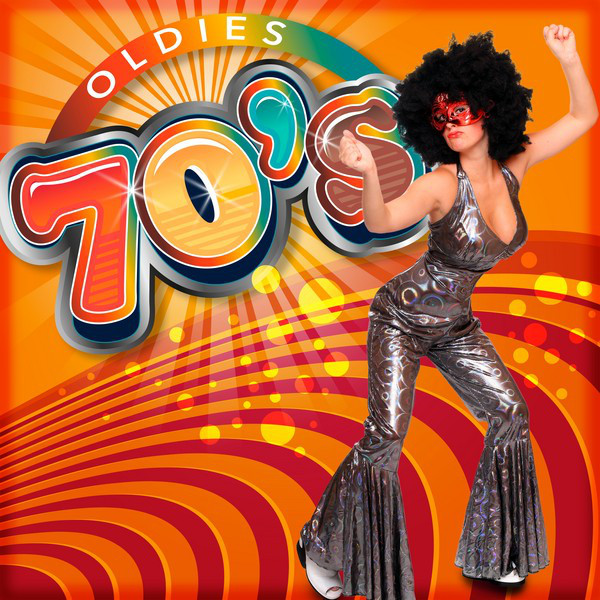
Oldies 70's
Sister Sledge
Quiet Storm
2017
2
/5
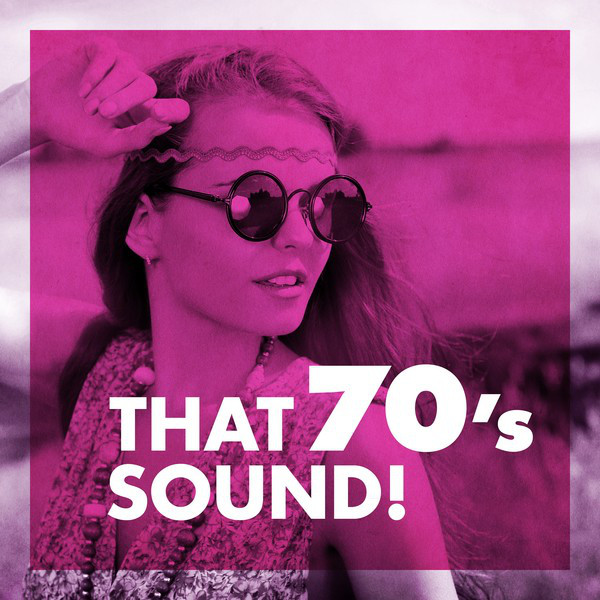
That 70's Sound!
Sister Sledge
Philly Soul
2007
3
/5
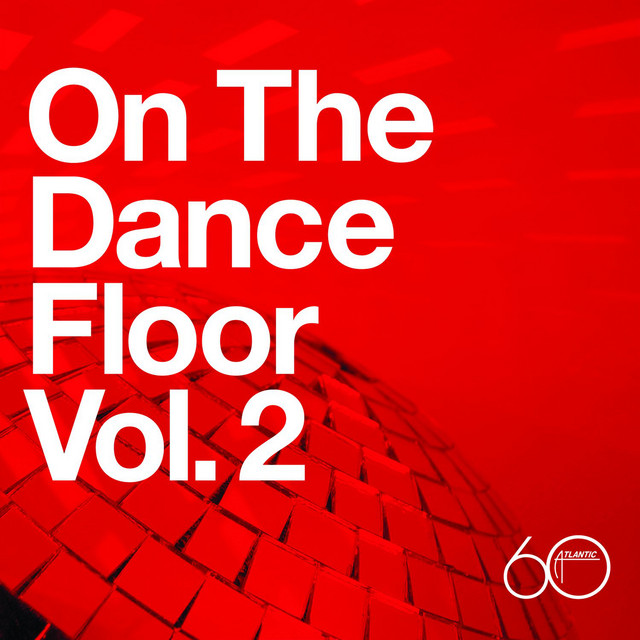
Atlantic 60th: On The Dance Floor Vol. 2
Sister Sledge
Philly Soul
Quiet Storm
1979
4
/5
We Are Family
Sister Sledge
Philly Soul
Pop Soul
Quiet Storm
Similar artists
4
/5
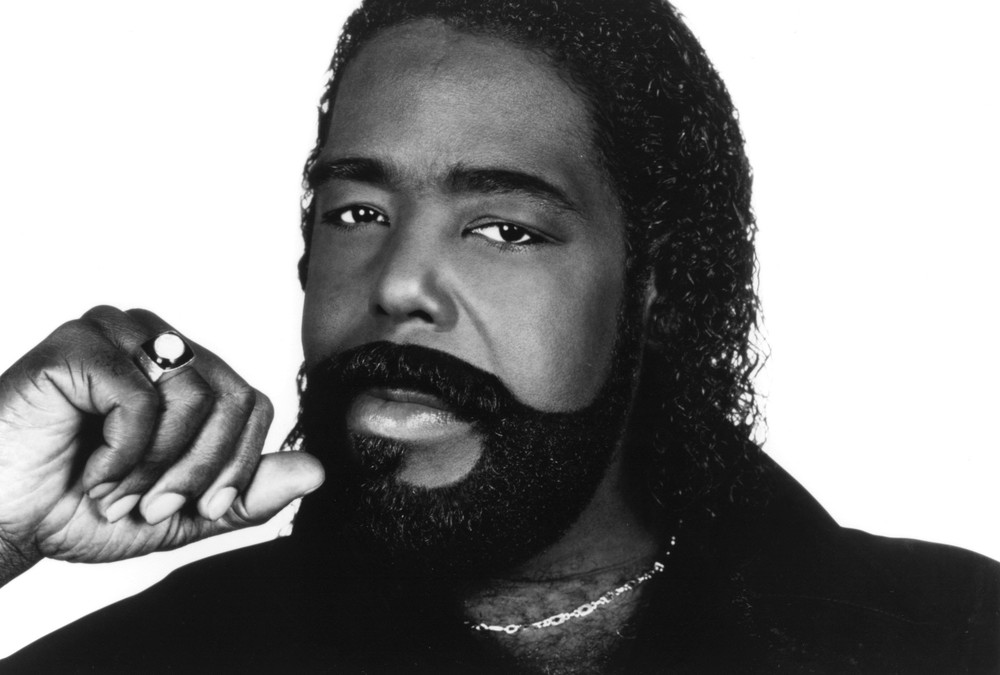
Barry White
Philly Soul
Disco
Soul
4
/5
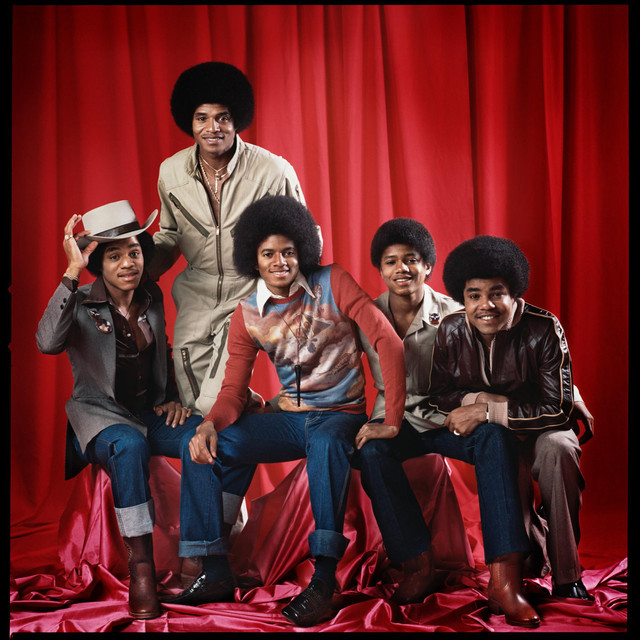
The Jacksons
Philly Soul
Disco
Chill Pop
4
/5
Marvin Gaye
Motown
Soul
Northern Soul
1
/5
Various Artists
Afro-Funk
Alternative Rock
Ambient
5
/5
Michael Jackson
Soul
Pop
Contemporary R&b
4
/5
Teddy Pendergrass
Soul
Philly Soul
Pop
3
/5
The Stylistics
Philly Soul
Pop Soul
Smooth Soul
3
/5
The O'Jays
Philly Soul
Soul
Disco
4
/5
Earth, Wind & Fire
Disco
Funk
Soul
4
/5
Stevie Wonder
Soul
Funk
Motown
Download our mobile app
Get the Melodigging app and start digging for new genres on the go
Download on the App Store
Get it on Google Play
© 2026 Melodigging
Give feedback
Legal
Melodding was created as a tribute to
Every Noise at Once
, which inspired us to help curious minds keep digging into music's ever-evolving genres.