Genres
Artists
Albums
Make Music
Sign in
Sign in
Artists
Traditional Music
Artists
Traditional Music
Sekehe Gong Werdhi Budaya
1997
·
1 album
Listen
1
/5
Genres
Traditional Music
Traditional music is an umbrella term used in the mid–20th century by folklorists and ethnomusicologists to denote community-rooted, orally transmitted repertoires tied to social ritual, work, celebration, and storytelling. Unlike commercial pop or art-music traditions, traditional music is typically learned by ear, varies regionally, and evolves slowly through communal participation. It often features modal melodies, cyclic rhythms, heterophony or unison singing, and indigenous instruments whose timbres are integral to local identity. Lyrics tend to preserve language, history, and collective memory. While the musical practices themselves can be ancient, the phrase “traditional music” emerged to replace earlier, narrower or colonial framings like “folk” or “ethnic” music, foregrounding continuity, locality, and living practice rather than exoticism.
Discover
Listen
Balinese Traditional
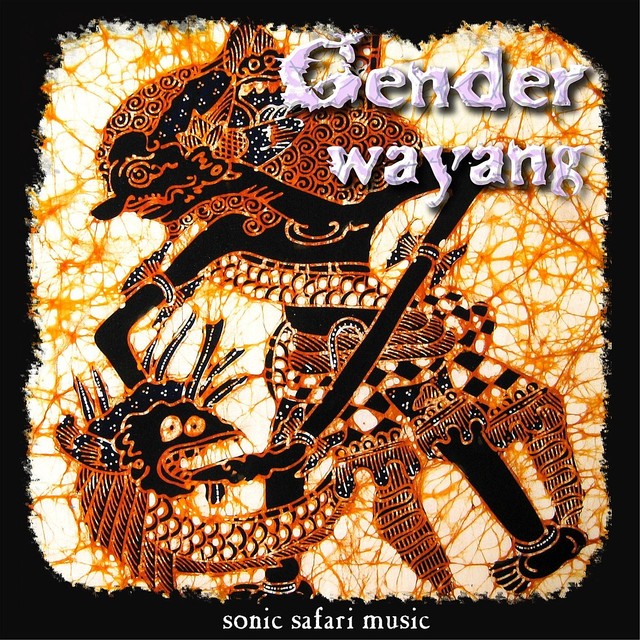
Balinese traditional music refers to the ritual, courtly, and community-based musical arts of Bali, Indonesia, centered on diverse gamelan ensembles and vocal-ritual practices. It is distinguished by brilliant bronze sonorities, interlocking (kotekan) figurations, paired-tuned instruments that create a living “shimmer” (ombak), and a powerful colotomic gong cycle. Within this umbrella are ancient ceremonial ensembles (e.g., Selonding), refined court genres (Semar Pegulingan, Gong Gede), gender wayang for shadow theater, bamboo orchestras (Joged Bumbung, Jegog), dynamic modern idioms like Gong Kebyar, and trance-chant forms (e.g., Sanghyang and the later stage form Kecak). Music is inseparable from temple cycles, dance-drama, and communal life, with the drum leader (kendang) cueing phrasing, dynamics, and dance-musical accents (angsel).
Discover
Listen
Gong
Gong is a broad Southeast Asian ensemble tradition centered on bronze gongs and gong-chimes. It is heard most vividly in Indonesia (Java, Bali, Sunda), the Philippines (kulintang areas of Mindanao and the Sulu Archipelago), and parts of Borneo and Sumatra. Ensembles are organized around cyclical time marked by large hanging gongs, with layers of interlocking gong-chimes and metallophones creating stratified heterophony. In Indonesia this includes sléndro and pélog tuning systems, colotomic cycles (from brief ketawang to expansive gendhing), and virtuosic interlocking figurations (kotekan in Bali). In the Philippines, kulintang idioms feature an improvising lead gong-chime supported by larger gongs and drum. Functions range from courtly ceremony and temple ritual to dance, theater, community rites of passage, and modern stage performance. The idiom is at once ancient and continuously renewing, embracing new compositions, theatrical forms, and pedagogies while preserving local lineages and tunings.
Discover
Listen
Albums
1997
Balinese Traditional Music: Gong Dewa Yadnya (Live Recording At Kesiut Vilage, Tabanan - Bali)
Sekehe Gong Werdhi Budaya
Gong
Balinese Traditional
Similar artists
2
/5
Gong Padma Kencana
Gamelan Gong Gede
Gong
Traditional Music
1
/5
Stsi Denpasar
Traditional Music
Balinese Traditional
Gamelan Gong Kebyar
1
/5
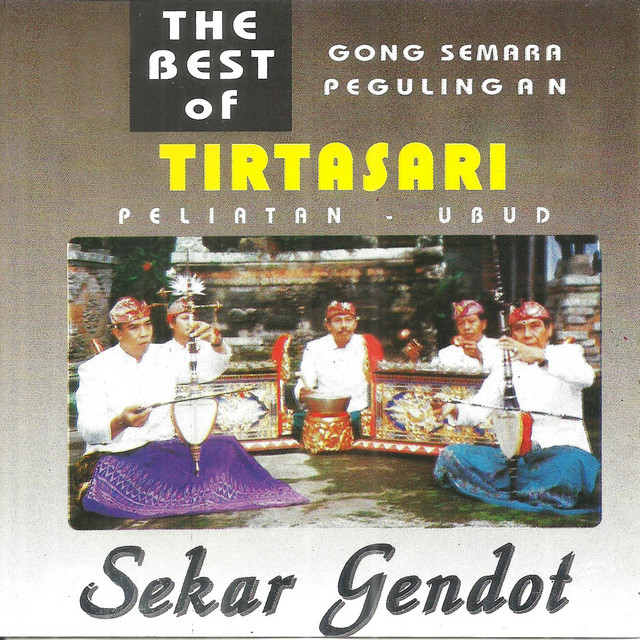
Tirta Sari Peliatan Ubud
Gong
Traditional Music
Balinese Traditional
1
/5
Terompong beruk
Traditional Music
Balinese Gamelan
Balinese Music
1
/5
Bharata Muni Sading
Traditional Music
Balinese Traditional
Gamelan Gong Kebyar
1
/5
Gong kebyar
Balinese Traditional
Gong
Traditional Music
1
/5
Gong Kebyar De Sebatu
Gong
Traditional Music
Balinese Gamelan
1
/5
Gamelan Gong Kebjar
Traditional Music
Balinese Gamelan
Balinese Traditional
1
/5
Gamelan Angklung
Traditional Music
Balinese Gamelan
Balinese Traditional
4
/5
Traditional
Gregorian Chant
Classical
Spanish Classical Music
Download our mobile app
Get the Melodigging app and start digging for new genres on the go
Download on the App Store
Get it on Google Play
© 2026 Melodigging
Give feedback
Legal
Melodding was created as a tribute to
Every Noise at Once
, which inspired us to help curious minds keep digging into music's ever-evolving genres.