Genres
Artists
Albums
Make Music
Sign in
Sign in
Artists
Mexican Hip Hop
Artists
Mexican Hip Hop
Santa Fe Klan
2019–2021
·
3 albums
Listen
4
/5
Genres
Corridos Adictivos
Corridos adictivos is a marketing-driven microstyle within contemporary regional Mexican music built on “addictive” hooks, brisk two‑step grooves, and compact, stream‑optimized song forms. It fuses the narrative DNA of traditional corridos with the immediacy of pop and trap-era arrangement tactics: short intros, instantly memorable requinto/tuba riffs, repeatable vocal tags, and choruses crafted to stick after one listen. Instrumentation usually comes from sierreño or norteño/banda lineups (requinto or 12‑string lead guitar, rhythm guitar, tuba or electric bass, and sometimes snare/kit or tololoche), but the delivery, pacing, and branding target TikTok and playlist culture. Lyrically it spans aspirational street narratives, hustle and luxury signifiers, crew shout‑outs, and coded slang—adjacent to corridos tumbados and corridos bélicos—yet it prioritizes catchiness over long-form storytelling.
Discover
Listen
Electro Corridos
Electro corridos (often styled as electrocorridos, electro bélico, or house belicón) fuse the narrative songwriting, vocal delivery, and melodic motifs of Mexican corridos with modern electronic dance production. Hallmarks include four-on-the-floor or syncopated club drums, sidechained bass lines that mirror traditional tuba/tololoche figures, bright synth leads echoing requinto/accordion riffs, and drop-focused arrangements. While lyrics retain corridos’ storytelling—romance, street life, hustle, regional pride—the sound is engineered for clubs and festivals, sitting at the crossroads of Regional Mexicano and EDM/house culture.
Discover
Listen
Sad Sierreno
Sad sierreño is a Gen-Z wave within Regional Mexicano that emphasizes intimate, melancholic guitar trios, confessional lyrics, and bedroom-pop aesthetics. It retains the core sierreño instrumentation—lead 12‑string requinto, rhythm guitar, and bass—while softening dynamics, slowing tempos, and foregrounding close‑miked vocals soaked in light reverb. Lyrically it fixates on heartbreak, loneliness, youthful yearning, and bittersweet nostalgia. Musically it often toggles between bolero/vals sierreño feels in minor keys and sparse 4/4 ballads, letting fingerpicked arpeggios and melodic requinto runs carry the emotional weight. The sound rose with U.S. Mexican-American youth, using social media virality to merge traditional sierreño with lo‑fi/indie sensibilities.
Discover
Listen
Dembow Belico
Dembow bélico is a recent crossover of the Dominican dembow rhythm with the lyrical aesthetics and sonic signifiers of Mexico’s corridos bélicos and broader regional mexicano. It keeps dembow’s relentless, syncopated, club-ready percussion, but injects “bélico” (warlike) storytelling, slang, and iconography drawn from the corridos world. Producers typically fuse fast dembow drums, sirens, and chopped vocal shots with Mexican regional elements like tuba stabs, sierreño/12‑string guitar riffs, and banda-style brass hits. The result is a high-energy, gritty, and party-oriented sound that also carries the bravado and conflict-laced narratives characteristic of corridos bélicos.
Discover
Listen
Techengue
Techengue is a DJ-driven Latin club hybrid that fuses the four-on-the-floor pulse and sound design of tech house with the crowd-pleasing hooks, dembow syncopation, and edits culture of Argentine “cachengue” party music (a catch‑all for reggaeton, cumbia, and mainstream sing‑alongs). Typically sitting around 124–130 BPM, it keeps a steady 4/4 kick, adds reggaeton-style offbeat claps and ghost snares, and sprinkles Latin percussion (congas, timbales, güira) for swing and texture. Vocals are often short, catchy Spanish chants or chopped acapellas from pop, reggaeton, or cumbia, treated with DJ-friendly builds and drops. Rather than an album-based artist scene, techengue grows through bootlegs, mashups, and set-ready edits shared by club DJs, optimized for peak-time energy and seamless mixing.
Discover
Listen
Flamenco Urbano
Flamenco urbano is a contemporary Spanish fusion that blends core elements of flamenco—cante jondo vocal timbre, palmas handclaps, rasgueado and picado guitar, cajón, and the Andalusian cadence—with modern urban production such as reggaeton dembow, trap 808s, hip‑hop sampling, and R&B toplines. Compared with the earlier nuevo flamenco, which often merged flamenco with jazz, rock, and pop, flamenco urbano is explicitly grounded in post-2010s urban idioms and streaming-era aesthetics. It often features autotuned melisma, loop-based harmonies, processed claps, sparse bass-forward beats, and lyrics that pivot between street realism, romance, pride, and cultural identity. The result is music that can be club-ready and rhythmically infectious while retaining the emotive intensity and ornamentation of flamenco.
Discover
Listen
Gogeo
Gogeo is a high-energy Latin-electronic club microgenre that emerged from the Mexican underground party and car-audio scenes. It is characterized by a fusion of Guaracha-style lead riffs, Tribal Guarachero percussion, and aggressive EDM drops, all underpinned by oversized sub-bass frequencies designed to rattle car sound systems. The aesthetic bridges the gap between festival-ready Electro-Latin energy and the raw, bass-heavy functionalism of street party music, often featuring catchy Spanish vocal chops and metallic synth textures.
Discover
Listen
Reggaeton Chileno
Reggaeton chileno is the Chilean iteration of urbano built on the classic dembow pulse, but colored by local slang, DIY internet aesthetics, and frequent crossover with Latin trap and pop. The style keeps reggaeton’s dance‑floor focus while alternating between glossy, melodic hooks and grittier street energy. Chilean artists often rap‑sing with heavy autotune over minimal, sub‑driven beats, blending romantic themes with barrio pride and club culture. From neoperreo’s avant‑club experiments to radio‑ready hits, the scene is both online‑native and chart‑minded, reflecting Chile’s vibrant, collaborative urbano ecosystem.
Discover
Listen
Reggaeton Mexa
Reggaeton mexa is the Mexican take on reggaetón, fusing the classic dembow pulse with local slang, humor, and references to Mexican youth culture. It leans on viral, dance‑oriented hooks and streetwise storytelling, often delivered with bold, tongue‑in‑cheek bravado. Beyond straight perreo, producers and artists frequently blend elements from regional mexicano and cumbia with modern urbano textures (808s, crisp claps, autotune‑forward vocals). The result is a distinctly Mexican club sound that thrives on social media, parties, and neighborhood scenes in Mexico City, Monterrey, and Guadalajara.
Discover
Listen
Reparto
Reparto is a contemporary Cuban urban dance genre that grew out of Havana’s neighborhood (“el reparto”) party circuits. It is built for high-energy street dancing, emphasizing syncopated, loop-based rhythms, shouted hooks, and a raw, percussive low-end that often feels closer to club-ready reggaeton than to traditional Cuban pop. A distinctive trait is the incorporation of Cuban music elements—especially salsa-derived rhythmic language and, in many productions, salsa-like guitar picking patterns that add a bright, montuno-adjacent drive over modern drum programming. Vocals typically alternate between rap-style delivery, call-and-response chants, and catchy repeated slogans designed for crowd participation.
Discover
Listen
Trap Latino
Trap latino (Latin trap) is a Spanish-language offshoot of Southern U.S. trap that fuses the dark, bass-heavy aesthetics of trap with the rhythmic DNA and songwriting sensibilities of the Latin urbano spectrum (reggaeton, dembow, Latin hip hop). Beats typically sit around 70–75 BPM (or 140–150 BPM double-time), driven by sliding 808 bass lines, skittering hi-hat rolls, and crisp snares/claps. Vocals range from gritty rap to heavily Auto-Tuned, melodic hooks, often delivered in Spanish or Spanglish. Lyrical themes oscillate between street realism, romance, hedonism, and introspection, with production palettes favoring minor keys, eerie pads, bell/pluck motifs, and space that lets low-end energy shine. Born in Puerto Rico mid-2010s, the style quickly crossed into the broader Latin urbano market and global pop, reshaping the sound of contemporary Latin music and catalyzing crossovers with regional Mexican, pop, and reggaeton scenes.
Discover
Listen
Urbano Mexicano
Urbano mexicano is the Mexican take on Latin urban music, blending reggaeton’s dembow pulse and trap’s 808 heaviness with Spanish lyrics, Mexican slang, and local storytelling. It favors sleek, dance‑ready productions, sing‑rap toplines, and catchy hooks designed for streaming and social platforms. Themes span party and romance to barrio life and digital‑age swagger, often flipping between melodic crooning and percussive rap cadences. While globally aligned with urbano latino, its sonic palette and cultural references anchor it distinctly in Mexico’s youth culture.
Discover
Listen
Corrido Tumbado
Corrido tumbado (sometimes called trap corrido) is a contemporary fusion of the traditional Mexican corrido with trap and hip hop aesthetics. It preserves acoustic, sierreño-style instrumentation—lead requinto guitar, rhythm guitar (often 12‑string), and tololoche or tuba—while adopting modern rhythmic feels, flows, and production habits from trap: half‑time grooves, skittering hi‑hats, 808 sub‑bass layers, ad‑libs, and light Auto‑Tune. Lyrically, it updates the corrido’s narrative tradition with first‑person storytelling about hustle, street life, migration, romance, luxury brands, and cannabis culture, frequently delivered with contemporary Mexican slang and occasional Spanglish. The result is a laid‑back yet gritty sound that bridges Regional Mexicano and global urban music cultures.
Discover
Listen
Classify
Classify is a streaming-era microgenre that blends light classical technique with contemporary pop repertoire, typically presented as unobtrusive instrumental covers. It prioritizes soft dynamics, gentle tempos, and intimate recording to create a calm, elegant backdrop suitable for studying, working, or events. Most arrangements are for solo piano, string quartet, cello/piano duos, or small chamber ensembles. Harmonies remain diatonic and consonant, melodies are clearly voiced, and textures favor arpeggios, ostinati, and sustained legato lines. The overall aesthetic borrows from modern classical and new age moods while retaining the familiarity of pop song forms.
Discover
Listen
Rkt
RKT is a high‑energy Argentine take on urbano dance music that hardens the classic dembow/reggaeton pulse with the punch and party ethos of local cumbia scenes. It favors minimal, rhythm‑centric beats, heavy 808s, crisp kick‑snare patterns, and crowd‑hyping FX such as sirens, brass stabs, and risers. Vocals typically come in short, hooky chants and straightforward verses delivered in street‑level Spanish slang, designed for immediate dance‑floor and social‑media impact. Sonically it sits between reggaeton, DJ edit culture and Argentine cumbia (especially the villera tradition), keeping arrangements lean so the groove and drops hit as hard as possible.
Discover
Listen
Turreo
Turreo is a contemporary Argentine urban dance style that fuses reggaeton/dembow rhythms with the street-oriented energy of local RKT and the timbres of cumbia villera. Typically set around 90–105 BPM, it features punchy dembow drums, aggressive tom fills, sirens, and bright saw/pluck leads riding simple, catchy minor-key chord loops. Vocals lean on Argentine lunfardo slang and barrio storytelling—alternating between party, flirtation, and rough-edged romance—delivered with a direct, chantable flow designed for the dance floor. Aesthetically, turreo is raw, loud, and hook-driven. Its sound coalesced in Buenos Aires’ conurbano through DJs and MCs who shaped the vibe via YouTube, TikTok, club edits, and collaborative “sessions,” making it a defining strand of Argentina’s 2020s urbano wave.
Discover
Listen
Black Americana
Black Americana is a contemporary umbrella genre that centers Black artists within the traditions of Americana (roots-based U.S. music such as folk, country, blues, gospel, and soul). It often blends acoustic storytelling and roots instrumentation with Black musical lineages, highlighting themes of migration, labor, faith, resilience, love, and social justice. Rather than a single fixed sound, it is a scene and framing that reconnects “Americana” to its multiracial roots while pushing the style forward with modern production, R&B/soul phrasing, and genre-crossing songwriting.
Discover
Listen
Musica Urbana Oaxaquena
Musica urbana oaxaqueña (Oaxacan urban music) is a contemporary, grassroots blend of Latin urban styles—reggaeton, Latin trap, dancehall and hip‑hop—with regional sounds and languages from the state of Oaxaca, Mexico. It often mixes Spanish with Indigenous languages such as Zapotec, Mixtec, Mixe, Mazatec, and Triqui, foregrounding local identity alongside global club aesthetics. Production typically marries dembow or halftime trap drums with timbres and melodic turns inspired by Oaxacan brass band traditions (bandas de viento), chilena costeña (6/8–3/4 hemiola swing), son istmeño motifs, and cumbia keyboards or guitars. Lyrically, it ranges from party and romance to migration, pride, and community narratives tied to fiestas patronales, tequio (communal work), and Oaxacan diasporic life.
Discover
Listen
Cumbia Pop
Cumbia pop is a contemporary, radio-friendly take on cumbia that emerged in the Southern Cone during the 2010s. It blends the characteristic cumbia groove with glossy pop songwriting, bright synths, and clean, dance-pop production. Often nicknamed "cumbia cheta" in the Río de la Plata region, the style favors major-key hooks, chanted refrains, and romantic or party-themed lyrics aimed at teens and young adults. Tempos typically sit around 95–110 BPM, arrangements are concise and chorus-focused, and acoustic instruments (güira, congas, guitar, accordion) are layered with modern electronic elements for a feel-good, celebratory sound. The result is a polished, accessible crossover that carries cumbia’s infectious rhythm into the world of mainstream pop and streaming-era virality.
Discover
Listen
Argentine Trap
Argentine trap is the Southern Cone’s spin on Latin trap and contemporary hip hop, forged by a generation raised on freestyle battles, YouTube, and low‑cost bedroom production. It blends the half‑time bounce of trap (heavy 808s, rattling hi‑hats, gliding bass) with Rioplatense Spanish, lunfardo slang, melodic Auto‑Tune hooks, and pop‑ready refrains. Compared with Puerto Rican and U.S. Latin trap, the Argentine branch often pivots between braggadocio and introspective, romantic, or melancholic storytelling, and it freely cross‑pollinates with reggaeton and pop to reach massive mainstream audiences.
Discover
Listen
Movimiento Alterado
Movimiento alterado is a contemporary offshoot of the Mexican corrido tradition that foregrounds hyper-violent, adrenaline-charged storytelling and hard-hitting, brass- or guitar-led arrangements. It is closely tied to the "corridos alterados" wave, in which first‑person narratives, military jargon, and explicit depictions of cartel life are delivered with swaggering vocals and propulsive rhythms. Musically, the style draws on banda sinaloense and norteño/sierreño instrumentations: blasting tambora and tarola (snare), tuba bass lines, and tight trumpet/trombone/clarinet riffs on the banda side; or rapid 12‑string guitar (requinto), accordion, and bass/tuba on the sierreño/norteño side. Harmonies are typically bright and functional (I–IV–V), while the feel is often polka‑like two‑step. Production emphasizes loud, saturated brass and percussion, catchy unison riffs, and breakneck fills that amplify the lyrical bravado. Culturally, movimiento alterado was propelled by labels and promoters who packaged and marketed the sound and image—dark attire, tactical aesthetics, and viral videos—toward Mexican and Mexican‑American audiences, especially across Sinaloa, Sonora, and the Los Angeles diaspora.
Discover
Listen
Mexican Hip Hop
Mexican hip hop is the localized expression of hip hop culture in Mexico, blending classic rap foundations with regional musical colors and Spanish-language lyricism. It encompasses MCing, DJing, graffiti, and breakdance, but its recorded output is defined by gritty storytelling, street realism, wordplay, and a mix of boom-bap, G-funk, trap, and hybrid beats. Stylistically, it often incorporates rhythmic and melodic ideas from regional Mexican idioms and Latin genres—occasionally sampling or referencing cumbia, norteño, banda, or mariachi—while maintaining core hip hop traits like punchy drums, bass-forward mixes, and bar-centric flows. The scene ranges from hardcore and battle-rap aesthetics to radio-friendly hooks and crossovers with rock and regional styles.
Discover
Listen
Latin Hip Hop
Latin hip hop is a hip hop movement driven by Latino and Latin American diasporic communities, blending classic rap aesthetics with Latin rhythms, language, and cultural references. It often features bilingual (Spanish–English/Spanglish) lyricism, sampling and instrumentation that draw from salsa, merengue, cumbia, boogaloo, and funk, and production styles that range from boom‑bap and G‑funk to Miami bass, Southern bounce, and modern trap. Thematically, it spans identity, immigration, barrio life, pride, social commentary, and party culture, balancing gritty street narratives with celebratory hooks and chantable coros. Regional scenes in Los Angeles, New York, and Miami were foundational, later spreading across Puerto Rico, Mexico, and the rest of Latin America, and ultimately converging with the wider “urbano” ecosystem (including reggaeton and Latin trap).
Discover
Listen
Cumbia Mexicana
Cumbia mexicana is the Mexican adaptation of Colombian cumbia, reshaped by local tropical orchestras, border accordion traditions, and urban DJ (sonidero) culture. It typically features a steady 2/4 cumbia groove, melodic accordion or organ riffs, bright brass lines, and romantic or festive lyrics. Over time it diversified into regional styles such as cumbia sonidera (Mexico City), cumbia norteña (northern Mexico with accordion-driven arrangements), and the slowed-down cumbia rebajada (Monterrey DJ culture), while also crossing over into grupera and banda contexts. Today it is a cornerstone of Mexico’s popular dance music, equally at home in neighborhood parties, massive sonidero sound-system dances, and pop collaborations.
Discover
Listen
Show all 24 genres
Albums
2021
1
/5
Santa cumbia
Santa Fe Klan
Cumbia Mexicana
2020
3
/5
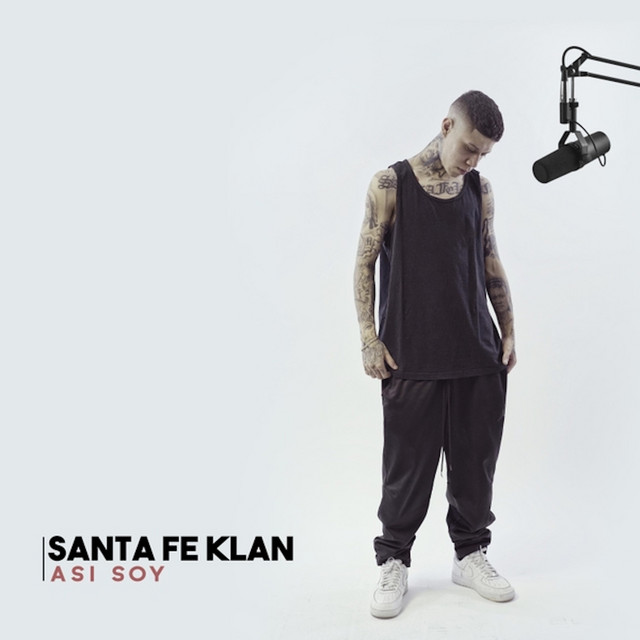
Así Soy
Santa Fe Klan
Mexican Hip Hop
2019
3
/5
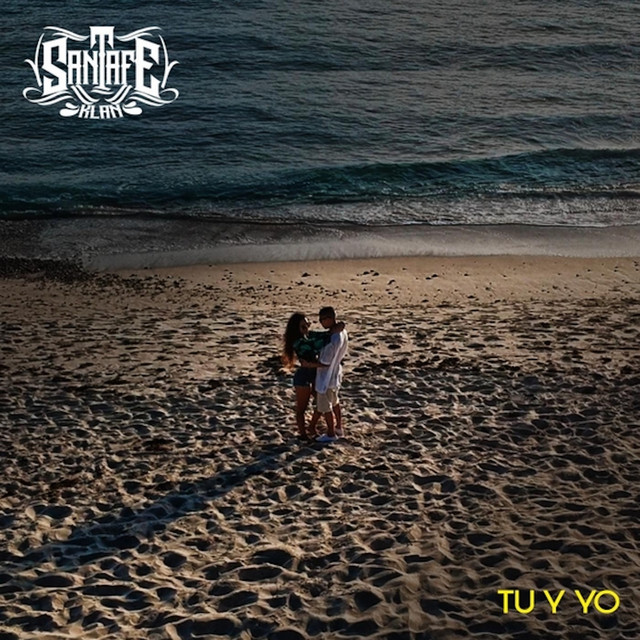
Tu Y Yo
Santa Fe Klan
Mexican Hip Hop
Latin Hip Hop
Similar artists
4
/5
Nanpa Básico
Mexican Hip Hop
Latin Hip Hop
Flamenco Urbano
5
/5
Don Omar
Reggaeton
Latin Hip Hop
Electro Latino
4
/5
Tego Calderón
Reggaeton
Latin Hip Hop
Flamenco Urbano
5
/5
Cartel De Santa
Mexican Hip Hop
Latin Hip Hop
Chicano Rap
4
/5
Gera MX
Latin Hip Hop
Mexican Hip Hop
Corridos Alternativos
4
/5
Alemán
Latin Hip Hop
Mexican Hip Hop
Corridos Alternativos
5
/5
Daddy Yankee
Reggaeton
Latin
Latin Hip Hop
5
/5
Nicky Jam
Reggaeton
Latin
Latin Hip Hop
4
/5
Cosculluela
Latin Hip Hop
Previa
Reggaeton
4
/5
Millonario
Mexican Hip Hop
Latin Hip Hop
Reggaeton Mexa
Download our mobile app
Get the Melodigging app and start digging for new genres on the go
Download on the App Store
Get it on Google Play
© 2026 Melodigging
Give feedback
Legal
Melodding was created as a tribute to
Every Noise at Once
, which inspired us to help curious minds keep digging into music's ever-evolving genres.