Your digging level
Description
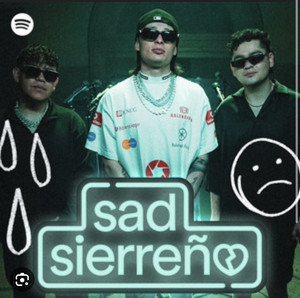
Sad sierreño is a Gen-Z wave within Regional Mexicano that emphasizes intimate, melancholic guitar trios, confessional lyrics, and bedroom-pop aesthetics. It retains the core sierreño instrumentation—lead 12‑string requinto, rhythm guitar, and bass—while softening dynamics, slowing tempos, and foregrounding close‑miked vocals soaked in light reverb.
Lyrically it fixates on heartbreak, loneliness, youthful yearning, and bittersweet nostalgia. Musically it often toggles between bolero/vals sierreño feels in minor keys and sparse 4/4 ballads, letting fingerpicked arpeggios and melodic requinto runs carry the emotional weight. The sound rose with U.S. Mexican-American youth, using social media virality to merge traditional sierreño with lo‑fi/indie sensibilities.
History
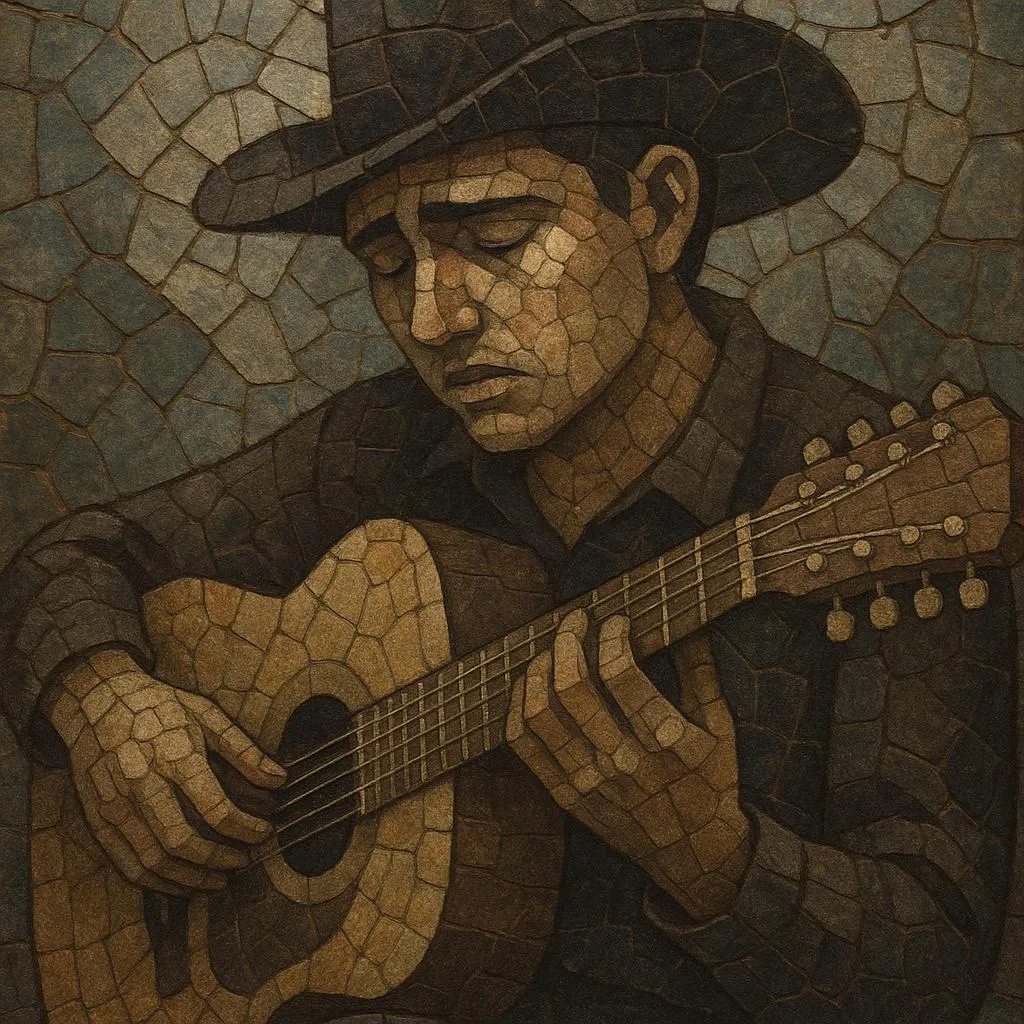
Sierreño itself developed as a guitar-centric branch of Regional Mexicano, using a lead requinto (often a 12‑string) to spin agile melodic figures over strummed accompaniment. Earlier romantic sierreño ballads and bolero ranchero traditions established the template for intimate, guitar-led storytelling.
In the late 2010s and especially the early 2020s, a new cohort of Mexican-American artists in California began crafting slower, minor‑key sierreño ballads with diaristic lyrics and restrained production. Posting snippets on TikTok, YouTube, and streaming platforms, they reframed sierreño as a space for vulnerable, coming‑of‑age confession rather than bravado or party narratives.
By the early 2020s, the sound had coalesced: clean, warm acoustic guitars; modest mix bus compression; airy vocal reverbs; and melodic requinto interludes. Influences from bedroom pop, lo‑fi indie, and even emo seeped into harmonic choices and topline phrasing. The style charted internationally under the broader “Regional Mexicano” umbrella, demonstrating how a rooted, traditional format could thrive in a digital-native, bilingual youth culture.
Sad sierreño continues to evolve alongside adjacent currents like sierreño romántico and sierreño tumbado. It has broadened representation—more women-led guitar trios and soloists—and normalized a softer, introspective register within Regional Mexicano while keeping the classic guitar trio at its heart.