Your digging level
Description
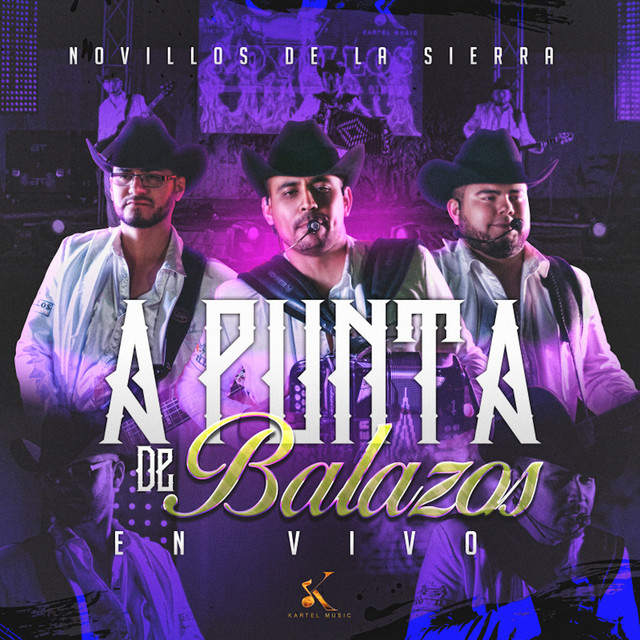
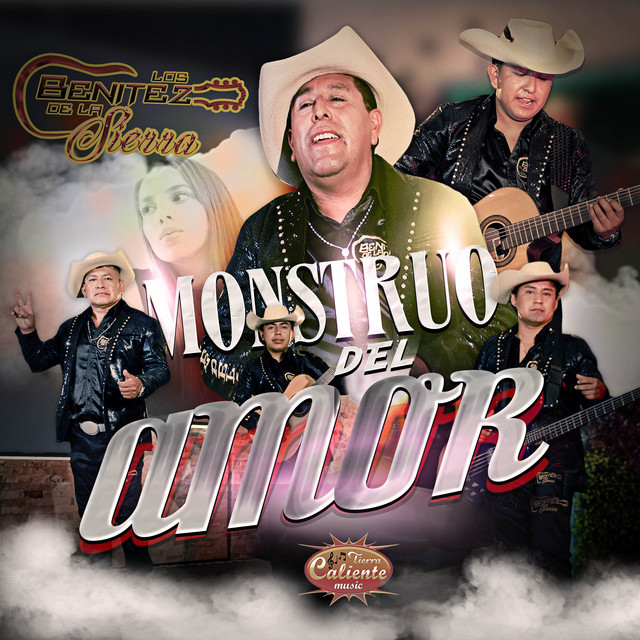
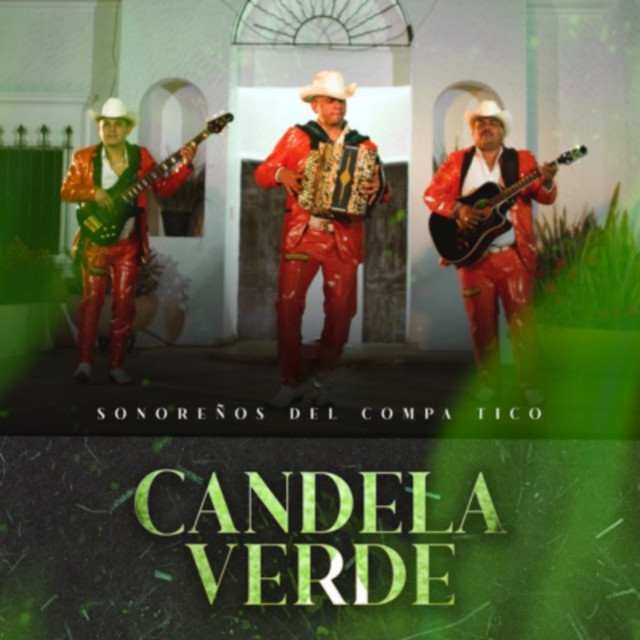
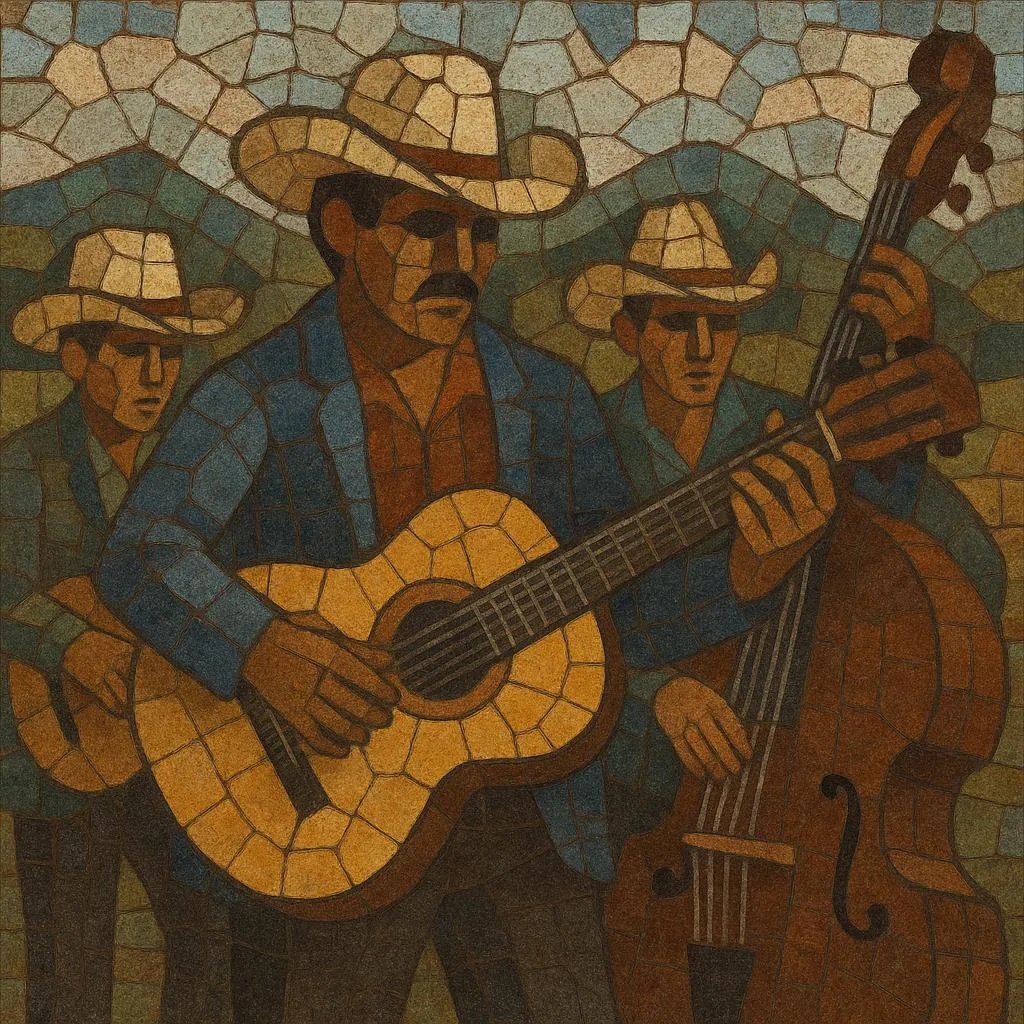
Classic sierreño is a traditional branch of regional mexicano built around small, guitar‑led ensembles from the mountainous northwestern states of Mexico. The core sound features bright, ringing 12‑string guitar (guitarra de 12) interlocking with requinto lead lines and a low acoustic bass voice (tololoche or guitar‑bass), supporting tight, close‑harmony singing.
Repertoire mixes romantic canciones and ranchera‑style waltzes with narrative corridos and brisk polkas. Compared with later, more amplified or hybrid sierreño variants, the classic approach stays largely acoustic, intimate, and rural in feel, favoring transparent arrangements, steady dance grooves, and emotive, story‑forward lyrics.
History
Sierreño performance practice grew out of rural guitar traditions in Mexico’s northwest (especially Sinaloa, Durango, Nayarit, and Chihuahua), where duos and trios blended corrido storytelling with ranchera balladry and Germanic dance rhythms picked up via norteño and banda circles. By the 1980s, a recognizable small‑ensemble format—12‑string rhythm guitar, requinto lead, and acoustic bass (often tololoche)—coalesced, along with close two‑ and three‑part vocal harmonies.
Independent labels and regional radio in the 1990s helped standardize what is now called classic sierreño: largely acoustic productions, prominent strummed 12‑string textures, melodically ornate requinto breaks, and steady polka/waltz cadences. Artists circulated cassettes and CDs through tienditas and swap meets across northern Mexico and Mexican‑American communities in the U.S., popularizing both romantic and corrido songbooks.
Classic sierreño arrangements tend to be transparent: voice up front, rhythm guitar chug providing propulsion, bass anchoring simple two‑beat (polka) or lilting three‑beat (waltz/ranchera) feels, and the requinto weaving expressive fills and short solos. Lyrics favor rural life, love and heartbreak, and narrative portraits—delivered in tight, emotive harmonies.
The style paved the way for modern sierreño variants that added tuba, drum kit, or crossover production, and for contemporary corrido waves. Even as newer fusions emerged, classic sierreño remains a touchstone for acoustic authenticity, informing “sad sierreño” balladry, classic corrido revivals, and the broader regional mexicano sound on both sides of the border.