Genres
Artists
Albums
Make Music
Sign in
Sign in
Artists
Mexican Hip Hop
Artists
Mexican Hip Hop
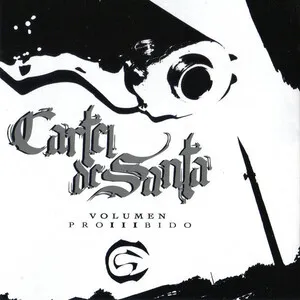
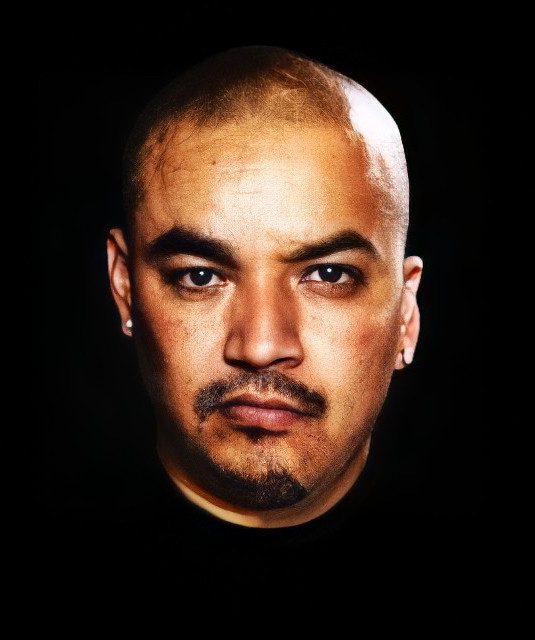
Cartel De Santa
2002–2020
·
12 albums
Listen
5
/5
Genres
Corridos Adictivos
Corridos adictivos is a marketing-driven microstyle within contemporary regional Mexican music built on “addictive” hooks, brisk two‑step grooves, and compact, stream‑optimized song forms. It fuses the narrative DNA of traditional corridos with the immediacy of pop and trap-era arrangement tactics: short intros, instantly memorable requinto/tuba riffs, repeatable vocal tags, and choruses crafted to stick after one listen. Instrumentation usually comes from sierreño or norteño/banda lineups (requinto or 12‑string lead guitar, rhythm guitar, tuba or electric bass, and sometimes snare/kit or tololoche), but the delivery, pacing, and branding target TikTok and playlist culture. Lyrically it spans aspirational street narratives, hustle and luxury signifiers, crew shout‑outs, and coded slang—adjacent to corridos tumbados and corridos bélicos—yet it prioritizes catchiness over long-form storytelling.
Discover
Listen
Dembow Belico
Dembow bélico is a recent crossover of the Dominican dembow rhythm with the lyrical aesthetics and sonic signifiers of Mexico’s corridos bélicos and broader regional mexicano. It keeps dembow’s relentless, syncopated, club-ready percussion, but injects “bélico” (warlike) storytelling, slang, and iconography drawn from the corridos world. Producers typically fuse fast dembow drums, sirens, and chopped vocal shots with Mexican regional elements like tuba stabs, sierreño/12‑string guitar riffs, and banda-style brass hits. The result is a high-energy, gritty, and party-oriented sound that also carries the bravado and conflict-laced narratives characteristic of corridos bélicos.
Discover
Listen
Reparto
Reparto is a contemporary Cuban urban dance genre that grew out of Havana’s neighborhood (“el reparto”) party circuits. It is built for high-energy street dancing, emphasizing syncopated, loop-based rhythms, shouted hooks, and a raw, percussive low-end that often feels closer to club-ready reggaeton than to traditional Cuban pop. A distinctive trait is the incorporation of Cuban music elements—especially salsa-derived rhythmic language and, in many productions, salsa-like guitar picking patterns that add a bright, montuno-adjacent drive over modern drum programming. Vocals typically alternate between rap-style delivery, call-and-response chants, and catchy repeated slogans designed for crowd participation.
Discover
Listen
Classify
Classify is a streaming-era microgenre that blends light classical technique with contemporary pop repertoire, typically presented as unobtrusive instrumental covers. It prioritizes soft dynamics, gentle tempos, and intimate recording to create a calm, elegant backdrop suitable for studying, working, or events. Most arrangements are for solo piano, string quartet, cello/piano duos, or small chamber ensembles. Harmonies remain diatonic and consonant, melodies are clearly voiced, and textures favor arpeggios, ostinati, and sustained legato lines. The overall aesthetic borrows from modern classical and new age moods while retaining the familiarity of pop song forms.
Discover
Listen
Musica Urbana Oaxaquena
Musica urbana oaxaqueña (Oaxacan urban music) is a contemporary, grassroots blend of Latin urban styles—reggaeton, Latin trap, dancehall and hip‑hop—with regional sounds and languages from the state of Oaxaca, Mexico. It often mixes Spanish with Indigenous languages such as Zapotec, Mixtec, Mixe, Mazatec, and Triqui, foregrounding local identity alongside global club aesthetics. Production typically marries dembow or halftime trap drums with timbres and melodic turns inspired by Oaxacan brass band traditions (bandas de viento), chilena costeña (6/8–3/4 hemiola swing), son istmeño motifs, and cumbia keyboards or guitars. Lyrically, it ranges from party and romance to migration, pride, and community narratives tied to fiestas patronales, tequio (communal work), and Oaxacan diasporic life.
Discover
Listen
Bytebeat
Bytebeat is a minimalist form of algorithmic music in which very short computer programs (often a single arithmetic expression) generate raw PCM audio directly. It typically uses 8-bit integer math and a running time counter t to produce harsh, glitchy, melody-like patterns, rhythms, and textures through bitwise operations, shifts, modular arithmetic, and simple integer multiplications. The aesthetic sits between chiptune timbres and noise art: crunchy aliasing, stepping waveforms, and emergent structure arise from extremely compact code. First popularized online in 2011, bytebeat is as much a programming puzzle as it is a musical style, celebrated for revealing how complex musical behaviors can emerge from ultra-simple rules.
Discover
Listen
Mexican Hip Hop
Mexican hip hop is the localized expression of hip hop culture in Mexico, blending classic rap foundations with regional musical colors and Spanish-language lyricism. It encompasses MCing, DJing, graffiti, and breakdance, but its recorded output is defined by gritty storytelling, street realism, wordplay, and a mix of boom-bap, G-funk, trap, and hybrid beats. Stylistically, it often incorporates rhythmic and melodic ideas from regional Mexican idioms and Latin genres—occasionally sampling or referencing cumbia, norteño, banda, or mariachi—while maintaining core hip hop traits like punchy drums, bass-forward mixes, and bar-centric flows. The scene ranges from hardcore and battle-rap aesthetics to radio-friendly hooks and crossovers with rock and regional styles.
Discover
Listen
Latin Hip Hop
Latin hip hop is a hip hop movement driven by Latino and Latin American diasporic communities, blending classic rap aesthetics with Latin rhythms, language, and cultural references. It often features bilingual (Spanish–English/Spanglish) lyricism, sampling and instrumentation that draw from salsa, merengue, cumbia, boogaloo, and funk, and production styles that range from boom‑bap and G‑funk to Miami bass, Southern bounce, and modern trap. Thematically, it spans identity, immigration, barrio life, pride, social commentary, and party culture, balancing gritty street narratives with celebratory hooks and chantable coros. Regional scenes in Los Angeles, New York, and Miami were foundational, later spreading across Puerto Rico, Mexico, and the rest of Latin America, and ultimately converging with the wider “urbano” ecosystem (including reggaeton and Latin trap).
Discover
Listen
Chicano Rap
Chicano rap is a regional style of hip hop created by Mexican-American artists in the U.S. Southwest, especially Los Angeles and surrounding Southern California communities. It blends West Coast rap aesthetics with Latin musical references, bilingual (English/Spanish) lyrics, and vivid storytelling rooted in barrio life, lowrider culture, family, and identity. Musically, Chicano rap often rides mid-tempo, G‑funk-influenced grooves, rubbery basslines, and high-pitched synth leads, while sampling or replaying classic soul, doo‑wop, and funk “oldies.” Lyrically, it commonly uses Spanglish, neighborhood shout-outs, and narratives that range from street realities to romance and cruising anthems.
Discover
Listen
Gangsta Rap
Gangsta rap is a subgenre of hip hop defined by its gritty, street-level storytelling, first‑person narration, and unflinching depictions of crime, policing, poverty, and survival. It foregrounds a hard-hitting vocal delivery over sparse, heavy drum programming and sample-based grooves. Musically, it draws from the foundational elements of hip hop—looped breaks, funk basslines, and turntable aesthetics—while emphasizing menace, swagger, and cinematic detail. Lyrically, it alternates between reportage, braggadocio, social commentary, and personal testimony, often sparking controversy for its explicit content and political provocations. From mid‑1980s origins through the 1990s mainstream, gangsta rap reshaped both the sound and business of hip hop, influencing fashion, language, and global perceptions of urban America.
Discover
Listen
Latin Rap
Latin rap (often called Latin hip‑hop) is hip‑hop recorded by Spanish‑speaking artists across the Americas and Spain. While many performers switch fluidly between Spanish and English (Spanglish), the idiom is primarily voiced in Spanish and draws overtly on Hispanic and Latin American musical vocabularies. Stylistically it keeps core hip‑hop elements—MCing, DJing/beatmaking, breakbeats, and sampling—while mixing in Afro‑Latin rhythms, song forms, and instrumentation. You’ll often hear salsa or cumbia samples, congas, timbales, or palmas alongside boom‑bap or West Coast grooves, and hooks crafted as chant‑like coros. Lyrically, Latin rap spotlights barrio life, migration, identity, and social critique, but also party and dance themes aligned with broader urbano culture.
Discover
Listen
Hip Hop
Hip hop is a cultural and musical movement that emerged from Black, Latino, and Caribbean communities, centering around rapping (MCing), DJing/turntablism, sampling-based production, and rhythmic speech over beats. It prioritizes groove, wordplay, and storytelling, often reflecting the social realities of urban life. Musically, hip hop is built on drum-centric rhythms (from breakbeats to 808 patterns), looped samples, and bass-forward mixes. Lyrically, it ranges from party anthems and braggadocio to political commentary and intricate poetic forms, with flow, cadence, and rhyme density as core expressive tools. Beyond music, hip hop encompasses a broader culture, historically intertwined with graffiti, b-boying/b-girling (breakdance), fashion, and street entrepreneurship, making it both an art form and a global social language.
Discover
Listen
Show all 12 genres
Albums
2020
3
/5
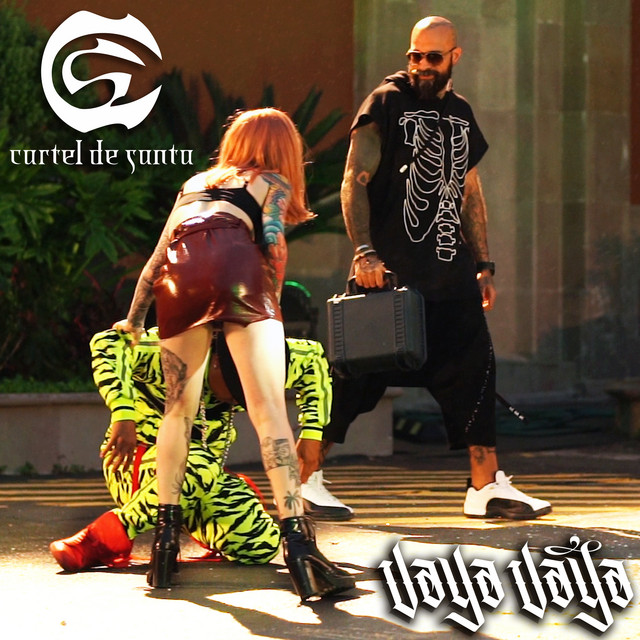
Vaya Vaya
Cartel De Santa
Mexican Hip Hop
2018
4
/5
Pollo y Conejo
Cartel De Santa
Mexican Hip Hop
Latin Hip Hop
2016
4
/5
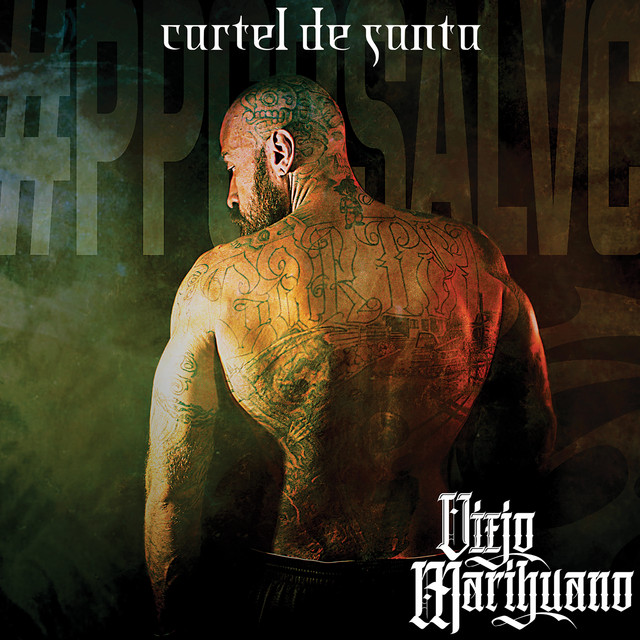
Viejo Marihuano
Cartel De Santa
Mexican Hip Hop
Latin Hip Hop
2014
4
/5
Golpe avisa
Cartel de Santa
Chicano Rap
2011
4
/5
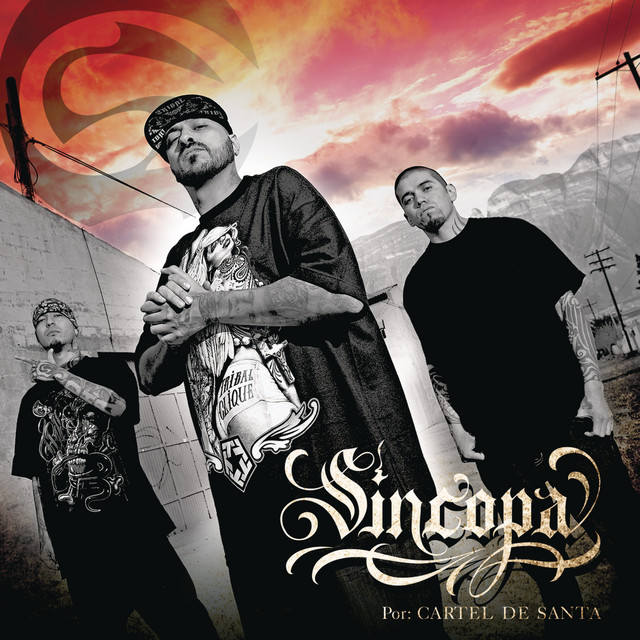
Sincopa
Cartel De Santa
Mexican Hip Hop
Latin Hip Hop
2010
4
/5
Sincopa
Cartel De Santa
Mexican Hip Hop
Latin Hip Hop
2010
3
/5
Sincopa
Cartel de Santa
Latin Rap
2008
Cartel de Santa, Vol. 4
Cartel de Santa
Gangsta Rap
2007
4
/5
Vol. ProhIIIbido
Cartel de Santa
Chicano Rap
2006
Volumen proIIIbido
Cartel de Santa
Chicano Rap
Latin Hip Hop
Mexican Hip Hop
2004
Vol. II
Cartel de Santa
Hip Hop
2002
Cartel de Santa
Cartel de Santa
Gangsta Rap
Hip Hop
Similar artists
4
/5
South Park Mexican
Chicano Rap
Deep Southern Trap
Gangsta Rap
3
/5
Kid Frost
Chicano Rap
G-Funk
Latin Hip Hop
4
/5
Control Machete
Chicano Rap
Hip Hop
Latin Alternative
3
/5
Delinquent Habits
Chicano Rap
Latin Hip Hop
Mexican Hip Hop
3
/5
Mr. Shadow
Chicano Rap
G-Funk
Gangsta Rap
3
/5
Mr. Lil One
G-Funk
Gangsta Rap
Latin Hip Hop
2
/5
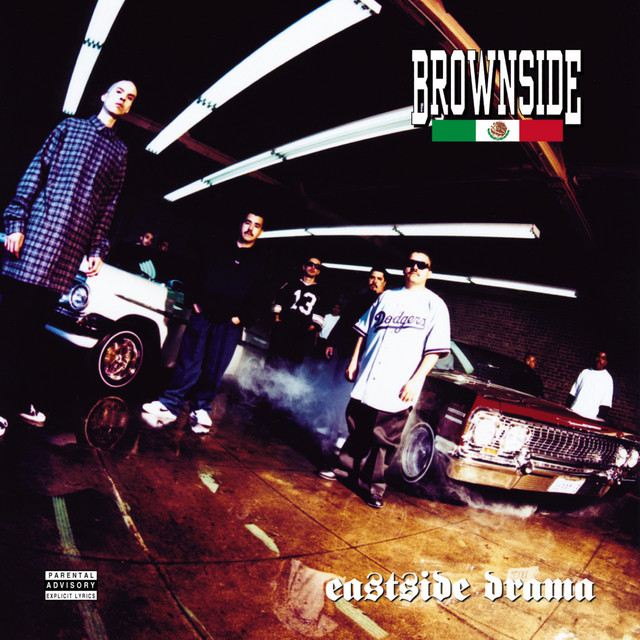
Brownside
G-Funk
Gangsta Rap
Latin Hip Hop
2
/5
Conejo
Chinese Rock
G-Funk
Gangsta Rap
4
/5
Millonario
Mexican Hip Hop
Latin Hip Hop
Reggaeton Mexa
4
/5
Akwid
Chicano Rap
Latin Hip Hop
Mexican Hip Hop
Download our mobile app
Get the Melodigging app and start digging for new genres on the go
Download on the App Store
Get it on Google Play
© 2026 Melodigging
Give feedback
Legal
Melodding was created as a tribute to
Every Noise at Once
, which inspired us to help curious minds keep digging into music's ever-evolving genres.