Genres
Artists
Albums
Make Music
Sign in
Sign in
Artists
Chicano Rap
Artists
Chicano Rap
Control Machete
1997–1999
·
4 albums
Listen
4
/5
Genres
Gym Phonk
Gym phonk is a high-energy, modern offshoot of phonk that is tailored for workout edits, lifting montages, and short‑form video clips. It merges the gritty, lo‑fi Memphis rap sampling of classic phonk with the clipped, overdriven bass, cowbell leads, and fast tempos popularized by drift phonk. Producers aim for immediate impact: hard 808 slides, distorted low end, and chant‑like vocal chops are arranged for quick drops and clear, repeatable hooks. Compared to earlier, moodier phonk, gym phonk emphasizes intensity and propulsion—often sitting around 150–170 BPM—and frequently draws from a 4‑on‑the‑floor “phonk house” feel or a halftime trap bounce. The sound went viral across TikTok, YouTube, and gym playlists, driven by Russian/Eastern European and global producers who optimized the style for heavy training and motivational edits.
Discover
Listen
Musica Quintanarroense
Musica quintanarroense refers to the contemporary music scene centered in the Mexican state of Quintana Roo (Cancún, Playa del Carmen, Tulum, Chetumal), where Caribbean currents meet Yucatán‑Peninsula traditions and modern Mexican popular music. It blends coastal reggae and dancehall grooves, reggaeton and urban pop production, Yucatecan roots such as jarana and trova, and local Maya practices like Mayapax ensembles. Because the state is a tourism hub with constant cultural interchange, electronic club sound design, indie rock, and tropical cumbia often coexist in the same catalog, yielding a sun‑soaked, beach‑city aesthetic with bilingual (Spanish/Maya) lyrics and Caribbean rhythmic sensibilities.
Discover
Listen
Black Americana
Black Americana is a contemporary umbrella genre that centers Black artists within the traditions of Americana (roots-based U.S. music such as folk, country, blues, gospel, and soul). It often blends acoustic storytelling and roots instrumentation with Black musical lineages, highlighting themes of migration, labor, faith, resilience, love, and social justice. Rather than a single fixed sound, it is a scene and framing that reconnects “Americana” to its multiracial roots while pushing the style forward with modern production, R&B/soul phrasing, and genre-crossing songwriting.
Discover
Listen
Classify
Classify is a streaming-era microgenre that blends light classical technique with contemporary pop repertoire, typically presented as unobtrusive instrumental covers. It prioritizes soft dynamics, gentle tempos, and intimate recording to create a calm, elegant backdrop suitable for studying, working, or events. Most arrangements are for solo piano, string quartet, cello/piano duos, or small chamber ensembles. Harmonies remain diatonic and consonant, melodies are clearly voiced, and textures favor arpeggios, ostinati, and sustained legato lines. The overall aesthetic borrows from modern classical and new age moods while retaining the familiarity of pop song forms.
Discover
Listen
New Tejano
New Tejano is a contemporary rejuvenation of Texas-Mexican (Tejano) music that blends the genre’s traditional accordion-forward polkas, cumbias, and rancheras with modern pop, R&B, and electronic production. It preserves signature elements—diatonic accordion riffs, bajo sexto strums, two-step and cumbia grooves—while embracing glossy synths, punchy drum programming, pop-leaning hooks, and bilingual storytelling. Compared with classic Tejano, New Tejano tends to favor hook-driven choruses, tighter radio/streaming song lengths, and crossover-friendly arrangements that sit comfortably alongside Latin pop and regional mexicano playlists. The result is music that still feels like a Saturday-night baile—joyful, danceable, and community-rooted—yet updated for the streaming era with contemporary sound design and a new generation of voices.
Discover
Listen
Latin Alternative
Latin alternative is an umbrella term for genre-bending music made by Latin American and US Latino artists that sits outside mainstream Latin pop. It blends alternative and indie rock attitudes with Latin rhythmic vocabularies (cumbia, salsa, ska, reggae), hip hop, and electronic production. The style privileges experimentation, hybridity, and scene-driven authenticity rather than commercial formulas. Lyrics are often in Spanish (sometimes bilingual or Spanglish), and themes range from the personal and poetic to social and political commentary. The movement coalesced in the mid-to-late 1990s around U.S. media and festivals (e.g., LAMC), helping connect diverse scenes from Mexico, Argentina, Chile, Colombia, Puerto Rico, and beyond.
Discover
Listen
Mexican Hip Hop
Mexican hip hop is the localized expression of hip hop culture in Mexico, blending classic rap foundations with regional musical colors and Spanish-language lyricism. It encompasses MCing, DJing, graffiti, and breakdance, but its recorded output is defined by gritty storytelling, street realism, wordplay, and a mix of boom-bap, G-funk, trap, and hybrid beats. Stylistically, it often incorporates rhythmic and melodic ideas from regional Mexican idioms and Latin genres—occasionally sampling or referencing cumbia, norteño, banda, or mariachi—while maintaining core hip hop traits like punchy drums, bass-forward mixes, and bar-centric flows. The scene ranges from hardcore and battle-rap aesthetics to radio-friendly hooks and crossovers with rock and regional styles.
Discover
Listen
Chicano Rap
Chicano rap is a regional style of hip hop created by Mexican-American artists in the U.S. Southwest, especially Los Angeles and surrounding Southern California communities. It blends West Coast rap aesthetics with Latin musical references, bilingual (English/Spanish) lyrics, and vivid storytelling rooted in barrio life, lowrider culture, family, and identity. Musically, Chicano rap often rides mid-tempo, G‑funk-influenced grooves, rubbery basslines, and high-pitched synth leads, while sampling or replaying classic soul, doo‑wop, and funk “oldies.” Lyrically, it commonly uses Spanglish, neighborhood shout-outs, and narratives that range from street realities to romance and cruising anthems.
Discover
Listen
Latin Hip Hop
Latin hip hop is a hip hop movement driven by Latino and Latin American diasporic communities, blending classic rap aesthetics with Latin rhythms, language, and cultural references. It often features bilingual (Spanish–English/Spanglish) lyricism, sampling and instrumentation that draw from salsa, merengue, cumbia, boogaloo, and funk, and production styles that range from boom‑bap and G‑funk to Miami bass, Southern bounce, and modern trap. Thematically, it spans identity, immigration, barrio life, pride, social commentary, and party culture, balancing gritty street narratives with celebratory hooks and chantable coros. Regional scenes in Los Angeles, New York, and Miami were foundational, later spreading across Puerto Rico, Mexico, and the rest of Latin America, and ultimately converging with the wider “urbano” ecosystem (including reggaeton and Latin trap).
Discover
Listen
Latin Rap
Latin rap (often called Latin hip‑hop) is hip‑hop recorded by Spanish‑speaking artists across the Americas and Spain. While many performers switch fluidly between Spanish and English (Spanglish), the idiom is primarily voiced in Spanish and draws overtly on Hispanic and Latin American musical vocabularies. Stylistically it keeps core hip‑hop elements—MCing, DJing/beatmaking, breakbeats, and sampling—while mixing in Afro‑Latin rhythms, song forms, and instrumentation. You’ll often hear salsa or cumbia samples, congas, timbales, or palmas alongside boom‑bap or West Coast grooves, and hooks crafted as chant‑like coros. Lyrically, Latin rap spotlights barrio life, migration, identity, and social critique, but also party and dance themes aligned with broader urbano culture.
Discover
Listen
Hip Hop
Hip hop is a cultural and musical movement that emerged from Black, Latino, and Caribbean communities, centering around rapping (MCing), DJing/turntablism, sampling-based production, and rhythmic speech over beats. It prioritizes groove, wordplay, and storytelling, often reflecting the social realities of urban life. Musically, hip hop is built on drum-centric rhythms (from breakbeats to 808 patterns), looped samples, and bass-forward mixes. Lyrically, it ranges from party anthems and braggadocio to political commentary and intricate poetic forms, with flow, cadence, and rhyme density as core expressive tools. Beyond music, hip hop encompasses a broader culture, historically intertwined with graffiti, b-boying/b-girling (breakdance), fashion, and street entrepreneurship, making it both an art form and a global social language.
Discover
Listen
Rock En Español
Rock en español is the umbrella term for rock music performed in Spanish across Latin America and Spain. It adapts the attitude, instrumentation, and songwriting of Anglo-American rock—electric guitars, bass, drums, and hook-driven choruses—while foregrounding Spanish lyrics and local themes. The style ranges from 1960s beat- and garage-influenced bands to 1970s blues/psychedelia and the punk, new wave, and pop-rock explosions of the 1980s and 1990s. Lyrically it moves from social critique and urban realism to romance and introspection, often reflecting the political and cultural realities of Spanish-speaking countries.
Discover
Listen
Mexican Rock
Mexican rock is the umbrella term for rock music created in Mexico, blending Anglo-American rock idioms with local rhythms, instruments, and Spanish-language lyricism. It typically features electric guitars, bass, and drum set, but often integrates instruments such as trumpets, accordion, or folkloric percussion to evoke mariachi, ranchera, cumbia, and other regional styles. Lyrically, it ranges from street-level social commentary and political critique to playful wordplay and romantic storytelling, frequently using Mexican slang and cultural references. Stylistically it spans early rock and roll covers, garage and surf, psychedelic and hard rock, punk and urbano, and the 1990s alternative wave that helped define the broader movement of rock en español and Latin alternative.
Discover
Listen
Latin
Latin (as a genre label) is a broad umbrella used by the recording industry to categorize popular music rooted in Latin America, the Caribbean, and the Iberian world, often characterized by syncopated Afro-diasporic rhythms, dance-forward grooves, and lyrics primarily in Spanish or Portuguese. As a marketplace category that took shape in the mid-20th century United States, it gathers diverse traditions—Afro-Cuban, Brazilian, Mexican, and Caribbean styles—into a shared space. In practice, "Latin" spans everything from big-band mambo and bolero ballads to contemporary pop, rock, hip hop, and dance fusions produced by artists of Latin American heritage.
Discover
Listen
Show all 14 genres
Albums
1999
2
/5
Artilleria pesada: Presenta
Control Machete
Chicano Rap
Latin Rap
Hip Hop
1999
4
/5
Artilleria Pesada, Presenta:
Control Machete
Chicano Rap
1997
4
/5
Mucho Barato
Control Machete
Chicano Rap
1997
1
/5
Mucho barato
Control Machete
Chicano Rap
Latin Rap
Hip Hop
Similar artists
1
/5
Various Artists
Afro-Funk
Alternative Rock
Ambient
4
/5
Molotov
Mexican Ska
Ska
Mexican Rock
4
/5
South Park Mexican
Chicano Rap
Deep Southern Trap
Gangsta Rap
3
/5
Delinquent Habits
Chicano Rap
Latin Hip Hop
Mexican Hip Hop
5
/5
Cartel De Santa
Mexican Hip Hop
Latin Hip Hop
Chicano Rap
3
/5
Kid Frost
Chicano Rap
G-Funk
Latin Hip Hop
4
/5
Akwid
Chicano Rap
Latin Hip Hop
Mexican Hip Hop
3
/5
Kinto Sol
Chicano Rap
Latin Hip Hop
Mexican Hip Hop
3
/5
Chito Rana$
Chicano Rap
Mexican Hip Hop
Westcoast Flow
3
/5
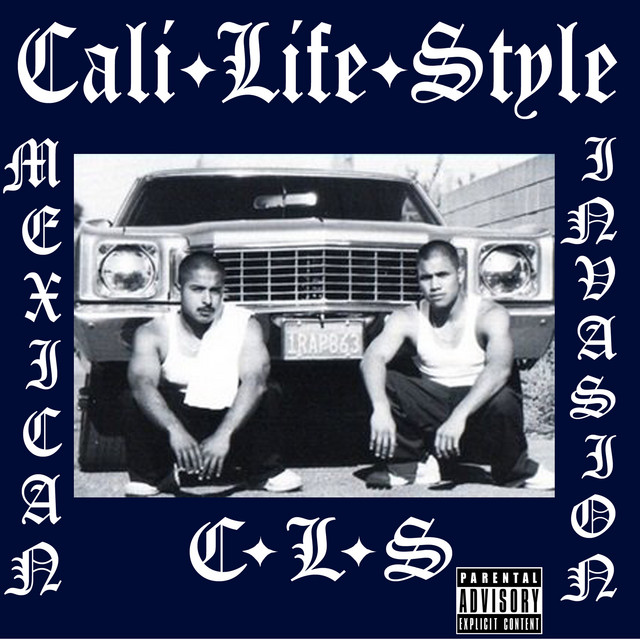
Cali Life Style
Chicano Rap
G-Funk
Mexican Hip Hop
Download our mobile app
Get the Melodigging app and start digging for new genres on the go
Download on the App Store
Get it on Google Play
© 2026 Melodigging
Give feedback
Legal
Melodding was created as a tribute to
Every Noise at Once
, which inspired us to help curious minds keep digging into music's ever-evolving genres.