Your digging level
Description
Cumbia pop is a contemporary, radio-friendly take on cumbia that emerged in the Southern Cone during the 2010s. It blends the characteristic cumbia groove with glossy pop songwriting, bright synths, and clean, dance-pop production.
Often nicknamed "cumbia cheta" in the Río de la Plata region, the style favors major-key hooks, chanted refrains, and romantic or party-themed lyrics aimed at teens and young adults. Tempos typically sit around 95–110 BPM, arrangements are concise and chorus-focused, and acoustic instruments (güira, congas, guitar, accordion) are layered with modern electronic elements for a feel-good, celebratory sound.
The result is a polished, accessible crossover that carries cumbia’s infectious rhythm into the world of mainstream pop and streaming-era virality.
History
Cumbia pop’s groundwork was laid in Argentina in the early 2010s, when bands like Agapornis and Los Totora began turning international and regional pop/rock hits into upbeat cumbia covers with glossy, youth-oriented production. These acts preserved the cumbia pulse but framed it with concise pop structures, bright harmonies, and festival-ready arrangements.
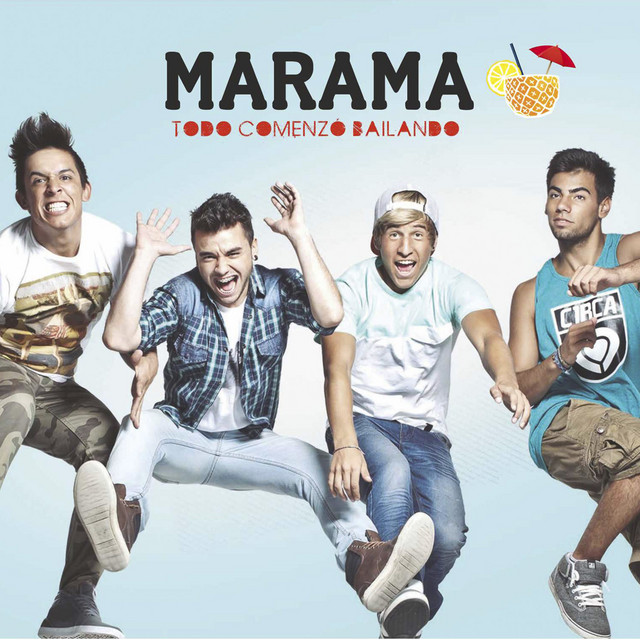
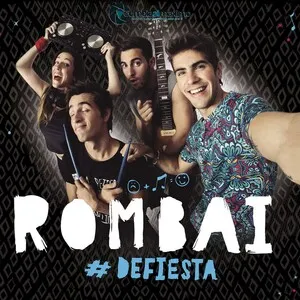
The style exploded from Uruguay around 2014–2016 with groups such as Rombai, Márama, Toco Para Vos, and Mano Arriba. Viral singles, YouTube-friendly videos, and heavy social media presence helped the sound dominate charts across Uruguay and Argentina and reach neighboring markets. The tag "cumbia cheta" emerged to describe its clean-cut, aspirational image and its appeal to a broader, often more middle-class youth audience, distinct from grittier strains like cumbia villera.
As the scene matured, acts toured widely across the Southern Cone and collaborated with mainstream Latin pop and reggaeton artists. The sound incorporated EDM-lite textures and occasional tropical house flourishes while retaining the core cumbia beat. Streaming playlists and regional radio cemented the style’s presence in parties, school festivals, and summer hit cycles.
In the 2020s, cumbia pop both stabilized as a party staple and hybridized with reggaeton and urban pop. Some groups leaned further into electronic production, while others re-emphasized acoustic percussion and accordion hooks. Despite shifts in Latin urban trends, the genre remains a reliable, feel-good format for romantic singalongs and viral dance clips.