Your digging level
Description
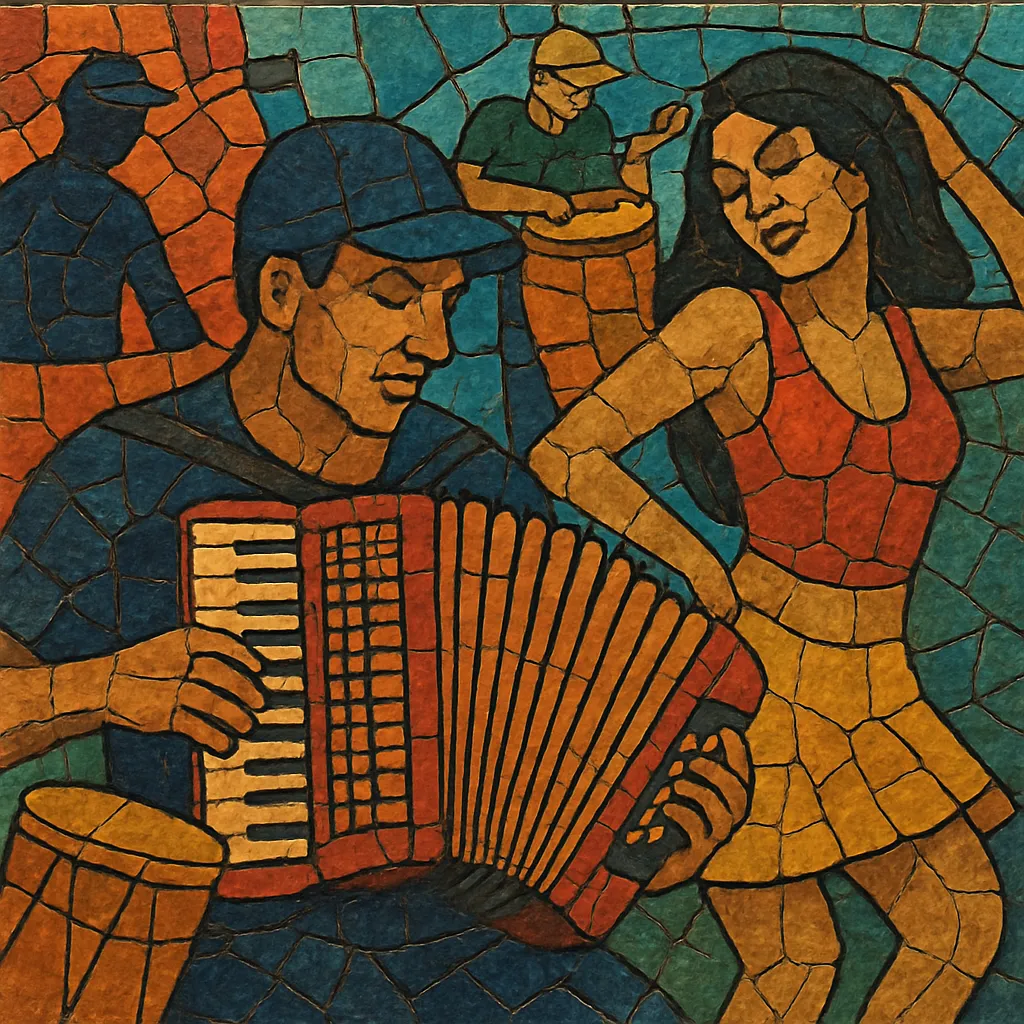
Cumbia villera is an Argentine subgenre of cumbia that emerged in the late 1990s from the working-class "villas miseria" (informal settlements) around Buenos Aires. It is characterized by punchy, low-cost keyboards, simple but driving drum-machine beats, a prominent electric bass, and gritty, conversational vocals.
Lyrically, it often addresses everyday barrio life—parties, love and heartbreak, football fandom, encounters with police, crime, drugs, and survival—with slang-heavy storytelling and a mix of bravado and melancholy. Musically, it keeps the core cumbia groove while favoring catchy synth riffs over traditional accordion lines, resulting in dance-floor energy with a raw, street-level aesthetic.
History
Cumbia villera took shape around 1999 in Greater Buenos Aires amid a socio-economic crisis that amplified the voice of the urban periphery. Artists used inexpensive keyboards and drum machines to craft a direct, party-ready sound that contrasted with the polished, romantic cumbia then dominant on radio.
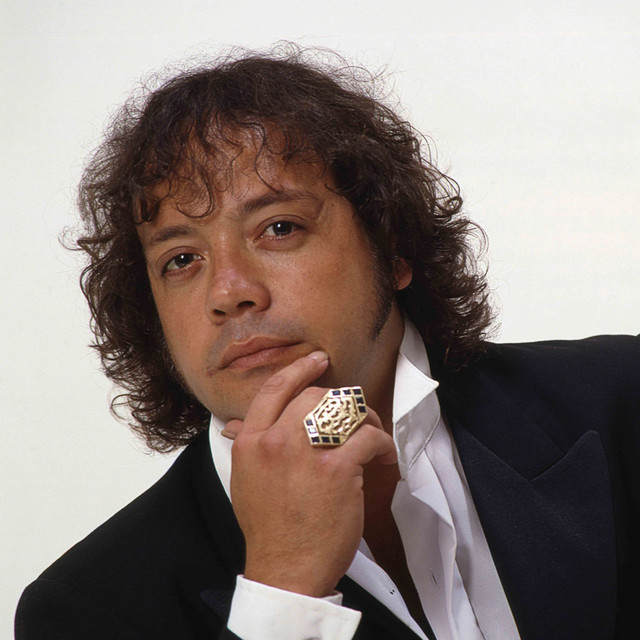
Pablo Lescano—first with Flor de Piedra and then with Damas Gratis—helped codify the style: bright, repetitive synth hooks, heavy electric bass ostinatos, güiro or shaker patterns, and shouted intros and choruses. The lyrical focus on the realities of villa life, delivered with humor and candor, made the genre a lightning rod for media debate while supercharging its popularity at clubs and neighborhood parties.
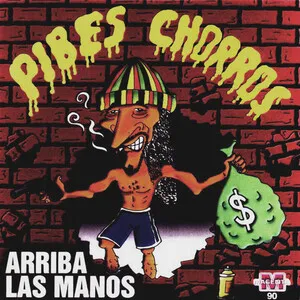
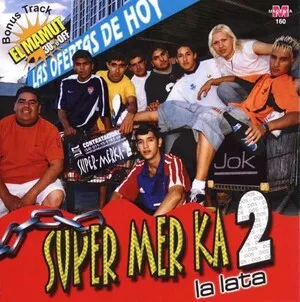
Groups like Pibes Chorros, Yerba Brava, Mala Fama, and Supermerk2 spread the sound across Argentina and into neighboring countries. DIY production, portable PA systems, and local TV/radio shows helped forge a grassroots circuit, while iconic keyboard tones (organ, brass, and bell-like leads) became the style’s trademark.
By the late 2000s and 2010s, cumbia villera’s aesthetics fed newer hybrids—most notably cumbia turra (adding reggaeton/club elements) and various digital/electro-cumbia strains that sampled or reinterpreted villera’s timbres and rhythms. Despite periodic controversies, the genre remains a cornerstone of Argentina’s popular music, continually reinvented by new generations.