Genres
Artists
Albums
Make Music
Sign in
Sign in
Artists
Marrabenta
Artists
Marrabenta
Sam Mangwana
1980–2016
·
9 albums
Listen
2
/5
Genres
Ndombolo
Ndombolo (also spelled dombolo) is a high‑energy Congolese dance music born from the 1990s soukous scene. It accelerates the classic Congolese rumba/soukous template, pushing the tempo, sharpening the rhythmic drive, and foregrounding hip‑swaying, pelvis‑led dance moves. Musically, ndombolo is marked by propulsive drum‑kit and conga patterns, bright interlocking electric guitars that launch into long, fast seben breaks, elastic bass lines, and catchy call‑and‑response vocals—often in Lingala with French catchphrases. Atalaku (hype‑men) add spirited shouts and dance commands that stoke the crowd. The overall sound is upbeat, percussion‑driven, and tailor‑made for the dancefloor. By the mid‑1990s and 2000s the style dominated clubs across Central, Eastern, and parts of Western Africa, becoming a pan‑African dance craze and a reference point for subsequent urban dance‑pop styles.
Discover
Listen
Champeta
Champeta is an Afro‑Colombian dance music born in the Caribbean coast around Cartagena and Barranquilla, emerging from the picó (sound‑system) culture that blasted imported African LPs at street parties. It translates the kinetic guitar lines and call‑and‑response spirit of Congolese soukous, highlife, and makossa into a distinctly coastal Colombian groove. Built on bright, interlocking electric‑guitar ostinatos (often in a sebene style), rubbery bass, and hand percussion, champeta favors hypnotic two‑chord vamps, catchy choruses, and playful, often streetwise lyrics delivered in Spanish and, at times, Palenquero. Since the 2000s, the style’s “champeta urbana” wave has folded in drum‑machine kicks, synth hooks, and club sonics while keeping the joyous, communal energy of the picó plaza.
Discover
Listen
World
World music is a broad, industry-coined umbrella for traditional, folk, and contemporary popular styles from around the globe that fall outside the Anglo-American pop mainstream. The label emerged in the 1980s as a retail and marketing category to group diverse regional musics for international distribution. Musically, it spans acoustic and electric instrumentation; modal, pentatonic, and microtonal pitch systems; and rhythms ranging from cyclical grooves and polyrhythms to asymmetrical meters. While the term can obscure local specificity, it also facilitated cross-cultural collaboration, festivals, and recordings that brought regional genres to wider audiences.
Discover
Listen
Soukous
Soukous is a high-energy dance music that evolved in the Congolese region (Kinshasa–Brazzaville) from Congolese rumba and Afro‑Cuban styles. It is defined by interlocking electric guitars, buoyant bass lines, bright horn stabs, and long, fast "sebene" instrumental sections designed for dancing. Vocals are often in Lingala with French interjections, and themes frequently revolve around romance, urban life, and social commentary. The music emphasizes forward motion and joyful release, pairing Afro‑Cuban rhythmic logic (clave-informed phrasing) with signature Congolese guitar picking that creates a shimmering, cascading texture.
Discover
Listen
Marrabenta
Marrabenta is a guitar-driven, urban dance music from Mozambique, centered in the capital Maputo. It fuses local Mozambican dance rhythms and call-and-response vocals with Portuguese folk elements introduced during the colonial era. Typically fast and propulsive, marrabenta emphasizes bright lead guitars, loping bass lines, hand percussion, and singable choruses. Lyrics shift between Portuguese and local languages (e.g., Ronga, Changana), narrating love, everyday life, and social realities. The name is often linked to the Portuguese verb “rebentar” (to break), a nod to early bands’ inexpensive, makeshift instruments whose strings frequently snapped. While experiments began in the 1930s–1940s in Lourenço Marques (now Maputo), the style cohered as a popular, modern dance genre by the 1950s and later became a post‑independence emblem of Mozambican urban culture.
Discover
Listen
Congolese Rumba
Congolese rumba (often called African rumba) is a danceable, guitar-driven popular music that emerged in Kinshasa and Brazzaville after World War II. It blends Afro‑Cuban son and bolero harmonies with Central African rhythmic sensibilities and call‑and‑response vocals. Typical recordings feature interlocking electric guitars (rhythm, mi‑solo and lead) playing lilting, cyclical figures over a steady, clave‑informed groove, buoyed by congas, maracas, cowbell, bass tumbao, and occasional horns. Songs frequently move from a lyrical, crooning verse into an extended instrumental vamp called the “sebene,” where the band raises the energy for dancers. Lyrically, Congolese rumba often uses Lingala (and sometimes French), celebrating romance, urban life, and social themes with suave vocal harmonies and a refined sense of melody.
Discover
Listen
Latin
Latin (as a genre label) is a broad umbrella used by the recording industry to categorize popular music rooted in Latin America, the Caribbean, and the Iberian world, often characterized by syncopated Afro-diasporic rhythms, dance-forward grooves, and lyrics primarily in Spanish or Portuguese. As a marketplace category that took shape in the mid-20th century United States, it gathers diverse traditions—Afro-Cuban, Brazilian, Mexican, and Caribbean styles—into a shared space. In practice, "Latin" spans everything from big-band mambo and bolero ballads to contemporary pop, rock, hip hop, and dance fusions produced by artists of Latin American heritage.
Discover
Listen
Rumba
Rumba is an Afro‑Cuban, percussion‑driven song‑and‑dance genre that arose in the port neighborhoods and solares of Havana and Matanzas. It features complex interlocking rhythms played on congas (tumbadora, segundo, quinto), claves, and palitos, with the quinto drum improvising over cyclical patterns. The music is built around the rumba clave (in 3‑2 or 2‑3 orientation), call‑and‑response vocals, and a lead singer who declaims verses followed by catchy coros. Three principal styles exist: yambú (slow, playful), guaguancó (medium, flirtatious, with the iconic "vacunao" gesture in the dance), and columbia (fast, virtuosic, traditionally for solo male dancers). Historically performed with cajones (wooden boxes) when drums were restricted, rumba is a secular, community practice whose poetry, dance, and rhythm encode Afro‑Cuban history and identity. It is distinct from ballroom "rhumba" and from Congolese rumba, both of which were influenced by Cuban music rather than being the same style.
Discover
Listen
Waka
Waka is an Islamic‑oriented Yoruba musical genre from southwestern Nigeria. It blends Hausa‑Islamic devotional singing practices with Yoruba language, poetry, and percussion, resulting in a spiritually grounded but socially vibrant style. Traditionally led by powerful female vocalists, Waka features call‑and‑response choruses, melismatic lead lines influenced by Arabic recitation, and interlocking Yoruba drum patterns (gangan/talking drum, bàtá, sákárà), with shèkèrè and handclaps reinforcing a cyclical groove. Lyrics offer praise (to God, notable persons, and families), moral counsel, and social commentary, and are commonly performed at weddings, naming ceremonies, and festive Islamic occasions.
Discover
Listen
Show all 9 genres
Albums
2016
2
/5
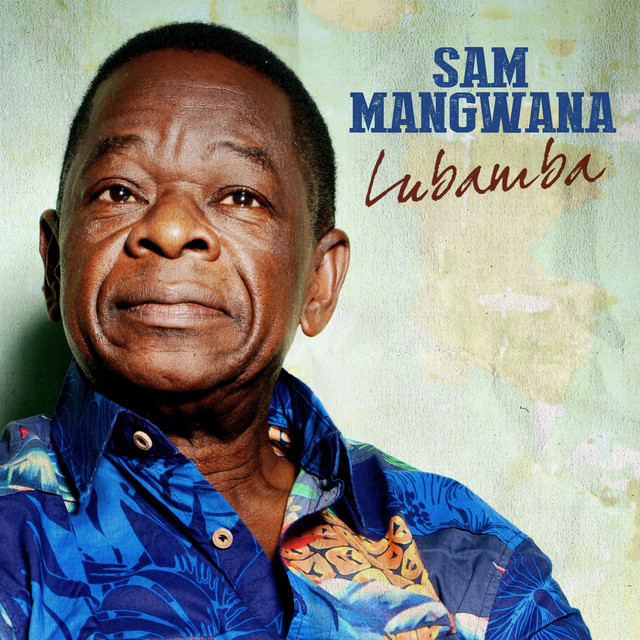
Lubamba
Sam Mangwana
Marrabenta
2016
1
/5
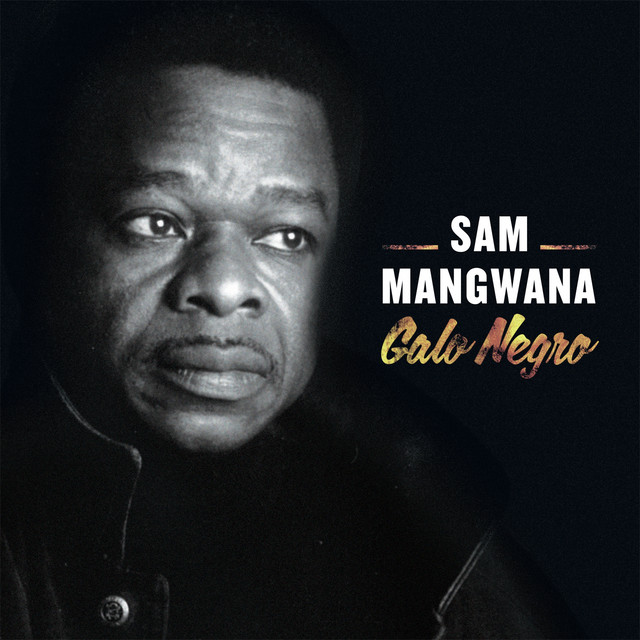
Galo Negro (2016 Remastered)
Sam Mangwana
Marrabenta
Latin
Rumba
2005
1
/5
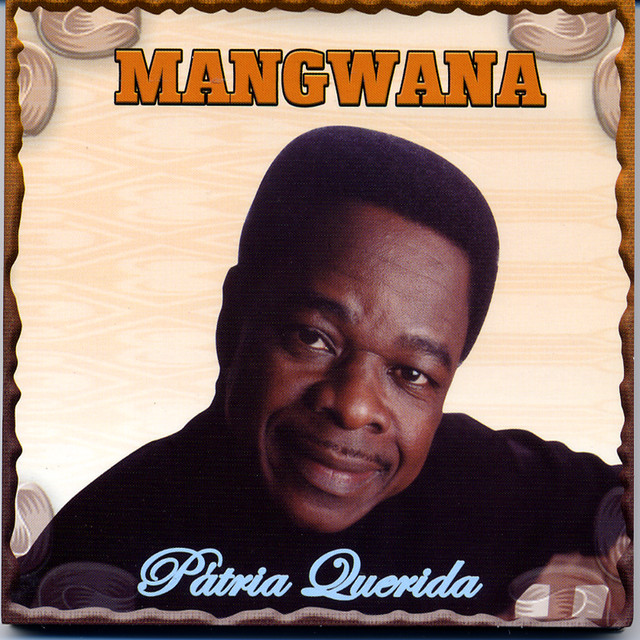
Patria Querida
Sam Mangwana
Marrabenta
1998
2
/5
Galo Negro (2016 Remastered)
Sam Mangwana
Marrabenta
Latin
Rumba
1995
2
/5
Maria Tebbo
Sam Mangwana
Marrabenta
Soukous
1994
2
/5
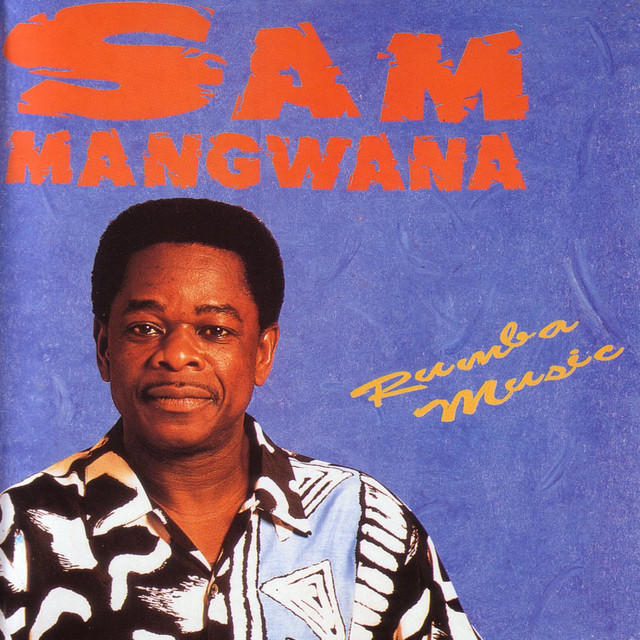
Rumba Music
Sam Mangwana
Marrabenta
1980
1
/5
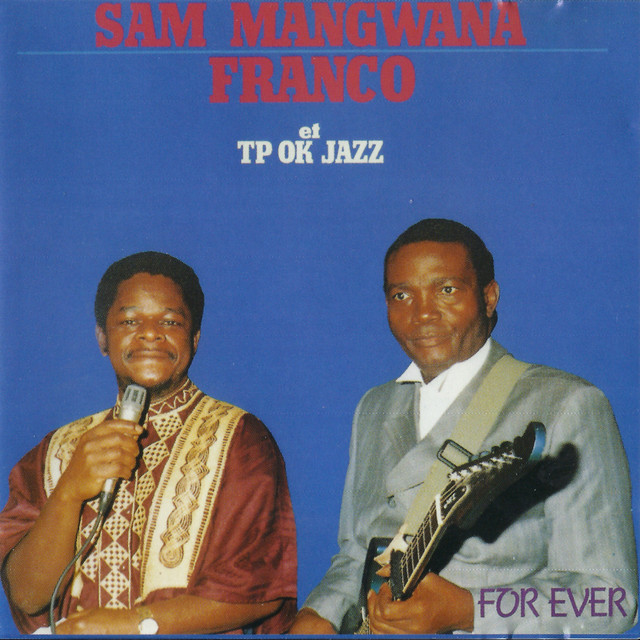
For Ever
Sam Mangwana
Marrabenta
1980
2
/5
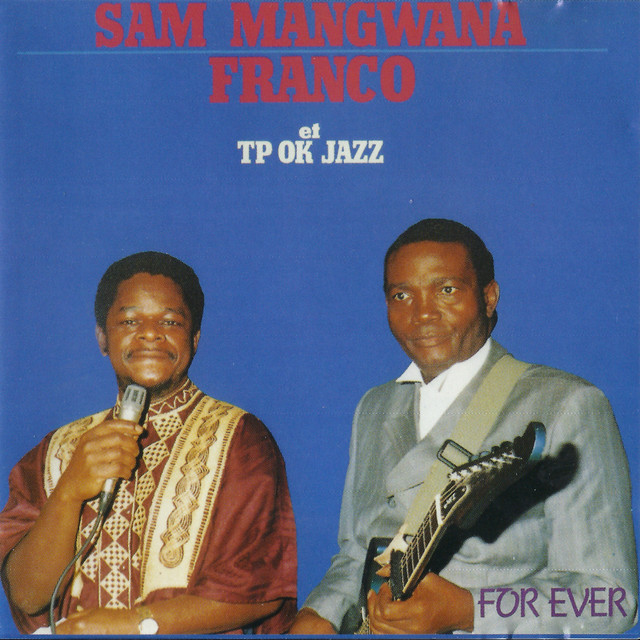
For Ever
Sam Mangwana
Marrabenta
Soukous
Waka Juju
Sam Mangwana
Waka
Similar artists
3
/5
Mbilia Bel
Soukous
Champeta
Congolese Rumba
3
/5
Kanda Bongo Man
Kwassa Kwassa
Soukous
Afropop
2
/5
Nyboma
Soukous
Champeta
Congolese Rumba
3
/5
Zaïko Langa Langa
Azonto
Champeta
Congolese Rumba
2
/5
Pepe Kalle
Azonto
Champeta
Congolese Rumba
2
/5
Loketo
Champeta
Congolese Rumba
Ndombolo
2
/5
Remmy Ongala
Champeta
Congolese Rumba
Soukous
2
/5
Orchestre Super Matimila
Champeta
Congolese Rumba
Soukous
1
/5
Diblo With Loketo
Bikutsi
Champeta
Congolese Rumba
2
/5
Samba Mapangala & Orchestra Virunga
Benga
Congolese Rumba
Ndombolo
Download our mobile app
Get the Melodigging app and start digging for new genres on the go
Download on the App Store
Get it on Google Play
© 2026 Melodigging
Give feedback
Legal
Melodding was created as a tribute to
Every Noise at Once
, which inspired us to help curious minds keep digging into music's ever-evolving genres.