Your digging level
Description
Waka is an Islamic‑oriented Yoruba musical genre from southwestern Nigeria. It blends Hausa‑Islamic devotional singing practices with Yoruba language, poetry, and percussion, resulting in a spiritually grounded but socially vibrant style.
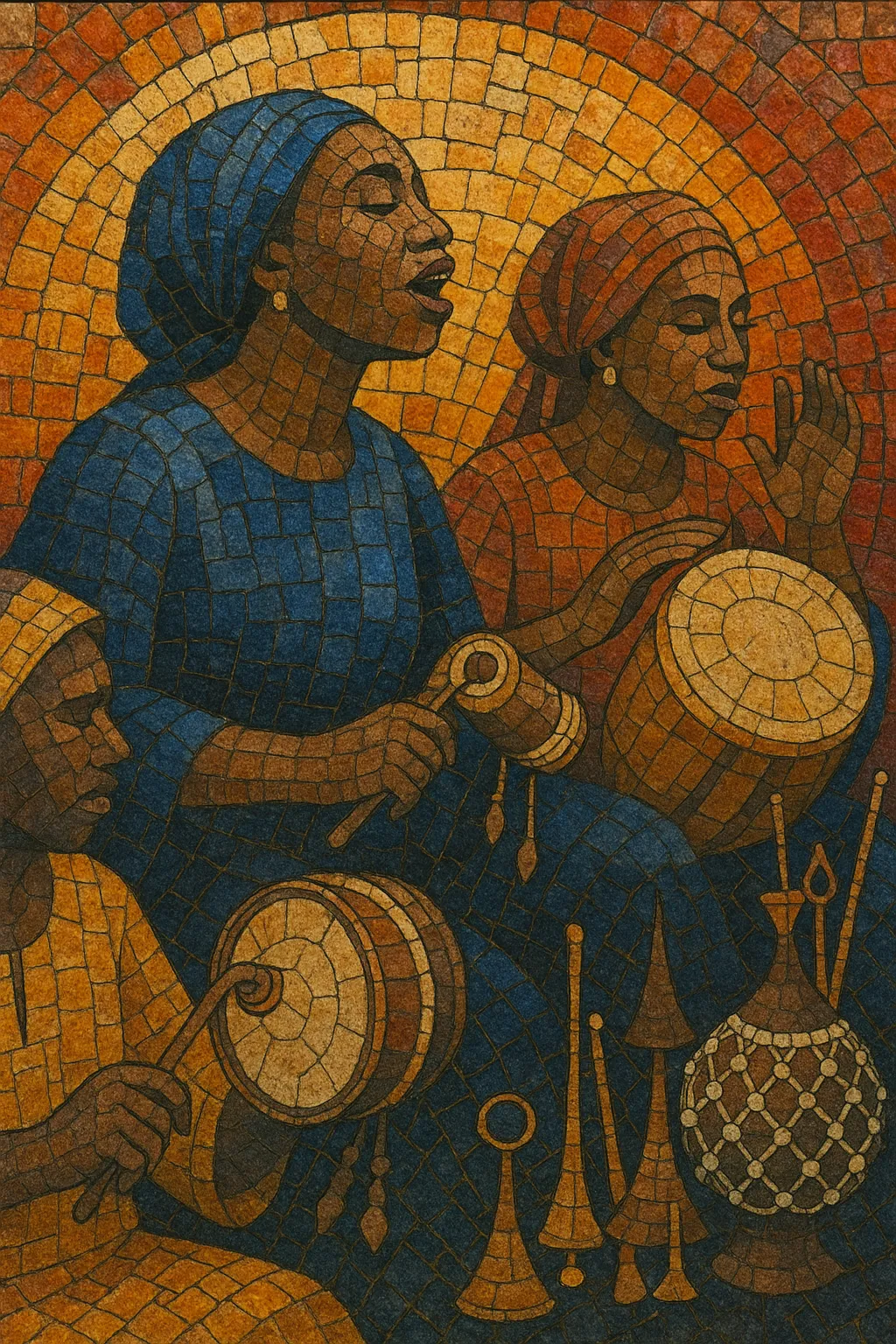
Traditionally led by powerful female vocalists, Waka features call‑and‑response choruses, melismatic lead lines influenced by Arabic recitation, and interlocking Yoruba drum patterns (gangan/talking drum, bàtá, sákárà), with shèkèrè and handclaps reinforcing a cyclical groove. Lyrics offer praise (to God, notable persons, and families), moral counsel, and social commentary, and are commonly performed at weddings, naming ceremonies, and festive Islamic occasions.
History
Waka emerged in the early 1800s as Islamic Yoruba communities adopted and localized Hausa devotional song practices (the Hausa word “waka” itself means “song”). The style absorbed features of Islamic religious music—especially melismatic delivery and heightened declamation—while grounding itself in Yoruba tonal language, praise poetry, and polyrhythmic percussion.
For much of its history, Waka was a community performance tradition led by women at religious and social gatherings. The genre stepped decisively into Nigeria’s commercial music sphere through Alhaja Batile Alake of Ijebu, who popularized Waka at concerts and parties and became the first Waka singer to release an album. Her success established a professional pathway for subsequent performers and helped standardize ensemble formats and stagecraft.
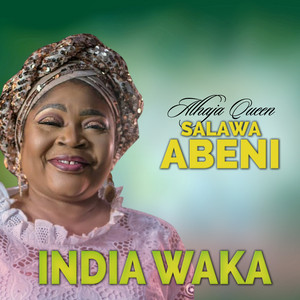
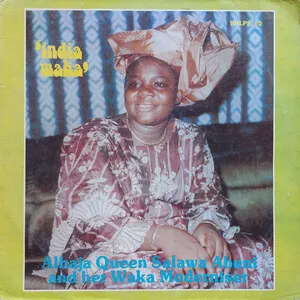
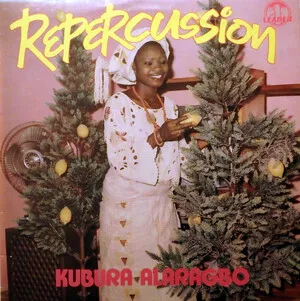
In the late 20th century, younger singers such as Salawa Abeni and Kuburatu (Kuburatu/Kuburatu) Alaragbo expanded Waka’s reach on radio, records, and touring circuits. In 1992, the Aláàfin of Oyo, Oba Lamidi Adeyemi III, formally crowned Salawa Abeni as the “Queen of Waka,” symbolizing the genre’s stature within Yoruba culture and Nigeria at large.
While retaining its Islamic devotional ethos and Yoruba poetic identity, Waka informed the development of other Yoruba popular forms—notably fuji—through shared vocal declamation, praise‑singing aesthetics, and percussion frameworks. Today it continues to be performed at religious and life‑cycle events and remains a reference point for Yoruba women’s musical leadership on and off the commercial stage.

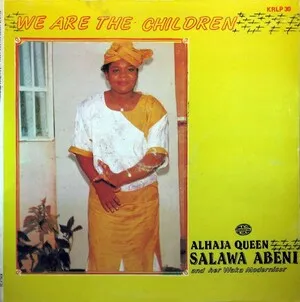

%20-%20Opeloyeru%2C%20Cover%20art.webp)