Genres
Artists
Albums
Make Music
Sign in
Sign in
Artists
Soukous
Artists
Soukous
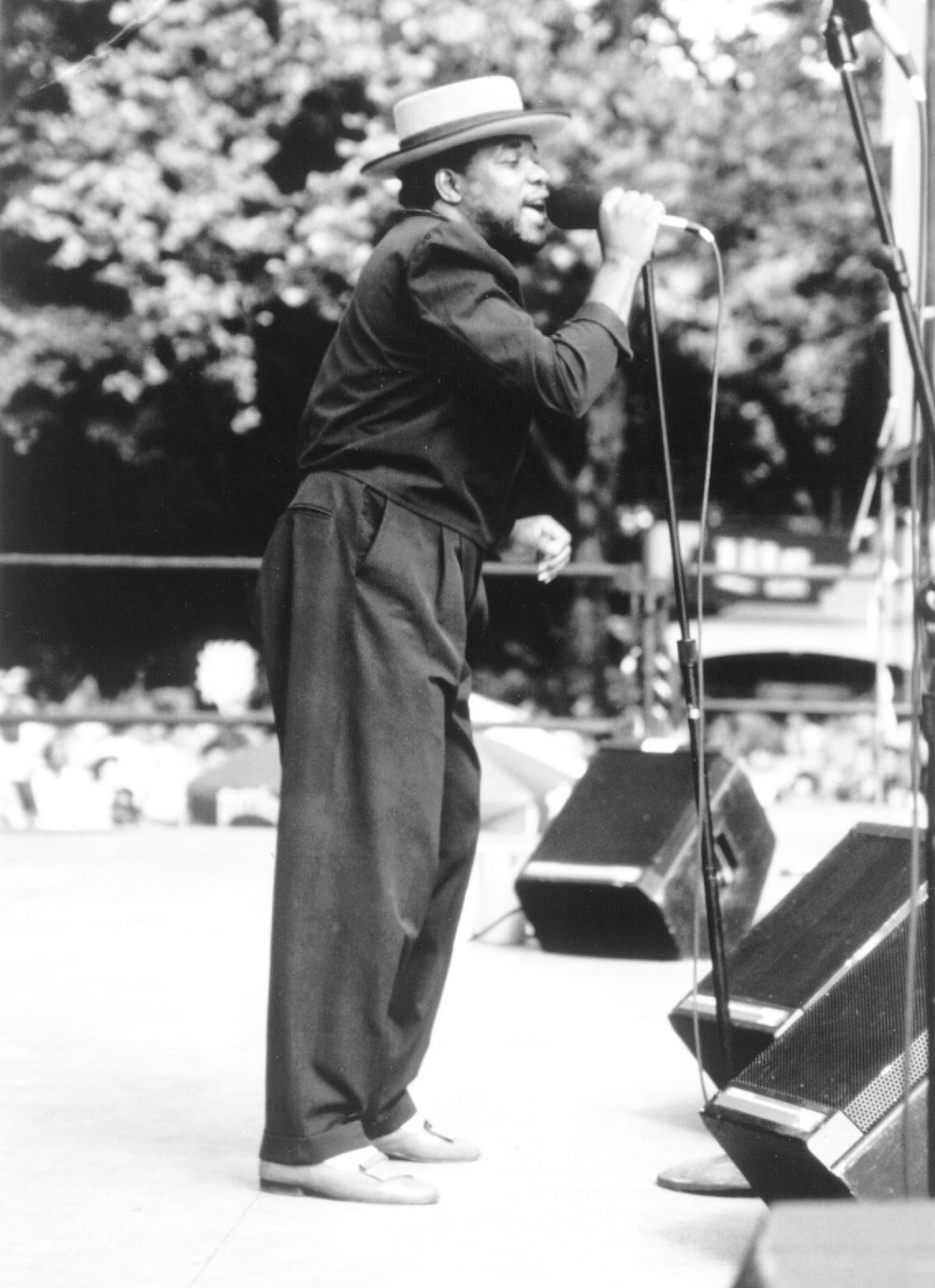
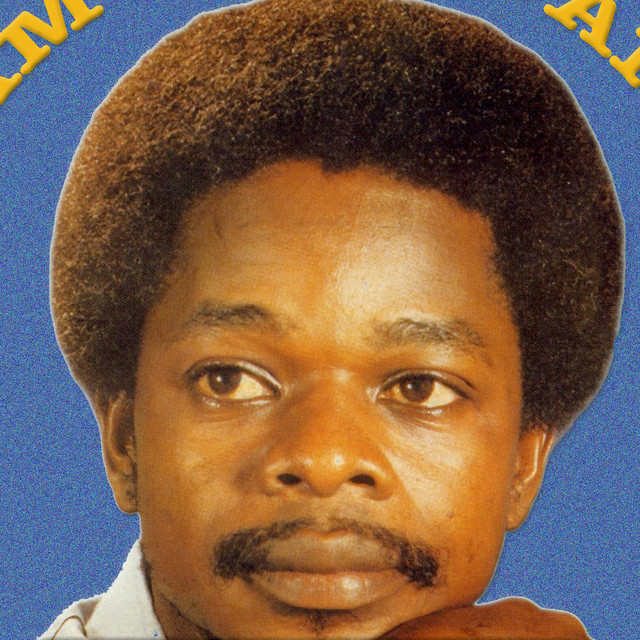
Nyboma
1996
·
1 album
Listen
2
/5
Genres
Ndombolo
Ndombolo (also spelled dombolo) is a high‑energy Congolese dance music born from the 1990s soukous scene. It accelerates the classic Congolese rumba/soukous template, pushing the tempo, sharpening the rhythmic drive, and foregrounding hip‑swaying, pelvis‑led dance moves. Musically, ndombolo is marked by propulsive drum‑kit and conga patterns, bright interlocking electric guitars that launch into long, fast seben breaks, elastic bass lines, and catchy call‑and‑response vocals—often in Lingala with French catchphrases. Atalaku (hype‑men) add spirited shouts and dance commands that stoke the crowd. The overall sound is upbeat, percussion‑driven, and tailor‑made for the dancefloor. By the mid‑1990s and 2000s the style dominated clubs across Central, Eastern, and parts of Western Africa, becoming a pan‑African dance craze and a reference point for subsequent urban dance‑pop styles.
Discover
Listen
Champeta
Champeta is an Afro‑Colombian dance music born in the Caribbean coast around Cartagena and Barranquilla, emerging from the picó (sound‑system) culture that blasted imported African LPs at street parties. It translates the kinetic guitar lines and call‑and‑response spirit of Congolese soukous, highlife, and makossa into a distinctly coastal Colombian groove. Built on bright, interlocking electric‑guitar ostinatos (often in a sebene style), rubbery bass, and hand percussion, champeta favors hypnotic two‑chord vamps, catchy choruses, and playful, often streetwise lyrics delivered in Spanish and, at times, Palenquero. Since the 2000s, the style’s “champeta urbana” wave has folded in drum‑machine kicks, synth hooks, and club sonics while keeping the joyous, communal energy of the picó plaza.
Discover
Listen
Soukous
Soukous is a high-energy dance music that evolved in the Congolese region (Kinshasa–Brazzaville) from Congolese rumba and Afro‑Cuban styles. It is defined by interlocking electric guitars, buoyant bass lines, bright horn stabs, and long, fast "sebene" instrumental sections designed for dancing. Vocals are often in Lingala with French interjections, and themes frequently revolve around romance, urban life, and social commentary. The music emphasizes forward motion and joyful release, pairing Afro‑Cuban rhythmic logic (clave-informed phrasing) with signature Congolese guitar picking that creates a shimmering, cascading texture.
Discover
Listen
Congolese Rumba
Congolese rumba (often called African rumba) is a danceable, guitar-driven popular music that emerged in Kinshasa and Brazzaville after World War II. It blends Afro‑Cuban son and bolero harmonies with Central African rhythmic sensibilities and call‑and‑response vocals. Typical recordings feature interlocking electric guitars (rhythm, mi‑solo and lead) playing lilting, cyclical figures over a steady, clave‑informed groove, buoyed by congas, maracas, cowbell, bass tumbao, and occasional horns. Songs frequently move from a lyrical, crooning verse into an extended instrumental vamp called the “sebene,” where the band raises the energy for dancers. Lyrically, Congolese rumba often uses Lingala (and sometimes French), celebrating romance, urban life, and social themes with suave vocal harmonies and a refined sense of melody.
Discover
Listen
Albums
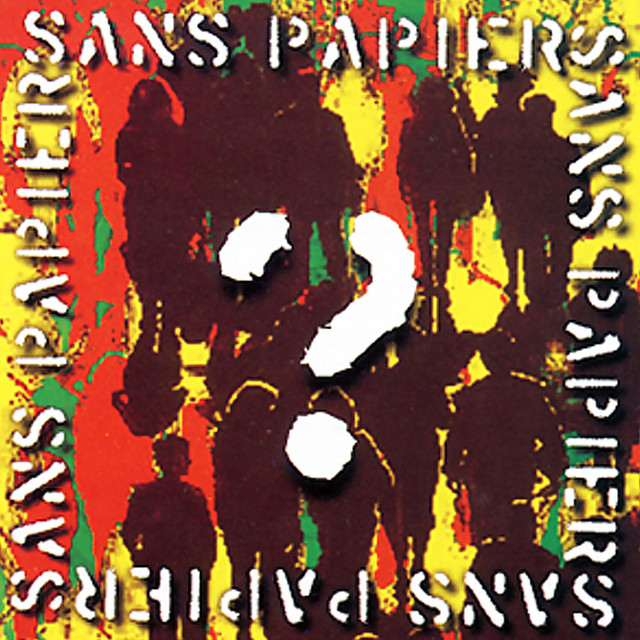
1996
2
/5
Sans Papiers, Vol.1
Nyboma
Soukous
Similar artists
3
/5
Mbilia Bel
Soukous
Champeta
Congolese Rumba
3
/5
Kanda Bongo Man
Kwassa Kwassa
Soukous
Afropop
3
/5
Zaïko Langa Langa
Azonto
Champeta
Congolese Rumba
2
/5
Sam Mangwana
Marrabenta
Champeta
Congolese Rumba
2
/5
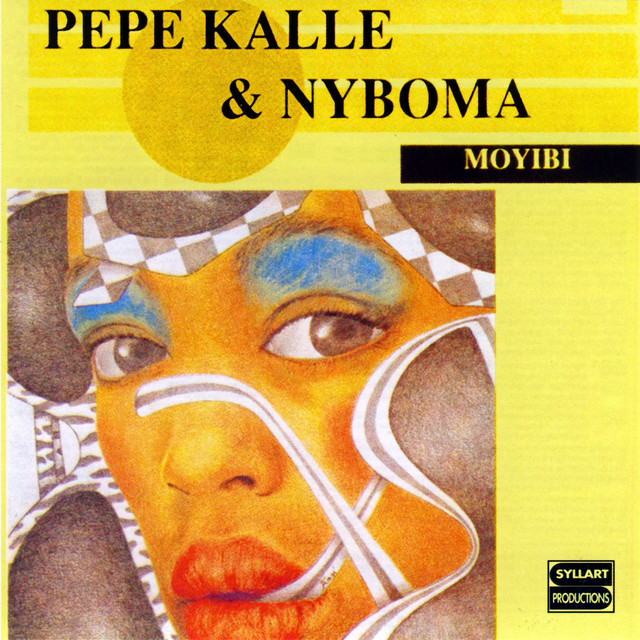
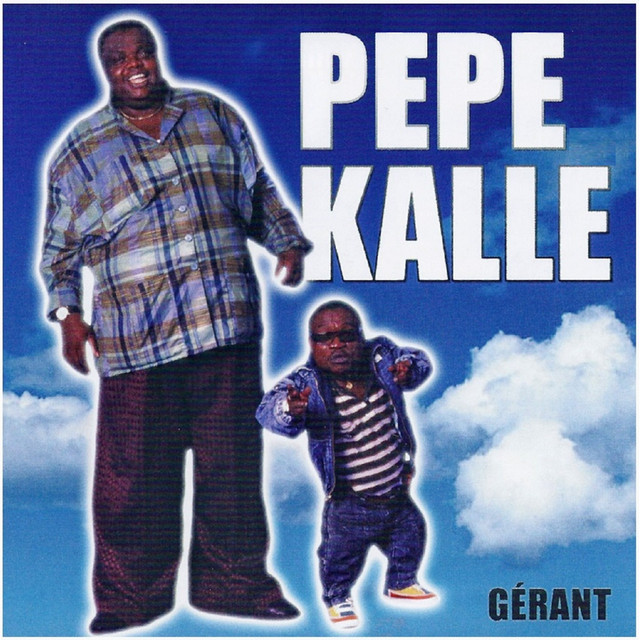
Pepe Kalle
Azonto
Champeta
Congolese Rumba
2
/5
Loketo
Champeta
Congolese Rumba
Ndombolo
1
/5
Diblo With Loketo
Bikutsi
Champeta
Congolese Rumba
3
/5
Koffi Olomide
Soukous
Congolese Rumba
Ndombolo
2
/5
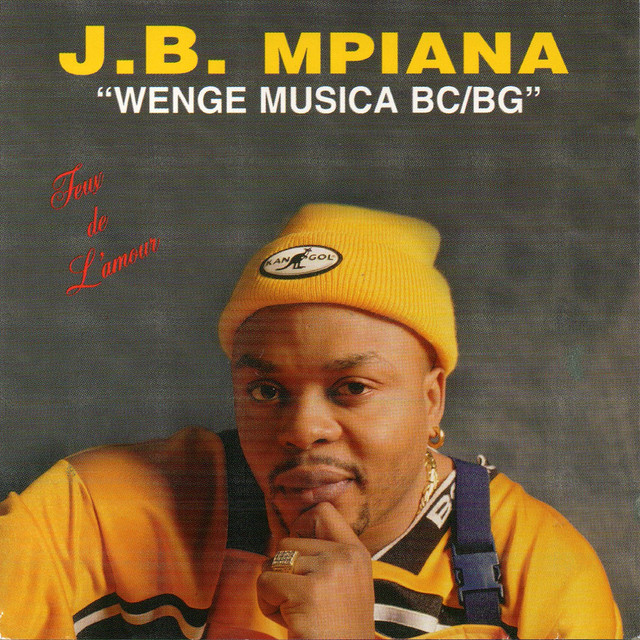
Wenge Musica
Congolese Rumba
Soukous
Ndombolo
2
/5
Tabu Ley Rochereau
Soukous
Congolese Rumba
Afropop
Download our mobile app
Get the Melodigging app and start digging for new genres on the go
Download on the App Store
Get it on Google Play
© 2026 Melodigging
Give feedback
Legal
Melodding was created as a tribute to
Every Noise at Once
, which inspired us to help curious minds keep digging into music's ever-evolving genres.