Your digging level
Description
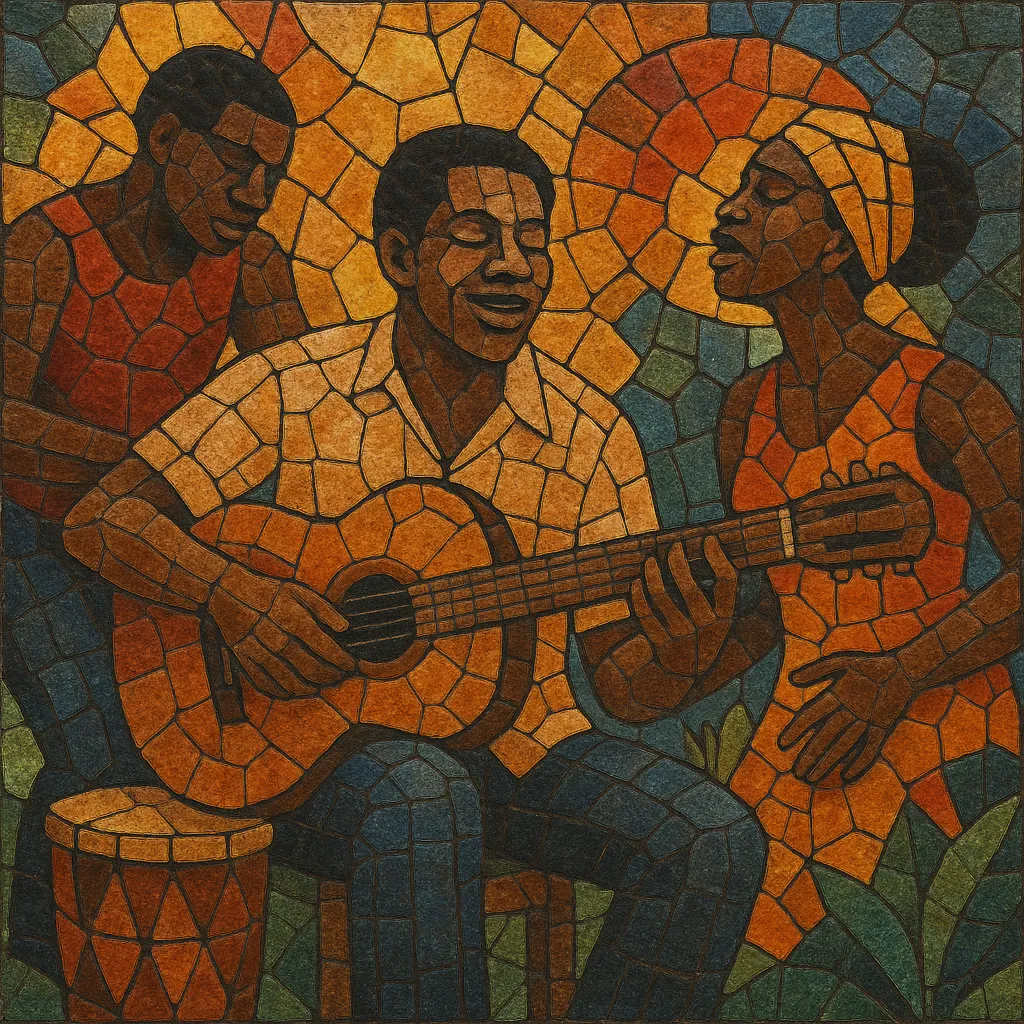
Marrabenta is a guitar-driven, urban dance music from Mozambique, centered in the capital Maputo. It fuses local Mozambican dance rhythms and call-and-response vocals with Portuguese folk elements introduced during the colonial era.
Typically fast and propulsive, marrabenta emphasizes bright lead guitars, loping bass lines, hand percussion, and singable choruses. Lyrics shift between Portuguese and local languages (e.g., Ronga, Changana), narrating love, everyday life, and social realities. The name is often linked to the Portuguese verb “rebentar” (to break), a nod to early bands’ inexpensive, makeshift instruments whose strings frequently snapped.
While experiments began in the 1930s–1940s in Lourenço Marques (now Maputo), the style cohered as a popular, modern dance genre by the 1950s and later became a post‑independence emblem of Mozambican urban culture.
History
Marrabenta took shape in the urban neighborhoods of Lourenço Marques (now Maputo) where Mozambican musicians absorbed Portuguese folk dances and songs brought by colonial society and mixed them with local rhythms and vocal practices. By the 1940s, homemade or low-cost guitars, improvised percussion, and neighborhood dances helped forge a distinctive, upbeat style. In the 1950s the sound crystallized as a recognizable genre, with early recordings and radio appearances giving marrabenta its first mass audience.
Following Mozambique’s independence in 1975, marrabenta flourished as an urban popular music. Dance bands and ensembles professionalized the sound with tighter rhythm sections, horn arrangements, and polished studio production. Groups such as Orchestra Marrabenta Star de Moçambique and charismatic vocalists including Wazimbo brought the genre national visibility and international touring opportunities, helping to define the “classic” marrabenta sound.
In the 1990s and 2000s, artists modernized marrabenta by integrating elements from Congolese rumba/soukous, South African township styles, jazz harmonies, and later hip‑hop and dancehall. This era saw fusions like marrabenta rap, while bands such as Ghorwane and singers including Stewart Sukuma and Mingas refreshed the repertoire with socially aware lyrics and contemporary production.
Marrabenta remains a dance‑floor music and a cultural emblem of Maputo. Veteran artists still perform classic repertoire, while younger musicians recast the idiom with new grooves, contemporary studio aesthetics, and cross‑genre collaborations, ensuring the style’s continuity in Mozambique’s vibrant popular music ecosystem.